
Film
Murders in the Rue Morgue
Other titles called Murders in the Rue Morgue: the 1932 film.
A 1971 horror-thriller that blurs theater and reality in Belle Époque Paris. When acid murders begin targeting people connected to a theatrical producer, suspicion falls on his supposedly-dead former partner. Stylish, pulpy, and delightfully weird—a Euro-horror oddity that treats Poe's story as a springboard for baroque mystery. For anyone who loves genre cinema unafraid to be strange.
Should you watch it?
Watch it if you like period horror that leans on atmosphere, stage-theatre artifice and gaudy gore over tidy logic, and a whodunit whose clues feel half-remembered from a nightmare.
Skip it if you need a tightly plotted whodunit, because the reasoning is loose and the middle can sag whenever the investigation takes over from the atmosphere.
What it asks of you: Give it an hour and a half, some patience for slow atmospheric stretches, and a willingness to take a story that runs on mood more than mechanism.
Not sure? Find tonight's pick in a minute.
If you liked this
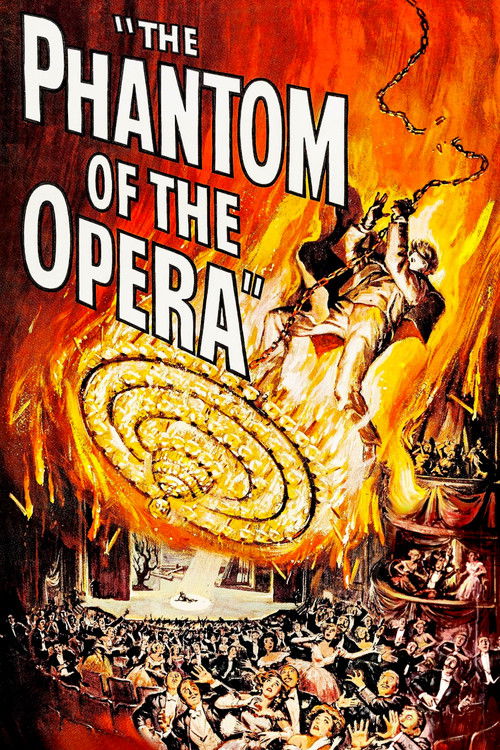
The Phantom of the Opera1962
Another theater-set European thriller with Herbert Lom (he plays the Phantom here too), combining grand Gothic atmosphere with genuine menace. Lush Technicolor and psychological obsession sustain the tension.
But The pacing can feel stately by modern standards, and the romantic elements may overshadow the thriller aspects for some viewers.
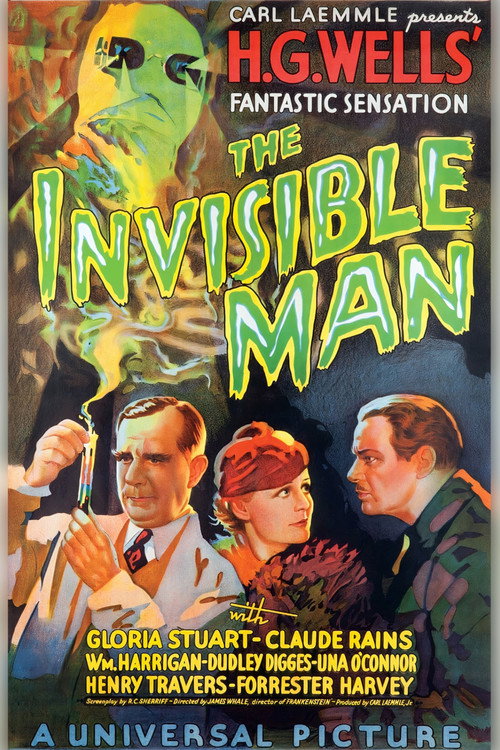
The Invisible Man1933
The original Universal monster film that inspired this era of atmospheric horror. A masterclass in how to generate dread from an unseen threat using clever staging and suggestion rather than gore.
But In black and white, and the invisibility effects, while groundbreaking, look primitive now. The plot moves at a deliberate 1930s pace.
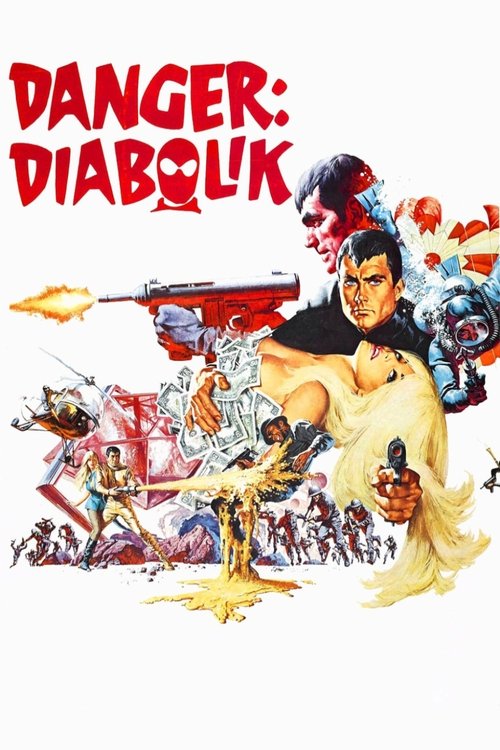
Danger: Diabolik1968
Italian pulp cinema at its most visually audacious. Neon colors, impossible heists, and a gleeful disregard for plausibility. If you love stylish Euro-crime with camp energy, this is essential.
But The plot is genuinely nonsensical, and the dubbing and acting are deliberately theatrical. Not for viewers who need coherence or subtlety.
Not sure tonight? Get a pick in a minute, starting from Murders in the Rue Morgue
The wildcard
Something you would not have found on your own.
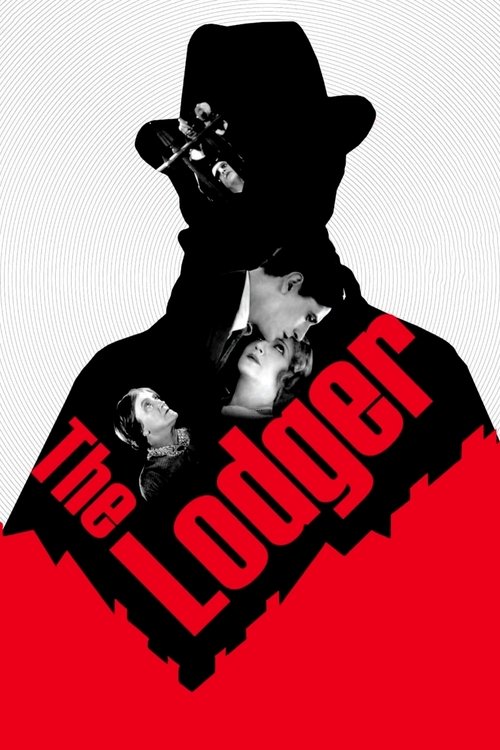
The Lodger: A Story of the London Fog1927
Both are period thrillers built on suspicion and theatrical atmosphere; both use their settings as a character, and both court the audience into mistaking assumption for truth.
Hitchcock's silent debut about a mysterious tenant suspected of being a serial killer preying on the city. The visual storytelling—shadows, staircases, distorted angles—creates paranoia without dialogue. A direct ancestor of everything that followed.
But It's silent film, which means intertitles and a visual language that takes adjustment. The pacing and acting register as stage-like to modern eyes.
More like this (8)
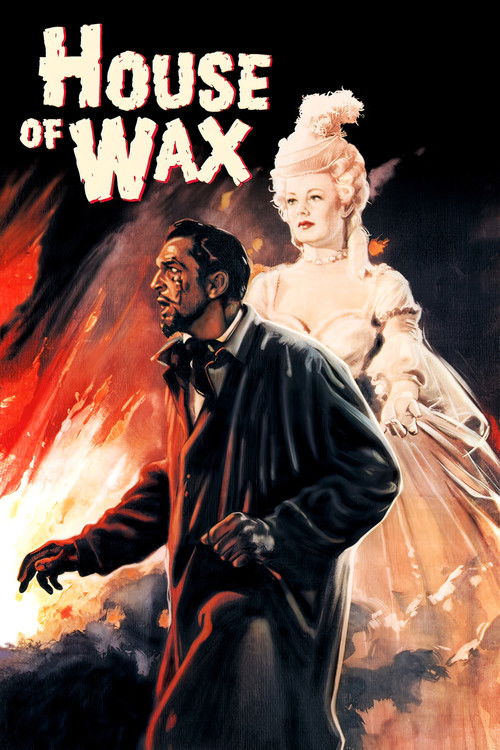
House of Wax1953
Vincent Price in a delicious wax museum mystery where nothing is quite what it seems. The 3D cinematography (even on flat screens) creates genuine spatial unease, and Price's performance is a masterclass in theatrical menace.
But It's a remake of an earlier film, and some plot points creak under scrutiny. The technical gimmickry occasionally overshadows character development.
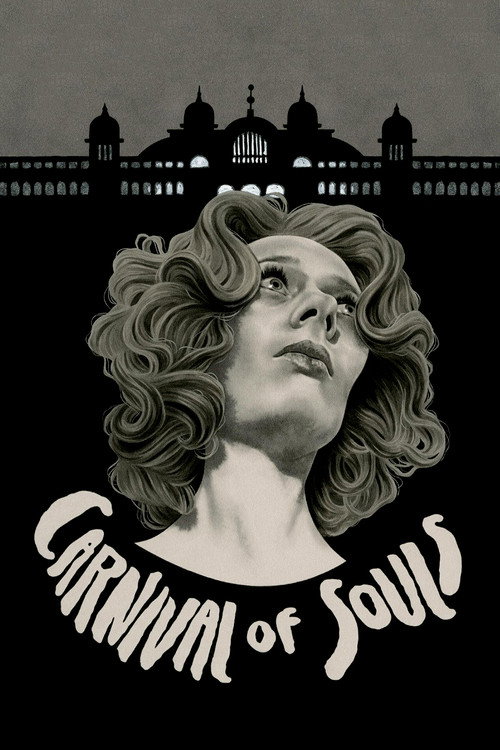
Carnival of Souls1962
A haunting, dreamlike low-budget horror that proves atmosphere beats budget. The protagonist's psychological unraveling and the grotesque finale linger long after the credits. Genuinely unsettling despite its modest means.
But The acting is uneven and the pacing glacial. If you need constant action or polished performances, this will test your patience.
The Killing1956
Kubrick's debut noir about a racetrack heist told in fractured chronology. The plotting is intricate, the atmosphere thick with paranoia, and the ensemble cast perfectly calibrated. A blueprint for crime cinema.
But The non-linear structure can confuse on first viewing, and the mechanical nature of the storytelling keeps emotional investment at arm's length.

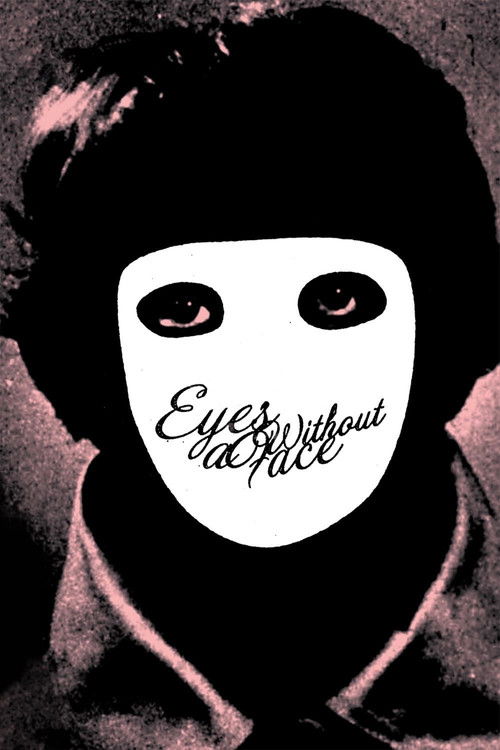
Eyes Without a Face1960
A French horror masterpiece that's simultaneously beautiful and horrifying. The premise—a surgeon grafting faces onto his disfigured daughter—is ghastly, but the film's formal elegance and emotional core make it art, not exploitation.
But The surgical scenes are genuinely disturbing, and the pace is meditative. Viewers seeking thrills rather than psychological horror will find it slow.
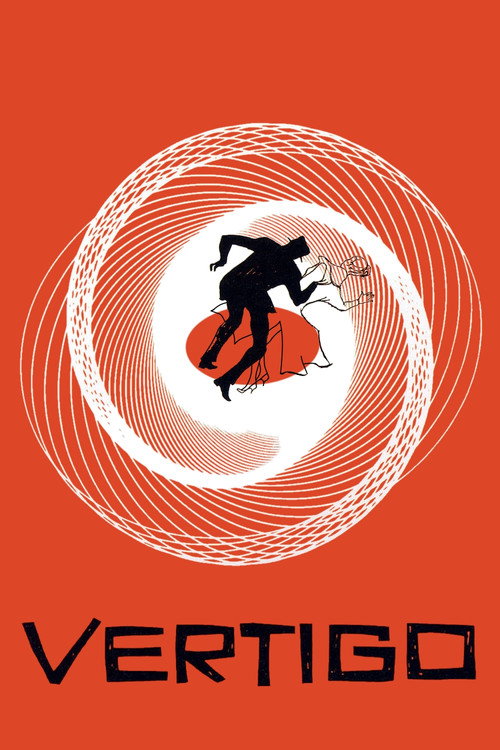
Vertigo1958
Hitchcock's masterpiece about obsession, identity, and the unreliability of perception. Every frame is composed like a painting, the twist lands like a thunderbolt, and the psychological complexity deepens with each viewing.
But It's long, deliberately paced, and emotionally dark. The male lead's behavior toward the female character will disturb modern viewers, though that's rather the point.
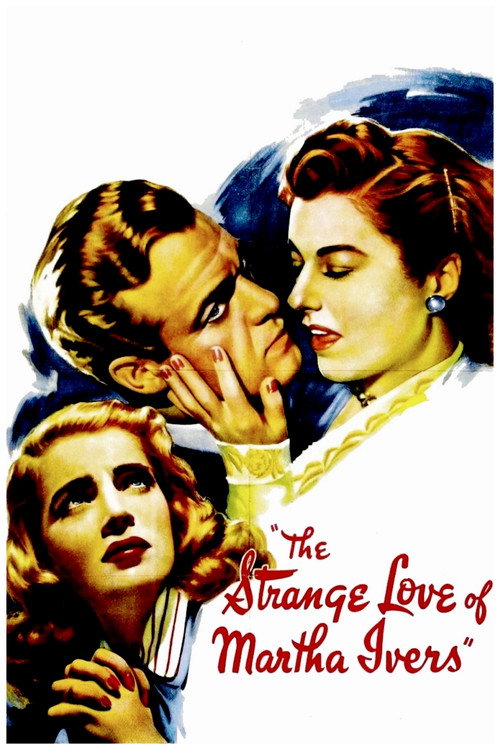
The Strange Love of Martha Ivers1946
A noir mystery where childhood guilt erupts into adult violence and blackmail. Barbara Stanwyck and Kirk Douglas burn up the screen, and the plot's baroque twists keep you guessing. Psychologically rich and visually crisp.
But The pacing can feel jerky as exposition battles plot momentum, and some plot contrivances strain credibility in the final act.
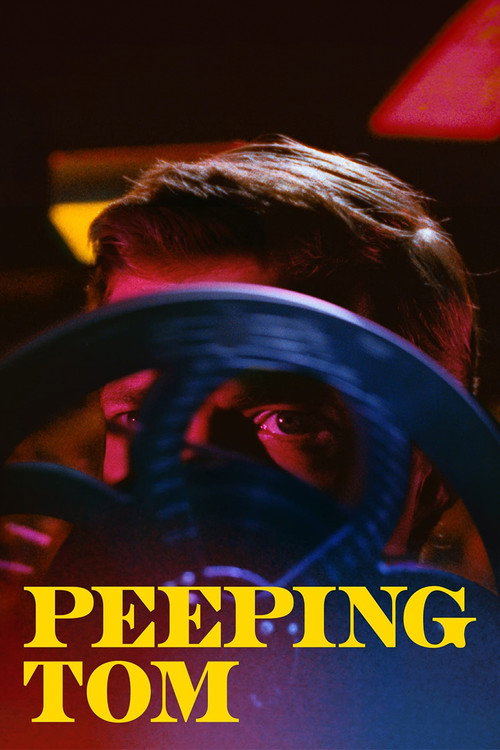
Peeping Tom1960
Both films treat performance and spectacle as engines of horror; both make the audience complicit in watching, and both feature protagonists whose theatrical impulses and hidden pasts collide with real violence.
A serial killer film told from the killer's perspective, constructed as a formal experiment in cinema itself. Michael Powell's direction is meticulous, the cinematography jewel-box precise, and the moral complexity remains radical decades later.
But The voyeuristic camera work and the murder scenes are genuinely disturbing. Some viewers will find the film's detachment morally troubling rather than intellectually interesting.
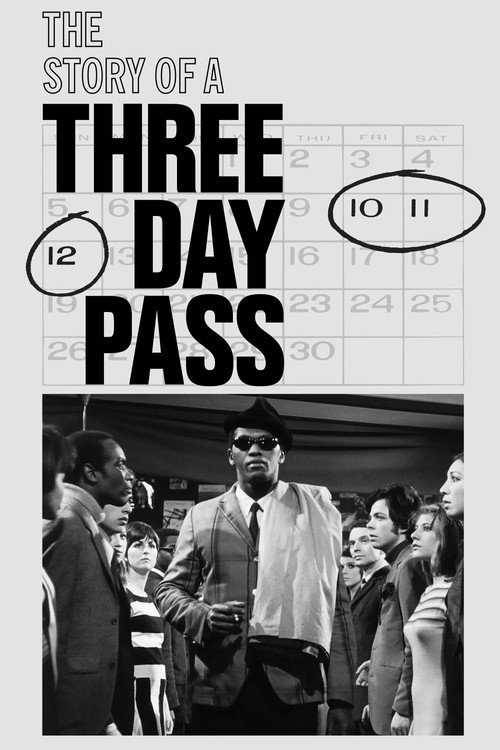
The Story of a Three-Day Pass1968
Both are 1960s Paris-set films obsessed with theatrical presentation and performance as a lens on character and identity; both feature protagonists whose inner lives don't match exterior assumptions, and both use the city itself as a landscape of desire and danger.
Melvin Van Peebles' audacious debut—a Black soldier's romantic weekend in Paris told in jump-cuts, music, and visual exuberance. It's formally inventive, politically sharp, and genuinely moving. A film that announces a radical new voice.
But The experimental editing and loose narrative structure can feel chaotic. The French co-production and subtitles add distance for English-language viewers, and the pacing is deliberately resistant to plot momentum.
People
Cast
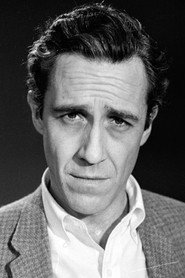 Jason RobardsCesar Charron
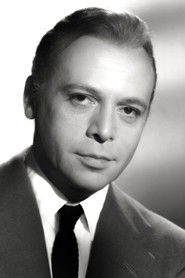 Herbert LomRene Marot
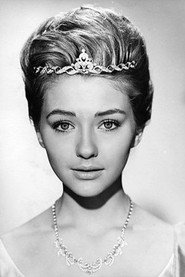 Christine KaufmannMadeleine Charron
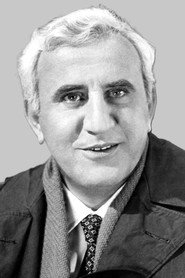 Adolfo CeliInspector Vidocq
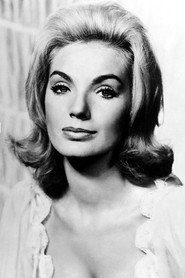 Maria PerschyGenevre
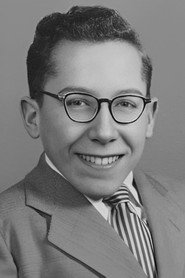 Michael DunnPierre Triboulet
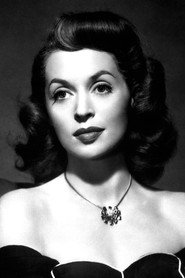 Lilli PalmerMrs. Charron
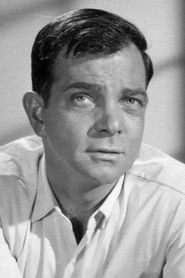 Peter ArneAubert
- Rosalind ElliotGabrielle
- Marshall JonesLuigi Orsini
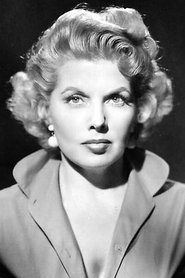 María MartínMadam Adolphe
- Ruth PlattesOrsini's Assistant
Directing
- Kuki López RoderoAssistant Director
- Rosa BiadiuContinuity
- Gordon HesslerDirector
Writing
- Edgar Allan PoeShort Story
- Christopher WickingWriter
- Henry SlesarWriter
Production
- Clifford ParkesAssociate Producer
- James H. NicholsonExecutive Producer
- Samuel Z. ArkoffExecutive Producer
- Louis M. HeywardProducer
- José Luis GaliciaProduction Designer
- Luis HernanzProduction Manager
- Denise O'DellProduction Secretary
- Roberto RobertsProduction Supervisor
- Dennison ThorntonPublicist