
Film
The Story of a Three-Day Pass
A 1968 debut film following an African American soldier's brief romance in Paris during a three-day leave. Shot with luminous intimacy, it's a love story shadowed by time, distance, and the racial tensions of its era. Quietly moving and visually assured—a small film with real emotional weight.
Should you watch it?
Watch it if you like love stories where the outside world keeps intruding, and you are happy to sit with two people quietly figuring each other out in a city that is watching them.
Skip it if you need brisk pacing or a romance that stays sunny, since this is a slow, sober piece whose tone is set by the prejudice it refuses to ignore.
What it asks of you: Eighty-seven minutes, unhurried and mostly held in close conversation and quiet glances, with the mood gradually darkening rather than breaking open.
Not sure? Find tonight's pick in a minute.
If you liked this
Shadows1960
Cassavetes' improvised jazz-noir about race and identity in New York, made eight years earlier but cut from the same cloth: intimate, alive, unafraid of ambiguity and human mess.
But The acting style is deliberately raw and unglamorous; if you want narrative propulsion, the loose structure will frustrate you.
A Man and a Woman1966
Also 1960s Paris, also a love story shot through with longing and visual grace. Demy's film has that same bittersweet tone—romance blooming against the knowledge that it cannot last.
But It's more polished and romantic in a classical way; if you want grit, this tilts toward the poetic.
Guess Who's Coming to Dinner1967
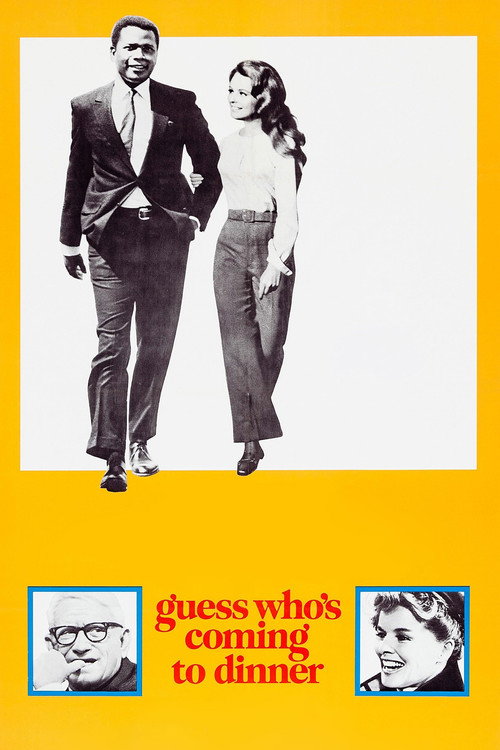
Released the year before, it addresses interracial romance head-on. Sidney Poitier and Katharine Houghton's restraint and dignity make the social pressure around them feel crushing and real.
But The approach is more confrontational and didactic than The Story of a Three-Day Pass; less ambiguous, more argument.
Not sure tonight? Get a pick in a minute, starting from The Story of a Three-Day Pass
The wildcard
Something you would not have found on your own.
Killer of Sheep1978
Both are debuts by Black filmmakers in the late 1960s-early 70s using intimate cinema to explore love, work, and dignity against systemic constraint. Both move slowly and watch closely.
Burnett's Los Angeles elegy shot in grainy black and white, following a slaughterhouse worker and his family. Like Turner's Paris, it's a love story embedded in daily life—how intimacy survives in harsh circumstance. Formally patient and visually ravishing.
But Nothing happens in plot terms; it's a poem, not a narrative. The image quality is intentionally degraded; some will find it beautiful, others unwatchable.
More like this (8)
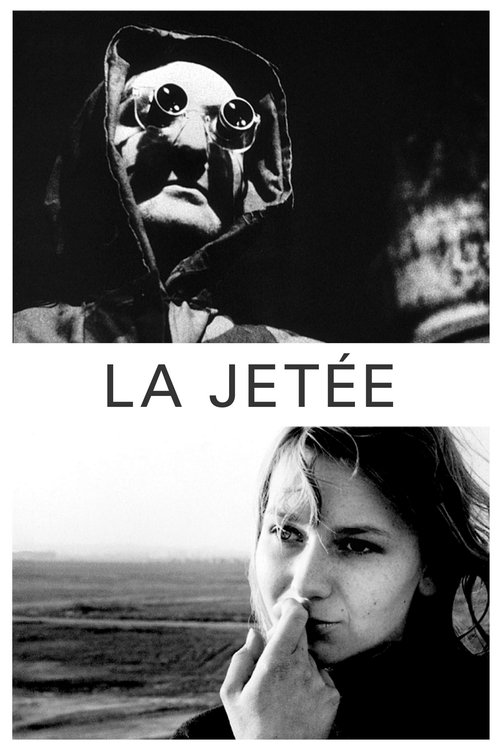
La Jetée1962
Marker's photo-novel captures obsessive love and the cruel fact of time collapsing romance. Like Three-Day Pass, it's about bodies and moments snatched from history.
But It's a 28-minute experimental film told almost entirely through still images; conventional narrative comfort is the opposite of what you get.
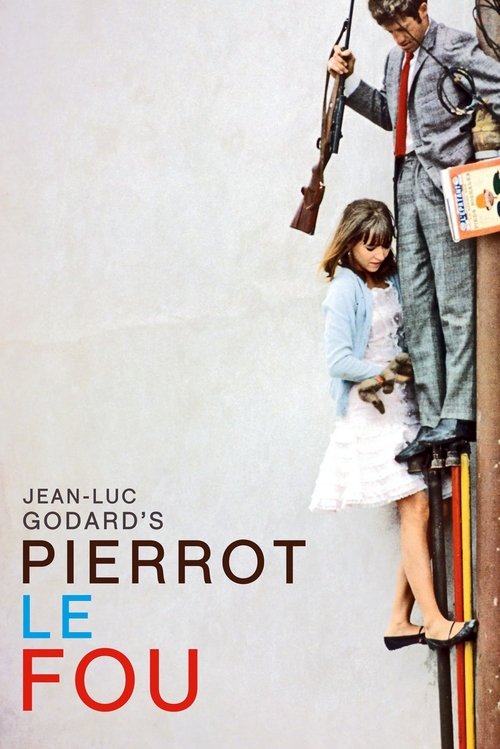
Pierrot le Fou1965
Godard's lovers-on-the-run romance, shot in gorgeous colour, captures the intoxication and doom of two people stealing time. Same mood, different key—more anarchic, equally doomed.
But The structure is deliberately playful and digressive; if you want emotional directness, Godard's formalism will feel like it's keeping you at arm's length.
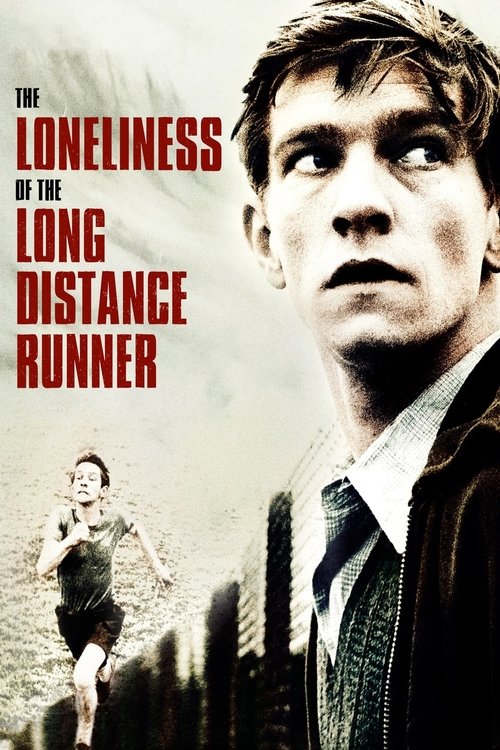
The Loneliness of the Long Distance Runner1962
Richardson's portrait of a young man at odds with authority and expectation. Like Turner, its protagonist is hemmed in by systems larger than himself; the intimacy is in watching him think.
But It's British social realism, spare and sometimes bleak; warmer and more romantic it absolutely is not.
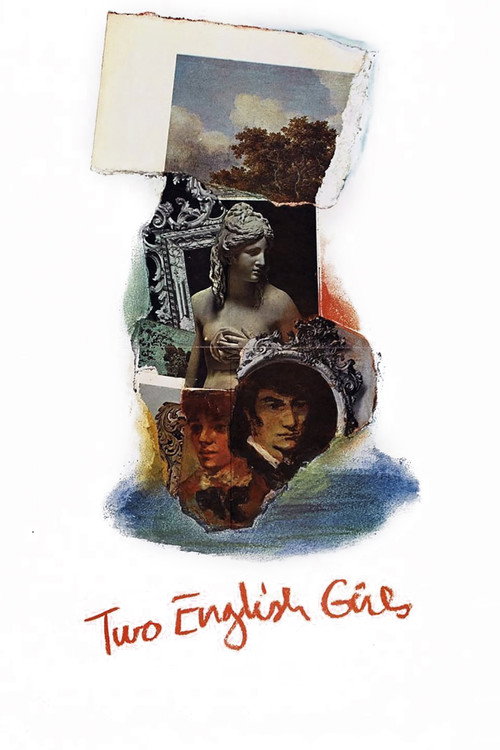
Two English Girls1971
Truffaut's film of doomed romance between a man and two sisters, told with delicate restraint and deep melancholy. The love is real, the impossibility more so.
But It's longer and more novelistic than Three-Day Pass; if you want brevity and intensity, the measured pace may feel indulgent.
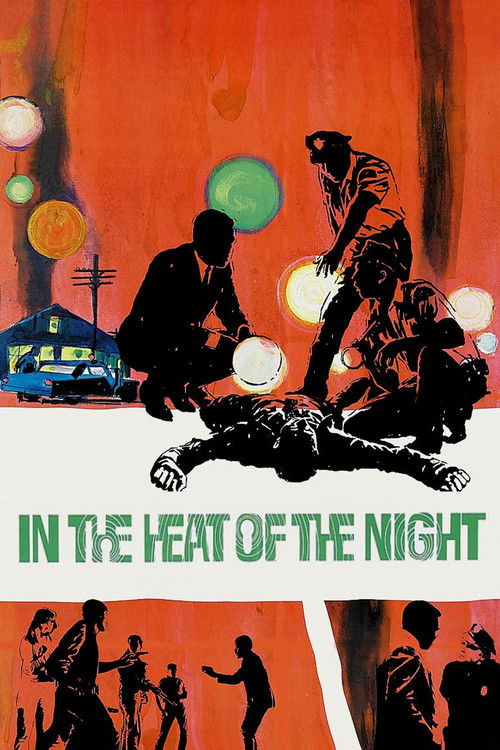
In the Heat of the Night1967
Poitier again, this time as a detective forced to work with a racist Southern cop. The tension is electric; it won the Oscar and holds up because the conflict is genuinely uncomfortable.
But It's a procedural mystery, not a romance; the focus is on confrontation and plot rather than interior feeling.
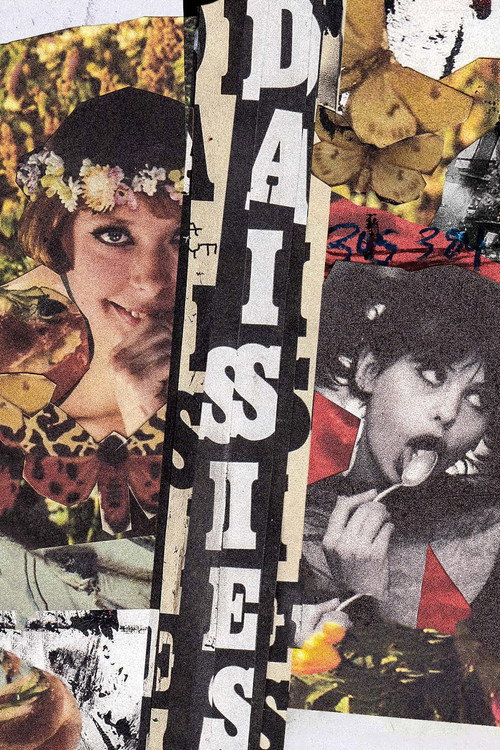
Daisies1966
Chytilová's kaleidoscopic Czech New Wave film about two girls in revolt against order and meaning. Formally wild, it shares Three-Day Pass's sense of time and constraint as oppression.
But It's aggressively avant-garde and nearly plotless; if you want emotional clarity, you'll find fractured images and anarchic energy instead.
Stalker1979
Both films treat a brief, bounded time—three days, one journey—as a container for metaphysics. Both understand that romance and longing are ways of asking what we're capable of becoming.
Tarkovsky's science-fiction meditation on desire and time. A guide takes two men into a forbidden zone toward a room that grants wishes. It has Three-Day Pass's ache—the sense that what we want most may destroy us, and that waiting is itself a kind of grace.
But It's 163 minutes of deliberate, philosophical cinema; there is no plot in any conventional sense. Impatience will destroy it for you.

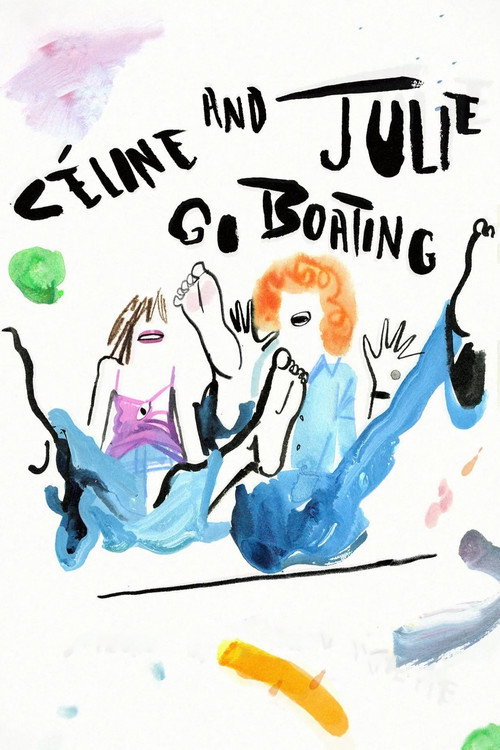
Céline and Julie Go Boating1974
Like Three-Day Pass, it's a love story structured around what cannot be held—but where Turner's romance is tragic and brief, Rivette's is anarchic and endless. Both ask: what if we remake time for each other?
Rivette's four-hour magical-realist love letter to cinema itself and to two women who fall in love through a mysterious house and its repeating narrative. Joyful, strange, endlessly inventive—it's about time, memory, and the stories we tell ourselves.
But It's four hours long, plotwise impenetrable, and its pleasures are completely anti-narrative. If you need a story that builds to a climax, do not start this.
People
Cast
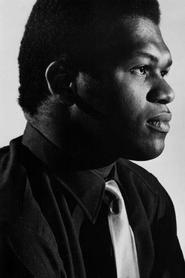 Harry BairdTurner
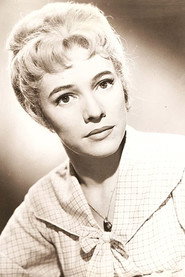 Nicole BergerMiriam Gervais
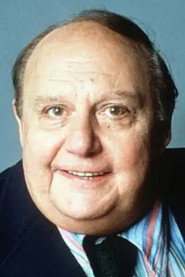 Pierre DorisPeasant
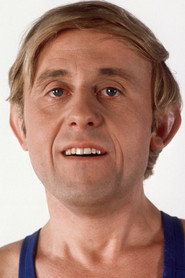 Christian Marinhotelman
- Hal BravThe Captain
- Tria FrenchMadame Abernathy
Directing
- Melvin Van PeeblesDirector
Writing
- Melvin Van PeeblesWriter
Production
- Gaston DohaExecutive Producer
- Guy BelfondProducer
Recommended by
La Bamba, Panorama, The Loves of Pharaoh, Murders in the Rue Morgue