
Film
The Loves of Pharaoh
A 1922 silent epic where a Pharaoh's passion for an Ethiopian princess threatens political alliances and his throne. Lubitsch's grand historical drama unfolds with the visual splendor of early cinema—towering sets, hundreds of extras, and Emil Jannings's magnificent overacting. It's pure spectacle married to genuine emotion: a film about power, desire, and the cost of choosing love over duty.
Should you watch it?
Watch it if you enjoy silent-era spectacle where lavish sets and grand gestures carry the emotion, and you don't mind a court intrigue played out in big, deliberate performances.
Skip it if you need dialogue and quick cutting to stay hooked, since this is 100 minutes of stately silent pacing with intertitles doing much of the talking.
What it asks of you: The rhythm is a century old: roughly 100 minutes of slow, formal staging, held looks and title cards, so patience counts for more than plot tracking.
Not sure? Find tonight's pick in a minute.
If you liked this
Intolerance: Love's Struggle Throughout the Ages1916
Griffith's four-timeline epic makes The Loves of Pharaoh look intimate by comparison. Equally ambitious with history and spectacle, but far more inventive in how it connects its stories across centuries. A genuine landmark.
But At nearly three and a half hours with slow pacing and dated racial attitudes woven throughout, it demands patience and historical context.

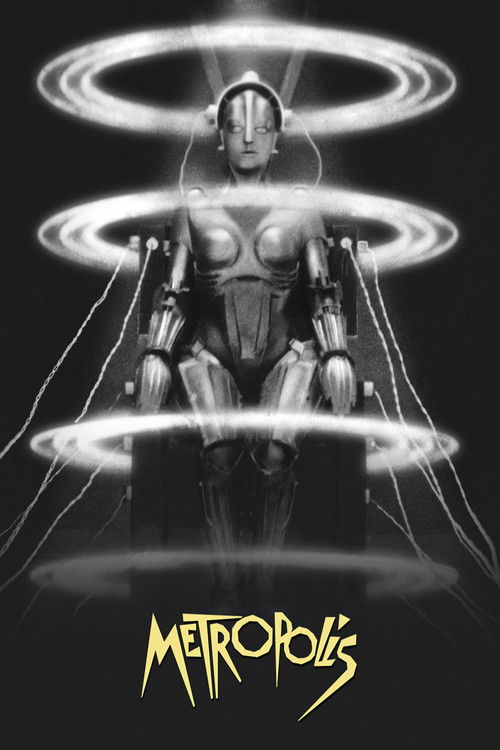
Metropolis1927
German Expressionism at its most visually stunning, with the same scale of production design and emotional melodrama. A futuristic epic where spectacle and human story intertwine just as powerfully.
But The restored versions vary wildly in completeness and quality. Some sequences feel repetitive, and the plot resolves with simplistic platitudes.
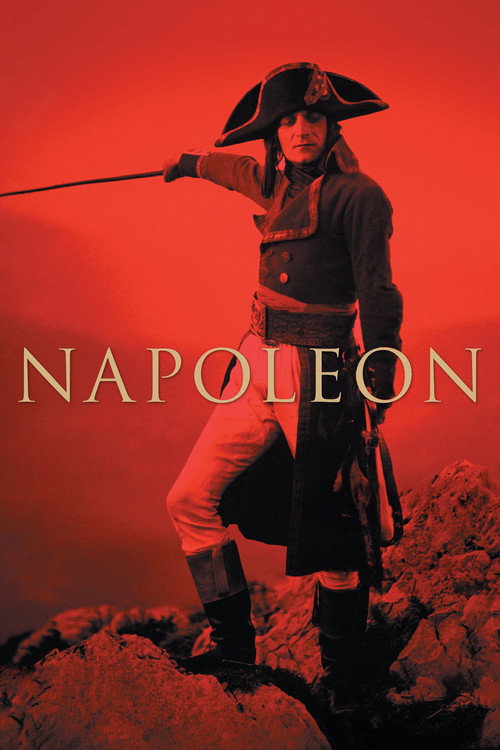
Napoleon1927
Abel Gance's five-hour French silent masterpiece about another autocrat torn between ambition and humanity. The filmmaking is more innovative and the scale even more audacious—this is what epic cinema looked like at its peak.
But The length is genuine. Finding a complete version is harder than it should be, and silent films at that duration test most viewers' commitment.
Not sure tonight? Get a pick in a minute, starting from The Loves of Pharaoh
The wildcard
Something you would not have found on your own.
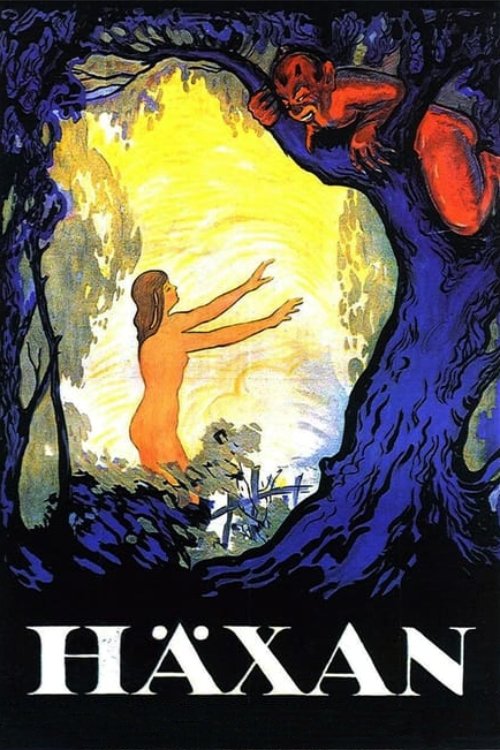
Häxan1922
Both are 1922 films that use spectacle and elaborate production to explore obsession and power, but Häxan weaponizes discomfort where Pharaoh seeks grandeur. One looks forward to modern cinema, the other backward to theatre.
Released the same year as Pharaoh, this Danish occult documentary-fable is nothing like a historical epic—it's avant-garde, unsettling, and visually unprecedented. Christensen combines witchcraft history, performance, and genuine visceral horror into something that feels from another planet. It's proof that 1922 cinema was far stranger and bolder than most people know.
But It's genuinely disturbing, occasionally graphic, and structurally weird. The blend of lecture and narrative and dream footage can feel disorienting rather than immersive.
More like this (7)
The Phantom Carriage1921
Sjöström's Swedish tragedy has the same emotional weight as Pharaoh's romantic conflict, wrapped in genuinely eerie supernatural horror. Proof that early cinema could break your heart.
But It's bleak and slow, and the supernatural elements are subtle rather than showy—you have to meet it halfway.

Nosferatu1922
Released the same year, this German horror film matches Pharaoh's visual sophistication while exploring completely different emotional terrain. A reminder that the silent era's power wasn't confined to historical epics.
But The pacing is glacial even by silent standards, and the plot is thin. Some find it more historically important than actually watchable.

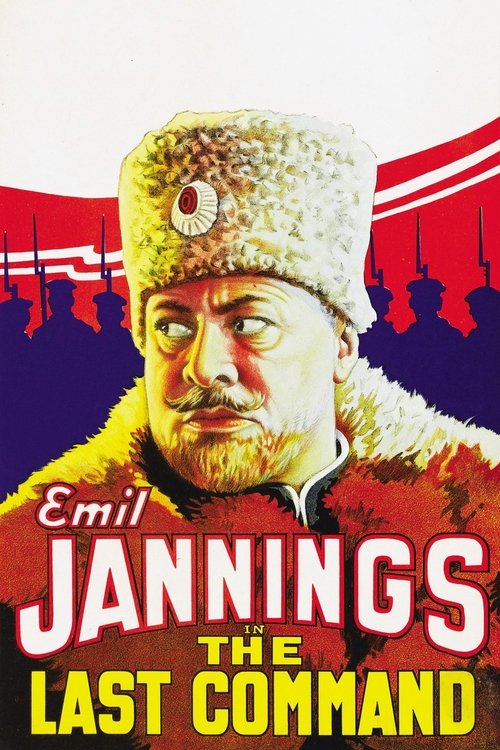
The Last Command1928
Emil Jannings again—the same actor who dominated Pharaoh—in Sternberg's tale of a Russian general's fall. Proof that great acting transcends the silent era. Jannings's face tells you everything.
But It's a character study rather than spectacle, and by 1928, sound was arriving. The film feels caught between eras.
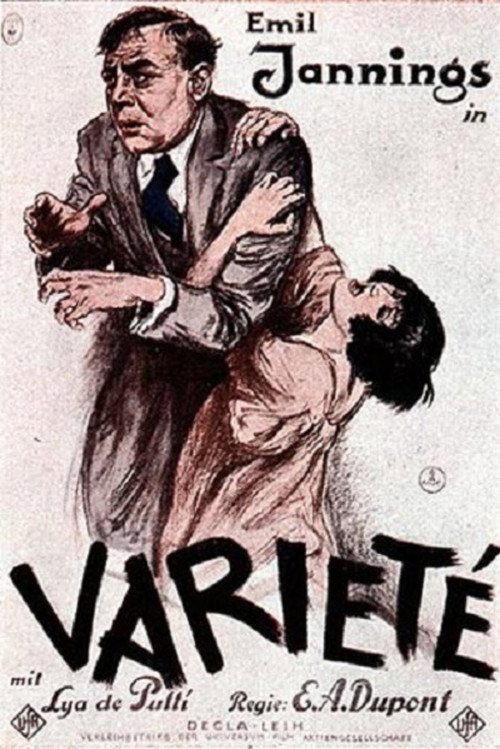
Variety1925
Another German production contemporary with Pharaoh, exploring desire and obsession in a circus setting. Murnau's camera movement was revolutionary; watching it feels like watching someone invent cinema.
But The melodrama borders on purple, and the circus world feels dated in ways that historical epics somehow avoid.
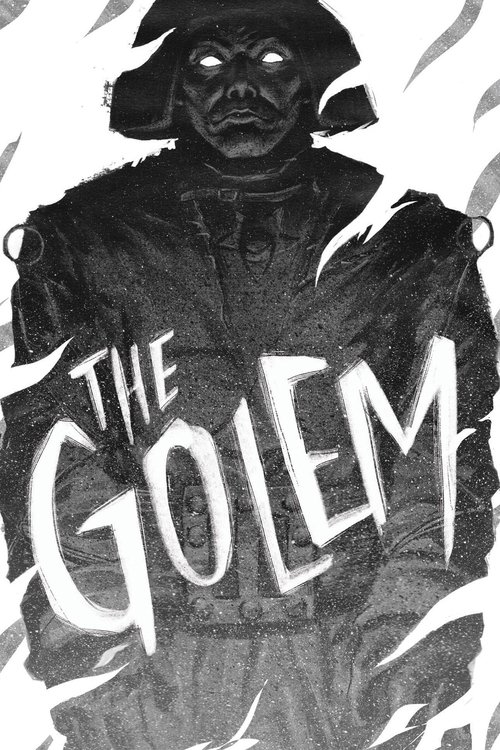
The Golem: How He Came into the World1920
A Prague-set fantasy with production design as intricate as Pharaoh's Egypt. Wegner appears here too—watching silent actors work is like watching master craftspeople at their trade.
But It's a genre film first and a character study second, which means the plot sometimes feels secondary to atmosphere and visual effect.
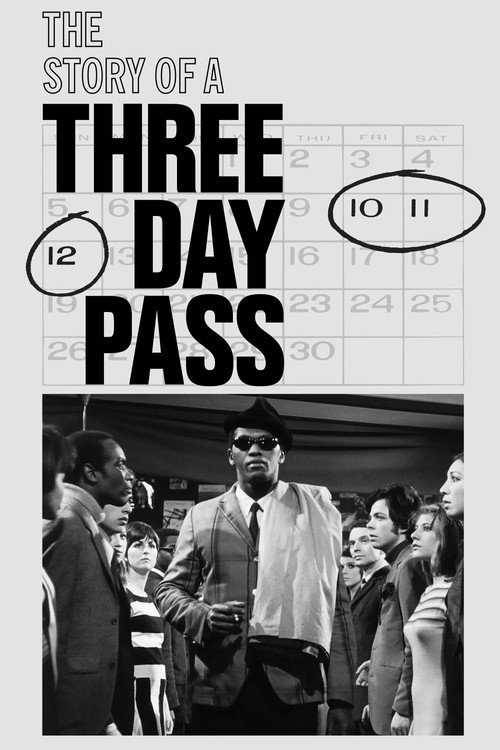
The Story of a Three-Day Pass1968
Both pit personal desire against systemic constraint. Pharaoh's Pharaoh must choose between throne and love; Van Peebles's soldier must navigate a world that denies him the right to love freely. Same architecture, different centuries.
Melvin Van Peebles's lyrical, jazzy drama about an American soldier's brief Paris romance. Where Pharaoh is all palace intrigue and divine authority, this is intimate, playful, and modern—but it's about the same thing: how love destabilizes power and control.
But It's a quiet character film about a Black GI in the 1960s, which means it touches on race and racism in ways that many viewers find uncomfortable. The pacing is unhurried.
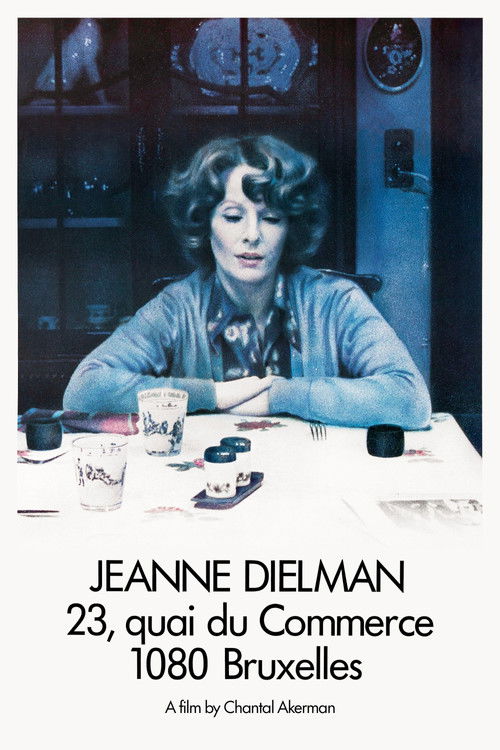
Jeanne Dielman, 23, quai du Commerce, 1080 Bruxelles1976
Both use their medium's constraints—silent film's formal austerity, Akerman's refusal of spectacle—to examine how power operates on the body. Pharaoh loses his empire for love; Jeanne Dielman's routine is her empire. Different languages entirely, same ethical weight.
Chantal Akerman's three-hour observation of a widow's daily routine sounds nothing like Pharaoh—no plot, no drama, no dialogue—but it's about power and control in domestic space the way Pharaoh is about power in politics. Patient, hypnotic, revolutionary.
But It is literally a woman making coffee, cleaning, and receiving clients. If you require narrative momentum or traditional drama, this will feel less like a film and more like punishment.
People
Cast
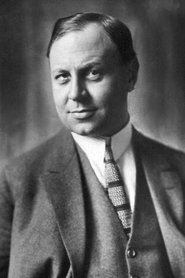 Emil JanningsPharao Amenes
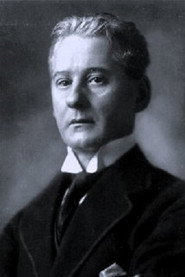 Paul BiensfeldtMenon
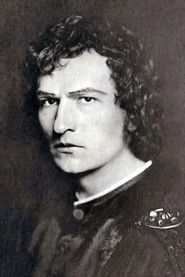 Friedrich KühneOberpriester
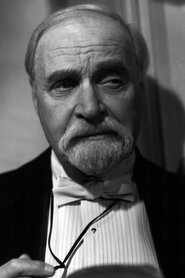 Albert BassermannSothis
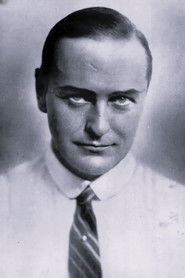 Harry LiedtkeRamphis
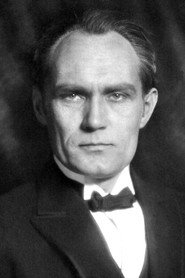
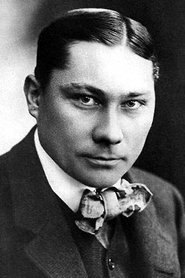 Paul WegenerSamlak
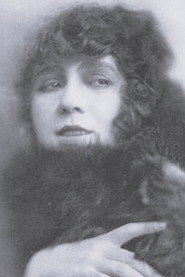 Lyda SalmonovaMakeda
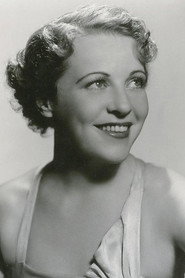
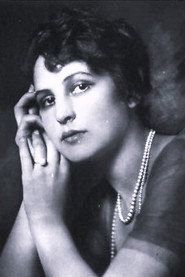 Dagny ServaesTheonis
Directing
- Ernst LubitschDirector
Writing
- Hanns KrälyWriter
- Norbert FalkWriter