
Film
Paris Calling
A 1941 wartime thriller about a Parisian woman who joins the underground resistance after Nazi occupation kills her mother. She teams with an American RAF pilot to steal state papers and escape. It's tense and propulsive, driven by moral urgency rather than spectacle—a film made while the war was still happening, for audiences living through it. For anyone interested in how cinema processed real-time history.
If you liked this
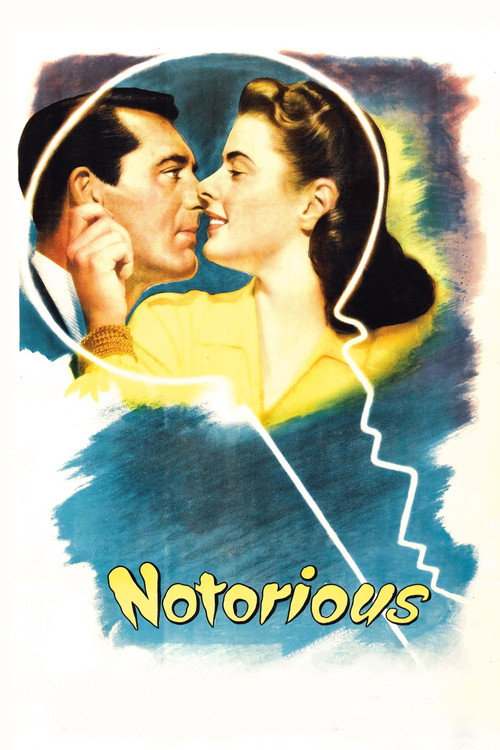
Notorious1946
Hitchcock's espionage masterpiece: a woman seduces a Nazi official to steal uranium secrets. It has the same wartime moral complexity as *Paris Calling*, but with psychological depth that makes the betrayal sting. Cary Grant and Ingrid Bergman are magnetic.
But The pacing is slower and more methodical than action-driven. If you want propulsive momentum over character study, you'll find it occasionally stops to breathe.
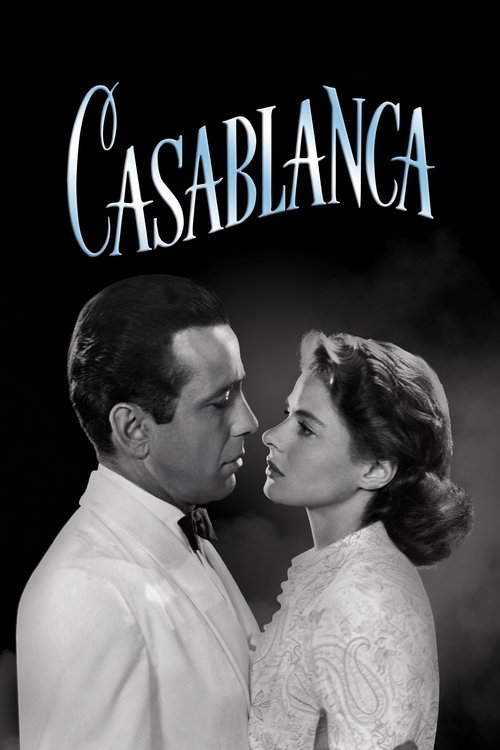
Casablanca1943
Another 1940s film about escape, resistance, and impossible choices in occupied Europe. Bogart and Bergman navigate the same moral fog—do you save yourself or the cause? It's iconic for good reason: perfectly structured, deeply felt.
But It's been seen a thousand times and quoted endlessly. Hard to experience it fresh now, and some of the supporting characters border on caricature.
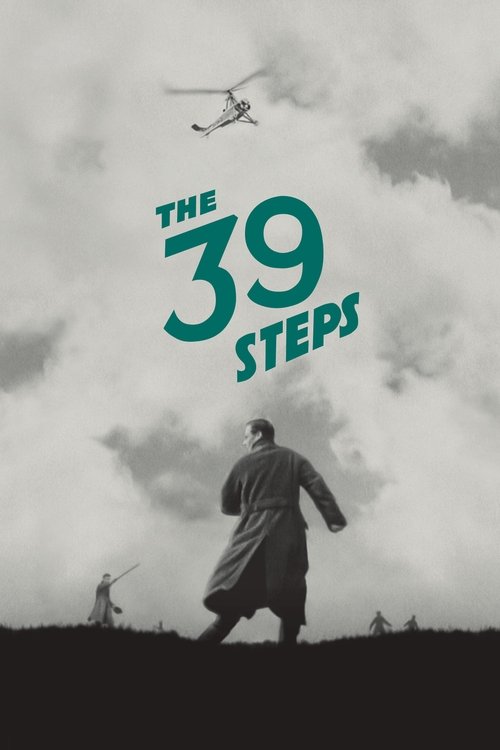
The 39 Steps1935
Hitchcock's prototype for the wronged-man-on-the-run thriller. Like *Paris Calling*, it's about ordinary people caught in espionage with nowhere to hide. Taut, clever, and deeply entertaining—the DNA of every spy thriller that followed.
But It's older and faster-cut in a way that can feel slightly dated. The romantic subplot is thinner than modern audiences expect.
Not sure tonight? Get a pick in a minute, starting from Paris Calling
The wildcard
Something you would not have found on your own.
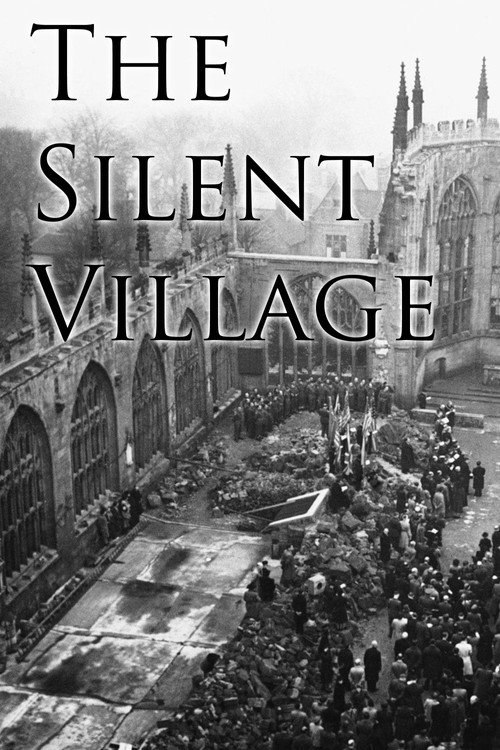
The Silent Village1943
Both are films made during active warfare about ordinary civilians under occupation, and both fuse documentary truth with dramatic urgency. But where *Paris Calling* is narrative thriller, this is collective witness—cinema as memorial.
Humphrey Jennings' documentary-drama about the Nazi massacre of Lidice, filmed in a Welsh village. It's not acted—it's a community restaging their own occupation to witness real atrocity. Devastatingly powerful and utterly unlike any other war film.
But It's experimental and formally strange, with no plot or character arc. Many will find it unbearably heavy, and its approach may feel exploitative to some.
More like this (7)
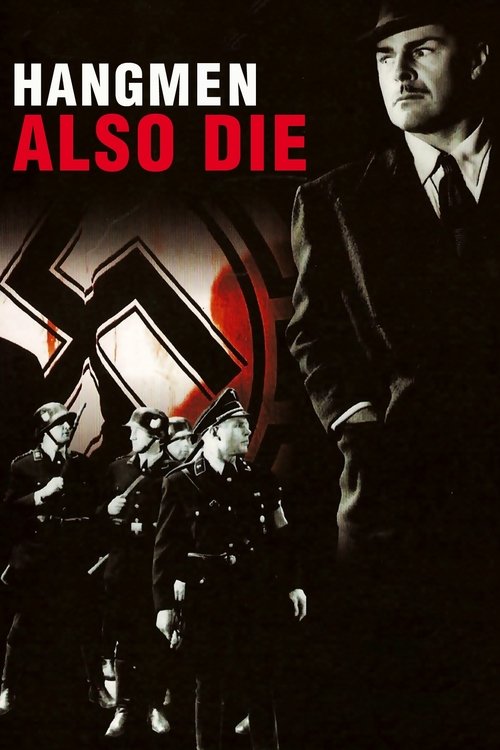
Hangmen Also Die!1943
Fritz Lang's intense Prague resistance drama: a man kills a Nazi official and has to evade capture while the Gestapo hunts him down. Raw and brutal in ways that feel disturbingly modern. Made during the war, for audiences who knew what was at stake.
But It's bleaker than *Paris Calling* and slower-paced. No heroic triumph here—just survival and moral compromise. Some may find it relentlessly grim.
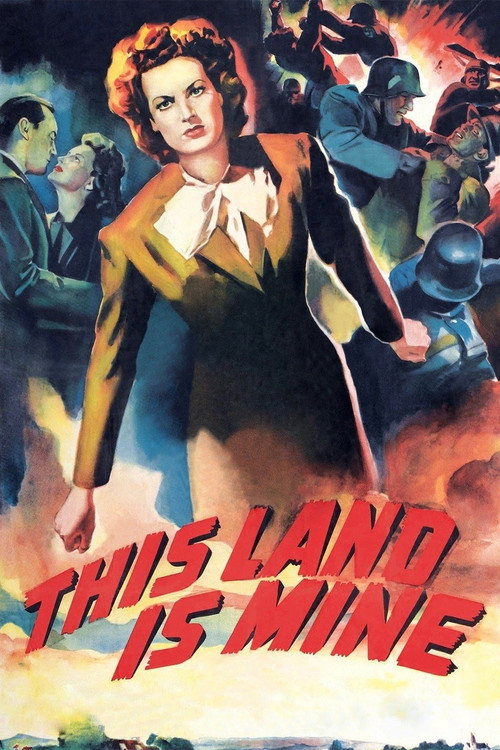
This Land Is Mine1943
Jean Renoir's occupied-France film, quieter and more politically nuanced than most. It's about ordinary people finding courage under Nazi rule, with Renoir's humanism intact. Gentle where *Paris Calling* is tense, but equally moving.
But It's philosophically minded rather than plot-driven. If you came for intrigue and escape, the meditative tone may feel slow.
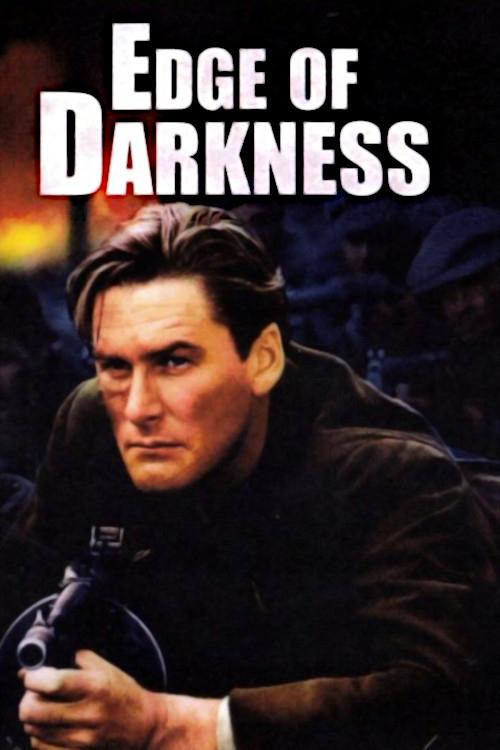
Edge of Darkness1943
A Norwegian village under Nazi occupation discovers weapons and joins the resistance. It has the same mix of ordinary people becoming extraordinary, with Errol Flynn in one of his few serious roles. Tense and surprisingly moving.
But The dialogue can be heavy-handed, and the noble-sacrifice narrative feels dated. Some scenes play more as wartime propaganda than drama.
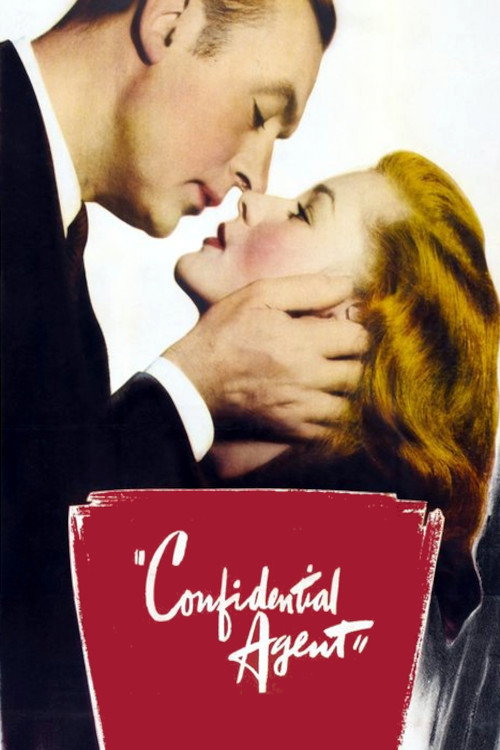
Confidential Agent1945
Charles Boyer as a Spanish Civil War refugee in Britain, hunted by fascist agents. It has the same paranoid espionage atmosphere and the same moral weight—staying alive means moral compromise. Based on a Graham Greene novel.
But Uneven pacing and a somewhat convoluted plot. The romantic subplot overshadows the political stakes at times.
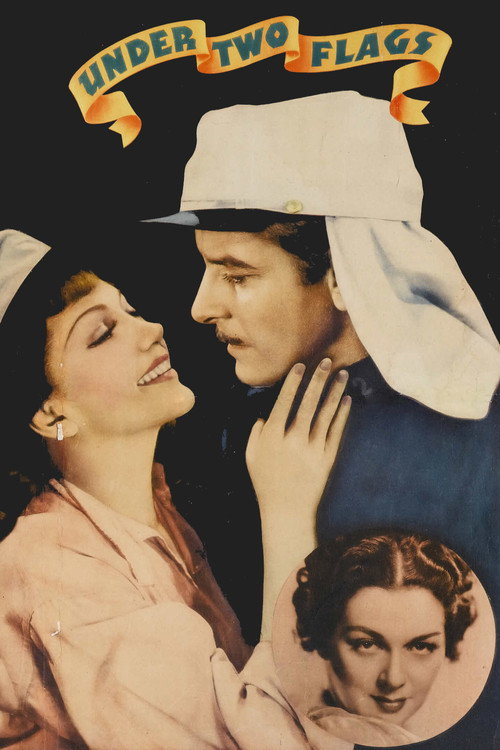
Under Two Flags1936
A wronged woman joins the Foreign Legion and finds herself in danger behind enemy lines. It shares *Paris Calling's* theme of women in wartime taking active roles and making impossible choices. Claudette Colbert and Ronald Colman are excellent.
But It's less grounded in real history, more romantic adventure. If you want urgent political stakes, this tilts toward escapism.
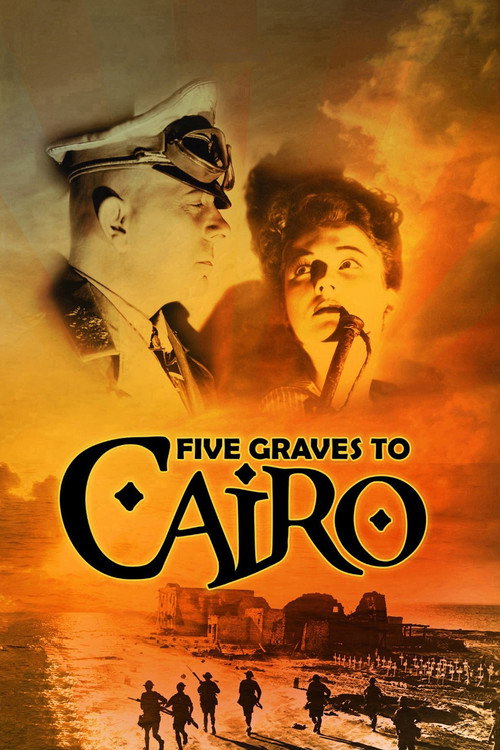
Five Graves to Cairo1943
Billy Wilder's thriller: an Allied soldier stranded in North Africa infiltrates Rommel's headquarters. It's wartime espionage with wit and tension, closer in tone to *Paris Calling* than you'd expect from Wilder.
But It's slightly uneven, and some plot mechanics feel contrived. The Erich von Stroheim scenes overshadow the protagonist at times.
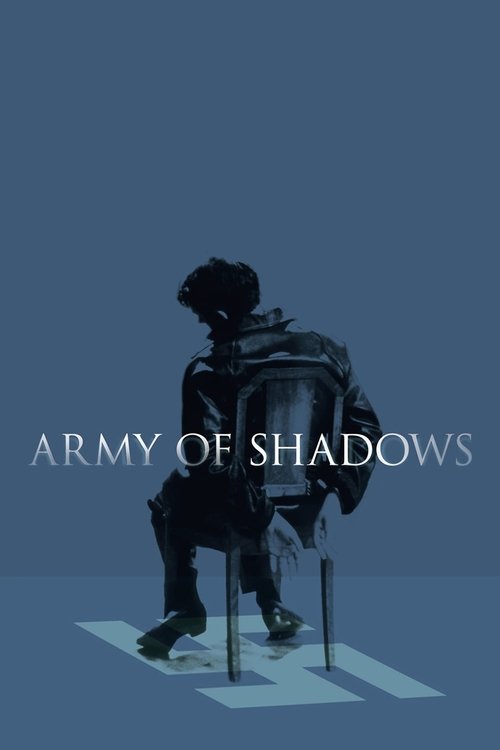
Army of Shadows1969
While *Paris Calling* was wartime propaganda, *Army of Shadows* is post-war reckoning. Both follow resistance fighters, but this one has seen what comes after and refuses sentiment. It's the spiritual companion to *Paris Calling*, not its heir.
Melville's definitive French resistance film, made after the war with crushing moral clarity. It's about the grinding, unglamorous work of underground cells and the betrayals that come with it. Austere, perfect, and in another language—this is what the real thing felt like.
But It's French-language with subtitles, filmed in grayscale, and deliberately anti-heroic. Some find Melville's cool distance cold rather than profound, and the pacing is deliberate.
People
Cast
 Elisabeth BergnerMarianne
 Randolph ScottNick
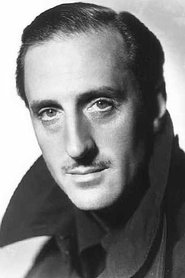 Basil RathboneBenoit
 Gale SondergaardColette
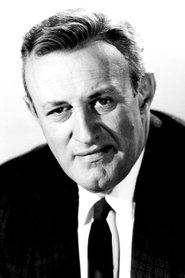 Lee J. CobbSchwabe
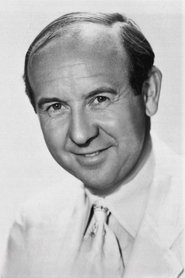 Charles ArntLantz
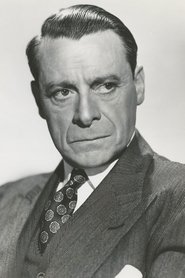 Eduardo CiannelliMouche
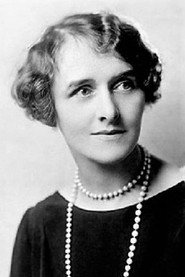 Elisabeth RisdonMadame Jennetier
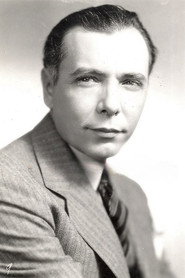 Georges RenaventButler
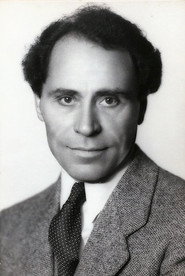 William EdmundsProfessor Marceau
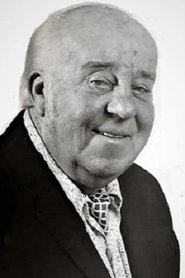 J. Pat O'MalleyMcAvoy
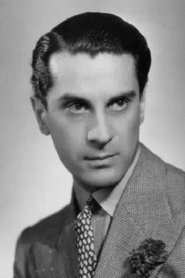 Georges MetaxaWaiter
Directing
- Edwin L. MarinDirector
Writing
- Benjamin GlazerScreenplay
- Charles KaufmanScreenplay
- Hans SzékelyStory
Production
- Benjamin GlazerProducer