
Film
Edge of Darkness
Other titles called Edge of Darkness: the 1985 series (BBC Two), the 2010 film.
A 1943 wartime drama set in occupied Norway, where a doctor's family fractures along ideological lines as resistance and collaboration tear their community apart. Errol Flynn leads a capable ensemble through a story that treats its moral complexities seriously, rarely resorting to propaganda. It's tense, adult cinema about ordinary people caught in extraordinary circumstances.
If you liked this
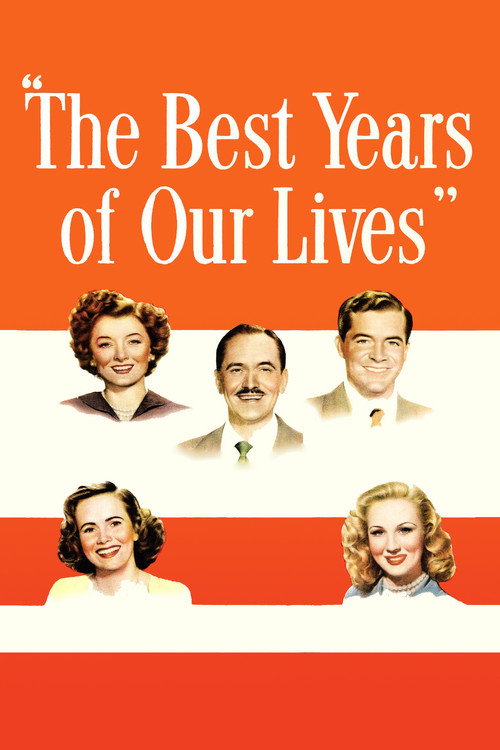
The Best Years of Our Lives1946
William Wyler's masterpiece about three soldiers readjusting to American life after WWII. It has the same seriousness about how war corrodes families and communities, and the same conviction that drama works better than speechifying.
But Three hours long, and its emotional power builds slowly. Some scenes feel deliberately paced in a way modern editing would quicken.
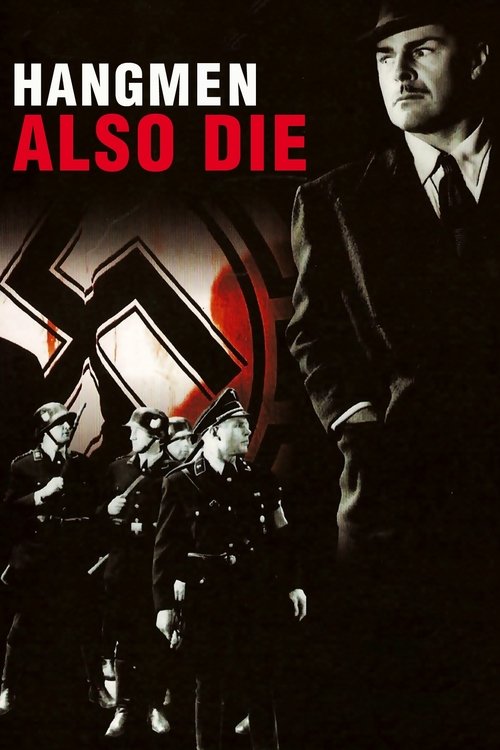
Hangmen Also Die!1943
Fritz Lang's tense thriller about Czech resistance assassinating a Nazi general. Made the same year as Edge of Darkness, it shares the conviction that occupied territories were sites of genuine moral struggle, not just waiting for liberation.
But The plot can feel overstuffed, and some of the underground cell dynamics get tangled. It's a thriller first, character study second.
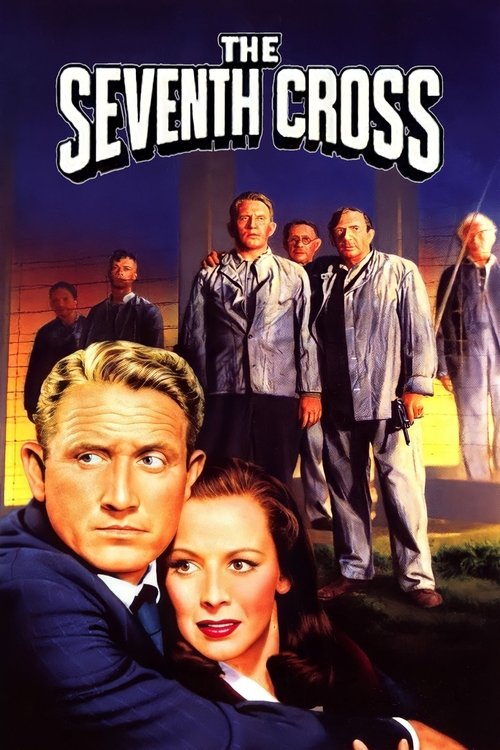
The Seventh Cross1944
Spencer Tracy escaping a Nazi concentration camp with help from ordinary Germans who hide him. Like Edge of Darkness, it refuses easy villains—some Germans are monsters, others are simply frightened people trying to do the right thing.
But Slower than its premise promises. The episodic structure—one safe house after another—can feel repetitive if you're expecting constant danger.
Not sure tonight? Get a pick in a minute, starting from Edge of Darkness
The wildcard
Something you would not have found on your own.
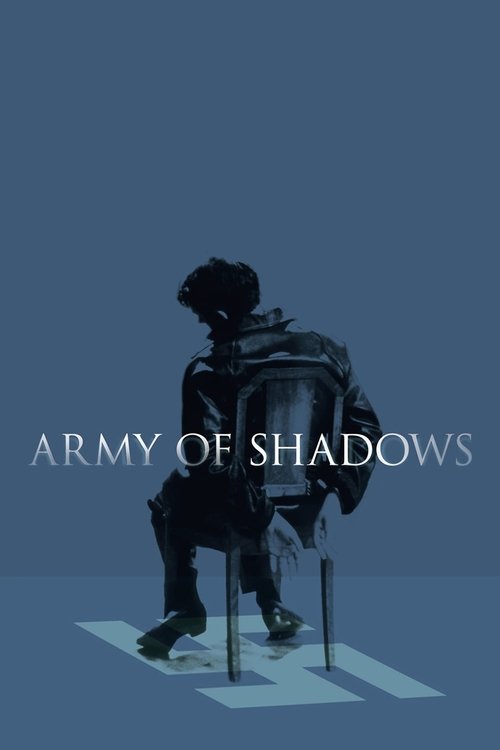
Army of Shadows1969
Both films refuse the heroic myth of resistance. Both show that occupied territories were moral wastelands where good people had to choose between terrible options, and that surviving with your conscience intact was itself a kind of victory.
Jean-Pierre Melville's slow, methodical masterpiece about French Resistance cells. It's the film that understands that real resistance work is unglamorous, repetitive, and morally murky in ways Hollywood barely touches—people betray each other, leaders make terrible choices, heroism looks like exhaustion.
But Shot in muted colors, paced like a funeral march, and almost entirely without music. It's austere to the point of being cold. If you want rousing, you're in the wrong place.
More like this (8)
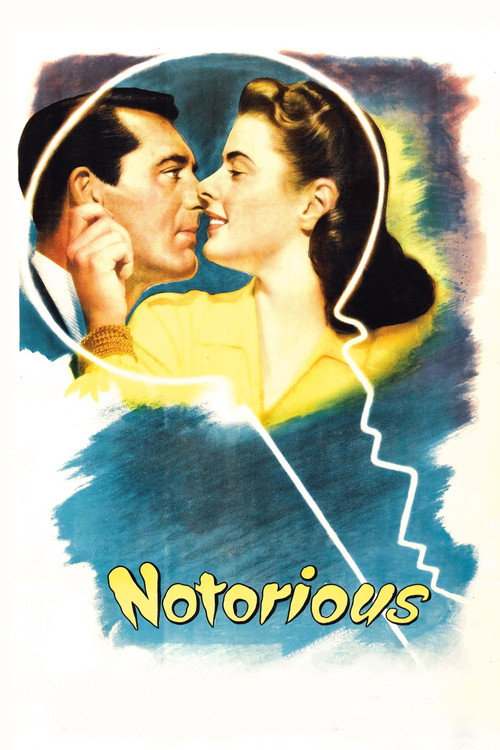
Notorious1946
Hitchcock's espionage drama set in post-war Rio, with Cary Grant and Ingrid Bergman navigating loyalty, love, and national interest. It has the same sophisticated moral ambiguity about what people owe their countries and each other.
But Bergman's character is manipulated by the men around her in ways that modern viewers find troubling. The romance doesn't feel equal.
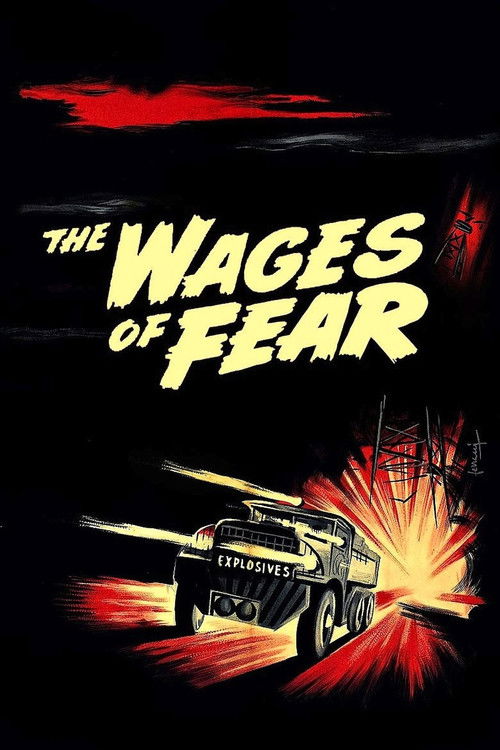
The Wages of Fear1953
Henri-Georges Clouzot's masterpiece about four desperate men transporting nitroglycerin through a South American jungle. Shares Edge of Darkness's interest in how extreme circumstances strip away pretense and reveal what people are actually made of.
But Subtitled, and the first half is deliberately slow. It's about mounting dread rather than action, which can feel like waiting for a film to start.
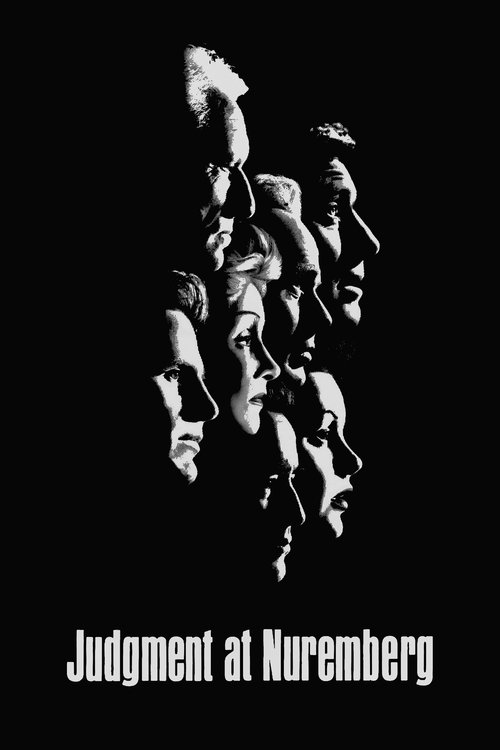
Judgment at Nuremberg1961
Stanley Kramer's long, serious courtroom drama about Nazi judges on trial. It grapples with the same question Edge of Darkness keeps asking: how much is a person responsible for the system they live under?
But Heavy on dialogue and argument. It's a legal procedural about atrocity, which means it can feel more like a civics lesson than a drama.
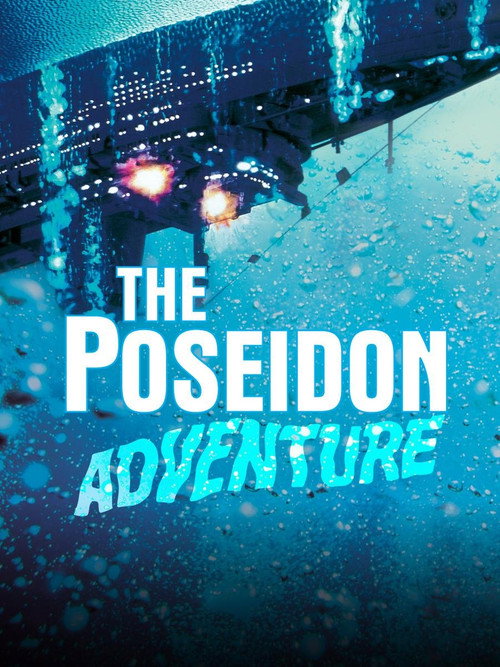
The Poseidon Adventure1972
A disaster film where ordinary people are forced to make impossible choices to survive. It has the same ensemble structure and the same interest in how crisis reveals character that you'll recognize from Edge of Darkness.
But Disaster films date quickly, and this one rides on spectacle. If you're watching for moral complexity, you'll find less here than you're looking for.
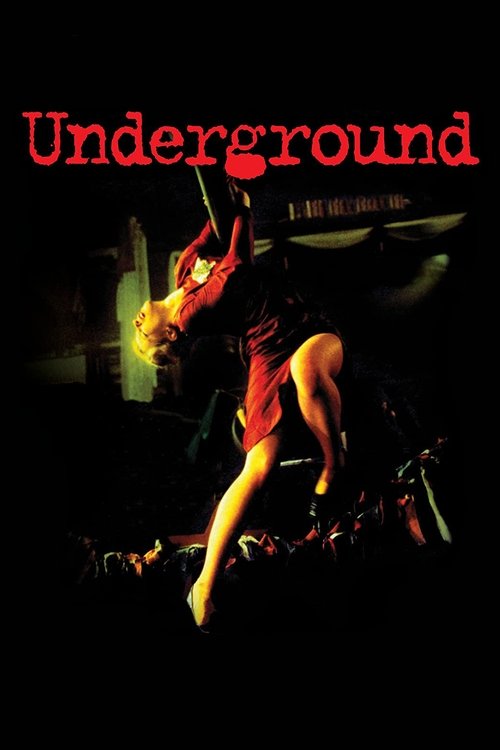
Underground1995
Emir Kusturica's wild, surreal film about Yugoslavian war profiteers and resistance fighters, shot during the actual Balkans conflict. It shares the refusal to separate resistance heroism from human chaos and moral compromise.
But Extremely long, deliberately chaotic, and shot in Kusturica's deliberately artificial style. It's aggressive about making you uncomfortable.
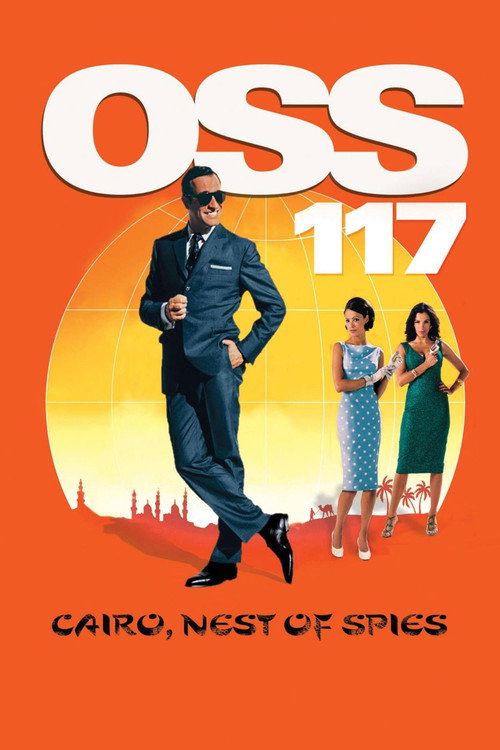
OSS 117: Cairo, Nest of Spies2006
Michel Hazanavicius's comedy homage to 1960s spy films, with Jean Dujardin as a clueless French agent. It shares an era with the postwar spy narratives that grew from WWII resistance stories.
But It's a parody that only works if you love the films it's parodying. Without affection for the source material, the jokes feel thin and the tone exhausting.
Come and See1985
Edge of Darkness shows you occupied territory from the inside; Come and See shows you the human cost of occupation from the ground level. One is political drama, the other is a descent into hell. Together they answer the question: what does this do to actual people?
Elem Klimov's devastating film about a Soviet boy conscripted into WWII, watching his country burn. It's the most honest film ever made about what war actually does to people. It will change how you understand the Second World War.
But It is extremely, almost unbearably brutal. Not graphically so, but spiritually—it shows you atrocity through the eyes of someone losing their humanity watching it happen. It's not entertainment. It's a wound.

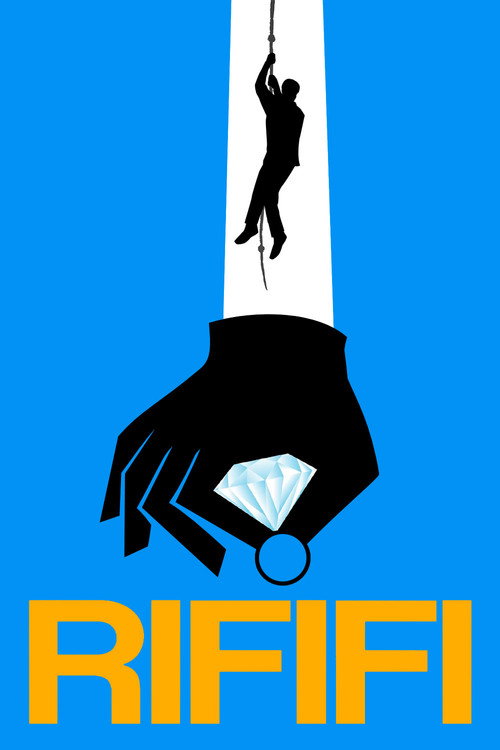
Rififi1955
Both films are about men working in cells under occupation—one by fascism, one by police. Both understand that competence under pressure is a form of dignity. Both are interested in craft: whether it's resistance or robbery, what matters is doing the job cleanly.
Jules Dassin's heist noir about a jewel robbery in Paris, featuring the famous twenty-minute silent heist sequence. It's purely a thriller, but it has the same lean, efficient style and the same interest in how ordinary men behave under pressure.
But It's a crime film with no moralizing—the thieves aren't heroes, just competent professionals. If you watch Edge of Darkness for the resistance mythology, this will feel like it's about the wrong people entirely.
People
Cast
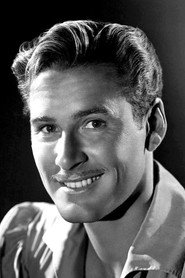 Errol FlynnGunnar Brogge
 Ann SheridanKaren Stensgard
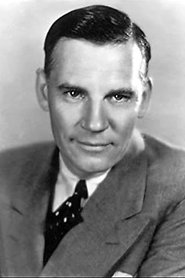 Walter HustonDr. Martin Stensgard
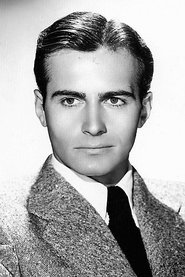 Helmut DantineCaptain Koenig
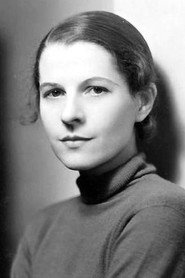 Ruth GordonAnna Stensgard
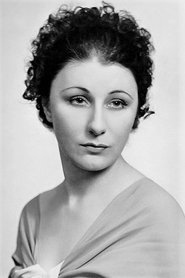 Judith AndersonGerd Bjarnesen
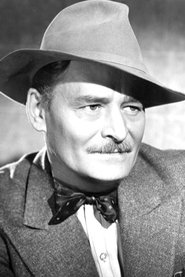 Roman BohnenLars Malken
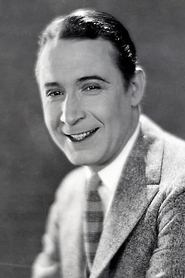 Monte BlueJens Petersen
 Virginia ChristineHulda (Stensgard maid)
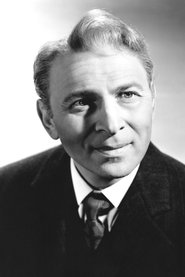 Morris CarnovskySixtus Andresen
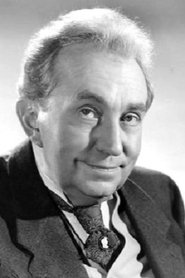 Charles DingleKaspar Torgerson
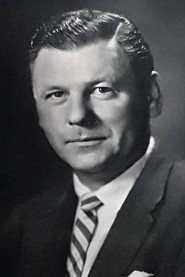 Richard FraserPastor Aalesen
Directing
- Lewis MilestoneDirector
Writing
- William WoodsNovel
- Robert RossenScreenplay
Production
- Jack L. WarnerExecutive Producer
- Henry BlankeProducer