Television series
Edge of Darkness
Other titles called Edge of Darkness: the 1943 film, the 2010 film.
A Yorkshire detective's investigation into his daughter's murder spirals into a labyrinth of nuclear industry conspiracies, environmental terrorism, and state corruption. This six-part 1985 BBC serial is genuinely unsettling—paranoid, beautifully shot, and willing to implicate everyone from politicians to security services. For anyone who wants their thriller slow-burn and their paranoia justified.
Should you watch it?
Watch it if you want a slow-building conspiracy told through a grieving father's stubborn, almost solitary legwork, and you're happy with paranoia that keeps widening rather than resolving neatly.
Skip it if you find slow, mournful pacing hard going, since the early hours dwell on loss before the conspiracy takes shape.
What it asks of you: Six hour-long episodes that take their time, with long silences, bleak Yorkshire settings, and a plot you have to hold in your head rather than simply follow.
Not sure? Find tonight's pick in a minute.
If you liked this
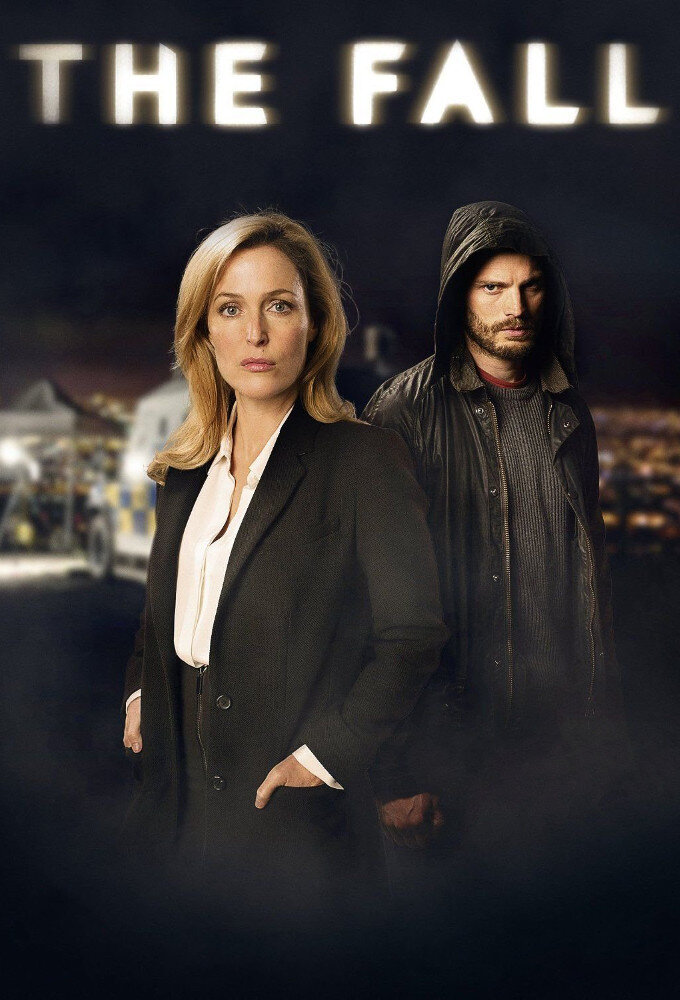
The Fall2013
Obsessive detective, layered investigation, a killer you understand but despise. Stella Gibson is relentless and wounded in ways that matter. Six hours that feel inevitable even when they shock you.
But The pacing is deliberate—this is a show about weight accumulating, not about speed. Some find the repetition maddening rather than hypnotic.
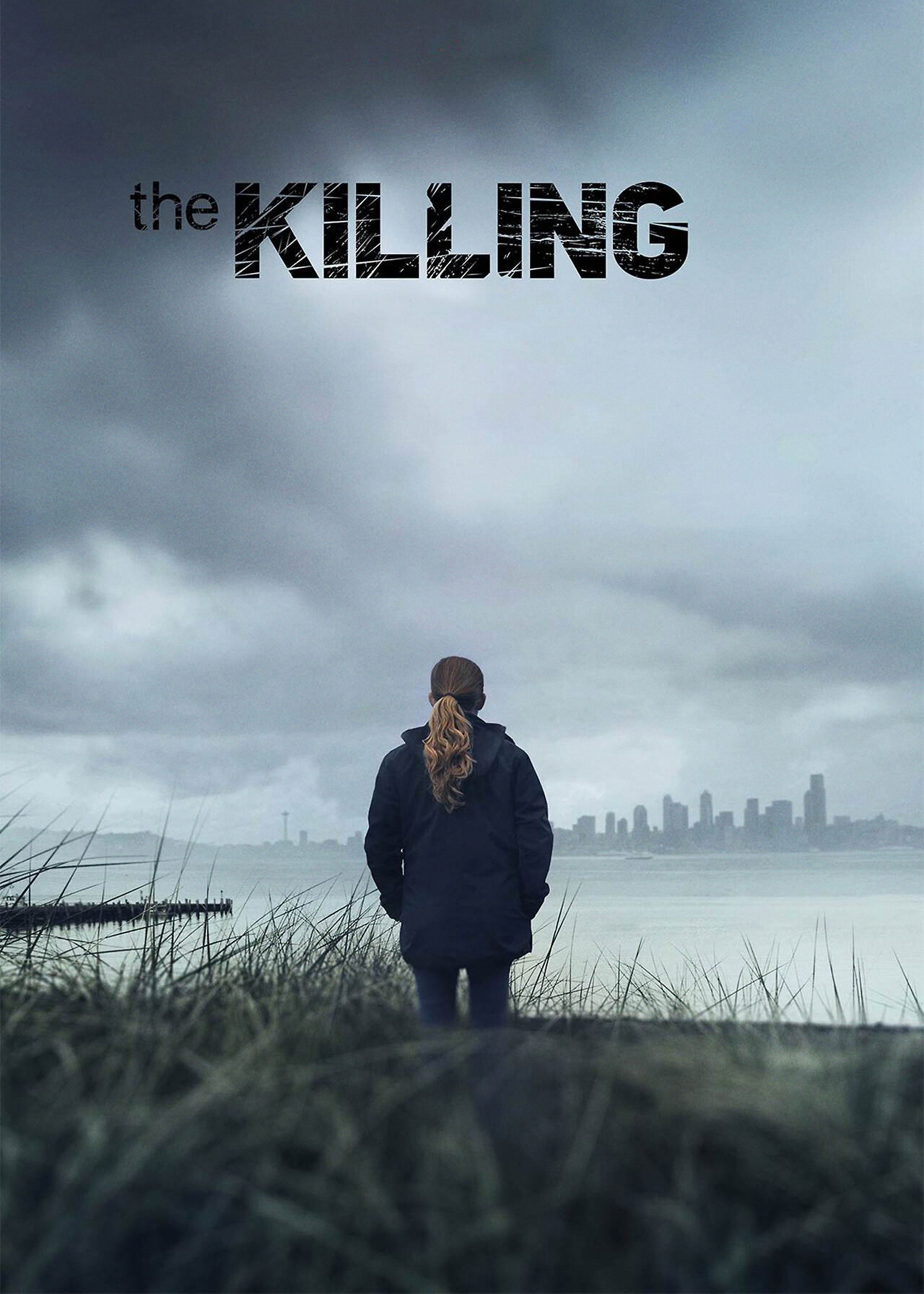
The Killing2011
Danish procedural that redefined the form. A single murder becomes an excavation of a city's rotten infrastructure. Sarah Lund's jumpers are iconic, but the writing about institutional failure is the real draw.
But Four seasons is a lot, and the answer to the central mystery won't satisfy everyone. The slow Danish pace isn't for people who need plot momentum.
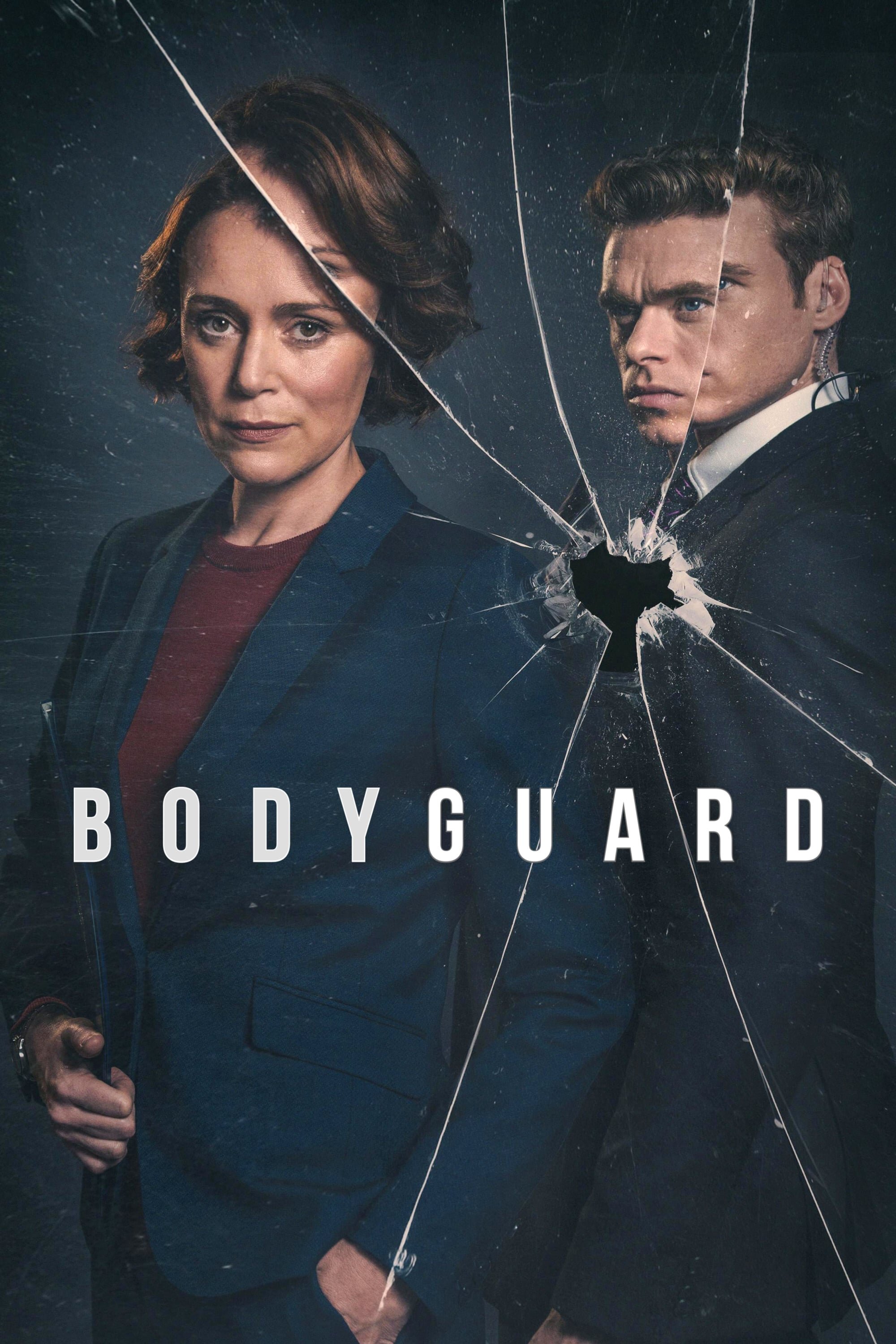
Bodyguard2018
Six tight episodes of escalating paranoia. A protection officer suspects his assignment is a setup; by episode three you're not sure who he can trust. This is what a conspiracy thriller tastes like when done right.
But The ending divides people sharply. Some find it earned; others feel it betrays the tension. The domestic side occasionally overwhelms the political thriller.
Not sure tonight? Get a pick in a minute, starting from Edge of Darkness
The wildcard
Something you would not have found on your own.
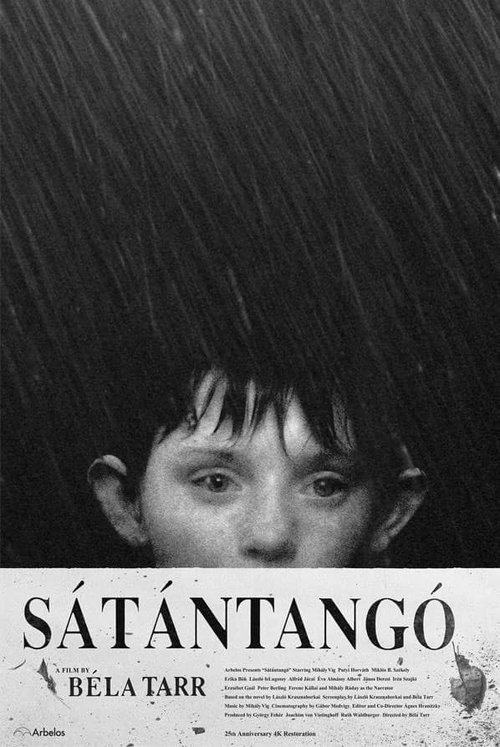
Satantango1994
Both construct paranoia through patient observation and geometric inevitability. Both suggest that the machinery is bigger than any one person and escape is illusion.
A seven-and-a-half-hour Hungarian film about a community trying to escape their circumstances on a bleak collective farm. A slow geometric spiral of paranoia, false redemption, and institutional failure. Same architecture as Edge of Darkness—concentric circles of deception closing in.
But It's in Hungarian, it moves at the pace of dread incarnate, and there are scenes that go nowhere. The rewards are profound but only if you surrender to the rhythm completely.
More like this (8)
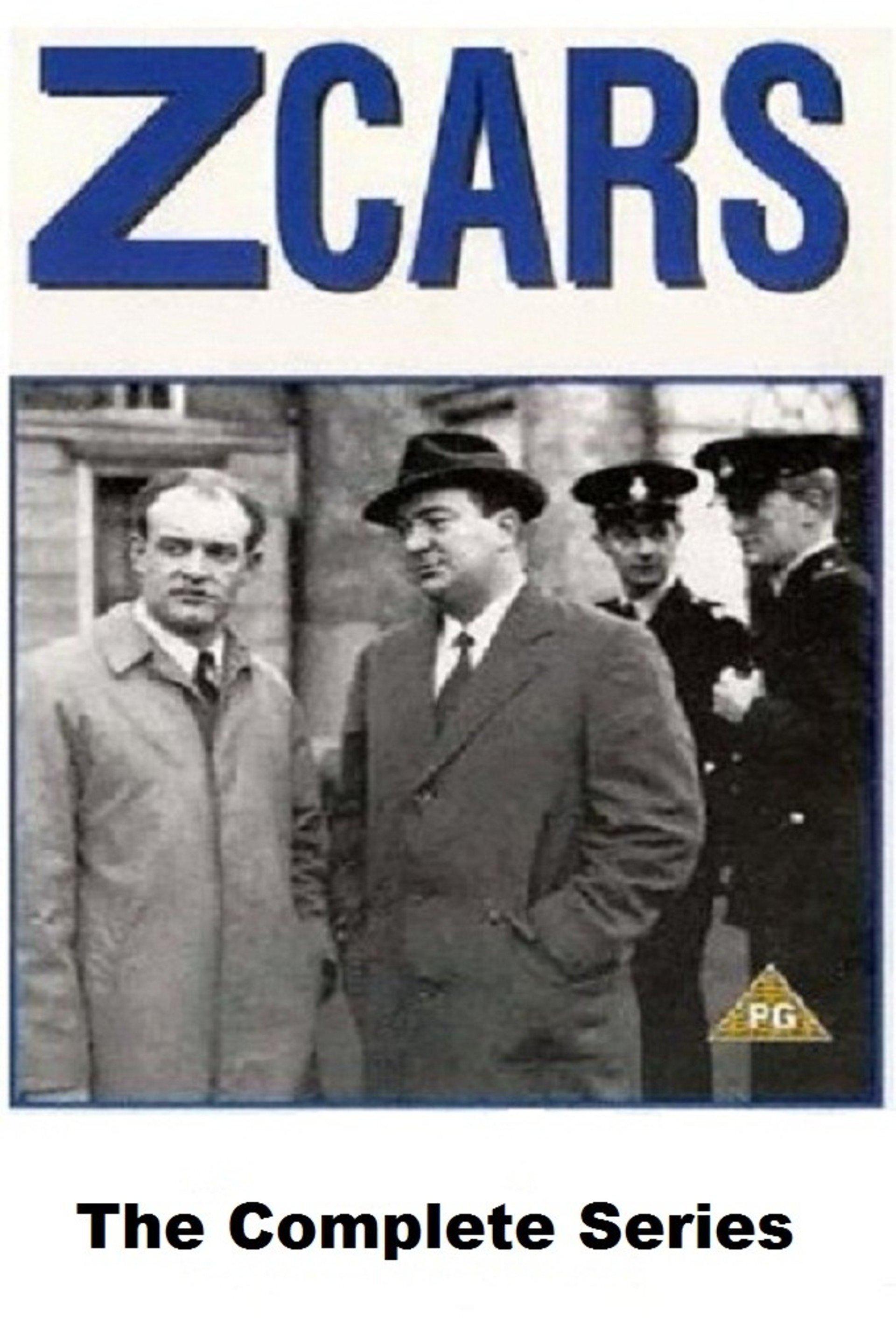
Z Cars1962
The show that created the template for police drama in Britain. It's where procedural storytelling learned to breathe. Rough, authentic, and you can see every later detective show standing on its shoulders.
But It's sixty years old and it shows. The pacing is glacial by modern standards. You're watching television archaeology as much as drama.
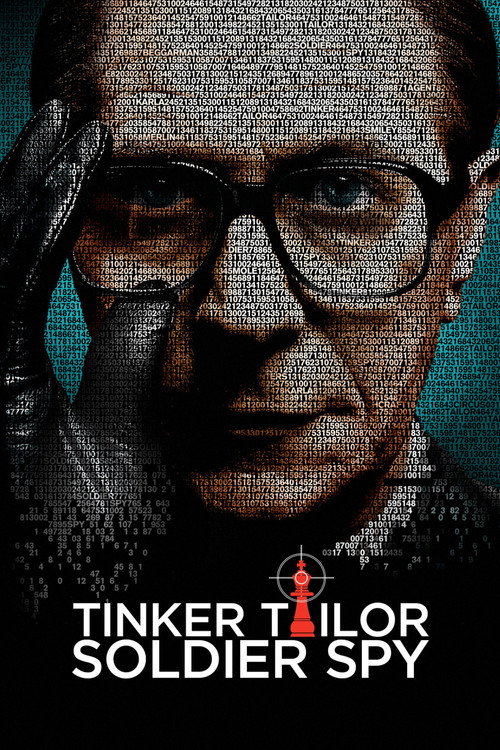
Tinker Tailor Soldier Spy2011
Le Carré's spy novel adapted by Tomas Alfredson with Gary Oldman as a man quietly dismantling institutional betrayal. Glacial, beautiful, and about the exhaustion of suspicion. Feels like Edge of Darkness' cousin.
But Plot is genuinely hard to follow if you blink. It's fifty years old but designed for viewers who want to lean in, not lean back.
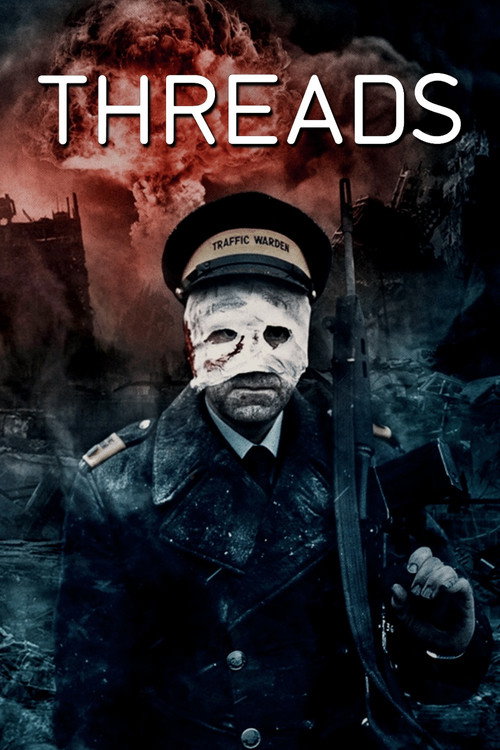
Threads1984
A Sheffield nuclear war drama that shares Edge of Darkness' paranoia about atomic power and institutional darkness. Utterly bleak, utterly real. Made the year before, same country, same dread about who's actually in control.
But This is a genuinely traumatic film. It does not comfort you or offer catharsis. Some people find it nihilistic rather than enlightening.
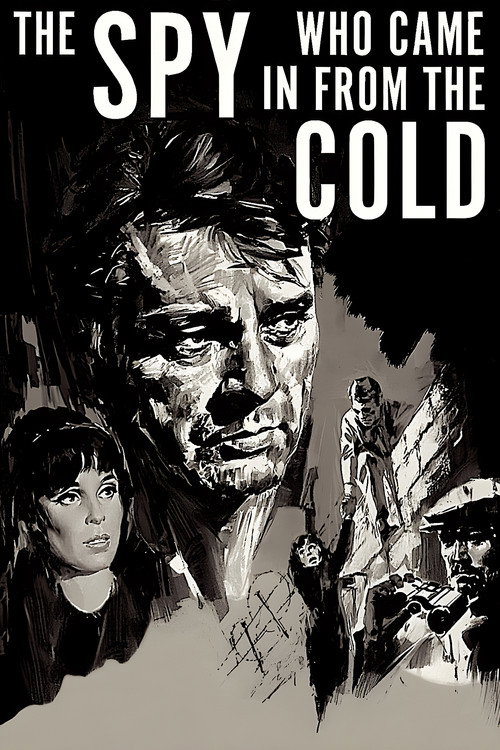
The Spy Who Came In from the Cold1965
Early le Carré adaptation starring Richard Burton in a world where spies aren't glamorous, they're exhausted and expendable. About institutional betrayal eating people alive. A spiritual sibling to Craven's dark journey.
But It's methodical to the point of feeling stuck. The 1960s Cold War spy film template feels dated. Some patience required.
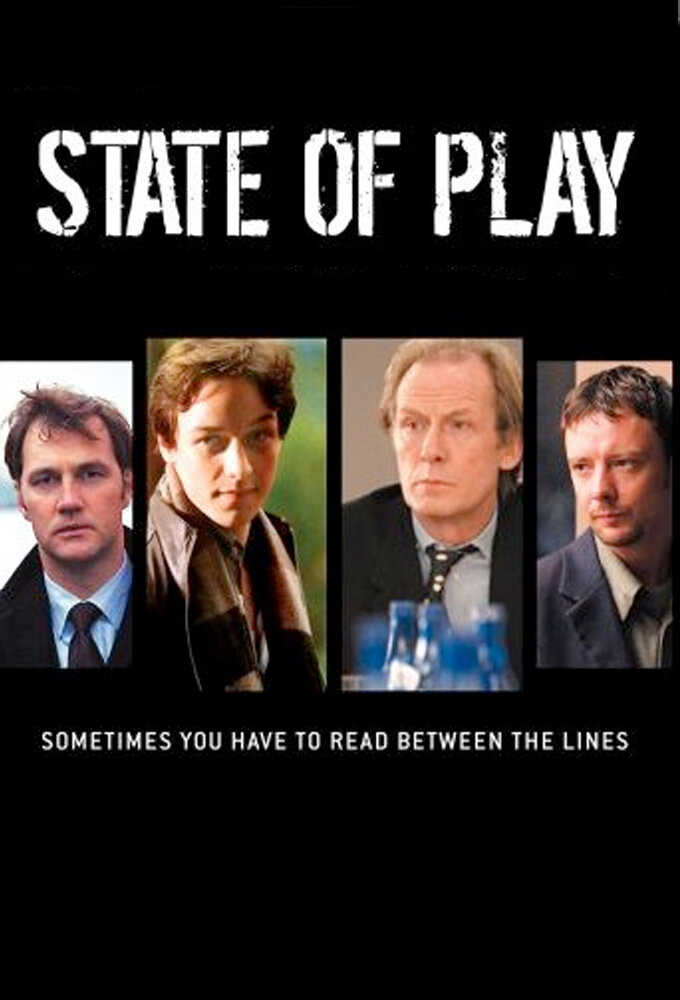
State of Play2003
A politician's apparent suicide triggers a conspiracy that pulls in journalists and police. British political thriller built on mistrust of institutions. Fast-moving where Edge of Darkness is slow, but the paranoia is kinfolk.
But The resolution feels a bit cleaner than the setup promised. Once you know the answer, rewatching loses some power.
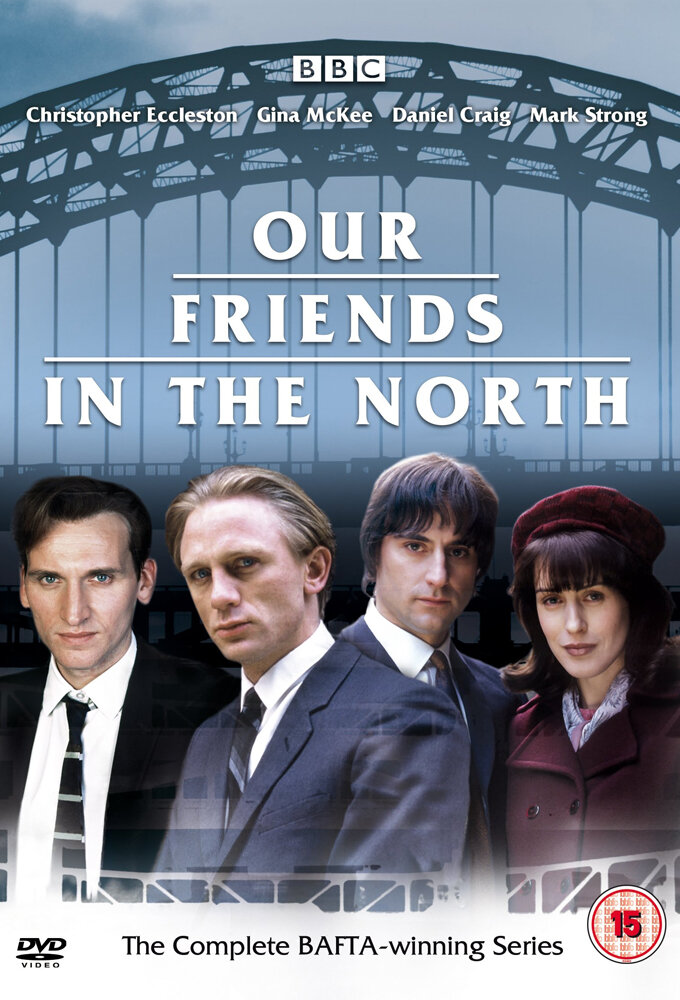
Our Friends in the North1996
Nine episodes following four friends through thirty years of British institutional corruption—politics, police, property, all of it rotten. Vast in scope, intimate in character. A meditation on how systems devour good people.
But It's long and demands memory across episodes. The tonal shifts between political thriller and character study can feel uneven. By the end you may feel battered rather than satisfied.
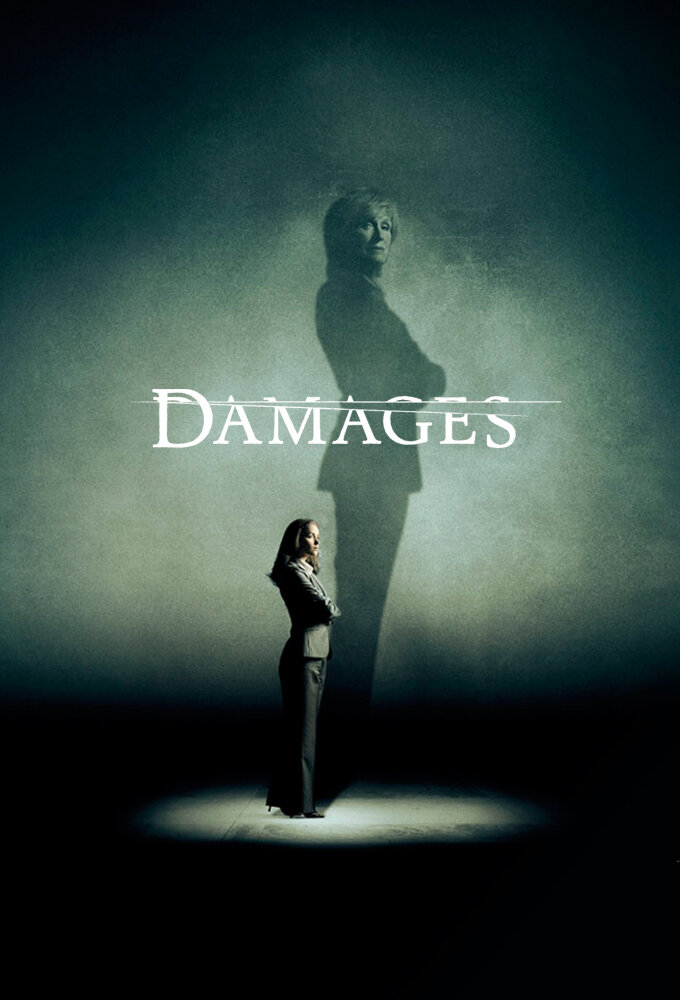
Damages2007
A lone obsessive pursuing the truth through institutional labyrinths. Both understand that answers don't heal, and that pursuing them transforms the pursuer into something dangerous.
A lawyer's investigation of corporate wrongdoing spirals through six seasons. Nonlinear, obsessive, genuinely paranoid. Glenn Close's Patty Hewes is as consumed by her quest as Craven is by his. Legally intricate where Edge of Darkness is political, but the texture of institutional rot is identical.
But The narrative complexity can feel like a puzzle box rather than a story. Some seasons work better than others. It ends before properly wrapping, which frustrates or fascinates depending on your mood.
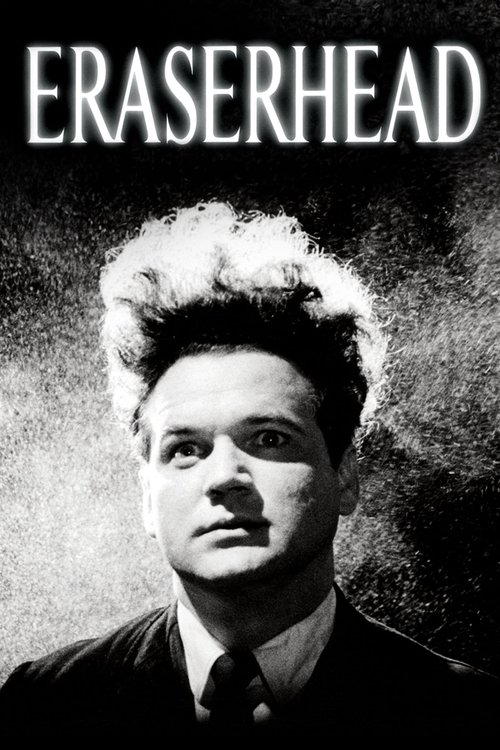
Eraserhead1977
Both use the aesthetics of paranoia—industrial spaces, institutional grey, the sense that normal life conceals something toxic—to create dread. Both understand that sometimes how a thing looks *is* what it means.
David Lynch's industrial nightmare about a man losing control of everything. Shot in black and white, barely ninety minutes, and utterly unsettling. A genre-bending experimental film that creates the same creeping dread as Edge of Darkness through pure atmosphere and production design rather than plot.
But It's abstract, surreal, and refuses to explain itself. No plot you can describe in a sentence. If you need things to make rational sense, this will enrage you rather than move you.