
Television series
G.B.H.
- Political drama
- Very dark
G.B.H. is a five-part political thriller from 1991 that sets an ambitious councillor on a collision course with an idealistic headmaster. Sharp, angry, and deeply engaged with power—how it corrupts, how it's weaponised, who it destroys. Essential viewing for anyone who thinks British drama means period costumes.
Should you watch it?
Watch it if you enjoy stories where public ambition and private conscience grind against each other, and you're happy to sit with moral argument rather than be handed a neat resolution.
Skip it if you want brisk plotting or a lighter mood, because this is a sober piece where the unease builds rather than releases.
What it asks of you: Seven episodes of slow, talky attention with little to half-watch; it rewards sitting down properly and does not hurry to explain itself.
Not sure? Find tonight's pick in a minute.
If you liked this
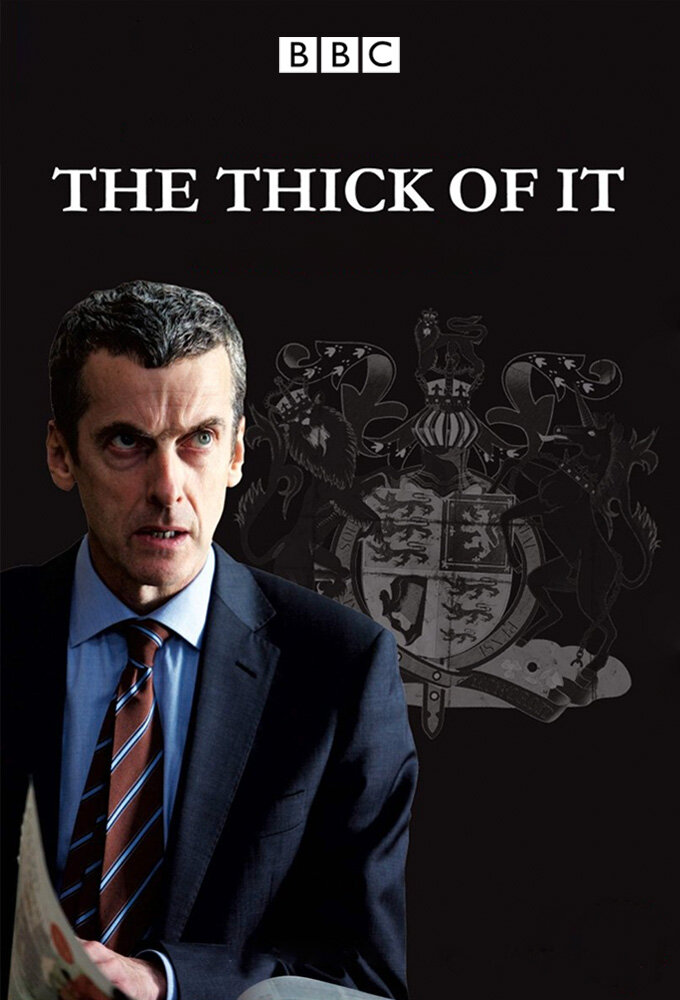
The Thick of It2005
Savage Westminster satire that makes politics feel visceral and immediate. The language is weaponised, the characters are vivid, and the machinery of power is laid bare with surgical precision.
But It's relentlessly bleak and the politics will feel dated within five years. Also genuinely difficult to understand at times if you're not paying full attention.
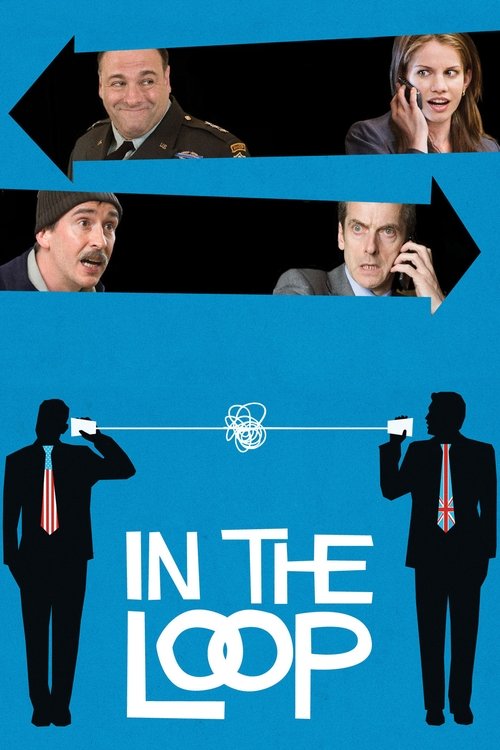
In the Loop2009
A political thriller-comedy that understands how institutions actually work: through contradiction, cowardice, and career self-interest. Utterly ruthless about every layer of government.
But The satire is so sharp and specific it can feel exhausting. Also assumes you know how politics works, or enjoy learning fast.
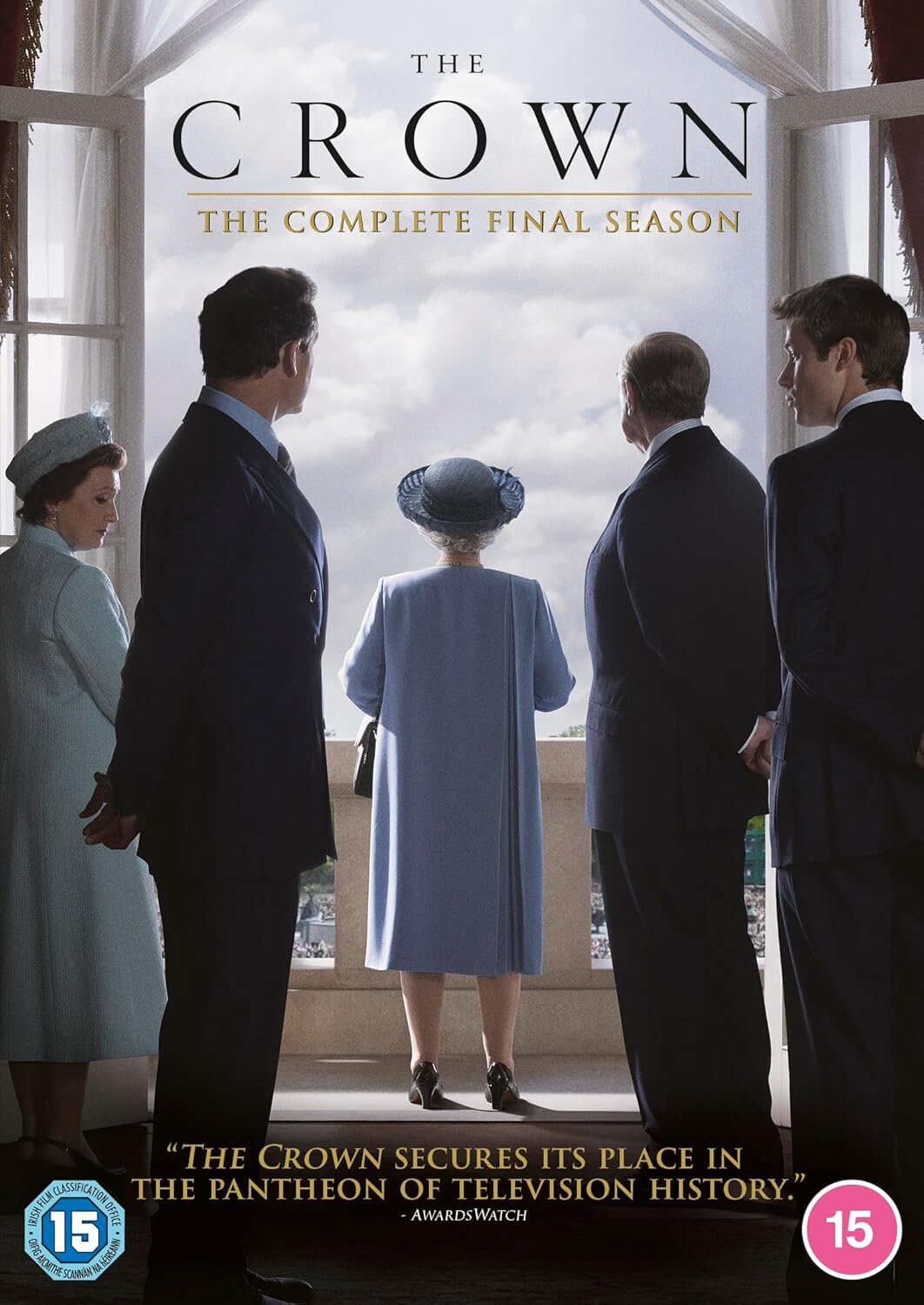
The Crown2016
Explores power in institutional spaces—the way protocol masks violence, the way ambition and principle collide. Deep political intrigue wrapped in formal precision.
But Takes itself very seriously. Some episodes drag. The later seasons become increasingly speculative in a way that feels less like drama and more like grievance.
Not sure tonight? Get a pick in a minute, starting from G.B.H.
The wildcard
Something you would not have found on your own.
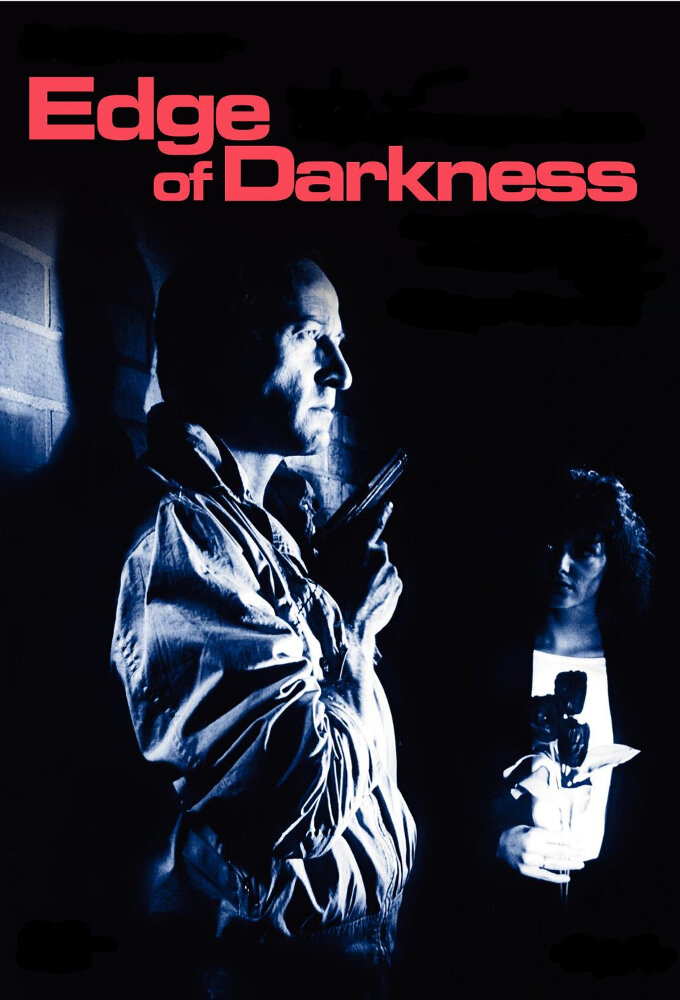
Edge of Darkness1985
Both are British dramas built on the collision between an individual and an institution—where idealism or principle meets implacable bureaucratic power, and both are destroyed in the process.
Panoply of corruption: a police detective investigating his daughter's death uncovers state secrets, corporate crime, and institutional conspiracy at every level. Political thriller as personal revenge tragedy.
But Shot on video in 1985, so technically rough by modern standards. Also British television of that era, which means slower and less immediately gripping than you might expect.
More like this (8)
Dead Ringers1988
Two men at the apex of their profession, brilliant and increasingly toxic to each other. The relationship deterioration is clinical and gripping—power, obsession, and the masks we wear.
But It's extremely dark and requires you to sit with genuinely nasty men. Also relies on knowing David Cronenberg's earlier work to get the full impact.
Our Friends in the North1996
Follows four friends across three decades as ideology, ambition, and reality tear them apart. Political corruption at local and national level, utterly credible and furious.
But Dense with plot and multiple storylines. Some pacing issues in the middle stretch. Very much a product of 90s British television aesthetics.
Threads1984
A nuclear war docudrama that uses institutional collapse to explore how societies disintegrate. Not entertainment, exactly—a weapon aimed at complacency. Devastating.
But It's relentlessly grim and contains some genuinely traumatic imagery. Also extremely slow, especially the second half. Not a film; a punishment.
The Killing2011
A crime series where the real focus is institutional failure, political pressure, and how systems protect the powerful. Each season is a self-contained moral interrogation.
But Slow to reveal. Some viewers find it ponderous. The early seasons are best; later ones lose focus. Subtitled (original Danish), which some see as work.
Spotlight2015
Journalists systematically dismantle institutional corruption in the Catholic Church. About how power protects itself and how steady, unglamorous work can penetrate it.
But Procedural and measured, sometimes to the point of flatness. No heroes, just professionals doing their job. Less cathartic than you'd hope.

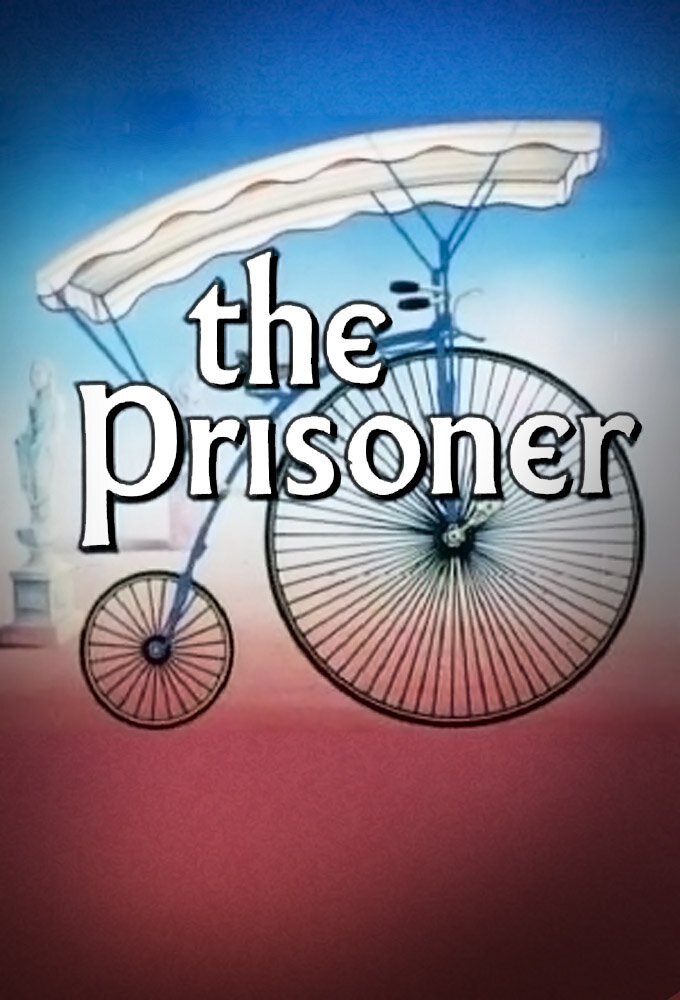
The Prisoner1967
A six-part psychological thriller about power, control, and institutional manipulation. A man stripped of identity and agency, interrogated by systems that never explain themselves. Visionary.
But Wildly of its era and sometimes impenetrably cryptic. The final episodes abandon narrative for abstraction. Requires patience and goodwill from the viewer.
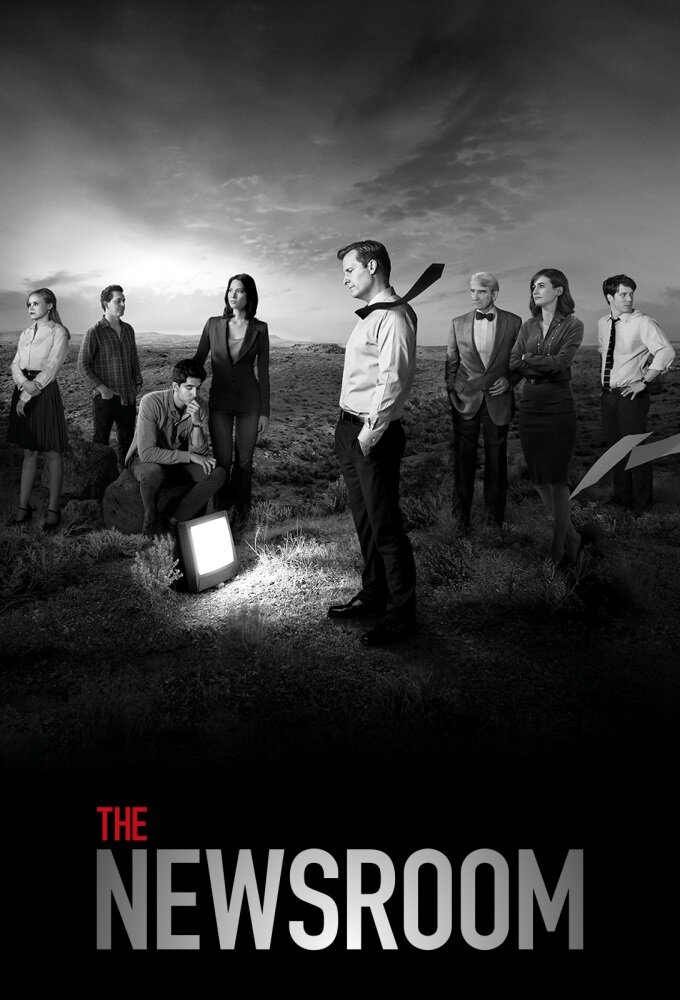
The Newsroom2012
Both examine institutions (a school, a newsroom) where idealistic people compete with careerists and political operators. Both ask: who pays the price for integrity?
A newsroom drama about institutional responsibility and the failure of journalism to hold power accountable. Everyone is brilliant and fundamentally compromised. Sharp dialogue, political fury underneath.
But Created by Aaron Sorkin, so wildly self-satisfied. The women are underwritten. It mistakes smugness for righteousness in ways that should infuriate you, and often does.
La Haine1995
Both are rooted in institutions that fail vulnerable people and the cost of that failure. Both locate politics in human consequences rather than ideological debate. Both are driven by genuine, justified rage.
French cinema about systemic racism, institutional violence, and the rage that follows exclusion. Shot in black-and-white with kinetic energy and moral clarity. A state education film that feels like a grenade.
But In French with subtitles. The politics are unambiguous in ways some viewers find preachy. Also quite short (95 minutes), which can make it feel more like a statement than a narrative. Angry rather than consoling.

Recommended by
Boys from the Blackstuff, Our Friends in the North, Boston Public