
Film
This Land Is Mine
A 1943 wartime drama where Charles Laughton's mild-mannered schoolteacher navigates the impossible moral thicket of Nazi occupation. Renoir's film asks how ordinary people find courage when survival demands compromise, set against a meticulously crafted European town. It's intimate and political at once—a character study wrapped in the machinery of war.
Should you watch it?
Watch it if you love quiet, character-driven wartime stories where the real drama is a timid man deciding how much he is willing to risk, told with sharp, unhurried craft from the 1940s.
Skip it if you want a war film with action and momentum; this one is talky, stagey in places, and moves at the pace of anxious conversation rather than battle.
What it asks of you: Roughly an hour and forty minutes of patient dialogue and rising tension, with a dark undertow of fear and occupation that rewards close attention more than it offers easy release.
Not sure? Find tonight's pick in a minute.
If you liked this
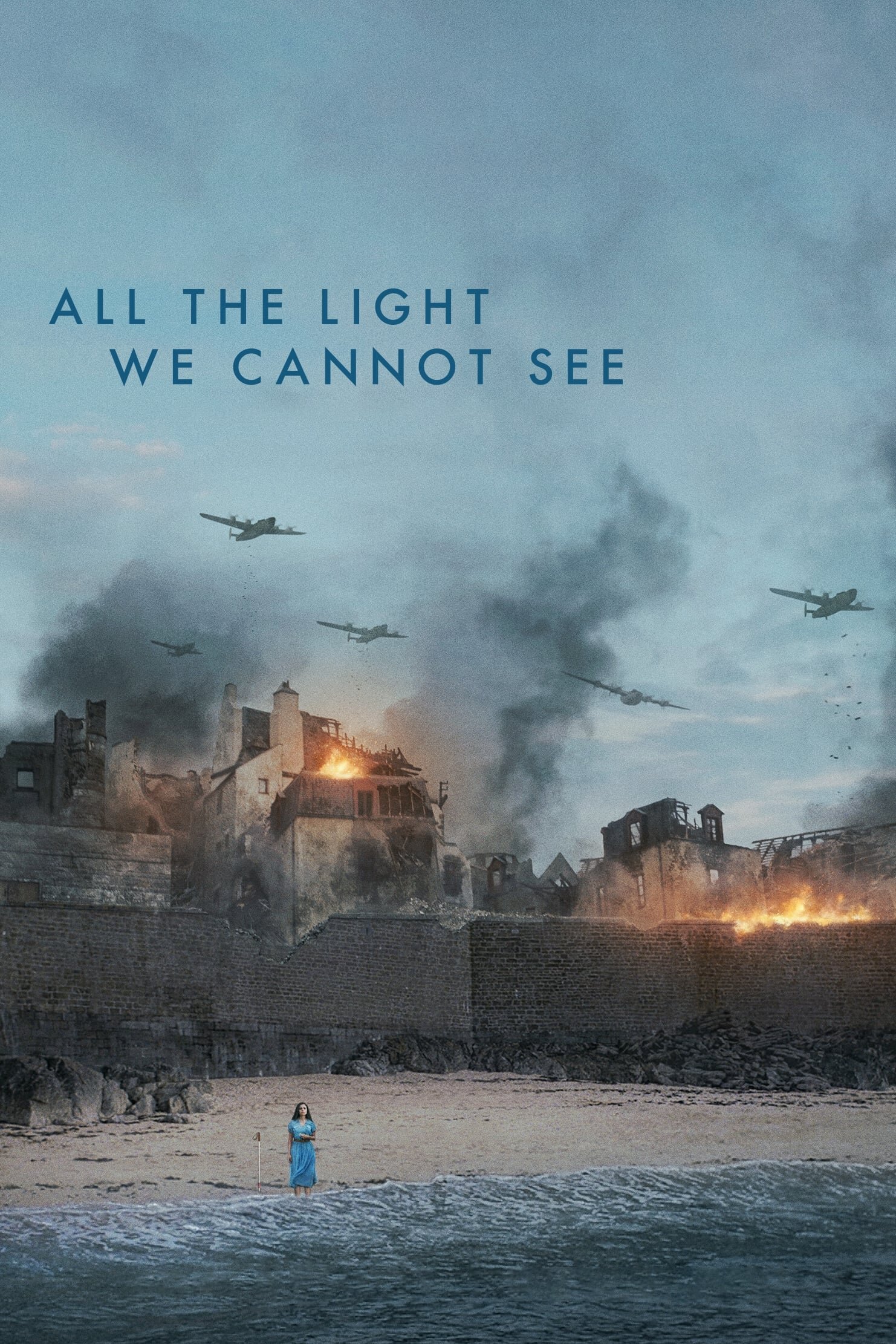
All the Light We Cannot See2023
A girl and a soldier's lives intersect across occupied France in this luminous adaptation. Like This Land Is Mine, it finds humanity and moral complexity on both sides of the occupation, refusing easy villains.
But Very long season with pacing that sometimes prioritizes beauty over momentum. The ending may feel quiet after such visual grandeur.
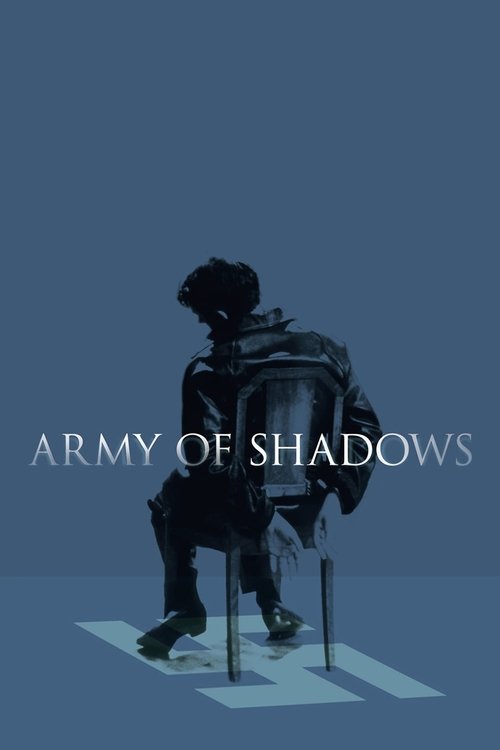
Army of Shadows1969
Melville's masterpiece about French Resistance fighters shows the grinding, unglamorous reality of underground work—the paranoia, betrayal, and impossible choices Laughton's character grapples with, but darker.
But Deliberately cold and unsentimental. If you want rousing heroism, this methodically dismantles it. French-language, subtitled.
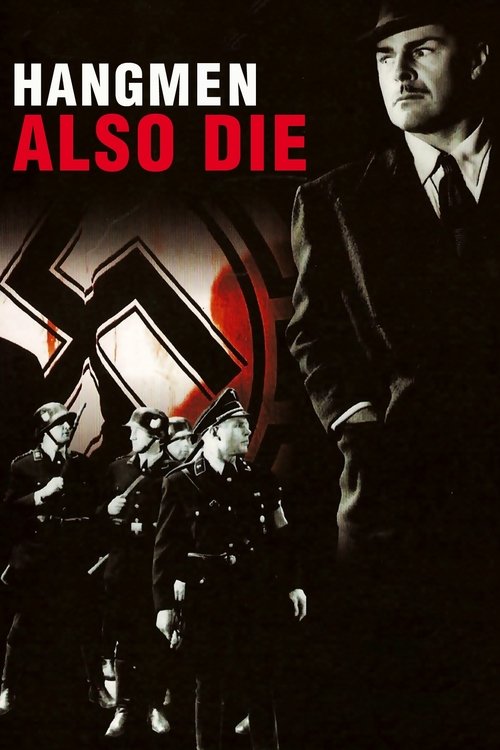
Hangmen Also Die!1943
Fritz Lang and Bertolt Brecht made this the same year, about a resistance fighter hunted in Prague. It has Renoir's moral ambiguity—no clean answers about who to trust or what collaboration means.
But Wartime propaganda influences its structure. Some plotting feels more mechanical than This Land Is Mine's psychological depth.
Not sure tonight? Get a pick in a minute, starting from This Land Is Mine
The wildcard
Something you would not have found on your own.
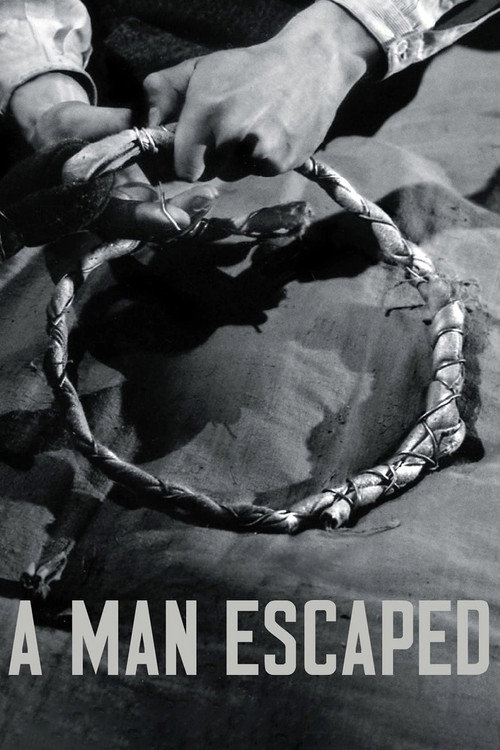
A Man Escaped1956
Both films understand courage as a private, interior act. Laughton's teacher and Bresson's prisoner are separated by genre but united by the idea that resistance begins in the conscience, not on the battlefield.
Bresson's austere masterpiece about a French prisoner planning escape from a Nazi fortress. It shares Renoir's belief that quiet, ordinary courage—and faith—matter more than heroic gestures.
But Bresson's style is deliberately flat and anti-dramatic. Long passages of technical detail, minimal music. It doesn't feel like entertainment.
More like this (7)
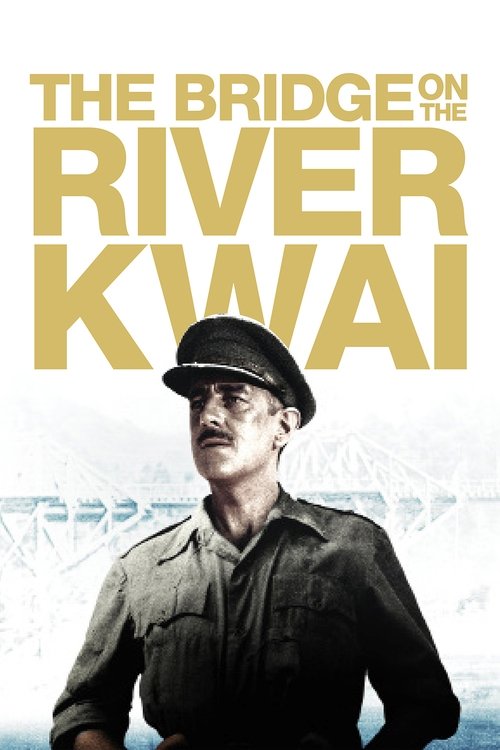
The Bridge on the River Kwai1957
A prisoner of war becomes entangled in a project for the Japanese occupiers, wrestling with duty, honour, and complicity. It's about a man unmade by impossible choices, like Laughton's teacher.
But Slower than its reputation suggests. The engineering detail, though historically interesting, can feel like filler between moral crises.
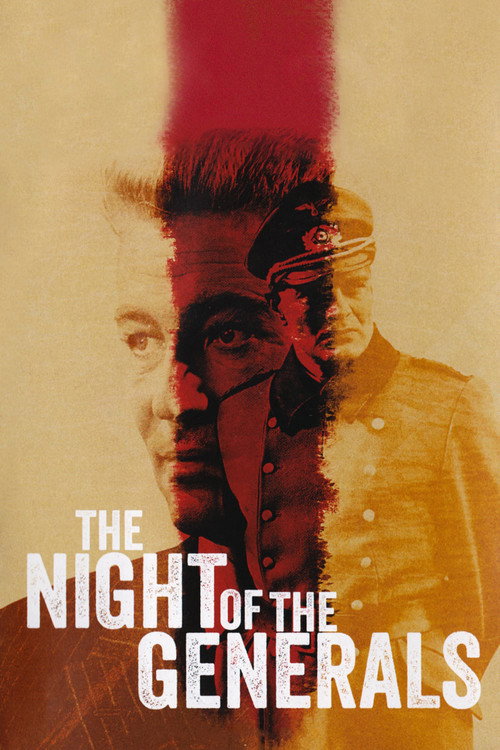
The Night of the Generals1967
A Nazi officer investigates a crime that may implicate his superiors, forcing a reckoning with loyalty and conscience within the occupation machinery itself. Character-driven moral puzzle.
But Convoluted plotting across three time periods. Some viewers find it frustratingly byzantine; clarity takes a back seat to complexity.
Black Book2006
Verhoeven's Dutch Resistance thriller is visceral and sexual and angry about occupation in ways Renoir wasn't, but shares his refusal to let anyone be purely good or evil.
But Extremely graphic violence and sexual content. The tone jolts between arthouse and exploitation, which some find jarring.

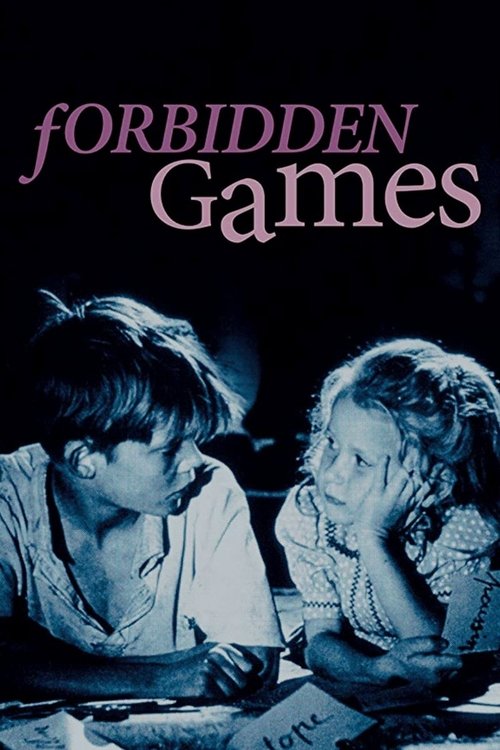
Forbidden Games1952
A child and boy process the occupation through ritual and play, oblique and poetic. It's about how ordinary people—especially the powerless—cope with extraordinary circumstances.
But Moves at a children's pace, which tests adult patience. Some find its obliqueness precious rather than moving.
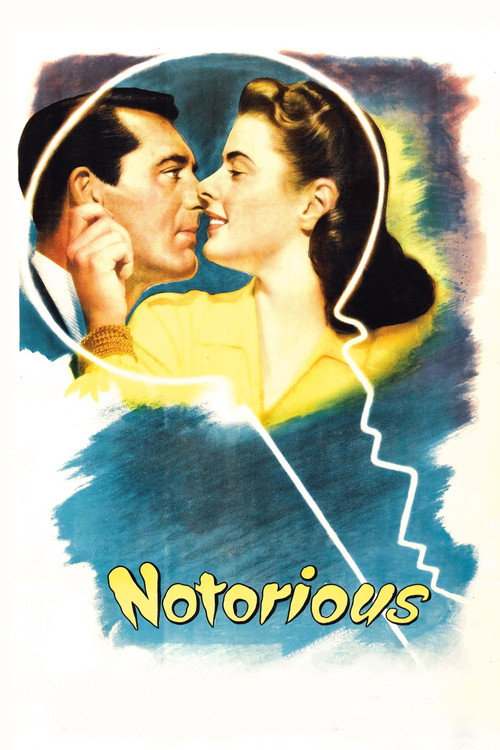
Notorious1946
Hitchcock's spy thriller about an American woman sent to seduce a Nazi sympathiser in Rio. Like Renoir, it's about how ordinary people are weaponised and compromised by larger forces.
But More thriller than character study. If you want psychological depth over suspense, it's lighter than you might want.
Come and See1985
Renoir asked what occupation does to the ordinary conscience. Klimov answers by showing what war does to the human body and soul. Both refuse to let the audience feel comfortable about complicity.
Elem Klimov's savage Soviet film about a boy conscripted into the Red Army during the Nazi invasion. It's the other side of occupation—the devastation inflicted, the moral collapse of all sides.
But Profoundly disturbing. Images of atrocity are unflinching. Not cathartic; designed to lacerate. This is not a film you 'enjoy.'

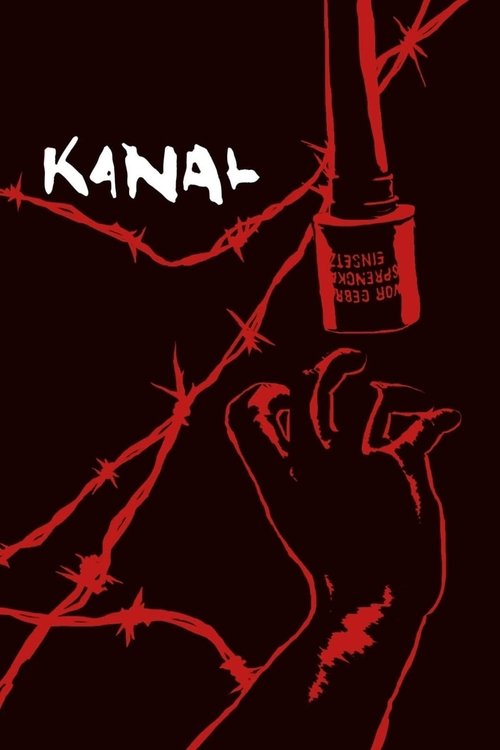
Kanal1957
Renoir used occupied France as a moral laboratory. Wajda uses the Warsaw Uprising as the same thing, but Polish—asking if resistance can ever be anything but a doomed gesture against machinery too large to resist.
Andrzej Wajda's Polish masterpiece traps resistance fighters in the Warsaw sewers during the 1944 uprising. Claustrophobic, philosophical, about men facing impossible odds with nothing but their choices left.
But Deliberately grim and airless. The setting becomes suffocating. Poles and Eastern Europeans do not emerge as victors; despair is the honest ending.
People
Cast
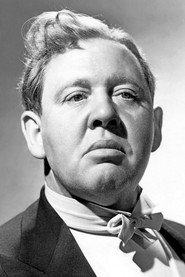 Charles LaughtonAlbert Lory
 Maureen O'HaraLouise Martin
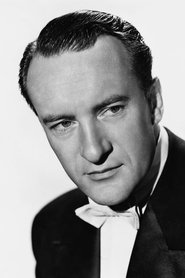 George SandersGeorge Lambert
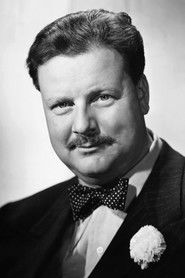 Walter SlezakMajor Erich von Keller
 Kent SmithPaul Martin
 Una O'ConnorMrs. Emma Lory
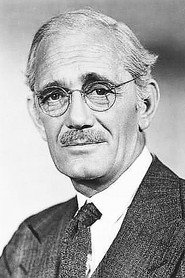 Philip MerivaleProfessor Sorel
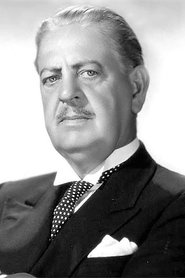 Thurston HallMayor Henry Manville
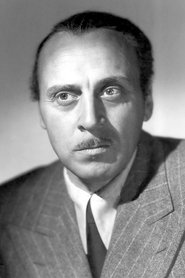 George CoulourisProsecutor
 Nancy GatesJulie Grant
 Ivan F. SimpsonJudge
- John DonatEdmund Lorraine
Directing
- Edward DonahueAssistant Director
- Jean RenoirDirector
Writing
- Leo BulgakovDialogue
- Dudley NicholsScreenplay
- Jean RenoirScreenplay
Production
- Eugène LouriéAssociate Producer
- Dudley NicholsProducer
- Jean RenoirProducer