
Film
The Power and the Glory
Other titles called The Power and the Glory: the 1933 film, the 1991 series (BBC Two).
A 1941 Australian war drama about a Czech scientist fleeing Nazi Europe and seeking refuge in a new world. Tense, intimate, driven by Peter Finch's unsettling performance. For those interested in wartime cinema beyond the usual suspects, or in how smaller nations processed the Second World War through their own lens.
Should you watch it?
Watch it if you like wartime dramas built on suspicion and quiet moral pressure, where the thriller tension comes from whom you can trust and who is lying to whom.
Skip it if you need brisk pacing and modern polish, since a 1941 production may move at an unhurried speed and its craft shows its period.
What it asks of you: its shape is a single 93-minute sitting, and it rewards steady attention to who is saying what over restless, fast-cut viewing.
Not sure? Find tonight's pick in a minute.
If you liked this
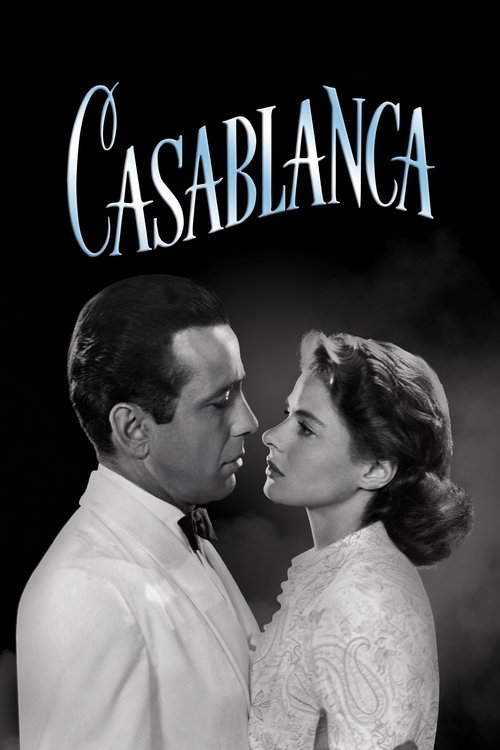
Casablanca1943
The gold standard of wartime romance and intrigue. Bogart and Bergman navigate impossible choices while Nazis close in. If you loved the moral ambiguity and atmospheric dread in The Power and the Glory, this is essential.
But It's been elevated to canonical status, which can make it feel overfamiliar or self-important on first viewing.
The Third Man1949
Post-war Vienna, murky allegiances, a magnetic performance from Orson Welles, and one of cinema's most sophisticated explorations of betrayal and survival. The zither score lodges itself in your brain.
But It's a slow-burn mystery, and the second half pivots toward introspection when some want action.

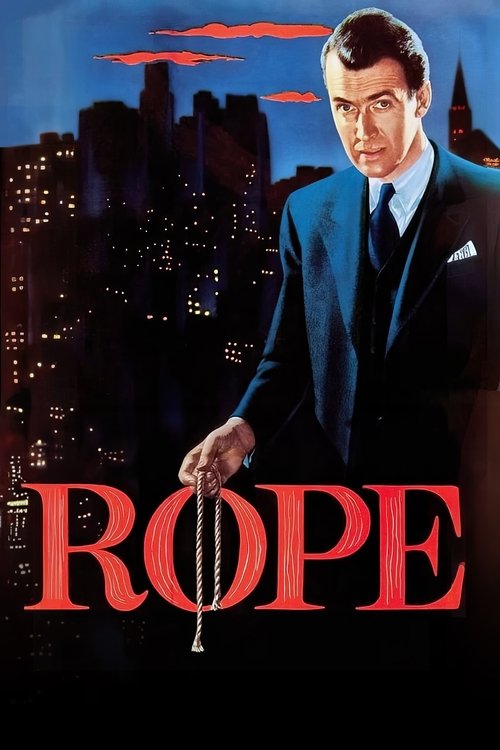
Rope1948
Hitchcock's chamber piece about two men hiding a murder in their apartment, observed by guests and a suspicious detective. Claustrophobic, morally rotten, thrilling—the tension never releases.
But Its real-time structure and single setting might feel theatrical or static if you need geography and movement.
Not sure tonight? Get a pick in a minute, starting from The Power and the Glory
The wildcard
Something you would not have found on your own.
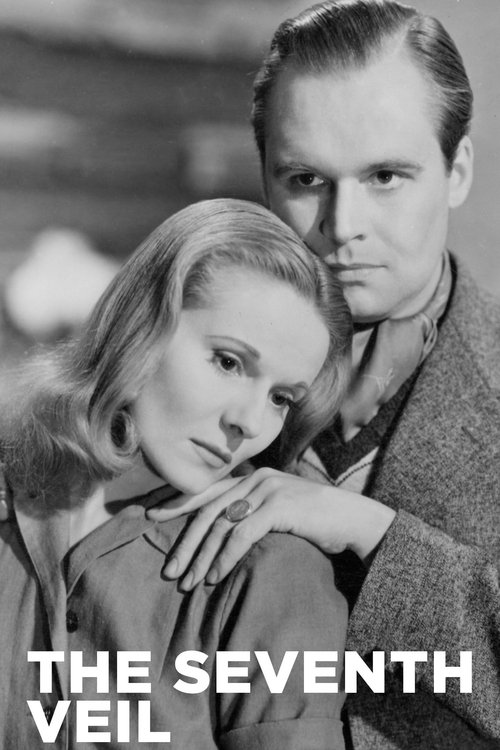
The Seventh Veil1945
Both are 1940s films about displacement and the question of where—or if—one can truly be free. The Seventh Veil, like The Power and the Glory, treats escape as complicated emotional territory, not just geographical.
A woman emerges from a suicide attempt with amnesia, and her psychiatrist—through hypnotherapy—uncovers a past ruled by a domineering man. It's a psychological thriller dressed as a love story, with James Mason as a villain of chilling subtlety.
But The Freudian framework is dated and potentially troubling; watching a woman's agency be debated in a courtroom by men gets uncomfortable quickly.
More like this (7)
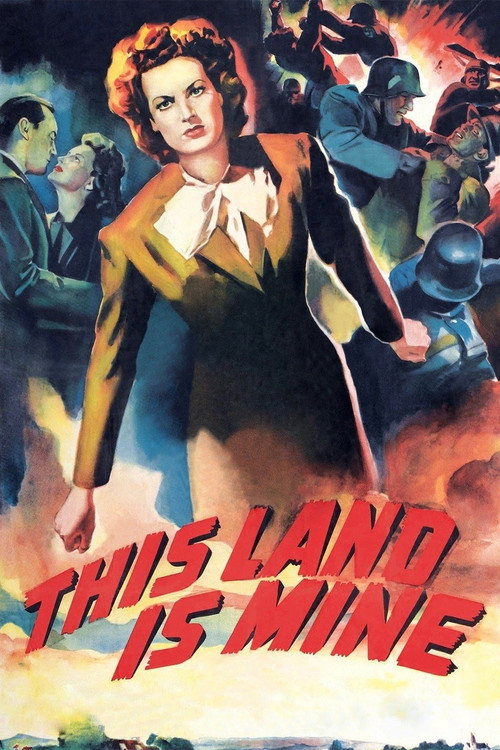
This Land Is Mine1943
Charles Laughton as a meek teacher in occupied France who finds his conscience and courage. A quieter war film about civilians and complicity, with genuine emotional stakes and a magnificent final courtroom scene.
But Laughton's performance is mannered, and the film's faith in individual heroism might read as quaint to modern sensibilities.
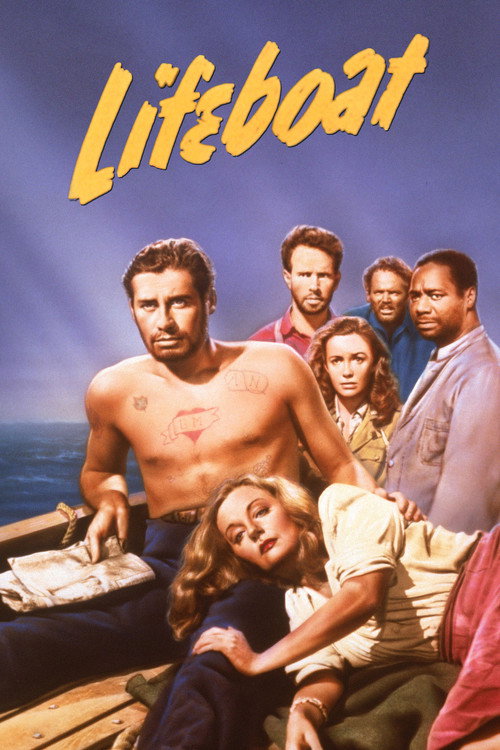
Lifeboat1944
Hitchcock traps a group of survivors—journalist, nurse, engineer, and a German U-boat captain—in one lifeboat. Paranoia, class conflict, and the question of who deserves to survive, all in 97 minutes.
But The allegorical elements are heavy-handed, and the film's politics around the German captain haven't aged without controversy.
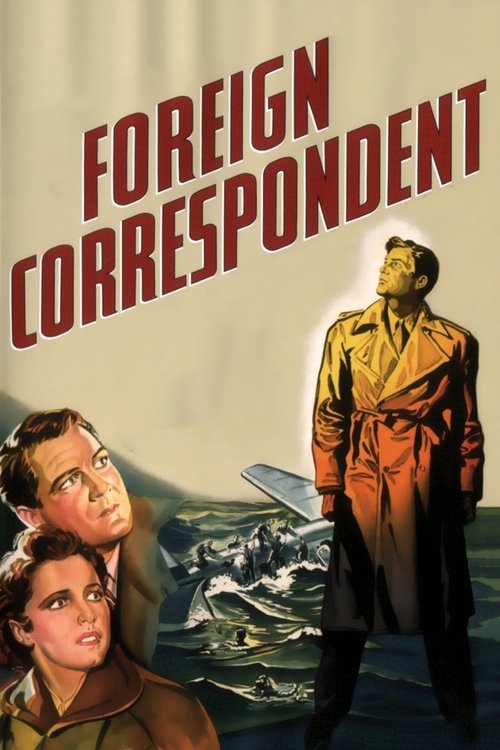
Foreign Correspondent1940
Hitchcock sends an American journalist to Europe on the eve of war. Spies, assassins, crashing planes—it's spy thriller machinery, but the pre-war anxiety underneath is genuine and infectious.
But The plot mechanics are baroque, and some of the technical spectacle shows its age.
Brief Encounter1945
Coward's masterpiece of emotional restraint. Two people in wartime England, meeting in secret, constrained by duty and propriety. The way it excavates passion beneath the surface is extraordinary.
But It's a chamber piece about repression, not about action. If you need external plot momentum, this will feel precious.

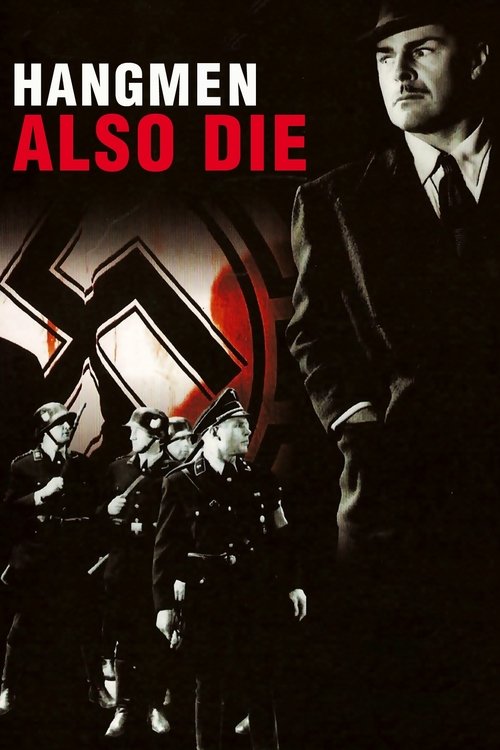
Hangmen Also Die!1943
Fritz Lang on the Prague assassination of a Nazi gauleiter and its brutal aftermath. Visceral, darkly intelligent, and unafraid to show how resistance breeds terror and collateral suffering.
But The 135-minute runtime includes long stretches of procedural plotting that can test patience.
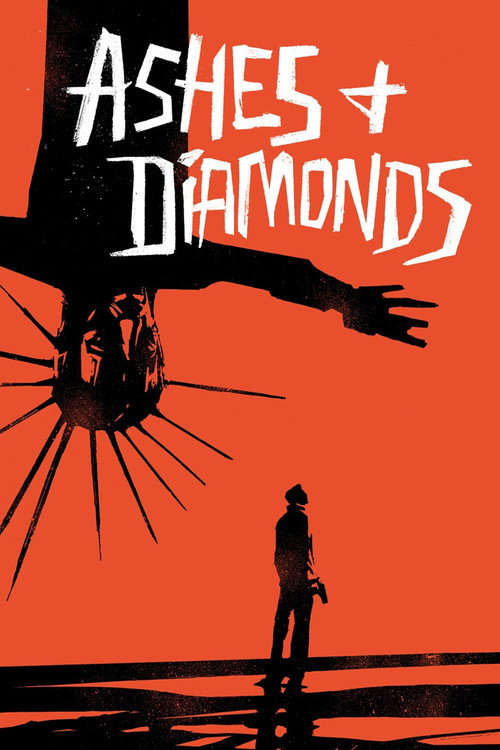
Ashes and Diamonds1958
Where The Power and the Glory examines what happens to the refugee who escapes, Ashes and Diamonds asks what happens to the survivor who stays. Both are intimate war films that treat the inner collapse as more significant than outward conflict.
A Polish resistance fighter wakes up on the day WWII ends, ordered to assassinate a communist official, and spirals into doubt, drink, and desire. Andrzej Wajda's masterpiece is visually ravishing and existentially crushing.
But It moves at its own pace, and the ambiguity about what the fighter actually believes—or whether belief matters—can feel unresolved and frustrating.
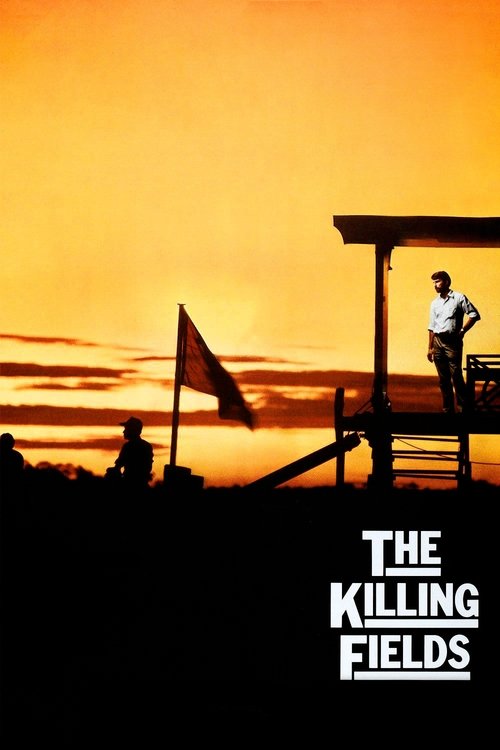
The Killing Fields1984
Both films center a protagonist who must navigate between worlds and identities during genocide. The Killing Fields updates the refugee story to a war cinema asks how complicity, nationality, and survival are tangled together.
A Cambodian journalist and his American colleague navigate the fall of Phnom Penh and the Khmer Rouge terror. It's a war film about contemporary history, based on real survival. Harrowing, essential, and anchored by an extraordinary performance from Haing S. Ngor.
But The brutality is graphic and sustained; watching a nation consume itself is not escapism, and the film doesn't offer easy catharsis.
People
Cast
- Katrin RosselleElsa Marnelle
- Lou VernonProfessor Marnelle
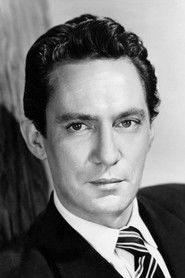 Peter FinchFrank Miller
Directing
- Noel MonkmanDirector