
Film
Flying Fortress
- War drama
- Relentless
A 1942 wartime romance set against the tension of RAF operations, where personal desire collides with military duty. It's briskly paced, shot through with the anxiety of the Blitz era, and moves with the urgency of cinema made while the war was still being fought. For anyone drawn to how cinema processes fear and longing in real time.
If you liked this
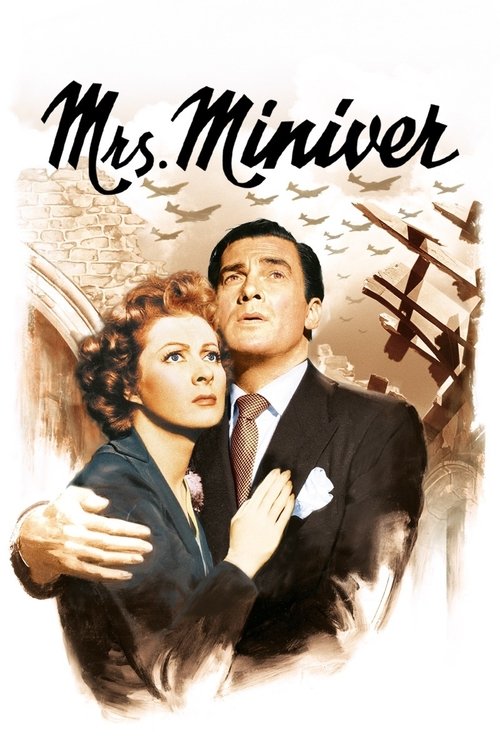
Mrs. Miniver1942
Released the same year, it captures the British home front with tenderness and courage. A woman holds her family together while war rewrites everything. Essential viewing alongside Flying Fortress for understanding how Hollywood saw Britain's fight.
But It's earnest to the point of sentiment, and the pacing feels glacial by modern standards. Some moments tip toward propaganda rather than drama.
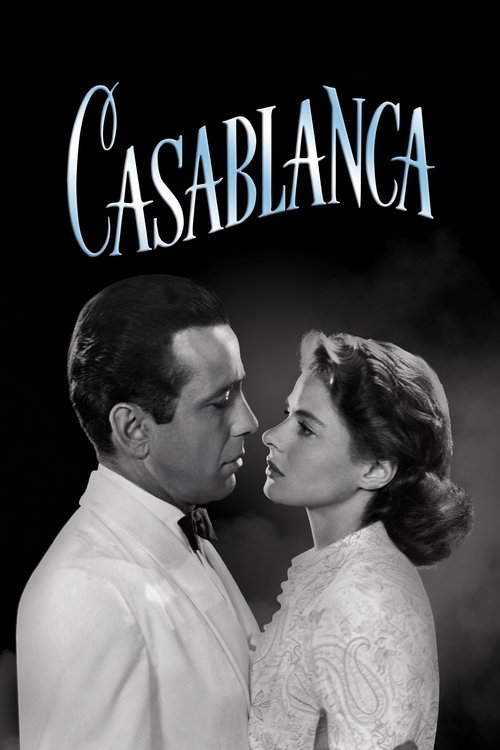
Casablanca1943
A man torn between love and duty in a war-torn setting, with the same romantic tension threaded through impossible circumstances. The same year, the same moral architecture, but infinitely more polished.
But Everyone already knows this film. If you're seeking something similar but fresh, the inevitability works against surprise.
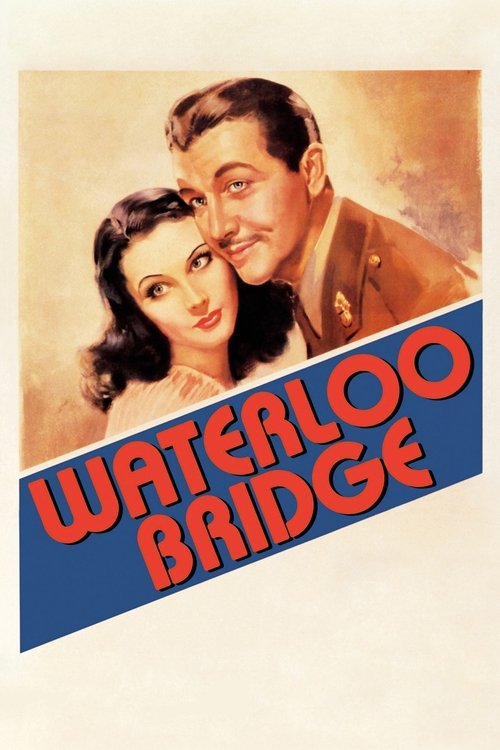
Waterloo Bridge1940
Robert Taylor and Vivien Leigh navigate wartime separation and the ache of glimpsed futures. A love story that understands how the war steals time. Tender and precise about what people lose.
But The melodrama can feel overwrought. The ending, while fitting the era, may strike modern viewers as unearned punishment.
Not sure tonight? Get a pick in a minute, starting from Flying Fortress
The wildcard
Something you would not have found on your own.
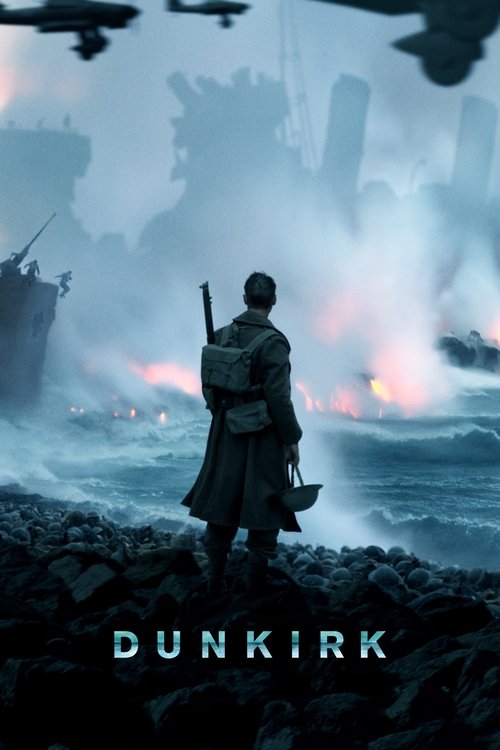
Dunkirk2017
Both use the RAF and the machinery of war as a stage for psychological intensity, but Dunkirk abandons romance to examine terror and survival in their purest form.
Nolan strips away the romantic frame entirely. Three timelines—land, sea, air—converge on one catastrophe. It captures the raw anxiety and helplessness that Flying Fortress gestures toward but wraps in love. A different answer to the same question: what does the war do to people?
But The formal complexity can disorient. Some find the emotional distance alienating—there's no room to rest with anyone.
More like this (8)
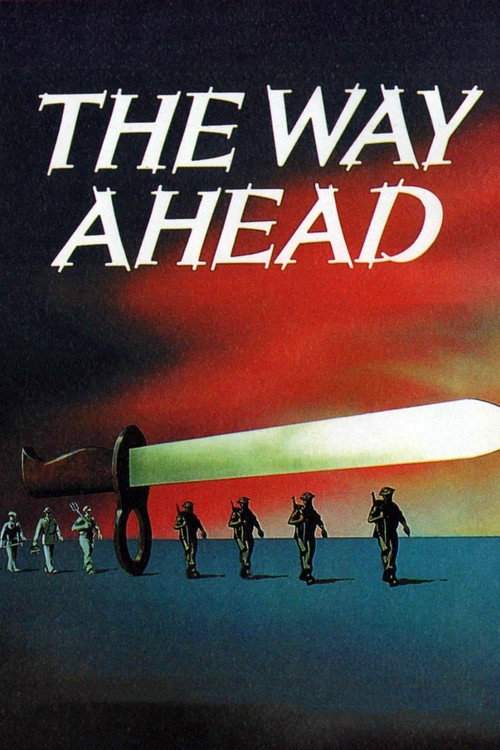
The Way Ahead1944
David Niven leads a group of ordinary men into military service. It's a war film that never forgets the personal cost, balancing camaraderie with genuine stakes and quiet moments of humanity.
But The ensemble structure means no single character dominates; some viewers find it harder to anchor themselves emotionally.
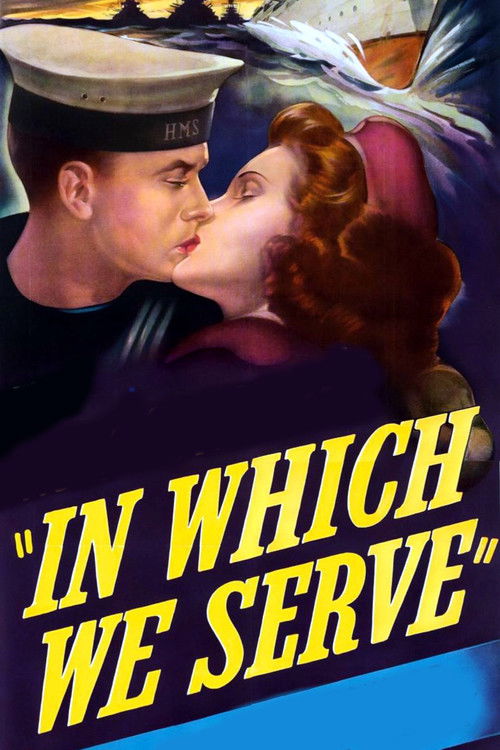
In Which We Serve1942
Coward writes and stars in a portrait of a warship and its crew. It's intimate on a massive scale—the war seen through the lives of people doing their duty. Made with the authority of someone who lived it.
But The episodic structure can feel disjointed. The reverence for military hierarchy may read as dated or uncomfortable now.
The Power and the Glory1941
Powell and Pressburger craft a chase film across Canada with Nazi submariners hunted by ordinary citizens. It's suspenseful, thoughtful about ideology, and visually inventive in ways rare for the era.
But The geography stretches the plot thin in places. Some sequences feel like detours rather than escalations.
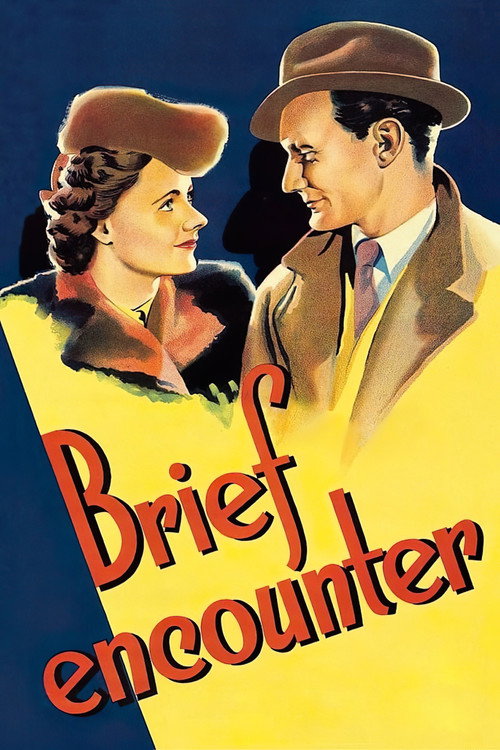
Brief Encounter1945
Coward again, this time on the other side of passion. A stolen affair between two married strangers, conducted in railway cafés and stolen afternoons. A masterclass in desire constrained by duty and circumstance.
But If you're not moved by emotional restraint as a stylistic choice, it will feel glacial. The frame of morality around the affair is deeply 1945.
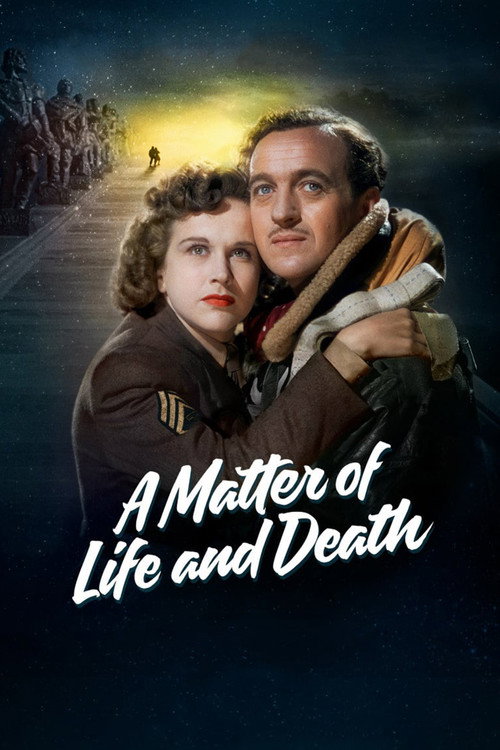
A Matter of Life and Death1946
Powell and Pressburger again, but wilder: a pilot shot down over the Channel hallucinates a trial between heaven and Earth. It's visually extraordinary and emotionally complex about sacrifice and survival.
But The fantasy elements might overwhelm viewers seeking grounded realism. The pacing is eccentric—it doesn't move like conventional drama.
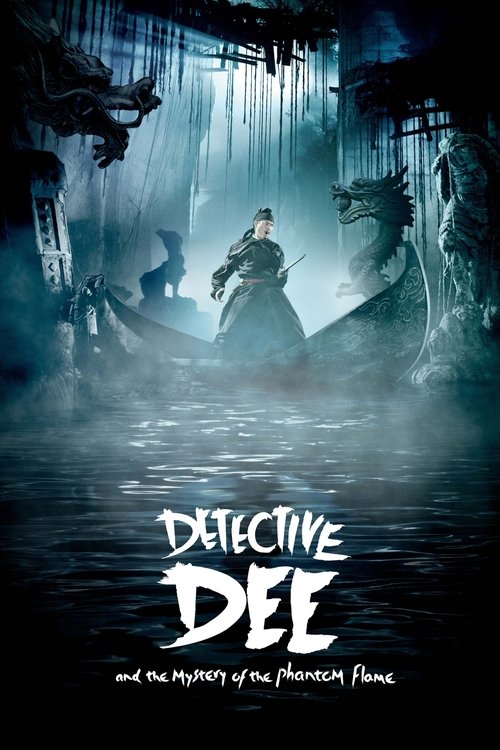
Detective Dee and the Mystery of the Phantom Flame2010
Ralph Bellamy and Patsy Kelly in a B-picture about RAF pilots and romance. Quicksilver energy, no pretension, pure entertainment about the same world Flying Fortress inhabits.
But It's slight and doesn't linger. If you're seeking emotional weight, this trades substance for charm.
The Red Shoes1948
Both films understand that duty and desire are irreconcilable, and both paint that collision in vivid colour. But where Flying Fortress is taut and urgent, The Red Shoes is baroque and operatic.
Powell and Pressburger again—a ballet dancer torn between art and love, between a demanding master and a man who wants her for himself. The visual language is intoxicating, the emotional stakes devastating. It's also about duty, but duty to art rather than war.
But It's a period piece about theatre people, not soldiers. If you need plot momentum, the dreamlike pacing will frustrate.

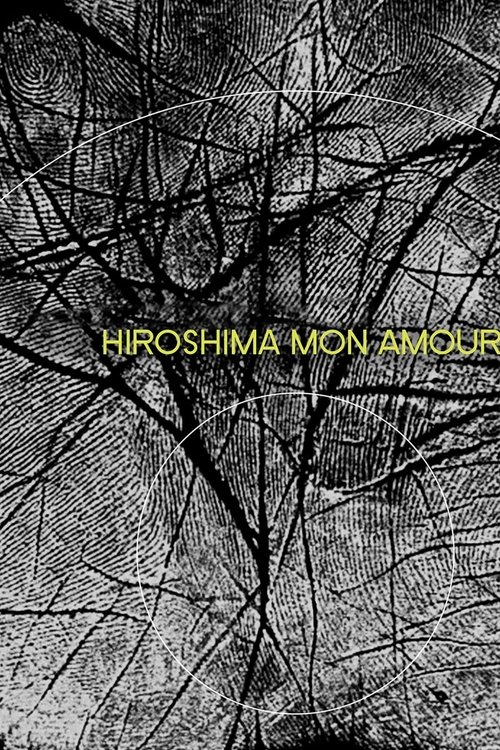
Hiroshima Mon Amour1959
Both are about lovers separated by war, but this film asks the question Flying Fortress doesn't: what happens to love after? How does the bomb change the grammar of desire itself?
A French-Japanese co-production where a French actress and a Japanese architect meet in post-war Hiroshima. The war is not action—it's memory, trauma, the weight of survival. Shot in black and white, cut like poetry. A meditation on how war rewrites love itself.
But It's avant-garde and structurally ambitious. If you want conventional narrative, you'll be lost. Subtitles required.
People
Cast
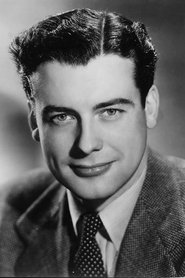 Richard GreeneJames 'Jim' Spence Jr.
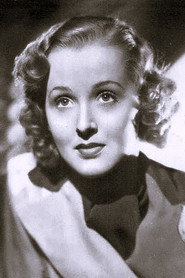 Carla LehmannSydney Kelly
 Betty StockfeldLady Deborah 'Debbie' Ottershaw
 Donald StewartMr. William 'Sky' Kelly
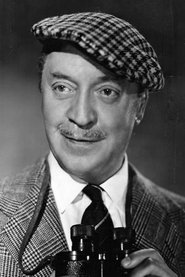 Basil RadfordCaptain Wilkinson
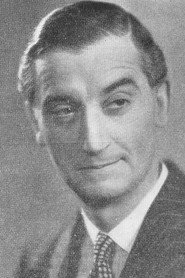 Charles HeslopHerrington
- Sydney KingLord 'Squeakum' Ottershaw
Directing
- Walter FordeDirector
Writing
- Brock WilliamsScreenplay
- Edward DryhurstScreenplay
- Gordon WellesleyScreenplay