Television series
The Power and the Glory
Other titles called The Power and the Glory: the 1933 film, the 1941 film.
- Car-chase action
- Light-hearted
A sweeping BBC documentary series charting motorsport's evolution from horseless-carriage tinkering in the 1880s to the superstar glamour of Senna and Mansell. Lavishly produced, with period footage and the kind of narrative ambition that treats racing history as cultural history. Essential for petrolheads; revelatory for everyone else about why we've been so mesmerized by speed for 130 years.
Should you watch it?
Watch it if you love motor racing's history as much as its noise, and want the story of how drivers, machines and glamour built the sport across a century.
Skip it if you are after a deep dive into one driver or era, since this 1991 series covers a whole century in thirteen half-hour parts so each era gets a brisk look.
What it asks of you: Thirteen half-hour episodes, a light commitment in running time but a brisk, name-heavy stride that rewards keeping track of who raced when.
Not sure? Find tonight's pick in a minute.
If you liked this
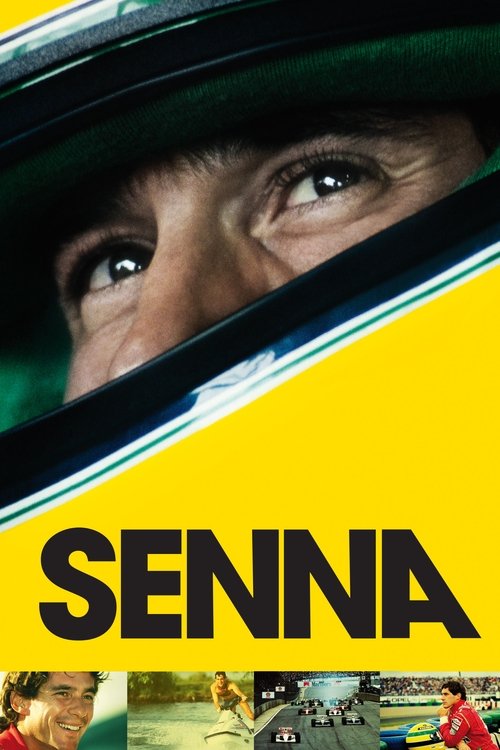
Senna2010
Asif Kapadia's documentary treats a racing driver's life as classical tragedy—obsession, rivalry, mortality, and the cost of greatness. Visceral and emotionally devastating in ways that transcend motorsport entirely.
But It's grief-stricken and claustrophobic. If you want celebration rather than excavation of a champion's psychology, this will feel heavy.
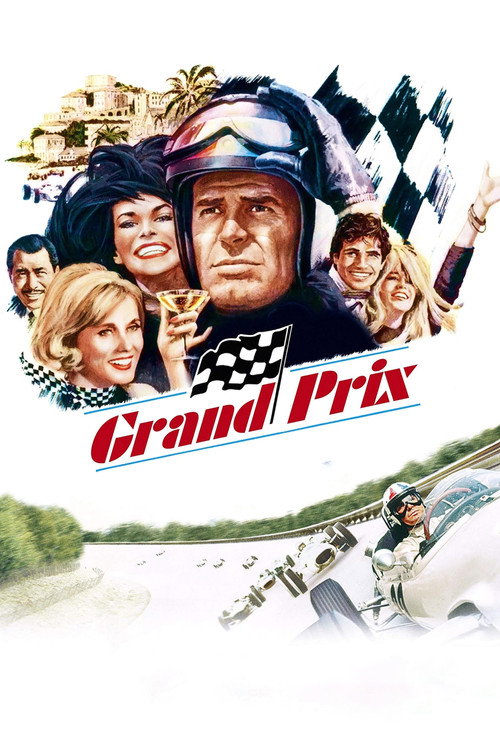
Grand Prix1966
John Frankenheimer's epic narrative film about Formula 1 captures the sport's golden age with real race footage integrated into a fictional drama. A love letter to racing as spectacle and danger in perfect balance.
But Nearly three hours, and it's a character drama first—if you want constant action rather than narrative depth, it drags between the thrills.
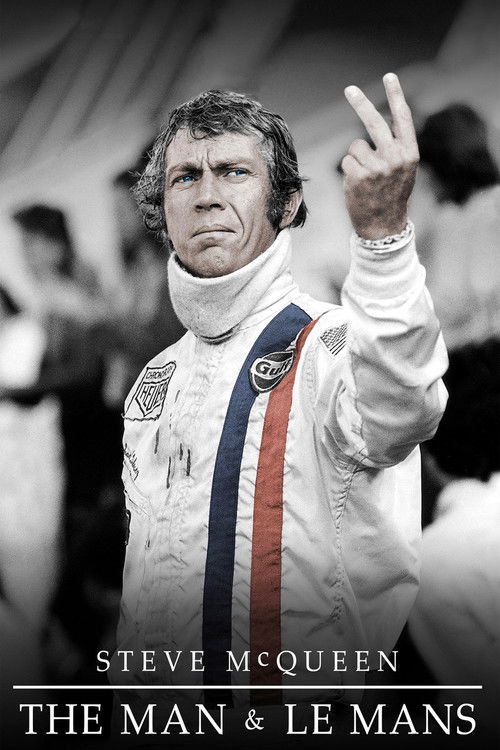
Steve McQueen: The Man & Le Mans2015
A documentary about the making of McQueen's legendarily troubled racing film. Reveals how cinema, celebrity, and the obsession with speed collided in the early 1970s. Gorgeously constructed.
But It's about a film that was never finished, so you're watching a story of failure. Less about racing than about artistic ambition imploding.
Not sure tonight? Get a pick in a minute, starting from The Power and the Glory
The wildcard
Something you would not have found on your own.
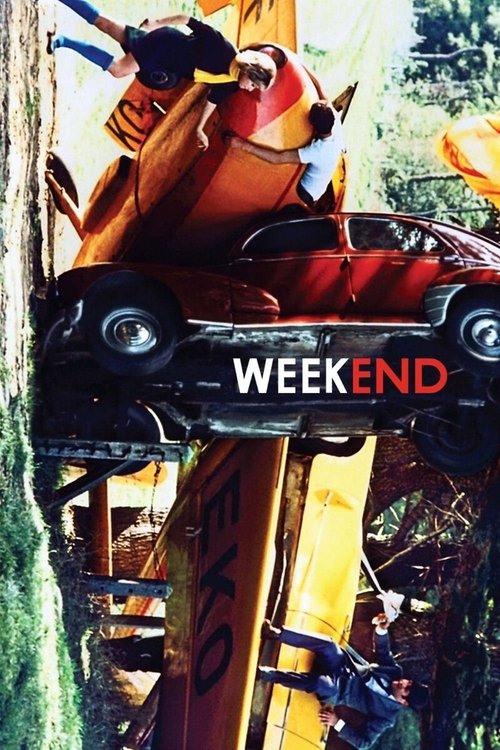
Weekend1967
Both histories show how the car became the symbol of human desire and modernity. Godard argues that modernity is a catastrophe; *The Power and the Glory* celebrates it. They're opposite readings of the same cultural phenomenon.
Godard's experimental narrative film turns a traffic jam and a couple's car journey into a vision of capitalist apocalypse. It's formally radical, darkly funny, and treats automobiles as a metaphor for societal breakdown.
But It's a *Godard* film—deliberately difficult, non-narrative, essayistic. If you want linear story-telling or conventional drama, you'll find it maddening and pretentious.
More like this (5)
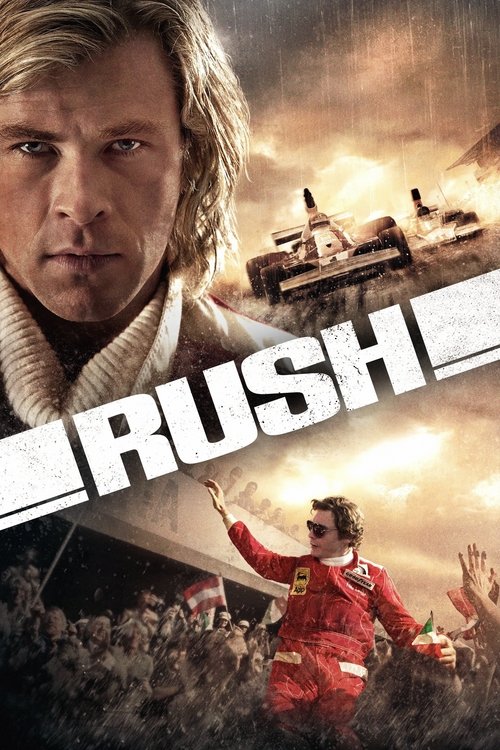
Rush2013
Ron Howard dramatizes the Lauda-Hunt rivalry of 1976 with genuine affection for the sport and the men who risked everything. Thrilling, funny, and surprisingly humane about masculine competition.
But It bends facts for narrative drama. If historical accuracy matters to you, it plays fast and loose with details. Also quite a Hollywood sports film—glossy rather than gritty.
Kill Bill: Vol. 12003
A documentary following the 2005 F1 season as it unfolds. Intimate access to drivers, teams, and the politics of racing at the highest level. You feel the pressure and the stakes in real time.
But It's a season-long narrative that requires patience. If you don't care about F1 politics, the drama can feel parochial and slow-burn.
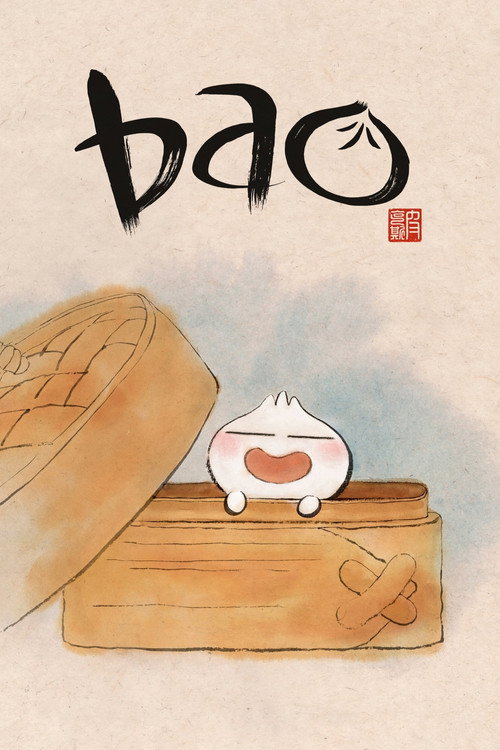
Bao2018
A short animated film (8 minutes) about speed, control, and the relationship between a parent and child. It uses racing metaphor to explore something universal and devastating about love and letting go.
But It's abstract and plays symbolically rather than literally. If you want narrative clarity, the meaning requires interpretation. Also extremely short.
The Ballad of Little Jo1993
Like motorsport, the Western is a genre built on myths of speed, freedom, and conquest. This film dismantles those myths by inserting a woman into the story. Both are histories of how culture constructs narratives around freedom.
A narrative film about a woman who disguised herself as a man to survive in the American West. It has the visual language of a Western but subverts it entirely—a story about performance, survival, and identity masquerading as a frontier tale.
But It moves slowly and deliberately. The identity politics are deliberately uncomfortable. It's not a rousing adventure, it's a tragedy in period clothing that questions what you think you're watching.

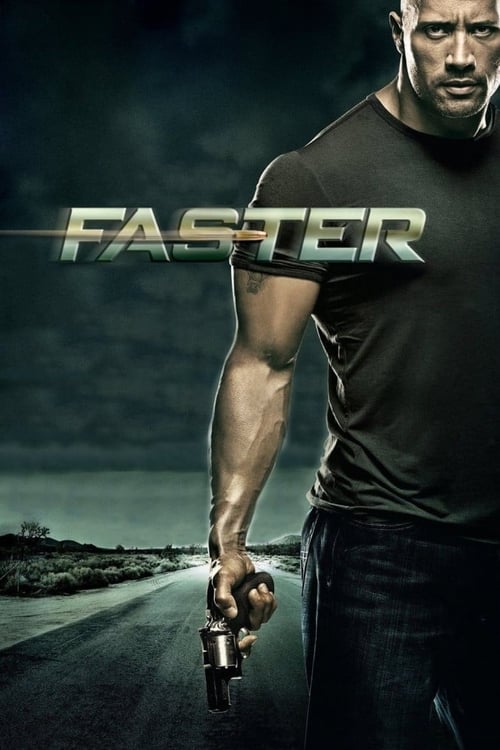
Faster2010
While *The Power and the Glory* tells the social and cultural history of racing, *Faster* interrogates the fundamental human obsession with speed itself—the physics and the philosophy beneath the spectacle.
A documentary about the physics and psychology of speed—dragsters, sprinters, race cars. It's a scientific and aesthetic exploration of why speed fascinates us, and what happens to the human body and mind when we push it.
But It's more cerebral essay than narrative. If you want story or character, it's a thought-piece rather than entertainment. Some sections are quite abstract.