
Film
Rope of Sand
A 1949 adventure thriller set in South Africa, where a safari guide with a dangerous secret is drawn back into a world of diamond theft, deception, and moral compromise. Burt Lancaster carries the film with charisma and physical grace, while the plot spirals through betrayal and greed. It's classic mid-century entertainment—stylish, propulsive, morally murky in ways that feel distinctly of its time.
Should you watch it?
Watch it if you enjoy desert-set crime dramas where greed, mistrust and a sly romance tighten slowly around people who are all lying to each other, with Burt Lancaster carrying the tension.
Skip it if you want fast action or a clean moral line, since much of the film runs on scheming talk and men weighing each other up rather than on set-piece danger.
What it asks of you: Settle in for a tightly wound 1949 film of about 104 minutes, where patience pays off in conversations that carry more weight than the scenery around them.
Not sure? Find tonight's pick in a minute.
If you liked this
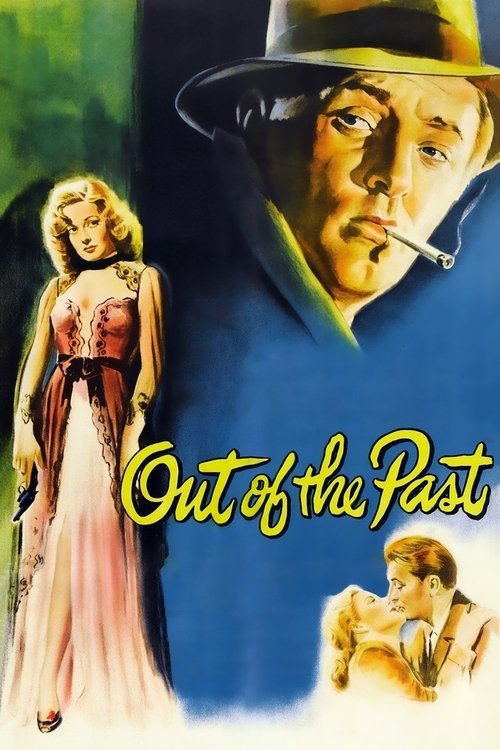
Out of the Past1947
The definitive film noir template: a man fleeing his past, a woman with her own agenda, and the inescapable pull of money and desire. Robert Mitchum is hypnotic, and the moral landscape is as shadowed as Lancaster's here.
But Slower in places than modern thrillers, and the fatalism can feel heavy-handed if you're in the wrong mood.
The Killers1946
Burt Lancaster's debut, a taut examination of a man marked for death and the events that sealed his fate. It has the same explosive physicality and moral ambiguity as Rope of Sand, but fiercer and more claustrophobic.
But The structure is fragmented, which can be disorienting. It's also quite dark—there's no real redemption here.

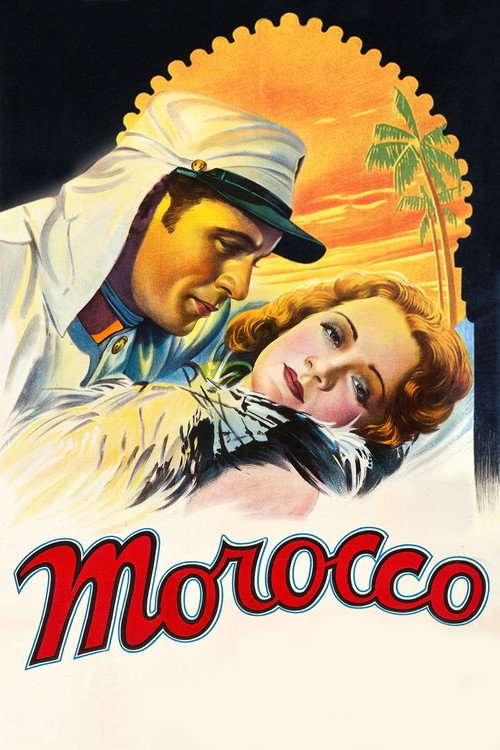
Morocco1930
Josef von Sternberg's visually lush tale of intrigue and romance in the French Foreign Legion. Marlene Dietrich is hypnotic, and the exoticism and danger mirror Rope of Sand's colonial setting and femme fatale plotting.
But It's deliberately stylized to the point of artifice. If you want realism, this is not the film. Pacing is languid.
Not sure tonight? Get a pick in a minute, starting from Rope of Sand
The wildcard
Something you would not have found on your own.
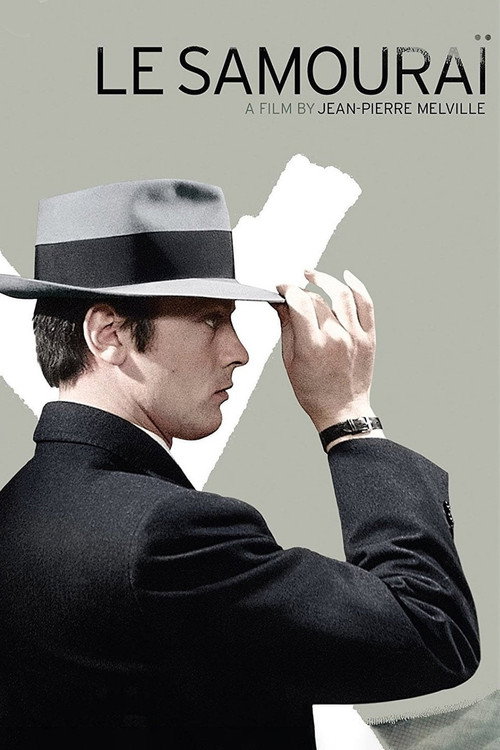
Le Samouraï1967
Both examine the collision between personal honor and the mercenary world. Rope of Sand shows a man losing his moorings; Le Samouraï shows a man clinging to his even as it kills him.
Alain Delon as a precise, honorable assassin navigating betrayal and loyalty in a world where both concepts are corrupted. It's a moral portrait of a man choosing his code over survival—the inverse of Lancaster's slide into compromise.
But It's French, minimalist, and deliberately slow. There's very little dialogue, and if you need plot momentum and exposition, it will feel glacial and obscure.
More like this (8)
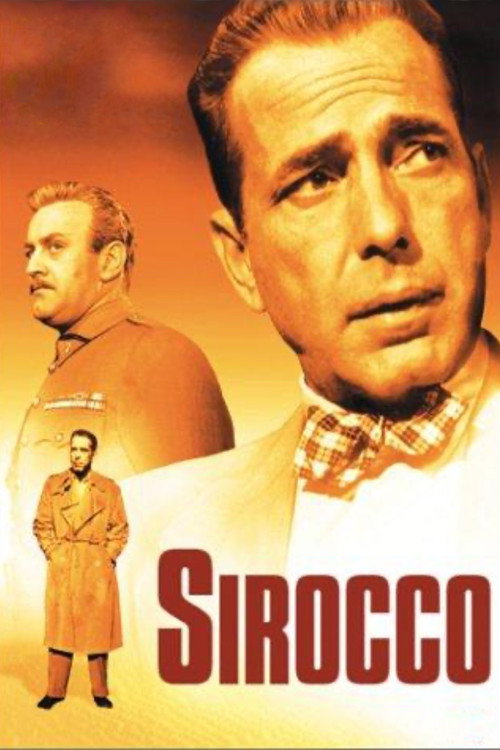
Sirocco1951
Humphrey Bogart in Damascus, caught between rival factions while smuggling weapons and wrestling with conscience. It shares Rope of Sand's exotic locale, double-crosses, and a protagonist who's good but not good enough to escape his own nature.
But The political backdrop is complex and sometimes confusing. The ending may feel unsatisfying if you wanted clear moral closure.
The Asphalt Jungle1950
John Huston's heist masterpiece—a meticulous, tense ensemble crime drama about planning and its unraveling. The moral degradation of good people under pressure echoes Rope of Sand's central conflict perfectly.
But Ensemble cast means Lancaster-level clarity of focus is diluted. Some sequences drag. It's more cerebral than action-packed.

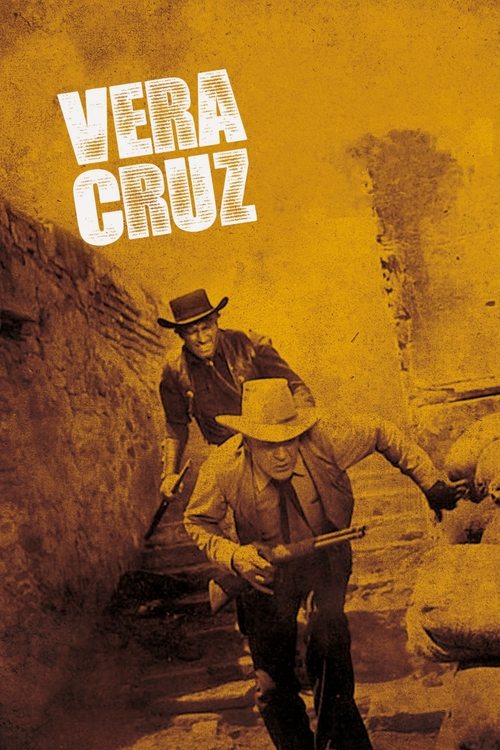
Vera Cruz1954
Burt Lancaster and Gary Cooper as mercenaries in revolutionary Mexico—scheming, charming, and ruthless. It's an adventure that knows what it is, with Lancaster and Cooper perfectly matched as morally flexible operators.
But Plot is loose and episodic. The moral framework is basically absent—it's adventure without much conscience, which can feel shallow.
The Third Man1949
The same year as Rope of Sand, but operating at a higher register: a man drawn into a dangerous web of lies in post-war Vienna, where nothing is what it seems and old friendships become instruments of betrayal.
But It's deliberately ambiguous and melancholic. If you want clear heroes and villains, this will frustrate you. Orson Welles' screen time is brief.

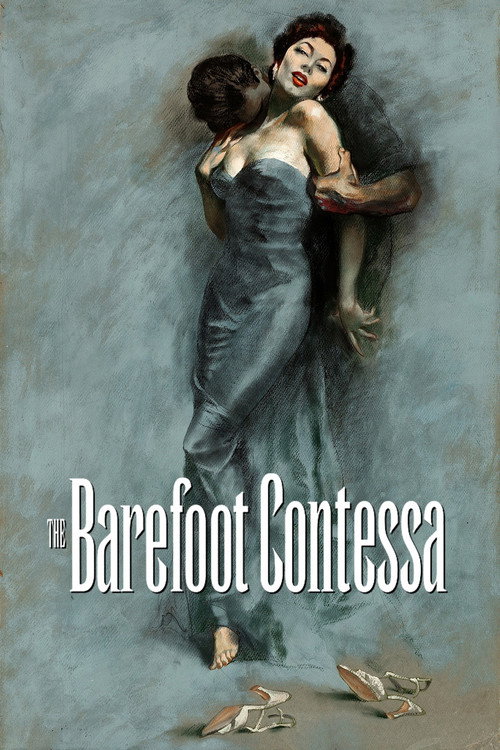
The Barefoot Contessa1954
A sweeping, cynical look at glamour, power, and the moral compromises of beautiful people. Ava Gardner and Humphrey Bogart navigate worlds of money and desire with the same elegant desperation as Lancaster's character.
But Episodic structure and heavy-handed symbolism date it. The misogyny, while period-accurate, can feel suffocating to modern viewers.
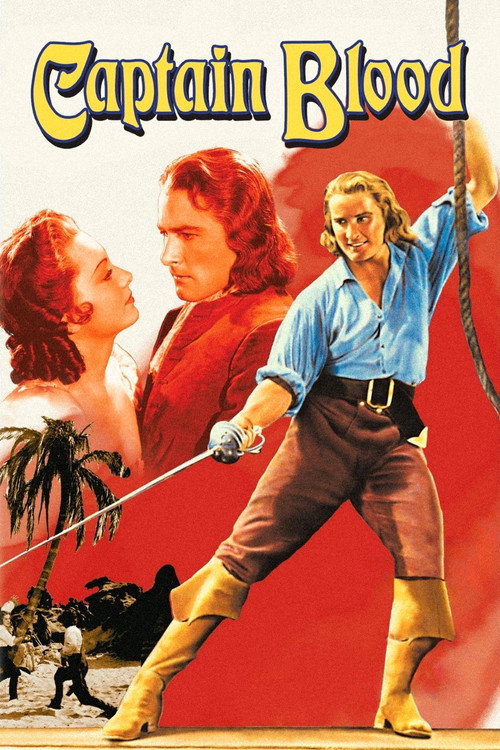
Captain Blood1935
Errol Flynn's swashbuckling adventure about a wronged man turning pirate. It has the same colonial setting, the seductive danger, and a protagonist who's fundamentally decent but pushed into moral compromise by circumstance.
But It's very much a product of its era—the racial attitudes are jarring, and the tone is lighter than Rope of Sand, which might feel tonal whiplash if you wanted sustained tension.
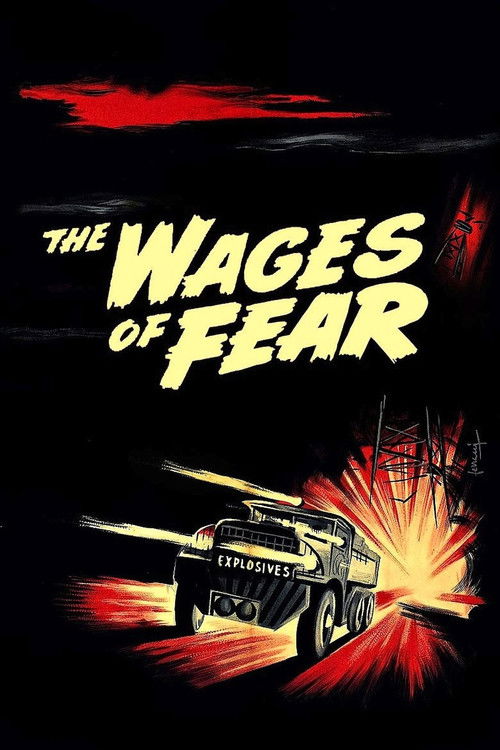
The Wages of Fear1953
Both use exotic colonial settings and treasure/survival to expose how quickly ordinary men abandon their scruples. Same mechanism, different genres—Rope of Sand is thriller adventure; Wages of Fear is existential horror.
Four desperate men drive trucks of nitroglycerin across a treacherous South American landscape. It's an adventure of pure pressure and moral degradation—men doing awful things because they're trapped and broke, just like Lancaster's character.
But It's French, 155 minutes long, and there's no music for long stretches—just the sound of engines and men breathing. It accumulates dread rather than action. Bleak as hell.
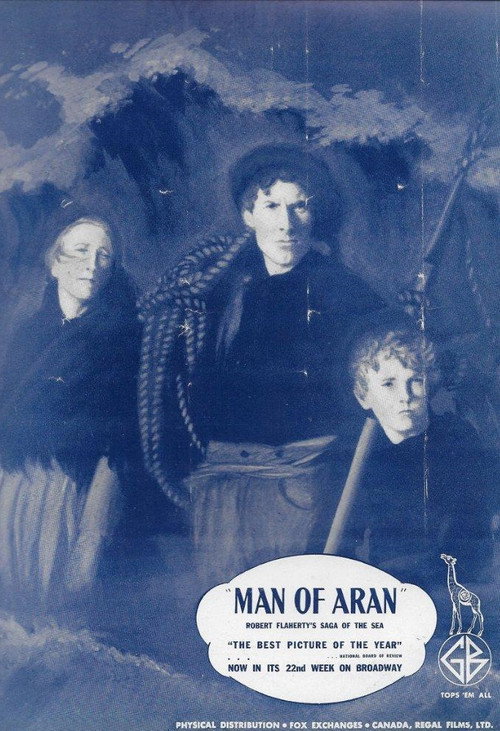
Man of Aran1934
Both are about men fighting for survival and profit in hostile landscapes, but Flaherty strips away the thriller apparatus and examines the raw relationship between human will and environment. Rope of Sand's melodrama becomes documentary fact.
Robert Flaherty's documentary-drama hybrid follows fishermen on a remote Irish island struggling against the sea. Stunning visuals, genuine danger, and a man's relationship with the landscape and his own survival—all themes buried in Rope of Sand.
But It's a 1934 semi-documentary with a loose narrative structure. There's no plot in the conventional sense. If you want character arcs and dialogue-driven storytelling, this will feel alien and slow.
People
Cast
 Burt LancasterMichael (Mike) Davis
 Paul HenreidCommandant Paul G. Vogel
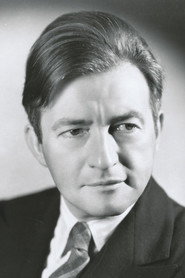 Claude RainsArthur 'Fred' Martingale
 Peter LorreToady
 Corinne CalvetMademoiselle Suzanne Renaud aka Aniseneletette Duringreaud
 Sam JaffeDr. Francis Kittridge Hunter
 John BromfieldThompson (guard)
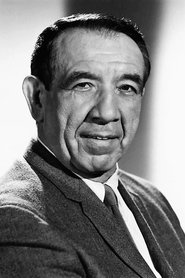 Mike MazurkiPierson (guard)
 Kenny WashingtonJohn
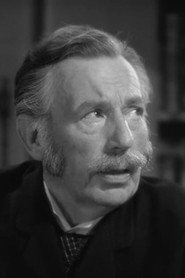 Edmund BreonParker, Chairman of the Board
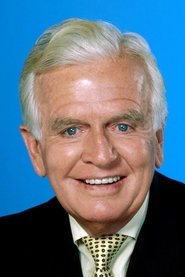 Hayden RorkeIngram
- David ThursbyHenry (bartender)
Directing
- Richard McWhorterAssistant Director
- William DieterleDirector
Writing
- Walter DonigerScreenplay
- Walter DonigerStory
Production
- Hal B. WallisProducer