
Film
Avalon
Barry Levinson's multigenerational epic traces a Polish-Jewish immigrant family through twentieth-century America, watching ambition, assimilation, and rootlessness reshape them across decades. It's a slow, textured film about what gets lost when you chase the promise of a better life—elegiac rather than triumphant, intimate in scale despite its vast scope.
Should you watch it?
Watch it if you love unhurried family sagas that build meaning from small domestic moments, the way a house fills with noise, arguments, and holiday gatherings over years.
Skip it if you need a story pulling you forward, since this drifts through loosely linked scenes and its nostalgia can feel like a long walk through someone else's album.
What it asks of you: Settle in for a little over two hours of patience, where scenes linger and the emotional payoff accumulates quietly rather than arriving in big moments.
Not sure? Find tonight's pick in a minute.
If you liked this
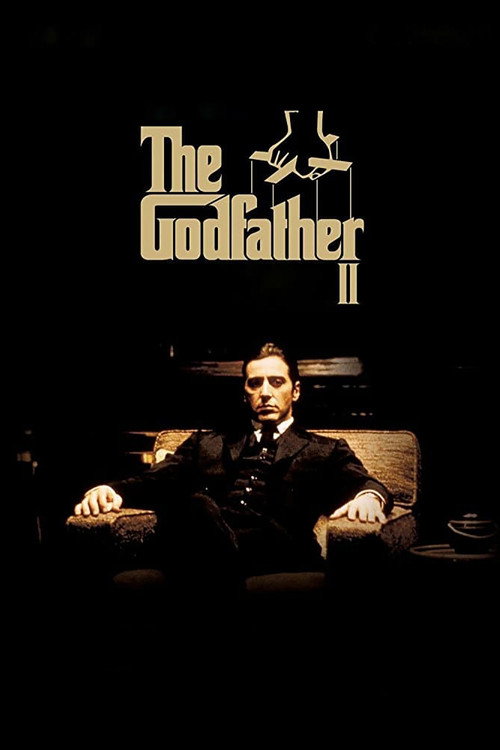
The Godfather Part II1974
Both films interweave immigrant aspiration with American capitalism across generations, showing how family bonds fray under the weight of material success and the pressure to belong.
But It's a crime epic; Avalon is domestic and reflective. The Godfather moves with operatic momentum while Avalon lingers in quiet moments.
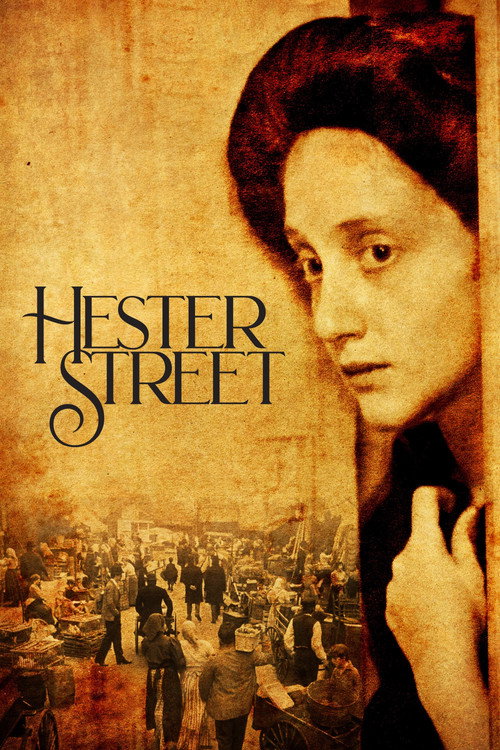
Hester Street1975
A tender, precise study of Jewish immigrants in 1896 New York, caught between tradition and assimilation. Carol Kane's performance is luminous and the film captures the exact texture Avalon reaches for.
But Shot in black and white on a modest budget, it has the texture of a memory rather than a conventional drama. Some find it slow.
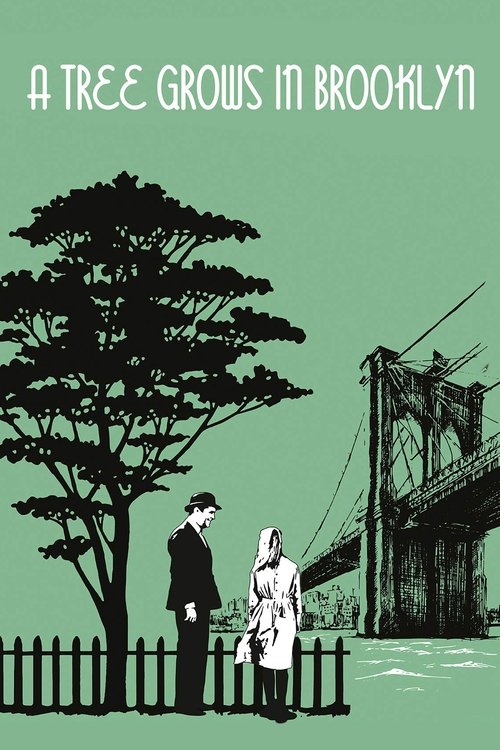
A Tree Grows in Brooklyn1945
James Dunn and Peggy Ann Garner capture the quiet poverty and tenderness of an immigrant family struggling in early-1900s New York. It's about dignity under pressure, like Avalon.
But It's seventy-five years old and shot with the soft-focus romanticism of its era. Modern audiences sometimes find it sentimental.
Not sure tonight? Get a pick in a minute, starting from Avalon
The wildcard
Something you would not have found on your own.
Come and See1985
Avalon's Jews came to America fleeing exactly this history. Seeing Come and See makes clear what safety really cost—and what the family in Avalon left behind.
Elem Klimov's apocalyptic vision of Nazi invasion in Belarus. The most visceral depiction of what the Krichinsky family escaped—not a prequel, but a moral explanation for Avalon's entire emotional weight.
But One of cinema's most traumatic films. Graphic violence, industrial-scale suffering, and a protagonist's descent into moral numbness. Genuinely difficult to survive.

More like this (6)
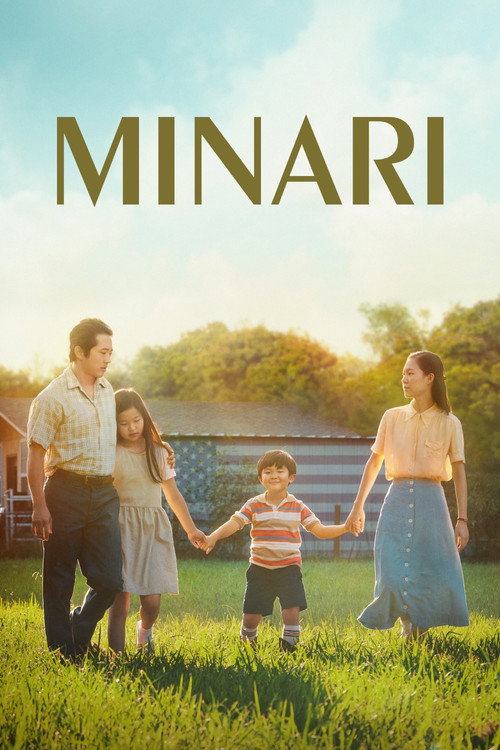
Minari2021
A Korean-American family's attempt to build a better life in rural Arkansas. Contemporary, achingly observed, and structured around the same core tension: what survives the pursuit of the American dream?
But The emotional register is quieter than most recent dramas. Long passages of silence. Some viewers need more plot momentum.
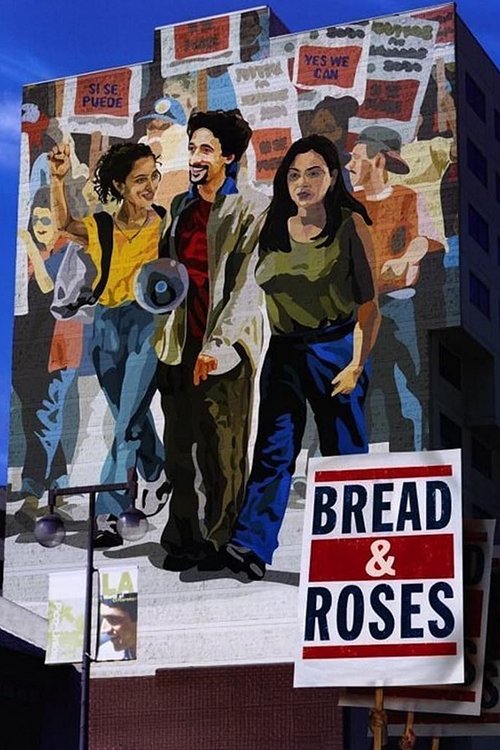
Bread and Roses2000
Ken Loach examines labor organizing among immigrant janitors in Los Angeles. The same attention to how the American system tests immigrant families, but through the lens of class struggle.
But Loach's style is deliberately unglamorous and his politics are explicit. If you want subtlety about social structures, look elsewhere.
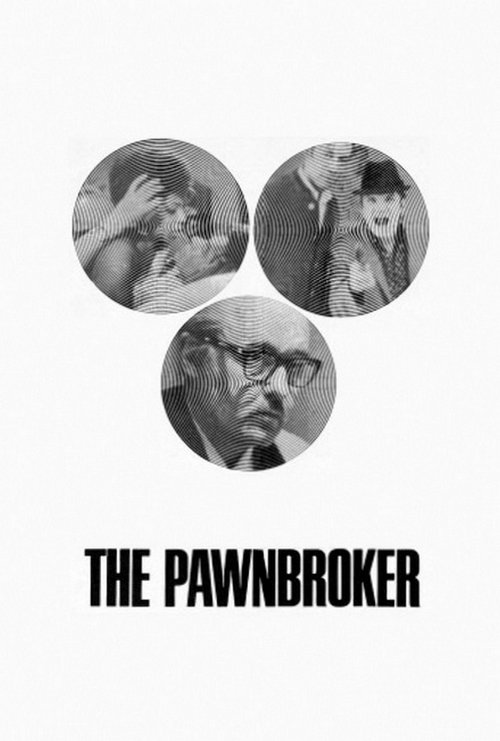
The Pawnbroker1965
Rod Steiger as a Holocaust survivor trying to survive in New York, haunted by loss and carrying the weight of destroyed family. Profound and nearly unbearable about immigrant trauma.
But It's formally experimental and emotionally devastating. The first American film to show full nudity. Not a comfort watch.
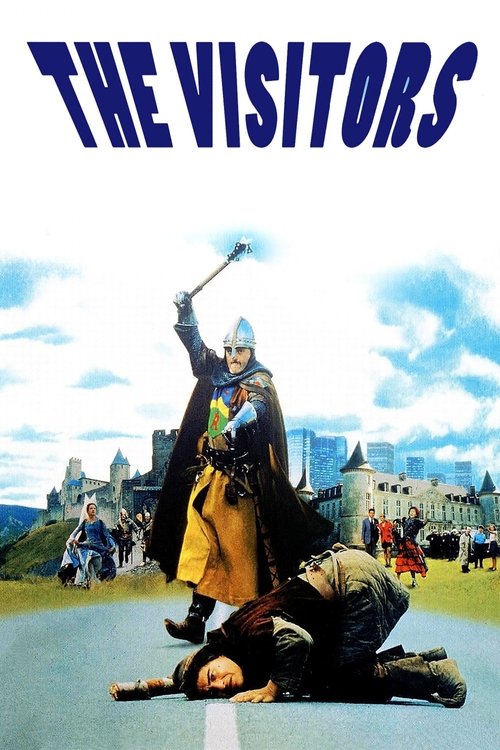
The Visitors1993
Two working-class men return from prison to a Bronx neighborhood transformed by gentrification and time. A lyrical, elegiac look at displacement and the American landscape's indifference to continuity.
But It's deliberately paced and visually austere. Some find it empty rather than contemplative. Not widely known.
Tokyo Story1953
Both films use family gatherings and generational distance to ask what persists across time. Where Levinson uses voiceover and narrative sweep, Ozu trusts a single, perfectly composed shot to do the work.
Ozu's masterpiece about aging parents visiting their grown son in postwar Tokyo—the same structure as Avalon's family saga, but achieved through stillness, composition, and what's left unsaid.
But It requires patience with long shots of empty rooms and hallways. No plot in the conventional sense. It's about tone and duration, which alienates viewers trained on dramatic momentum.

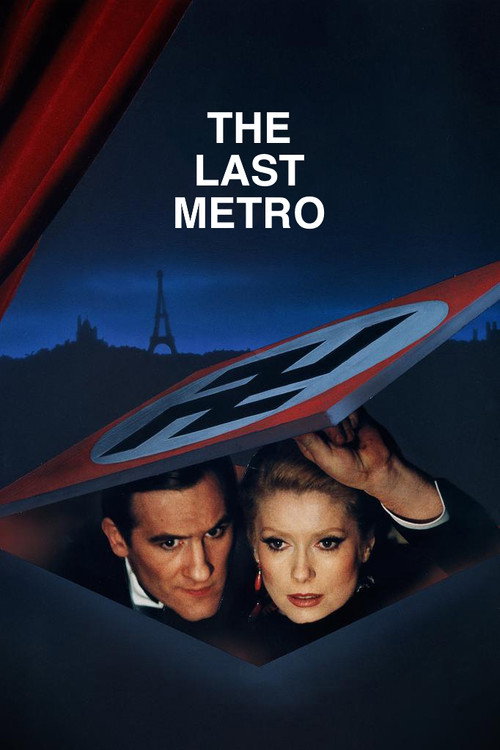
The Last Metro1980
Where Avalon watches American safety from the distance of decades, Truffaut captures the precarious grace of a European-Jewish cultural moment right as it's ending—the world the Krichinsky family's memories hold.
Truffaut's elegant thriller set in occupied Paris, about theater people and hidden identities during the Nazi regime. A love story wrapped in historical urgency—the European Jewish world Avalon references obliquely.
But It's French New Wave in sensibility: romantic, self-conscious, not interested in historical realism. Some find it too stylish for the subject matter.
People
Cast
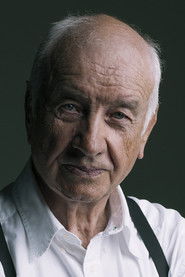 Armin Mueller-StahlSam Krichinsky
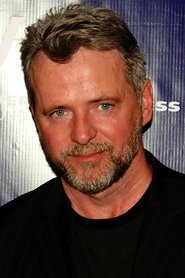 Aidan QuinnJules Kaye
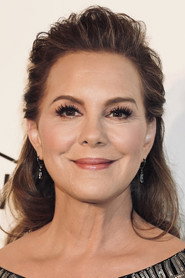 Elizabeth PerkinsAnn Kaye
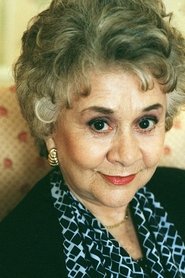 Joan PlowrightEva Krichinsky
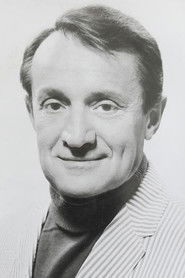 Leo FuchsHymie Krichinsky
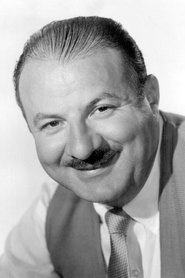 Lou JacobiGabriel Krichynsky
 Eve GordonDottie Krik
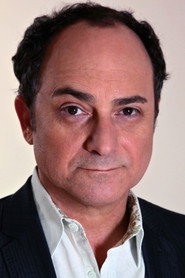 Kevin PollakIzzy Kirke
- Israel RubinekNathan Krichinsky
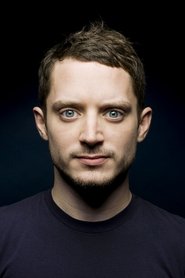 Elijah WoodMichael Kaye
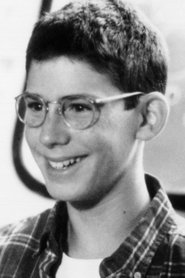 Grant GeltTeddy Kirke
- Mindy Loren IsensteinMindy Kirk
Directing
- Barry LevinsonDirector
Writing
- Barry LevinsonWriter
Production
- Charles NewirthAssociate Producer
- Ellen ChenowethCasting
- Barry LevinsonProducer
- Mark JohnsonProducer