
Film
The Pawnbroker
- Drama
- Very dark
A Harlem pawnbroker, a Holocaust survivor numbed by loss, conducts his business with mechanical cruelty until a young employee's crisis forces him to confront his own calcified heart. Rod Steiger's performance is a masterclass in emotional corrosion. Bleak, urgent, shot in pristine black-and-white: this is American cinema at its most unflinching.
Should you watch it?
Watch it if you want a slow, unflinching character study where a hardened man's grief and memory are examined closely, and you're willing to sit with a bleak, morally heavy portrait of a survivor.
Skip it if you need a story that moves, since this is sombre and deliberate, and its scenes of memory and cruelty linger rather than resolve; the mood stays heavy for almost its full length.
What it asks of you: Sit through a long, measured film of just under two hours, with few lighter moments and a pace that asks you to stay with its silences and its protagonist's guarded, unforgiving stare.
Not sure? Find tonight's pick in a minute.
If you liked this
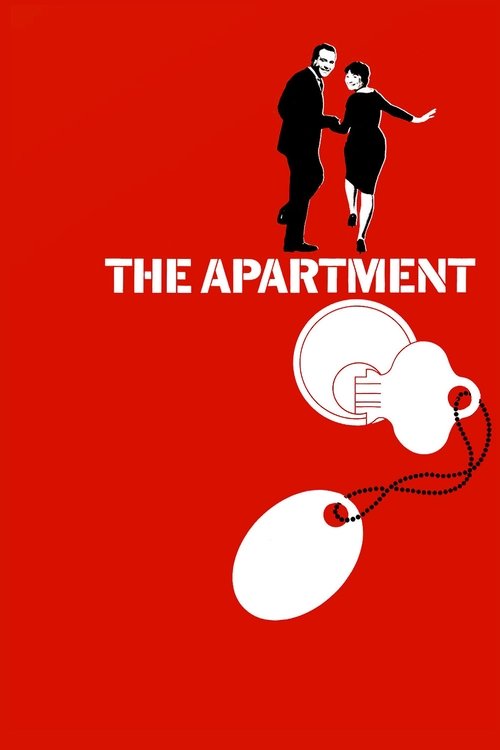
The Apartment1960
A wounded man at the centre of moral compromise, surrounded by the machinery of indifference. Billy Wilder's New York is colder than you'd expect, and the humanity that breaks through is earned rather than given.
But It tilts toward romantic comedy in the second half, which softens the sting considerably. If you want unrelenting bleakness, this isn't quite it.
Requiem for a Dream2000
Four addictions, four descents into hell, shot with a formalist precision that makes despair almost beautiful. Aronofsky captures spiritual death the way Steiger does—as a process, not an event. Devastating and hypnotic.
But Relentlessly, almost tediously bleak. There is almost no lightness anywhere. If you're going through something, this is not the film to watch.

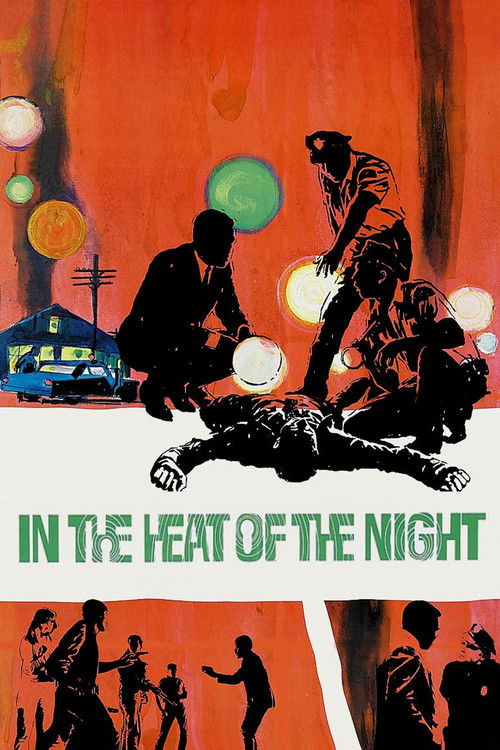
In the Heat of the Night1967
Sidney Poitier as a detective who refuses to absorb the world's contempt, meeting prejudice with intelligence. It's about integrity in a corrupt system—the inverse of Steiger's pawnbroker, and no less powerful for it.
But Bound to its historical moment in ways that can feel dated. The mystery itself is less interesting than the moral argument.
Not sure tonight? Get a pick in a minute, starting from The Pawnbroker
The wildcard
Something you would not have found on your own.
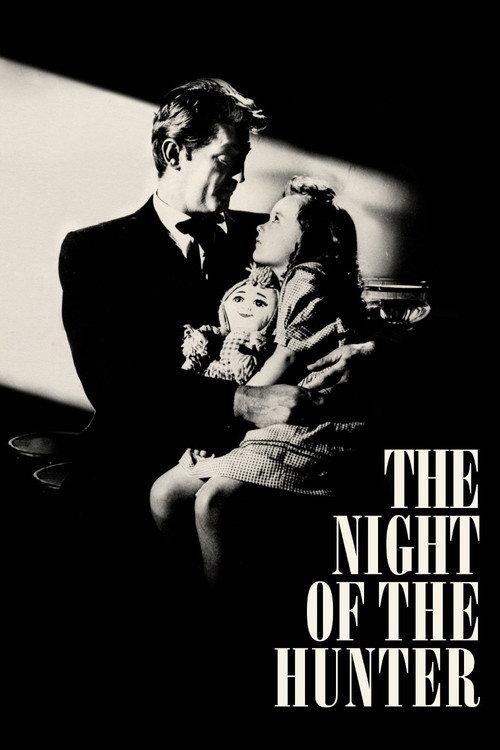
The Night of the Hunter1955
Both are about adults whose relationship to belief—in God, in people, in redemption—has been weaponized against them. Both are shot in black-and-white as moral statement. Both understand that trauma can be transmitted like infection.
Charles Laughton's only directorial effort: a nightmare about predation and childhood terror, shot in expressionist black-and-white that rivals Steiger's film in its visual poetry. A thriller about faith and its corrosion, told with the logic of a fever dream.
But The pacing is languid; it doesn't move like a conventional thriller. Some find Laughton's visual style overwrought rather than powerful. It can feel more like a Gothic nightmare than a realistic story.
More like this (8)
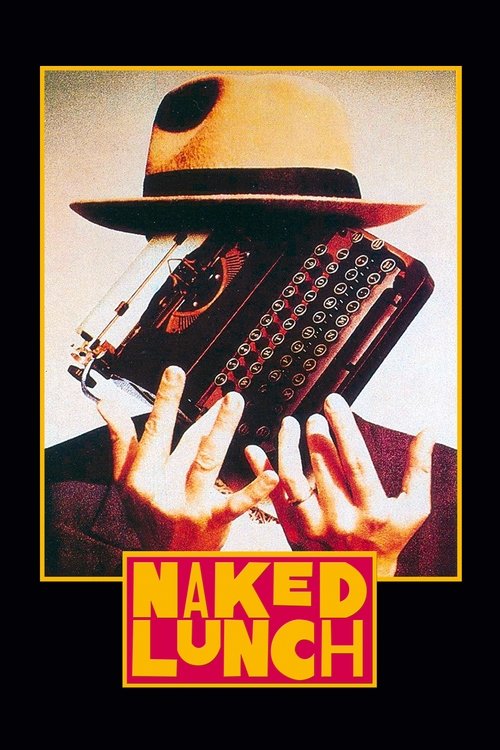
Naked Lunch1991
Cronenberg's adaptation of the unfilmable, a fever dream of addiction and evasion. Like The Pawnbroker, it's about a man whose perceptions have been shattered and cannot be reassembled. A radically different form of the same wound.
But Surrealist and grotesque. If you need plot clarity or traditional narrative, you will find this infuriating rather than illuminating.
Come and See1985
A 14-year-old Soviet conscript watches his world annihilate itself. Shot with a documentary's horror and an artist's precision. The closest any film comes to capturing what Nazerman has survived and cannot forget.
But Not just bleak—actively traumatic. Visually and psychologically punishing. Most people should probably not watch this more than once.

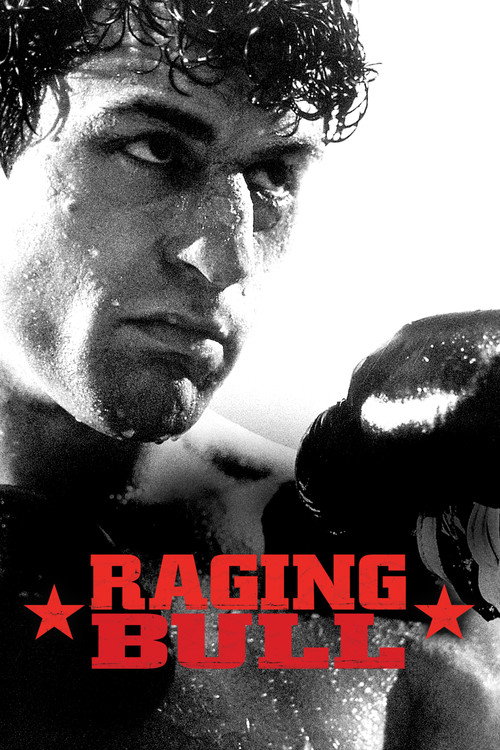
Raging Bull1980
Scorsese and De Niro on self-destruction and the refusal to change. A man who hurts everyone near him because he cannot stop. The black-and-white photography echoes The Pawnbroker's moral starkness.
But The protagonist is often vile and never particularly sympathetic. The violence is as much emotional as physical. Watching Jake LaMotta is exhausting.
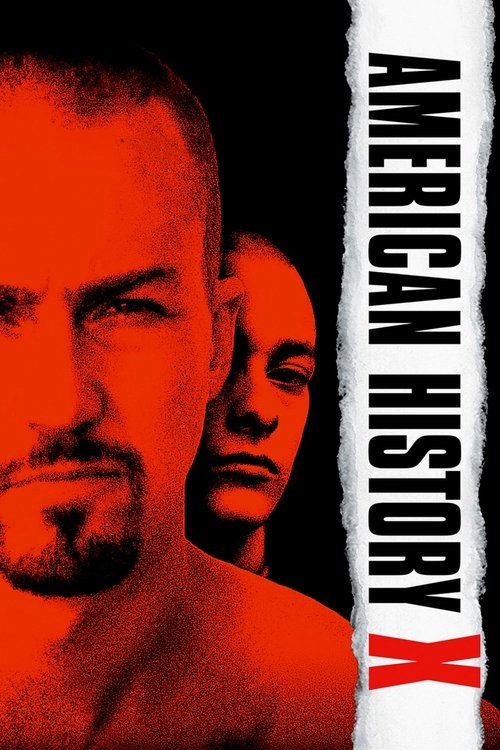
American History X1998
A survivor of his own hatred trying to save his brother from the same poison. The film is about whether that's even possible. Derek Vinyard's journey is The Pawnbroker in reverse—not loss of faith, but difficult resurrection of it.
But It wears its moral lessons heavily. The didacticism can feel like the film doesn't trust the audience to understand what it's saying.
The Killing of a Sacred Deer2017
Yorgos Lanthimos on guilt that cannot be absolved. A surgeon's past comes due in the present, and there is no escape or redemption—only consequence. Cold, composed, merciless.
But Deliberately artificial in tone and staging. Some find it alienating rather than moving. The ending forecloses any comfort.

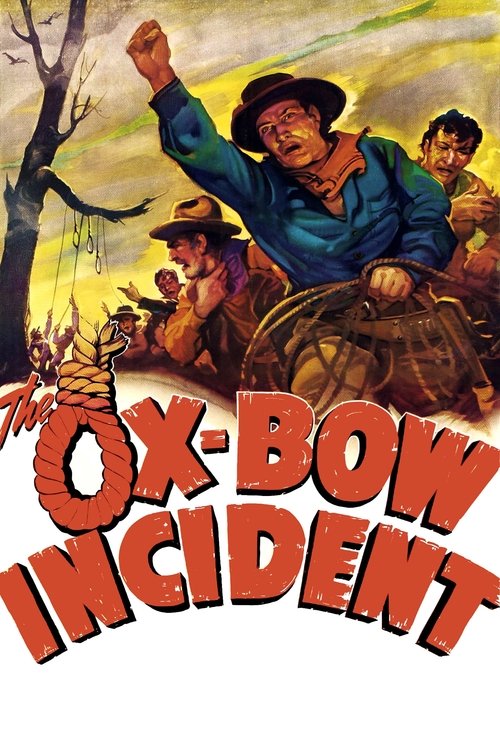
The Ox-Bow Incident1943
Three men on the wrong side of a lynching mob. Henry Fonda's last great role as a man watching collective cruelty and unable to stop it. A smaller, older film, but it has teeth.
But A Western in form only; it's really a chamber piece about mob justice. If you want action or heroism, you'll be disappointed.
Ikiru1952
The inverse of The Pawnbroker. Both are about men who have stopped living and must choose whether to begin again. Both are elegies for the ways we numb ourselves. But Ikiru believes recovery is possible; The Pawnbroker is less sure.
Kurosawa's masterpiece: a dying bureaucrat discovers meaning in the mundane act of service. Where The Pawnbroker is about emotional death in life, Ikiru is about resurrection—modest, unglamorous, true. Achingly beautiful and utterly humane.
But It's slow and patient, concerned with quiet accumulation rather than dramatic incident. The sentimentality could read as false if you're not aligned with Kurosawa's deeper philosophy. Nearly three hours.

Stalker1979
Both are about men estranged from feeling, moving through a dead world. Both suggest that numbness is a kind of death that can happen while breathing. Both use setting—Harlem, the Zone—as a moral landscape. Both earn their bleakness.
Tarkovsky's science-fiction meditation on faith, desire, and spiritual emptiness. Three men journey through a mysterious zone to reach a room that grants wishes—but the journey is the film, and the philosophy is the point. Hypnotic, slow, devastating.
But It runs 163 minutes and has almost no plot. The pace is glacial. Philosophical science fiction demands patience; if you want propulsion or clarity, this will feel like punishment rather than art.

People
Cast
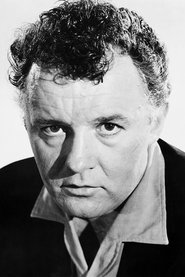 Rod SteigerSol Nazerman
 Geraldine FitzgeraldMarilyn Birchfield
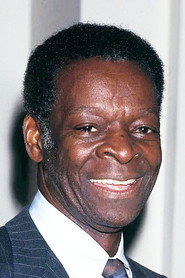 Brock PetersRodriguez
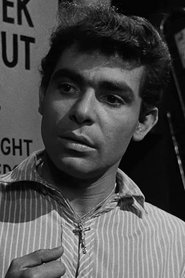 Jaime SánchezJesus Ortiz
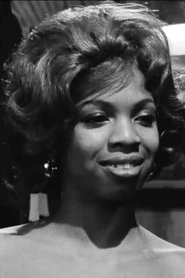 Thelma OliverOrtiz's Girl
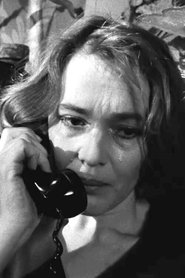 Marketa KimbrellTessie
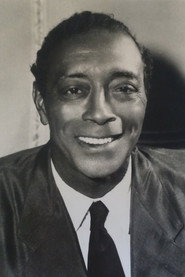 Juano HernándezMr. Smith
 Linda GeiserRuth
- Nancy R. PollockBertha
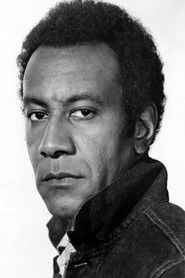 Raymond St. JacquesTangee
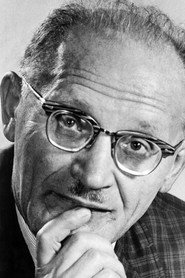 Baruch LumetMendel
 John McCurryBuck
Directing
- Dan EriksenAssistant Director
- Sidney LumetDirector
- Maggie JamesScript Supervisor
Writing
- Edward Lewis WallantNovel
- David FriedkinScreenplay
- Morton S. FineScreenplay
Production
- Jessica LevyCasting
- Worthington MinerExecutive Producer
- Ely A. LandauProducer
- Philip LangnerProducer
- Roger H. LewisProducer
- Ulu GrosbardUnit Manager
Recommended by
The Last Stage, Avalon, Hardcore Pawn, Tall Story, The Ninth Circle, Tevye, The Affair