
Film
The Damned
- Period drama
- Very dark
Luchino Visconti's 1969 masterpiece traces the moral collapse of a German industrial dynasty as Nazism ascends. Sumptuous, baroque, and unflinching, it's a baroque descent into complicity, perversion, and the corrosive seduction of power. Visconti orchestrates decadence like a symphonic structure: every frame is composed, every betrayal is inevitable. For those ready to sit with beauty and horror intertwined.
Should you watch it?
Watch it if you love operatic, decadent period dramas where grand interiors, sumptuous color and moral rot carry the story more than plot, and you don't mind watching power curdle slowly.
Skip it if you want a tight, plot-driven history lesson; this one is theatrical, talky in places, and its excess can feel indulgent rather than illuminating.
What it asks of you: Set aside about two and a half hours for a slow build, crowded ensemble scenes and a tone that stays heavy and unhurried from its opening frames.
Not sure? Find tonight's pick in a minute.
If you liked this
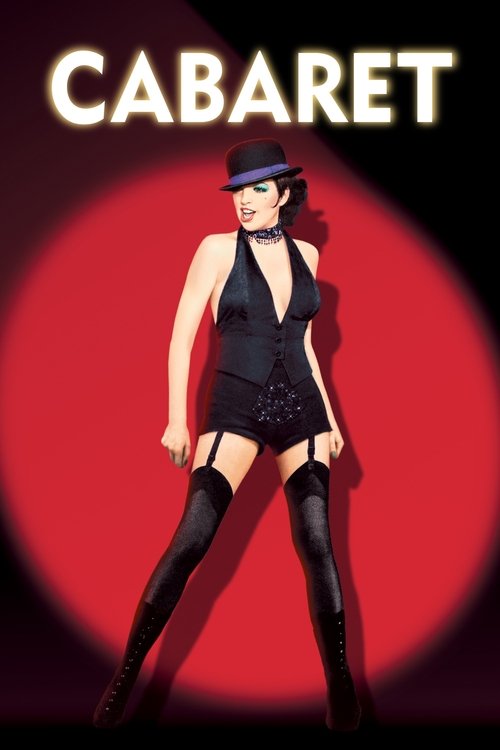
Cabaret1972
Another portrait of Weimar's death-throes, but through the eyes of performers and outsiders. It finds dark comedy and human texture where The Damned finds inexorable doom. Essential counterweight.
But More theatrical and lighter in tone—if you want unrelenting severity, this gentler approach may feel evasive.
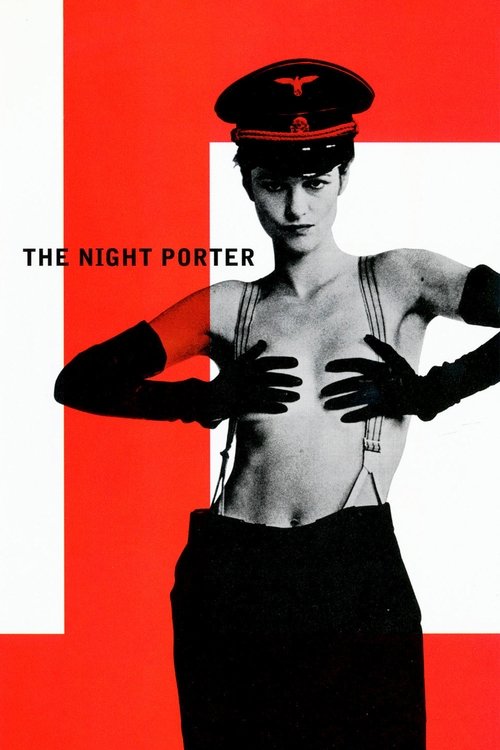
The Night Porter1974
Liliana Cavani's equally provocative chamber piece about lingering Nazi obsession and erotic complicity. Same era, same moral vertigo, but tighter and more claustrophobic. Mesmerizing and sick.
But Intensely uncomfortable viewing. The relationship at its core is designed to disturb, and it does that job thoroughly.
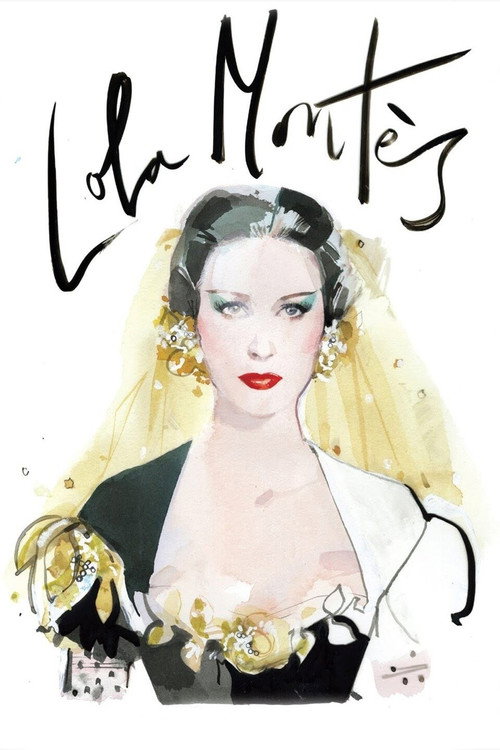
Lola Montès1955
Ophüls' fever-dream about performance, exploitation, and historical spectacle. Uses similar baroque visual language to examine bodies and power. Surreal where Damned is naturalistic, but shares its revulsion at decay.
But A completely different rhythm—more dream than narrative. The non-linear structure may feel frustrating after Damned's linear inevitability.
Not sure tonight? Get a pick in a minute, starting from The Damned
The wildcard
Something you would not have found on your own.
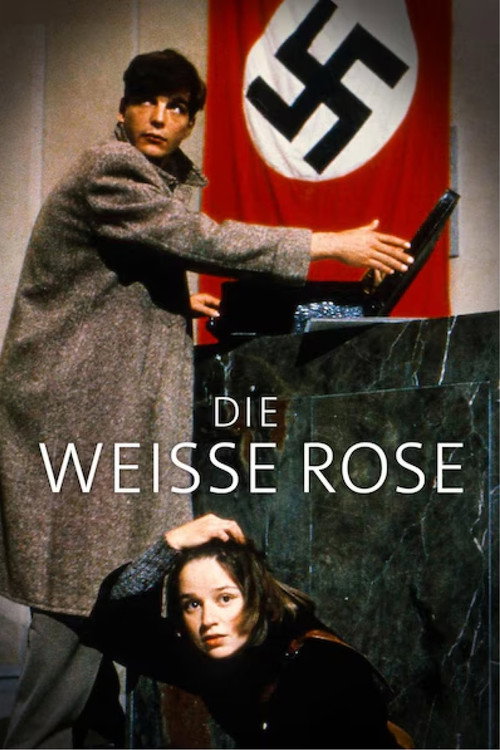
The White Rose1982
Both are German productions examining how ordinary educated people navigated evil, but Verhoeven asks *could you resist?* while Visconti has already decided: you won't.
Michael Verhoeven's crystalline account of real German students who resisted the Nazis from within. Where The Damned charts complicity, this documents conscience. German-language; restrained and devastating.
But Quiet and austere—the opposite of Visconti's theatrical fury. Some find docudrama restraint less gripping than melodrama.
More like this (7)
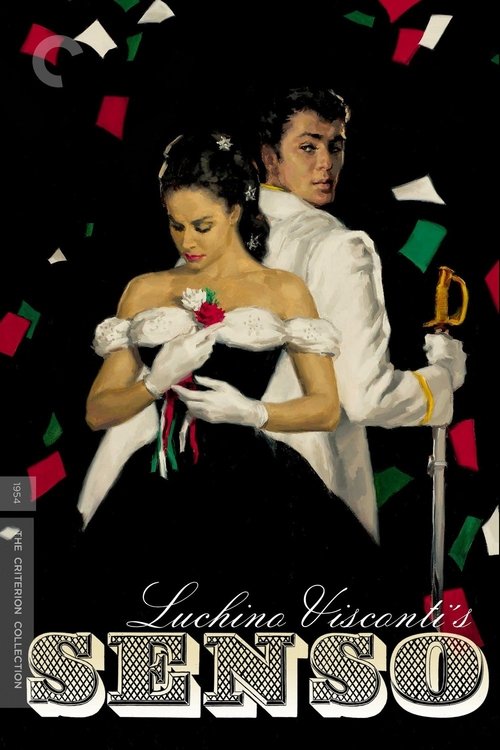
Senso1954
Visconti's earlier Italian drama about passion and betrayal during the Austro-Hungarian occupation. Gorgeous Technicolor melodrama with moral teeth. Shows his mastery of intimate corruption.
But The romantic plot can feel overwrought if you're impatient with emotional excess. Very much of its era in pacing.
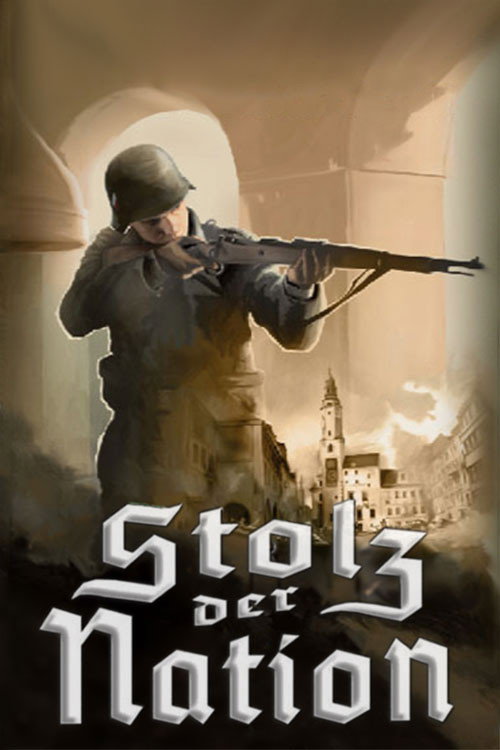
Stolz der Nation2009
Tarantino's Nazi revenge fantasy uses genre thrills to examine power, spectacle, and the stories we tell about evil. Lets you feel what The Damned cannot: cathartic satisfaction.
But Tonal whiplash. Quips and violence where The Damned offers only dread. Some find the genre games trivializing.
M1931
Fritz Lang's precise descent into corruption and mob justice in Weimar Germany. Shorter and more focused than The Damned, but asks similar questions about complicity and moral breakdown in systems.
But Silent and stark to a degree that makes The Damned look sensual. A different kind of severity.

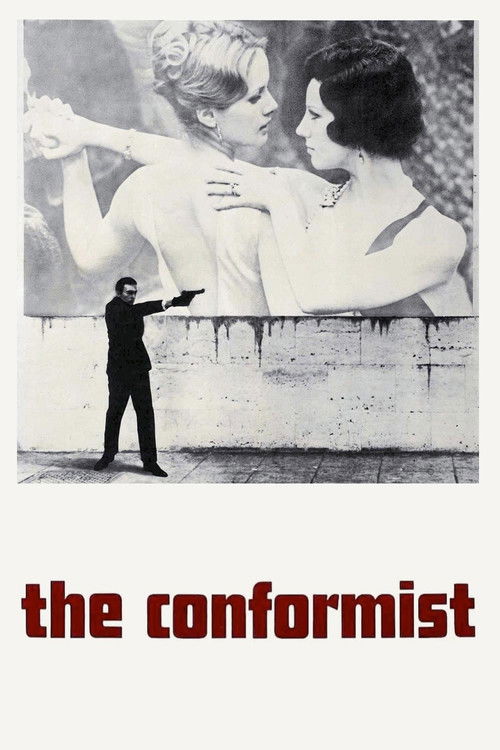
The Conformist1971
Bertolucci's exploration of a man's journey into Fascism through sexuality and repression. Psychologically acute where The Damned is sociological. Both haunt in different registers.
But More interior and philosophical. If you're coming to The Damned for historical events, this abstraction may feel oblique.
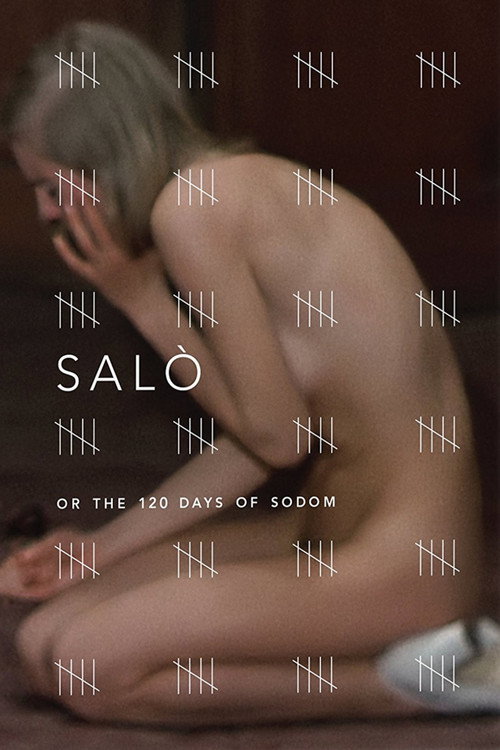
Salò, or the 120 Days of Sodom1976
Pasolini's confrontational final work transposes 18th-century libertinism onto a Fascist microcosm. Shares The Damned's conviction that totalitarianism and moral dissolution are inseparable.
But Genuinely unwatchable for many: relentless depictions of degradation. An endurance test, not an evening.
Stalker1979
Both view the pursuit of absolute power or absolute desire as inherently corrupting, but one makes it visible in a family and ballroom, the other in spiritual landscape.
Tarkovsky's philosophical science-fiction about desire, power, and the corruption of ideals. Formally opposite to The Damned—slow, meditative, abstracted—yet equally concerned with how systems degrade the human spirit.
But Nearly three hours of metaphysical meandering with minimal plot. If you want narrative momentum, this is the opposite direction.

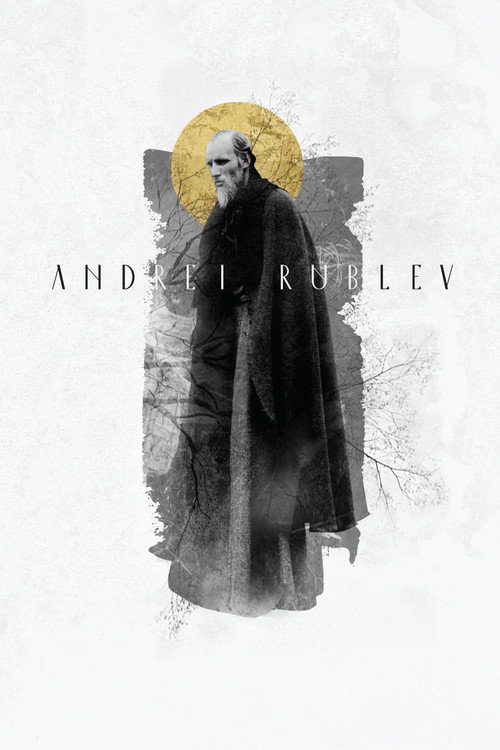
Andrei Rublev1966
Both are lengthy period dramas shot in exquisite color, both obsessed with how power corrupts or constrains human genius, but where The Damned shows surrender, Rublev argues for transcendence.
Tarkovsky's earlier epic about art and survival under authoritarian rule in medieval Russia. Uses similar regal visual language but inverts Damned's message: creation persists even when institutions crumble.
But Epic and demanding in a different language and historical register. Less direct connection means harder entry point.
People
Cast
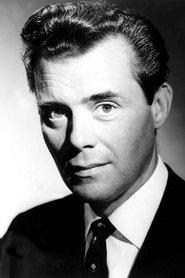 Dirk BogardeFrederick Bruckmann
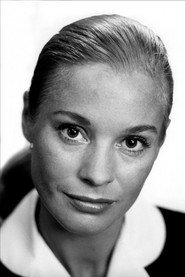 Ingrid ThulinSophie Von Essenbeck
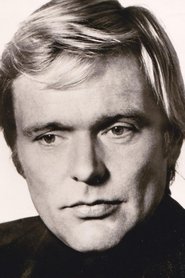 Helmut GriemAschenbach
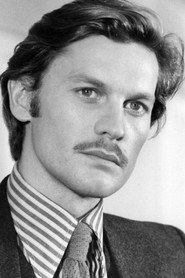 Helmut BergerMartin Von Essenbeck
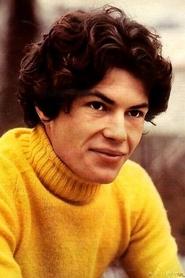 Renaud VerleyGünther Von Essenbeck
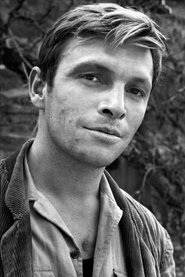 Umberto OrsiniHerbert Thallman
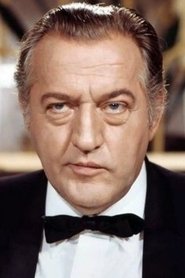 Reinhard KolldehoffKonstantin von Essenbeck
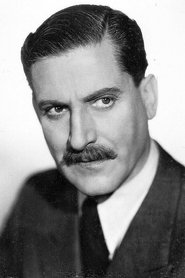 Albrecht SchoenhalsBaron Joachim Von Essenbeck
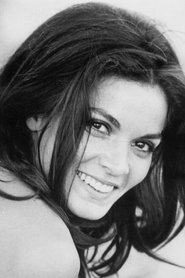 Florinda BolkanOlga
 Nora RicciGoverness
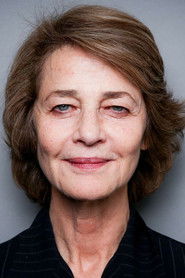 Charlotte RamplingElisabeth Thallman
 Irina WankaLisa Keller
Directing
- Albino CoccoAssistant Director
- Fanny WesslingAssistant Director
- Rometta PietrostefaniContinuity
- Luchino ViscontiDirector
Writing
- Enrico MedioliScreenplay
- Luchino ViscontiScreenplay
- Nicola BadaluccoScreenplay
- Enrico MedioliStory
- Luchino ViscontiStory
- Nicola BadaluccoStory
Production
- Attilio D'OnofrioAssociate Producer
- Pietro NotarianniExecutive Producer
- Alfred LevyProducer
- Ever HaggiagProducer
- Giuseppe BordogniProduction Manager
- Anna DaviniProduction Supervisor
- Bruno SassaroliProduction Supervisor
- Ernst EgererProduction Supervisor
- Gilberto ScarpelliniProduction Supervisor
- Hugo LeebProduction Supervisor
- Umberto SambucoProduction Supervisor
Recommended by
The Conformist, Death in Venice, The Night Porter, Lacombe, Lucien, A Generation, Salon Kitty, Aimée & Jaguar, The Marriage of Maria Braun, The Third Generation, The Skin of Our Teeth, Dastak, Conversation Piece, Lili Marleen, Hitler's SS: Portrait in Evil, Emmanuelle