
Film
Lili Marleen
Rainer Werner Fassbinder's swooning melodrama about a Swiss-German singer and a Jewish composer caught between love and the machinery of Nazi Germany. It's a film of operatic emotion and moral ambiguity, where a beautiful song becomes a weapon and innocence is a luxury no one can afford. For those who want their wartime romance complicated, sensual, and unresolved.
If you liked this
The Third Man1949
Postwar Vienna, forbidden love, moral corruption, and a zither score that haunts you for days. Carol Reed's masterpiece about how easily good people become complicit in bad systems.
But It moves at a deliberate pace, and the famous twist finale divides viewers on whether it earns its emotional weight.

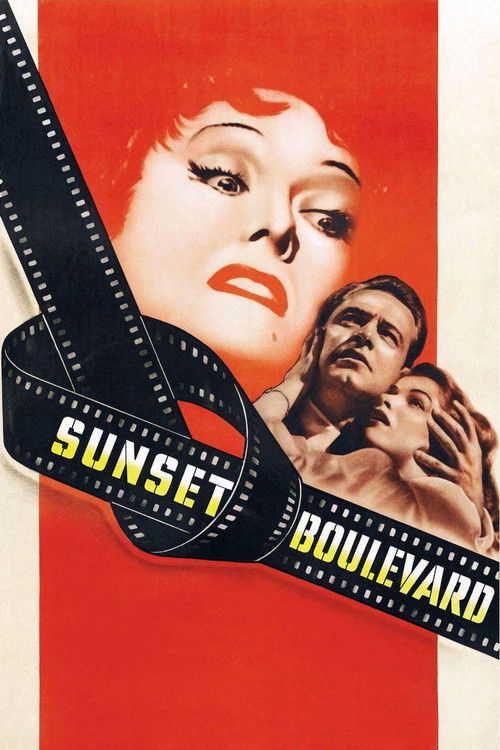
Sunset Boulevard1950
A decaying star and the man who exploits her, shot in lurid black-and-white. Billy Wilder's savage portrait of fame as a kind of slow death, told with gallows humour and real cruelty.
But It's deeply cynical about human nature, and the protagonist's passivity can feel infuriating rather than tragic.
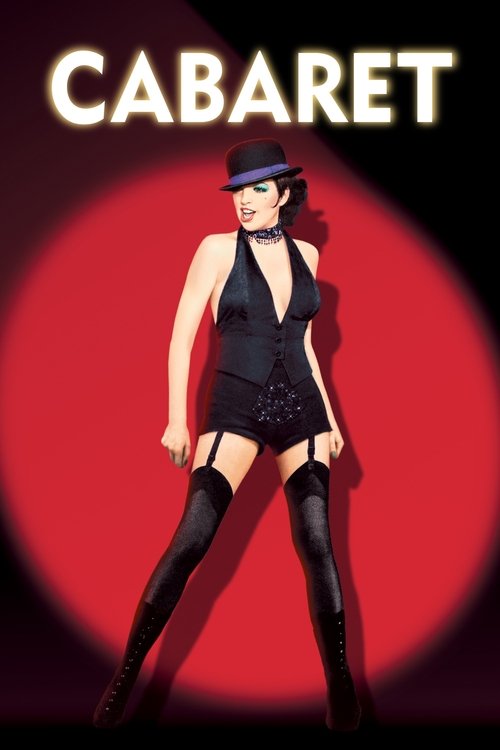
Cabaret1972
A nightclub singer in 1930s Berlin watches fascism creep in while performing songs that pretend nothing is happening. Bob Fosse's film uses the stage itself as a metaphor for denial and complicity.
But The musical numbers can feel disconnected from the darker material, and some find the tonal whiplash distracting.
Not sure tonight? Get a pick in a minute, starting from Lili Marleen
The wildcard
Something you would not have found on your own.
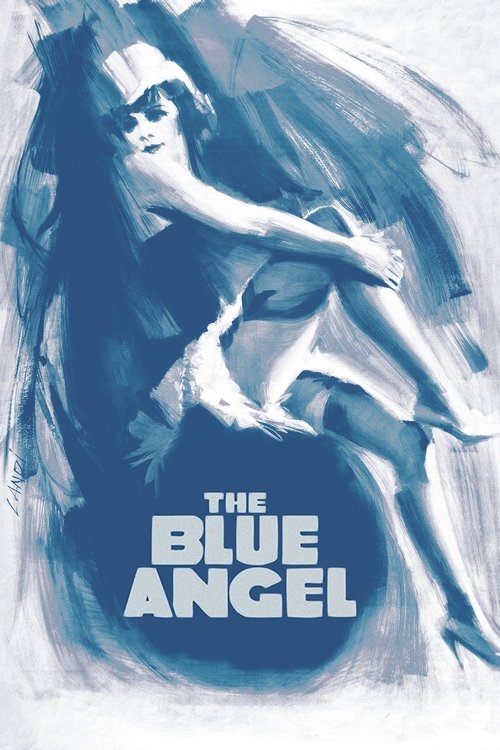
The Blue Angel1930
Both films use a female performer and a song as the emotional and moral centre of a story about German corruption and historical inevitability. Both ask what happens when beauty becomes complicit with evil.
Josef von Sternberg's Weimar masterpiece: a respectable professor destroyed by desire for a cabaret singer. Marlene Dietrich is luminous and cruel; the film captures the decadence and doom of pre-Nazi Germany in every frame.
But It's a silent film with musical interludes, and the print quality varies; some patience required, but the reward is immense.
More like this (7)
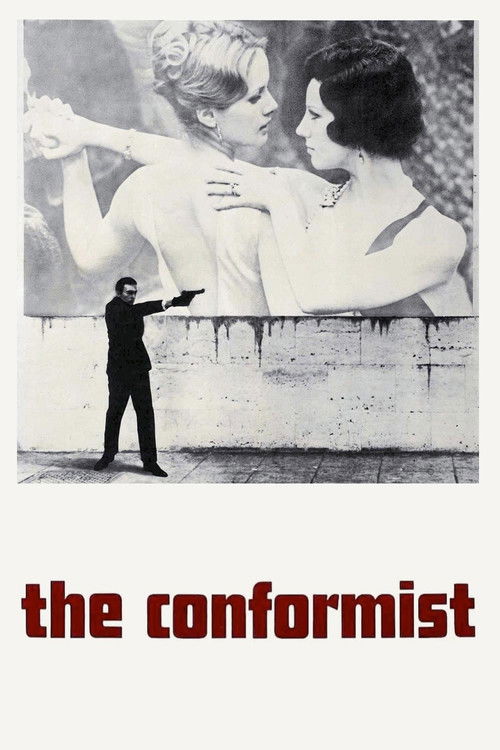
The Conformist1971
Bernardo Bertolucci's hypnotic study of a man who murders for fascism to feel normal. Visually operatic, morally suffocating, with cinematography that makes evil look seductive.
But It's elliptical and dream-like; plot clarity takes a backseat to mood and visual language.
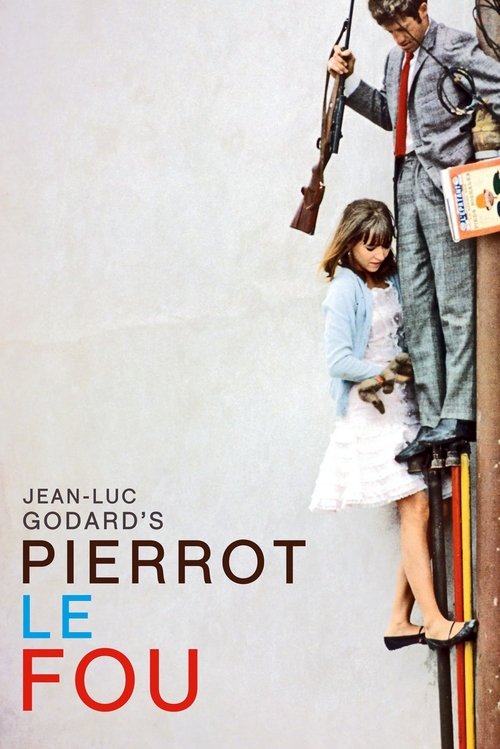
Pierrot le Fou1965
Godard's blistering romance between a bored man and a beautiful woman. They flee into colour, into themselves, into cinema itself—until the film turns savage and you realize you've been watching a love song turn into a requiem.
But It's anarchic and deliberately frustrating; if you want narrative coherence, you will not find it here.
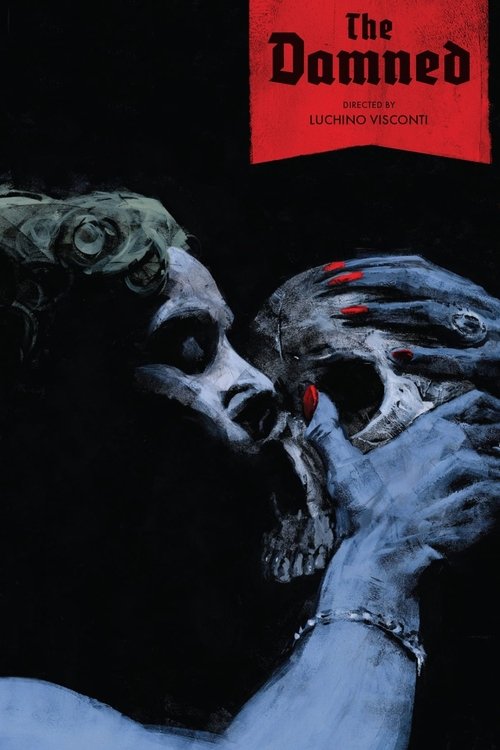
The Damned1969
Luchino Visconti's baroque nightmare of a wealthy German family's descent into Nazism. Voluptuous, grotesque, operatic—a film that treats fascism like a family disease transmitted through money and sex and ambition.
But It's extremely long, extremely dark, and features sexual violence that feels deliberately nauseating rather than titillating.
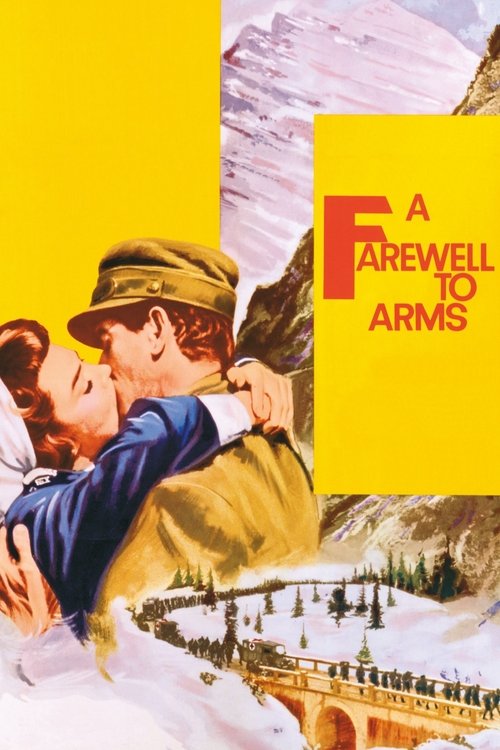
A Farewell to Arms1957
War separates two lovers; Rock Hudson and Jennifer Jones navigate the wreckage of the First World War with genuine tenderness. David O. Selznick's lush adaptation finds heartbreak in the gap between what people want and what history allows.
But The scale can feel small given the subject matter; you're watching two people's sorrow when the world is ending.
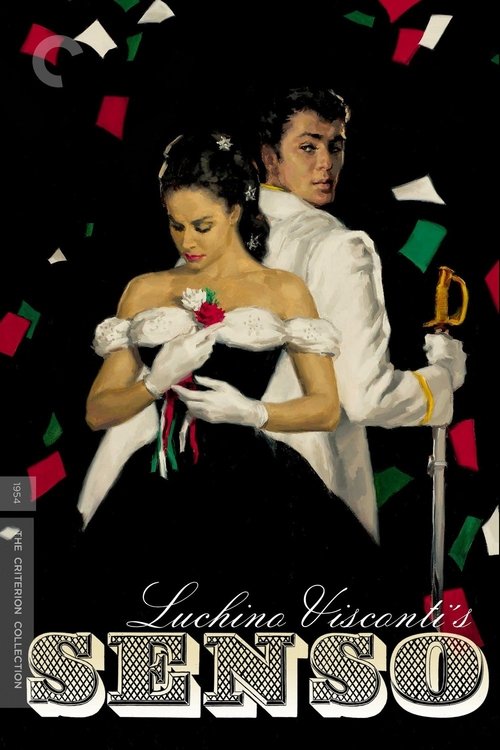
Senso1954
Luchino Visconti's Venetian tragedy of a countess and an Austrian officer during the Austro-Hungarian occupation. Colour burns off the screen; it's a film about how passion and politics can never be separated, only pretended to be.
But The pacing is glacial, and the female lead's ultimate choice may feel like punishment rather than resolution.
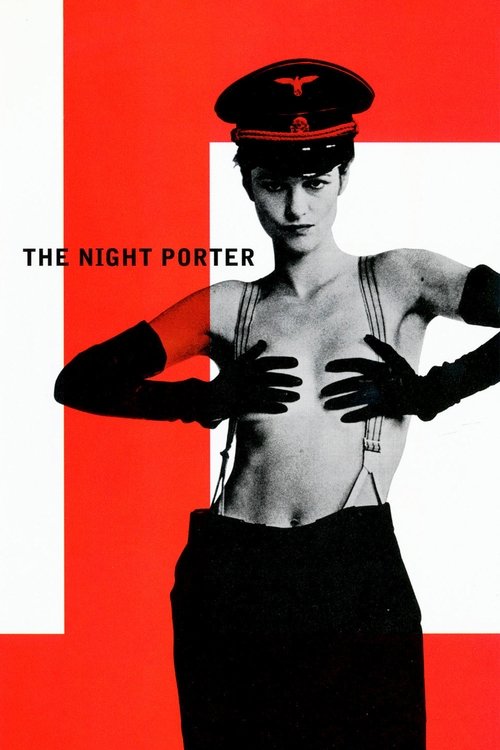
The Night Porter1974
A Nazi officer and a concentration camp survivor meet in a Vienna hotel and their sadomasochistic relationship becomes a metaphor for historical trauma. Liliana Cavani's film is audacious, unsettling, and impossible to look away from.
But It uses the Holocaust as erotic material, which many find obscene; the film's moral position on its own subject is deliberately murky.
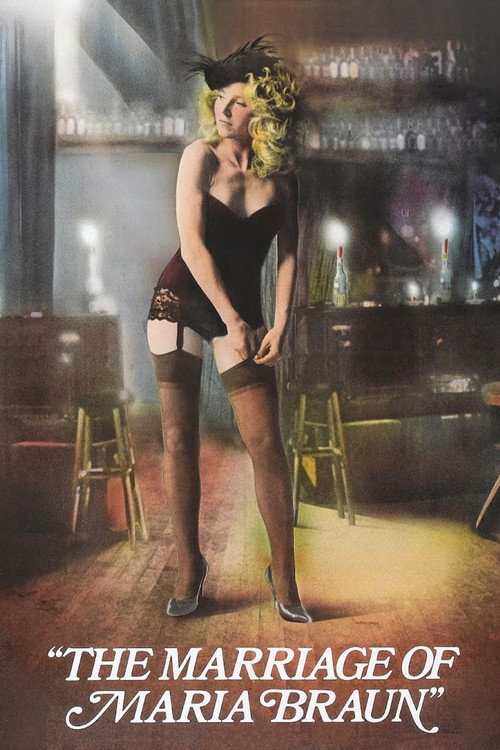
The Marriage of Maria Braun1979
Same director, same era, same German rubble. Where Lili Marleen swoons, this one calculates. Together they form Fassbinder's thesis on postwar female survival.
Fassbinder's own film, made just before Lili Marleen, about a woman who sleeps with American soldiers to survive postwar Germany. It's a companion piece: same director, same moral questions about survival and dignity, but told as a bracing economic thriller rather than melodrama.
But It's colder and more clinical than Lili Marleen; if you want emotion, this film withholds it on purpose.
People
Cast
 Hanna SchygullaWillie
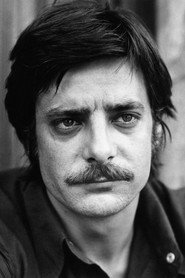 Giancarlo GianniniRobert
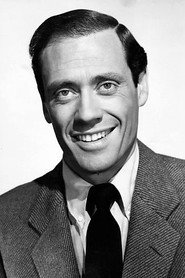 Mel FerrerDavid Mendelssohn
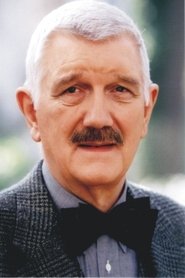 Karl-Heinz von HasselHenkel
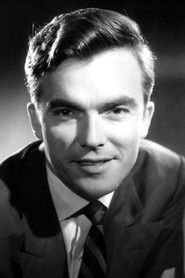 Erik Schumannvon Strehlow
 Hark BohmTaschner
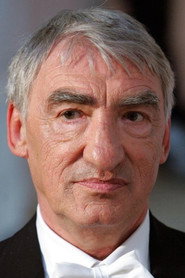 Gottfried JohnAaron
 Karin BaalAnna Lederer
 Christine KaufmannMiriam
 Udo KierDrewitz
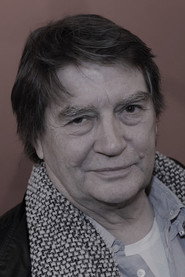 Roger FritzKauffmann
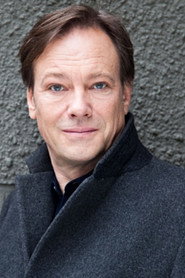 Rainer WillBernt
Directing
- Rainer Werner FassbinderDirector
Writing
- Werner UschkuratDialogue
- Joshua SinclairScreenplay
- Manfred PurzerScreenplay
- Rainer Werner FassbinderScreenplay
Production
- Enzo PeriProducer
- Luggi WaldleitnerProducer
- Rolf ZehetbauerProduction Designer