
Film
Five Days One Summer
A 1982 Zinnemann film about a Scottish doctor and his niece on an Alpine climbing expedition, where a dangerous deception unravels against spectacular mountain scenery. It's a quietly tense chamber piece—intimate, morally complicated, visually ravishing. For those drawn to restraint and romantic entanglement with real consequences.
If you liked this
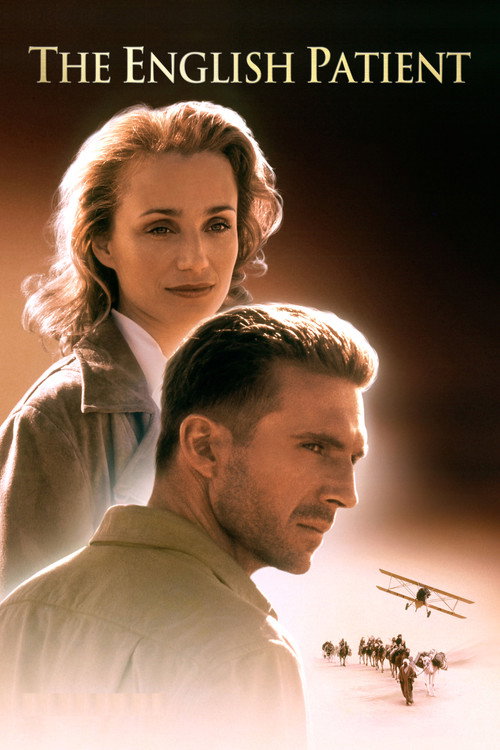
The English Patient1996
Epic romantic tragedy set against wartime landscapes. Like Five Days, it's about desire that cannot be spoken aloud, told through flashback, with stunning cinematography making geography part of the emotional story.
But Nearly four hours long. The fractured timeline can feel frustratingly opaque on first viewing, and some find the romance overwrought.
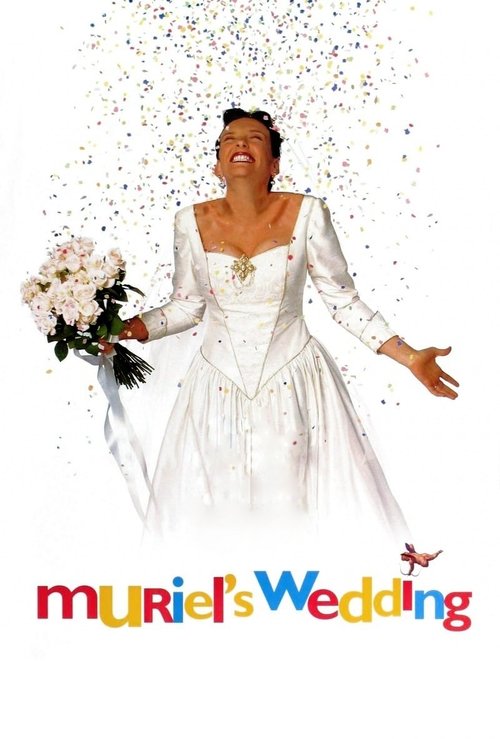
Muriel's Wedding1994
Australian film about a woman escaping an oppressive social world through a dangerous lie. Shares the theme of deception as a survival mechanism, and the mounting cost when reality intrudes.
But Tonal shifts between comedy and genuine darkness. The humour is sometimes abrasive, and it lacks the elegance of Zinnemann's approach.
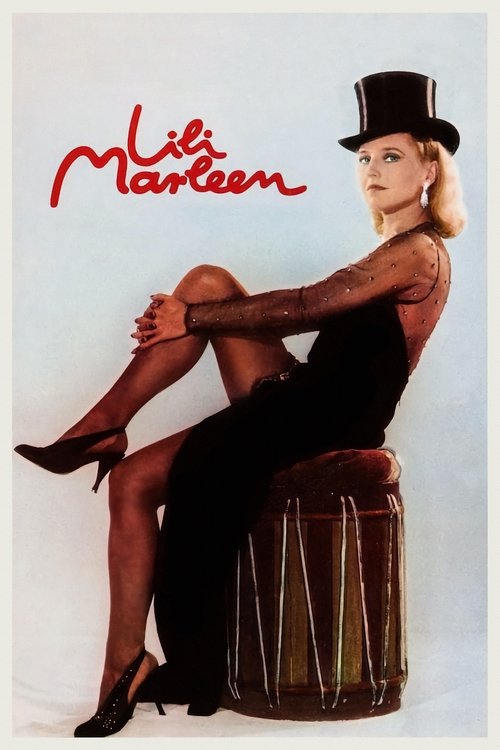
Lili Marleen1981
Fassbinder's film about a Swiss singer and a Jewish composer during WWII. Forbidden romance, moral compromise, the beautiful and the terrible occupying the same frame. Released the year before this one.
But Deliberately artificial in places. Fassbinder's style demands patience, and the emotional payoff is bleak rather than cathartic.
Not sure tonight? Get a pick in a minute, starting from Five Days One Summer
The wildcard
Something you would not have found on your own.
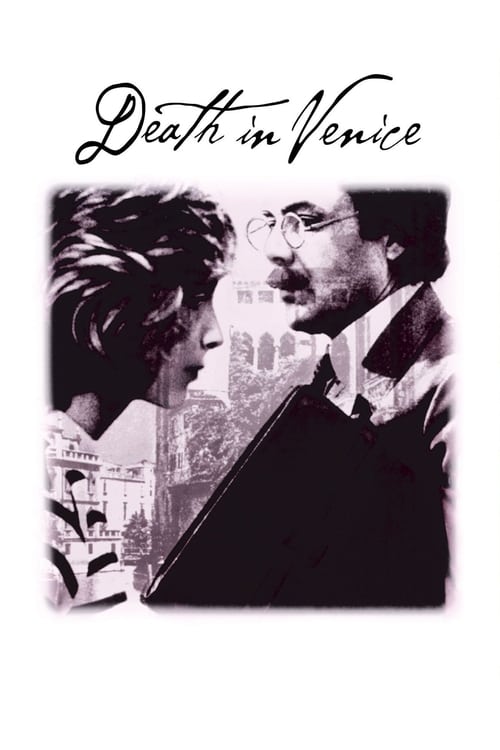
Death in Venice1971
Both charts the psychology of an older man unable to acknowledge or control an attraction to a younger woman. Both are about the architecture of self-deception and what happens when it collapses.
Visconti's operatic portrait of obsession—an aging man consumed by desire for beauty he cannot have, in a gorgeous setting where everything is slowly breaking down. Same moral architecture as Five Days: complicity, self-deception, the price of wanting what you shouldn't.
But Extremely deliberate pacing. Thomas Mann's novella is dense with internal philosophy, and Visconti renders it visually rather than spelling it out. Can feel glacial.
More like this (8)
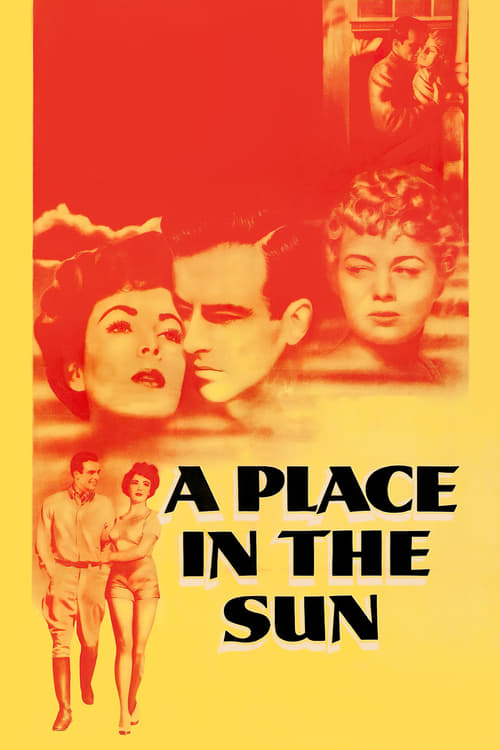
A Place in the Sun1951
Stunning Stevens and Clift as lovers in impossible circumstances. A moral labyrinth dressed up as melodrama. The moral vertigo—being made to sympathize with someone indefensible—is exactly what Five Days achieves.
But The pacing is deliberate, sometimes stately. And the ending, while honest, offers no comfort.
Brief Encounter1945
Coward and Johnson as ordinary people meeting in ordinary spaces, and the whole structure of their lives threatening to crack. About desire as something that happens to you, not something you choose.
But British restraint can read as coldness. The emotional register is so controlled it may feel distant rather than intimate.

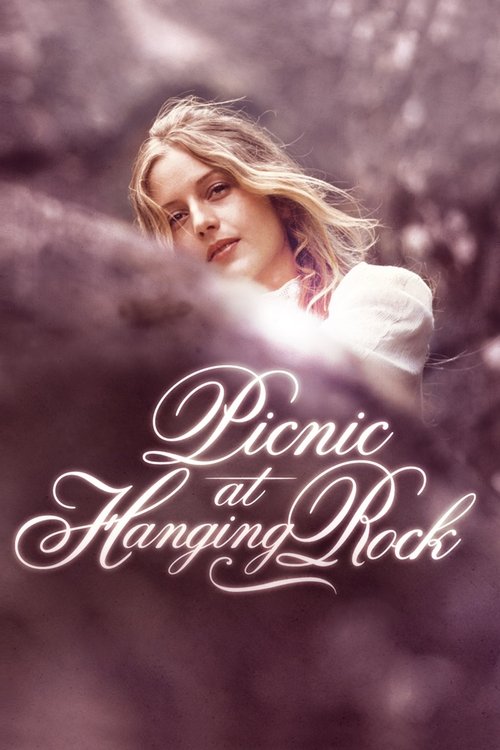
Picnic at Hanging Rock1975
Weir's masterpiece about mystery and desire in Australian wilderness. Like Five Days, the landscape is alive, morally ambiguous, and the real horror is what the characters do to each other in pursuit of secrets.
But Deliberately withholding about what it's really about. Some viewers find this frustrating rather than intriguing.
The Remains of the Day1993
Stevens again, suppressing his own needs for duty and hierarchy. A lifetime of unsaid things. The moral reckoning at the end has the same quiet, devastating quality as Zinnemann's work.
But Very interior. The dramatic climaxes are conversations, not events. Requires patience with understatement.

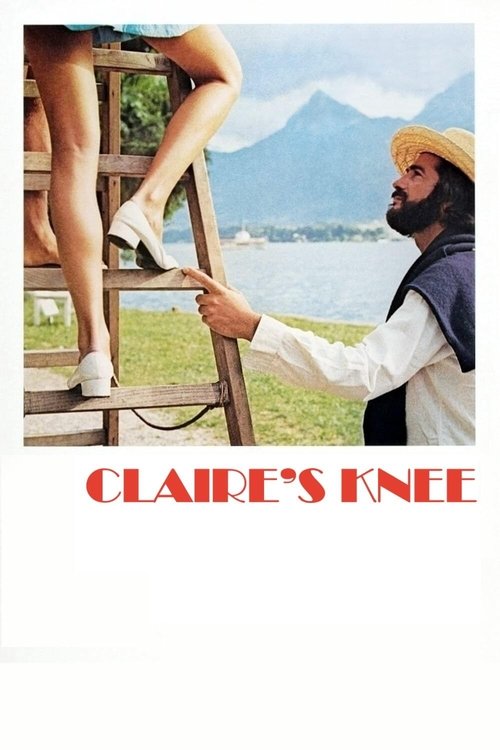
Claire's Knee1970
Rohmer's film about a man becoming obsessed with a young woman during a summer by a lake. Like Five Days, it's about how desire distorts perception, and the narrator cannot be trusted about his own motivations.
But Minimal plot. Extremely wordy. Long passages of characters talking about feelings rather than feeling them directly.
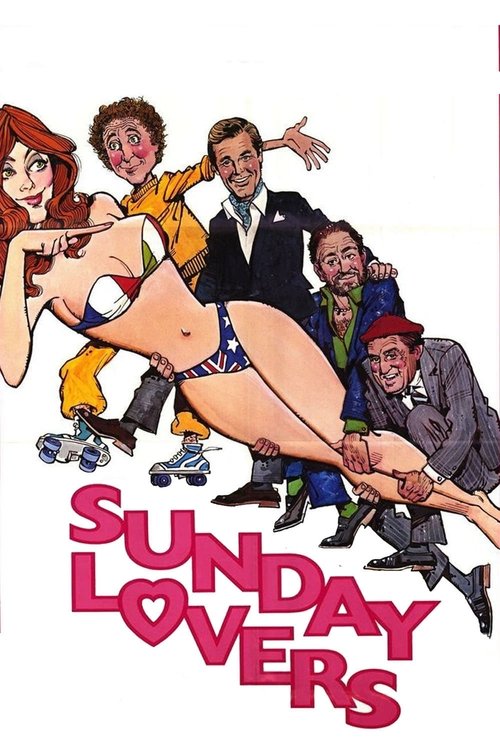
Sunday Lovers1980
Episodic Dino Risi film with Connery in one segment as a man pursued by a woman in Rome. Lightweight, but it's Connery in a similar register—mature, caught off-guard by feeling he can't quite manage.
But Uneven anthology structure. Other segments are mediocre, so you're essentially watching a 30-minute short. Difficult to find complete.
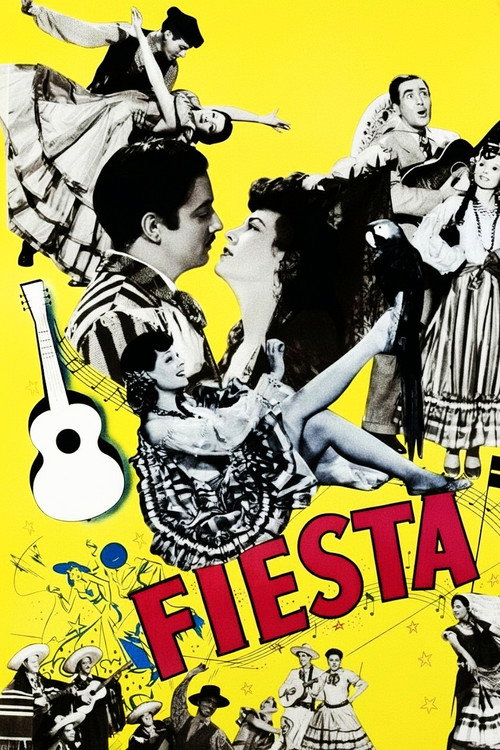
Fiesta1941
Both are films where the landscape—mountains, Spain, the ritual of a way of life—is as much a character as any of the people, and serves as a kind of moral mirror to the characters' choices.
Mexican color cinematography (rare for its era), a story about bullfighting and forbidden desire. American studio film, but shot partly on location with visual language that feels almost anthropological. A curio that absolutely sings.
But The narrative is thin, and the American leads feel out of place against the landscape. Plot matters less than spectacle, which won't work for everyone.
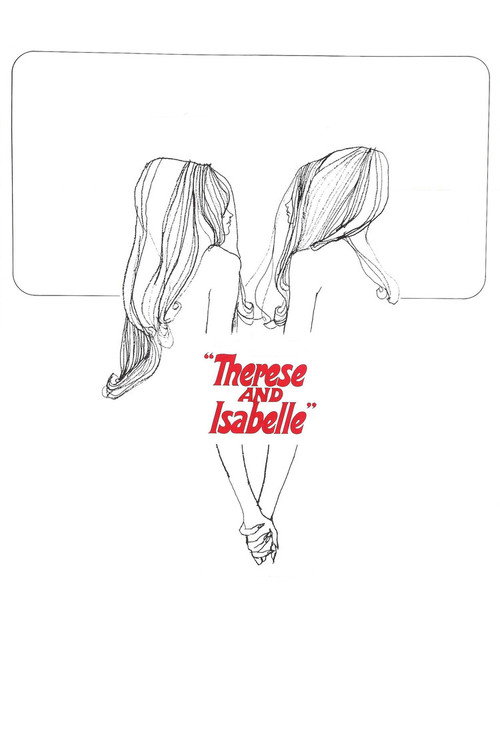
Therese and Isabelle1968
Both are about deception and desire existing in beautiful, contained spaces. Both ask: what do we owe the people who love us when we cannot love them back the way they want?
Forbidden intimacy between two schoolgirls, shot in exquisite black-and-white by Alain Robbe-Grillet. Quiet, sensual, morally complex. About being young and knowing you're living outside the rules, and not quite knowing who you are as a result.
But Extremely oblique. It's more about texture and atmosphere than narrative. Openly sexual in a formal, almost clinical way that some find alienating.
People
Cast
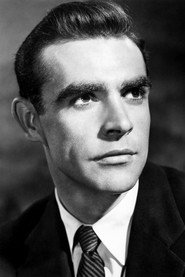 Sean ConneryDouglas Meredith
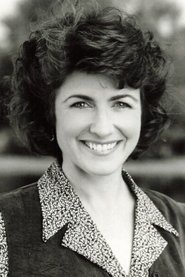 Betsy BrantleyKate
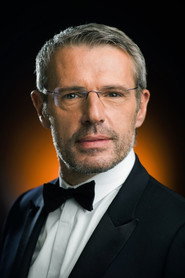 Lambert WilsonJohann Biari
 Isabel DeanKate's Mother
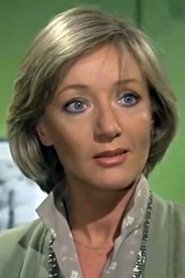 Jennifer HilarySarah Meredith
 Anna MasseyJennifer Pierce
- Gérard BuhrBrendel
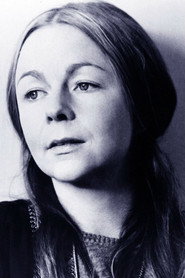 Sheila ReidGillian Pierce
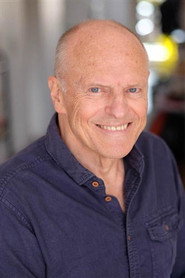 Georges ClaisseDieter
- Kathy MarothyDieter's Wife
- Terry KingleyGeorg
- Emilie LihouOld Woman
Directing
- Fred ZinnemannDirector
Writing
- Kay BoyleShort Story
- Michael AustinWriter
Production
- Anna KordaCasting
- Margot CapelierCasting
- Mary SelwayCasting
- Peter BealeExecutive Producer
- Fred ZinnemannProducer