
Film
Picnic at Hanging Rock
Peter Weir's Australian gothic sends a group of schoolgirls into the bush on a summer picnic and never brings some of them back — and never explains why. It's less mystery than mood: hazy, sun-bleached, scored with pan flute and insect drone, more interested in dread than answers. For anyone who wants beauty that unsettles rather than comforts, and doesn't need a resolution to feel satisfied.
If you liked this
Midsommar2019
Ari Aster swaps the rock for a Swedish meadow but keeps the same trick — dread blooming in broad daylight, disappearance treated as ritual rather than crime. Modern master class in sunlit horror.
But Far more graphic and confrontational than Weir's restraint, with body horror Picnic never comes near.
The Virgin Suicides2000
Sofia Coppola's debut shares that same gauzy, elegiac register — teenage girls made mythic and unknowable by the boys who narrate them, tragedy left permanently out of reach.
But Suburban Michigan swaps the sublime landscape for domestic claustrophobia; smaller and sadder rather than eerie.
The Beguiled2017no page yet
Another all-girls school, another outsider disturbing a fragile order, another heatwave standing in for the Australian bush. Coppola again, turning repression into something closer to thriller.
But It resolves into plot and consequence where Picnic refuses to; the ambiguity gets traded for a clean, dark ending.
The wildcard
Something you would not have found on your own.
L'Avventura1960
Same premise, decades earlier — a group outing, a woman who walks off into rock and vanishes — but Antonioni uses it to interrogate boredom and alienation rather than atmosphere and myth.
Fifteen years before Picnic, Antonioni had a woman vanish on a rocky island during a pleasure trip — and simply let the search go nowhere, forever. This is the blueprint for treating disappearance as philosophy rather than plot.
But Glacially paced and emotionally cool even by arthouse standards; patience is required and there's no payoff for it.
More like this (8)
Wake in Fright1971no page yet
Made just a few years before Picnic and just as obsessed with the Australian landscape's power to unmake a person, this turns the same dread savage and male.
But Brutal, sweaty, and mean-spirited where Picnic is hushed — this is nightmare, not reverie.
The Falling2015no page yet
A British girls' school gripped by fainting spells no one can explain — Weir's mood transplanted to the 1960s, with the same sense that adolescence itself is a kind of possession.
But Less visually sumptuous, and its ending commits to psychological explanation in a way Picnic pointedly avoids.
Walkabout1971
Nicolas Roeg's outback is as much a character as Weir's rock — indifferent, ancient, faintly hostile to the children who wander into it and come out changed.
But Structured more as survival story than mystery; the ambiguity sits in meaning rather than plot.
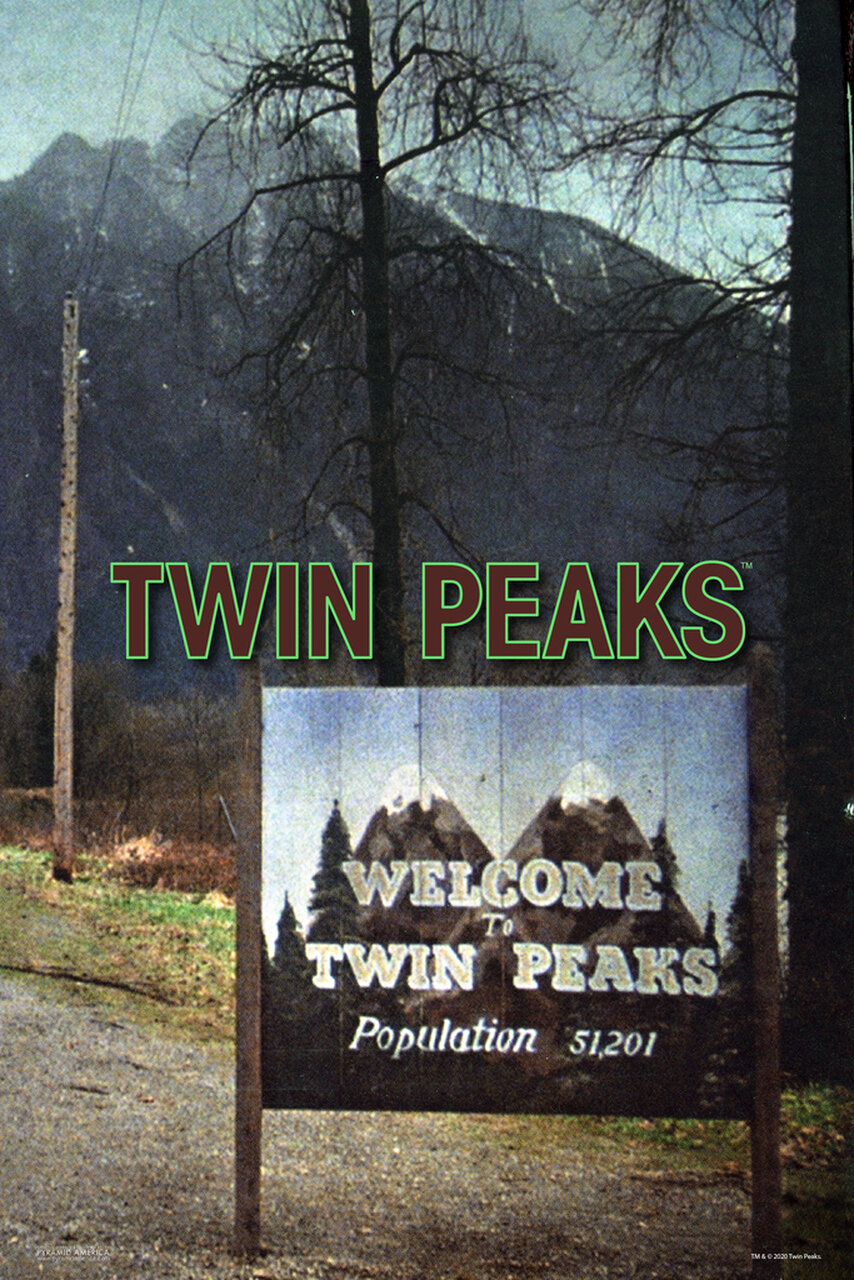
Twin Peaks1990
A vanished girl, a town that can't explain itself, a slow spiral into the uncanny — Lynch proves the same trick works stretched across hours instead of held in a single afternoon.
But A long, digressive commitment with tonal whiplash between soap opera and horror that Picnic never risks.
The Last Wave1977no page yet
Weir's own follow-up, chasing the same idea — white Australia colliding with something older and unexplainable buried in the land itself. Quieter and stranger than his later work.
But Slower and more opaque even than Picnic; it asks patience for an answer that never fully arrives.
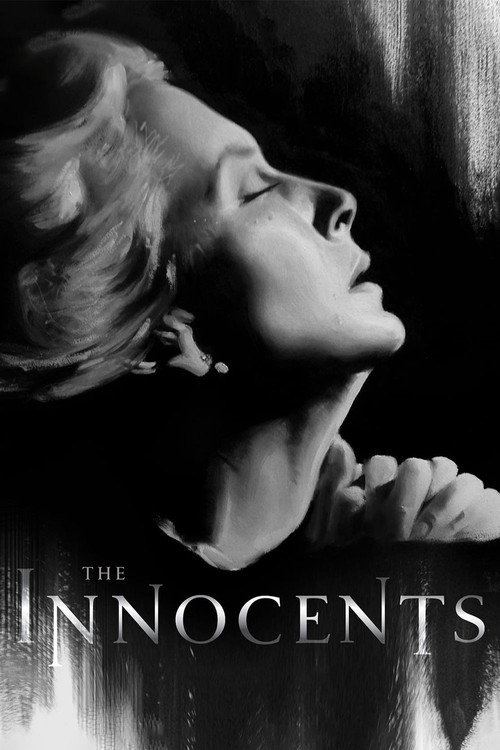
The Innocents1961
An earlier English ghost story trusting the same ingredients — repressed governesses, watchful children, a house that seems to know more than it says.
But Black-and-white and stagier by today's standards, with a more conventional haunting structure than Picnic's total refusal to explain.
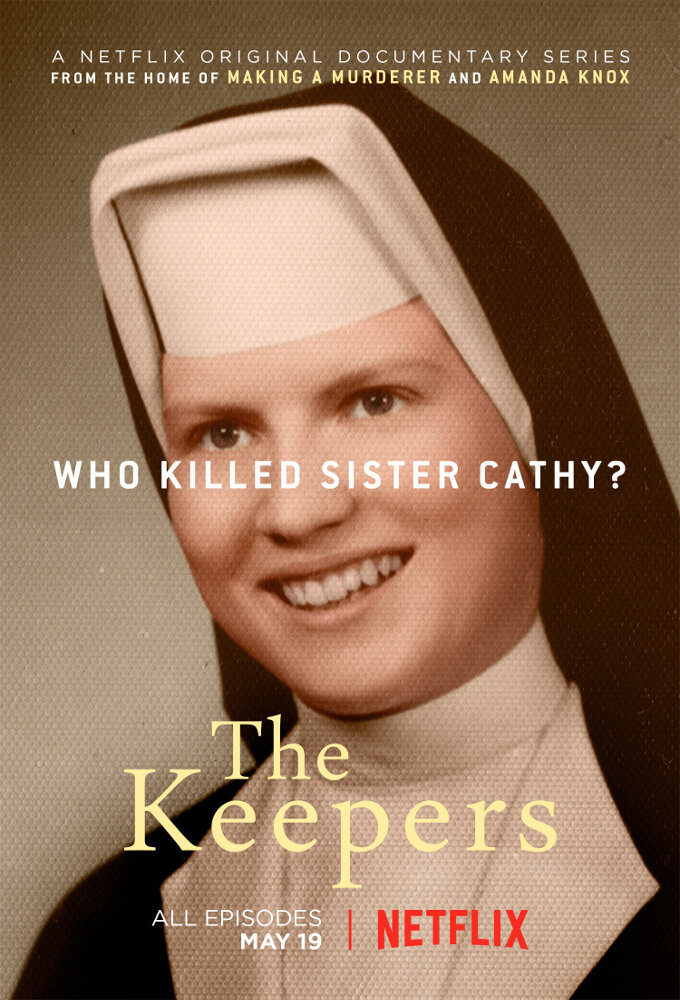
The Keepers2017
Swaps fiction for documentary but keeps the same engine: an institution built to protect girls instead swallowing the truth about what happened to one.
A true-crime documentary series about a real nun's unsolved murder and the culture of secrecy around a Catholic girls' school — the same hush, the same sense that authority is hiding something it will never name.
But This is real grief and real abuse, not gothic mood — a heavier, more upsetting watch with no aesthetic distance to soften it.
Long Weekend1979no page yet
The same national landscape-as-punisher idea Weir was working with, stripped of mythic haze and reworked as straight genre horror — proof the unease was in the air, not just in his camera.
An Australian B-movie from just three years later, where a bickering couple camping on the coast find the landscape itself turning hostile — same dread, same sun, replayed as trashy eco-horror instead of poetry.
But Cheap, blunt, and occasionally silly where Picnic is elegant; it wears its low budget on its sleeve.
People
Cast
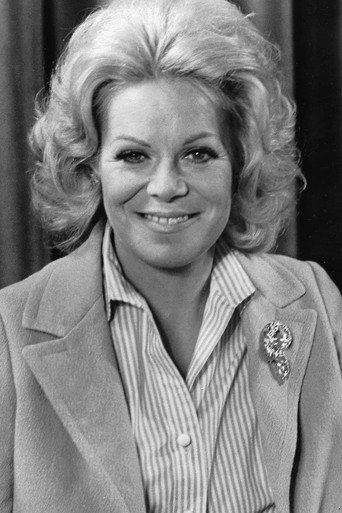 Rachel RobertsMrs. Appleyard
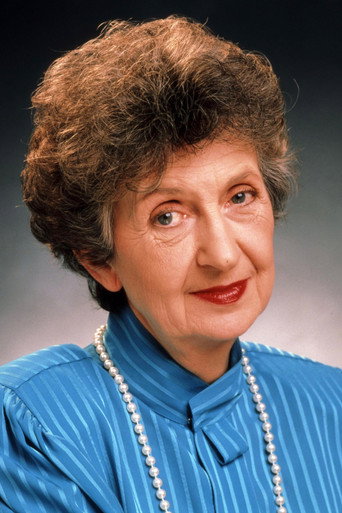 Vivean GrayMiss Greta McCraw
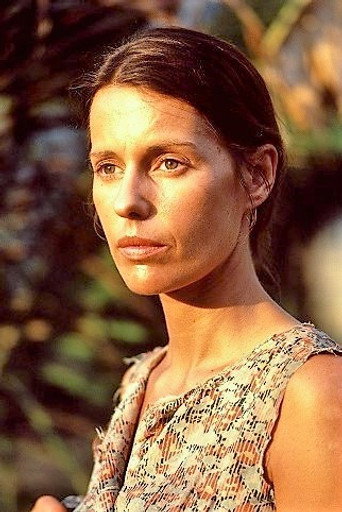 Helen MorseMlle. Dianne de Poitiers
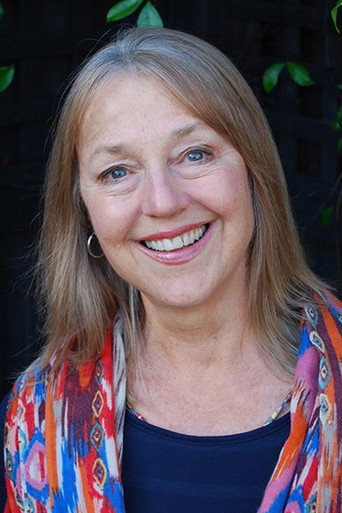 Kirsty ChildMiss Dora Lumley
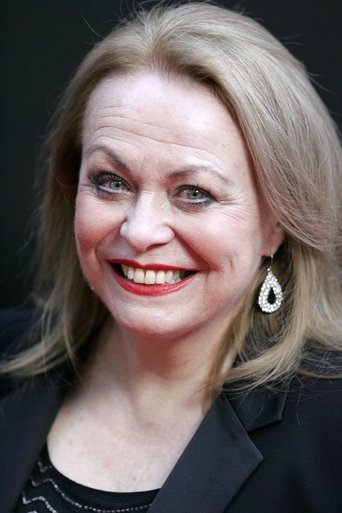 Jacki WeaverMinnie
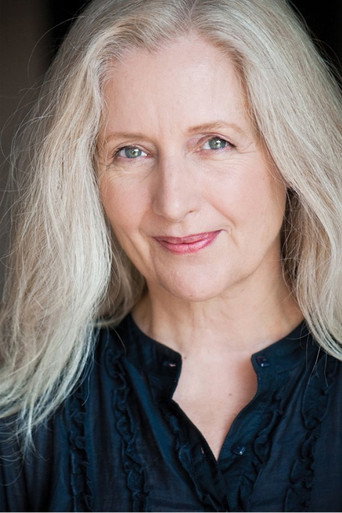 Anne-Louise LambertMiranda St. Clare
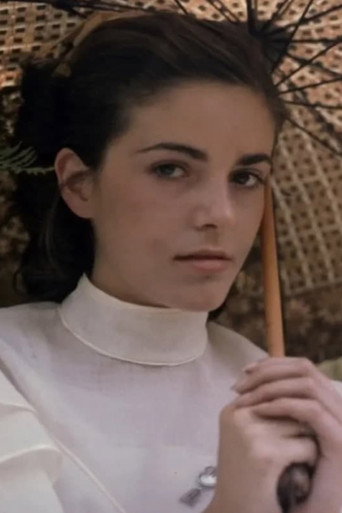 Karen RobsonIrma Leopold
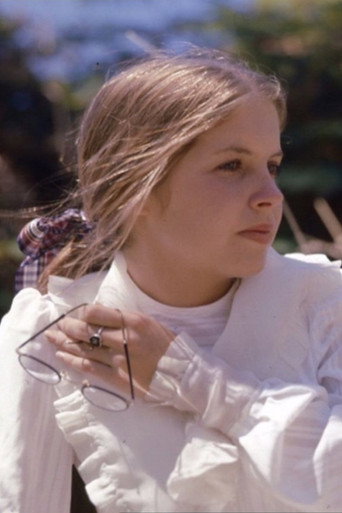 Jane VallisMarion Quade
- Christine SchulerEdith Horton
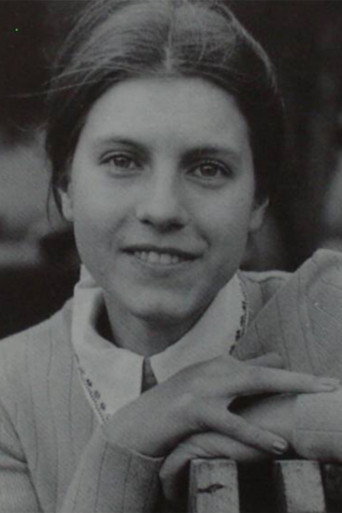 Margaret NelsonSara Waybourne
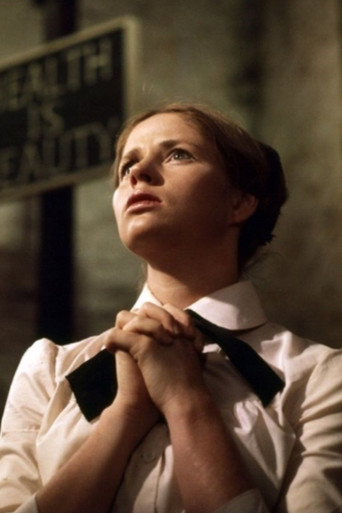 Ingrid MasonRosamund Swift
Directing
- Gilda BaracchiContinuity
- Peter WeirDirector
- Mark EgertonFirst Assistant Director
- Kim DaltonSecond Assistant Director
- Ian JamiesonThird Assistant Director
Writing
- Joan LindsayNovel
- Cliff GreenScreenplay
Production
- Joan McIntoshAccountant
- Phil SmytheAccountant
- A. John GravesExecutive Producer
- Patricia LovellExecutive Producer
- Hal McElroyProducer
- Jim McElroyProducer
- Steve KnapmanProducer's Assistant
- Pom OliverProduction Secretary
Recommended by
Twin Peaks, The Innocents, Black Narcissus, The Virgin Suicides, Yellowjackets, Suspiria, L'Avventura, FROM, Walkabout, Don't Look Now, 3 Women, The Wind