
Film
Lover Boy
A raw, unflinching 1989 Australian film about desire and inexperience in suburban Melbourne. It's tactile and awkward, never sensationalising its subject; instead it watches a teenage boy and older woman navigate attraction with genuine discomfort and need. Not a romance. Difficult, honest, for viewers ready for adult themes treated without flinching.
Should you watch it?
Watch it if you like unshowy coming-of-age films that let the small, embarrassing details of adolescence speak for themselves, and you can sit with a difficult subject without needing it resolved.
Skip it if the subject is uneasy at its core, and its flat, unhurried scenes can feel more like waiting than storytelling if you want momentum or a clear moral frame.
What it asks of you: Barely an hour, mostly in ordinary rooms and long quiet stretches, so it asks for patience more than a plot to follow.
Not sure? Find tonight's pick in a minute.
If you liked this
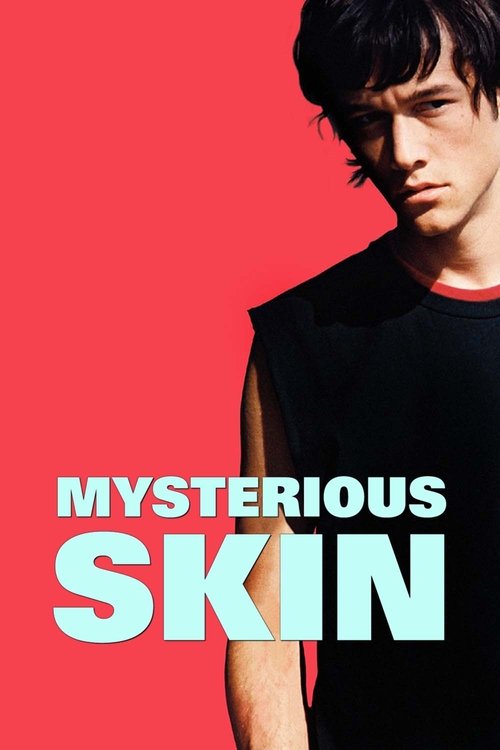
Mysterious Skin2005
Joseph Gordon-Levitt and Brady Corbet navigate trauma and sexuality with devastating honesty. It's unflinching about desire, damage, and the way young people make sense of what happens to them. Formally daring and emotionally shattering.
But The subject matter is extremely difficult. It requires patience with scenes of real discomfort and characters behaving in ways that feel transgressive rather than cathartic.
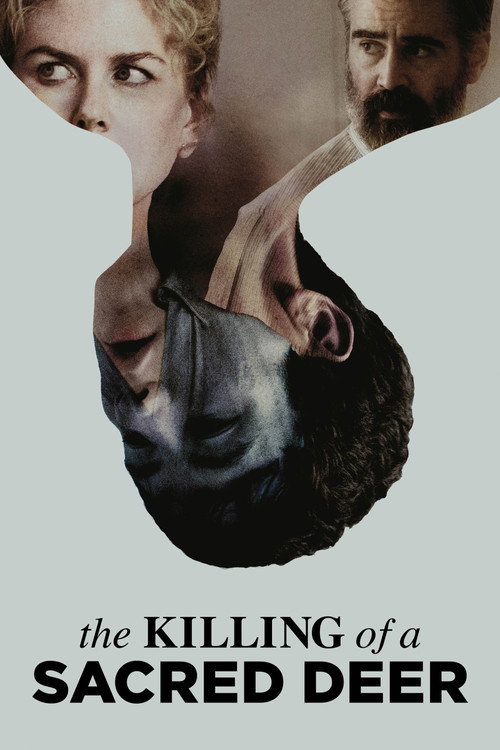
The Killing of a Sacred Deer2017
Yorgos Lanthimos makes American normality feel wrong and dangerous. Colin Farrell and Barry Keoghan create unbearable tension through stillness. It's an examination of obligation, debt, and how quickly social contract can fracture.
But The pacing is glacial and the dialogue intentionally flat. It accumulates dread rather than releasing it, which some viewers experience as tedium.
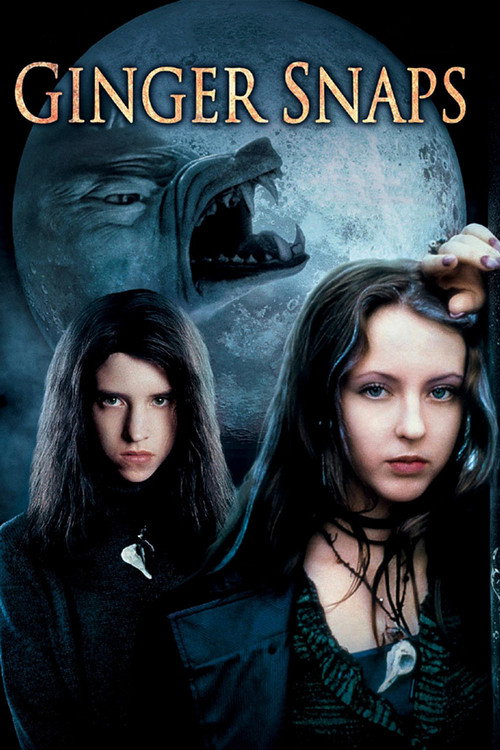
Ginger Snaps2000
A brilliant Canadian film about adolescence using werewolf mythology as metaphor for female bodies and social rupture. Smart, funny, genuinely touching without ever becoming precious. The chemistry between its leads is electric.
But It wears its allegory somewhat on its sleeve, and some viewers find the tone shifts between horror and comedy jarring rather than effective.
Not sure tonight? Get a pick in a minute, starting from Lover Boy
The wildcard
Something you would not have found on your own.
Picnic at Hanging Rock1975
Both films are Australian responses to the grotty reality of ordinary life. Both use physical space and bodies to suggest sexual and psychological rupture without melodrama. Both are formally restrained in a way that amplifies discomfort.
Peter Weir's Australian masterpiece about desire, authority, and the gap between how we appear and who we are. Immaculate cinematography, dreamlike pacing. It captures adolescent yearning with genuine mystery—nothing is explained.
But Virtually plotless and deeply strange. It requires surrender rather than engagement, and many find its obliqueness frustrating rather than meditative.

More like this (8)
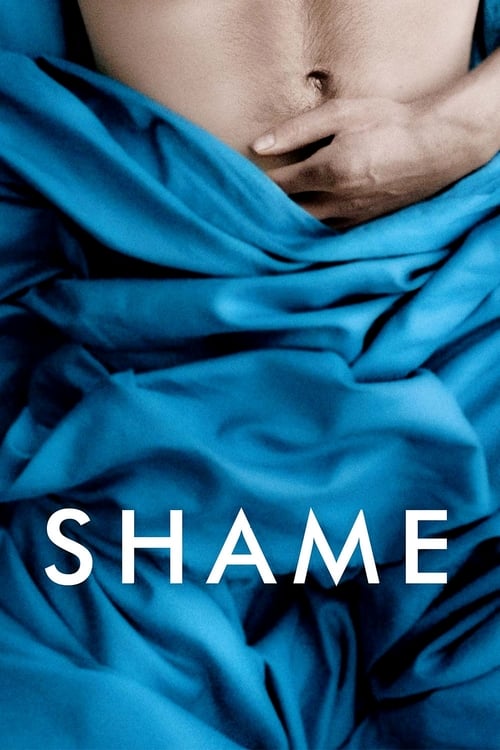
Shame2011
Michael Fassbender in Steve McQueen's unflinching portrait of sexual addiction in Manhattan. It's clinical and claustrophobic, treating compulsion as genuine pathology rather than character quirk. Formally immaculate and deeply uncomfortable.
But Graphic sexual content, sexual violence, and relentless bleakness. The character himself doesn't change, which some find punishing rather than illuminating.
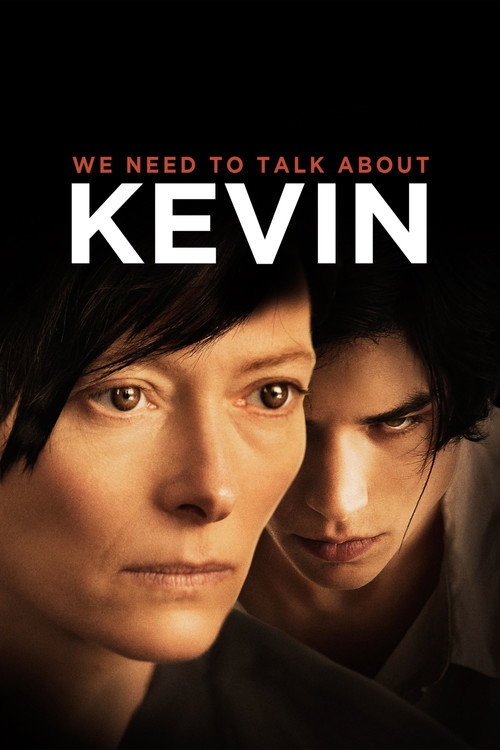
We Need to Talk About Kevin2011
Lynne Ramsay's oblique, fractured film about motherhood and culpability. Tilda Swinton gives one of her finest performances as a woman grappling with maternal failure. It refuses easy moral judgment.
But The narrative structure is deliberately disorientating and the central tragedy is horrific. It demands patience and emotional stamina.
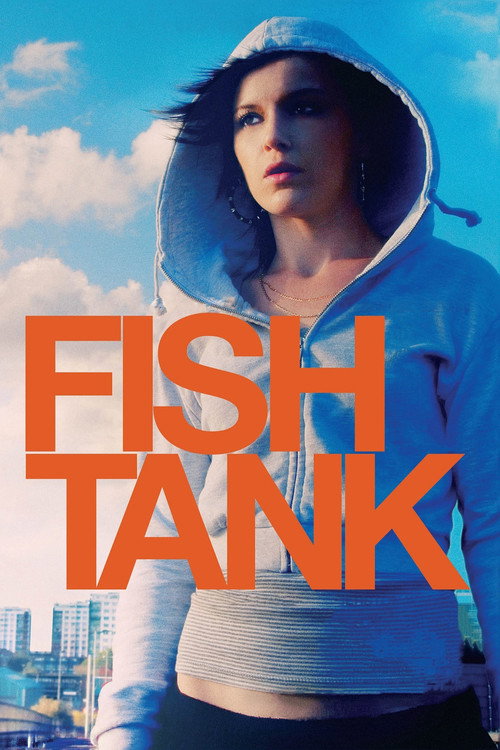
Fish Tank2009
Andrea Arnold's portrait of a working-class teenager in East London searching for escape through dance. Kinetic and heartbreaking; it captures the specificity of female adolescence with real tenderness.
But The plot doesn't resolve neatly and the violence arrives suddenly. Some find the abruptness feel unmotivated rather than realistic.
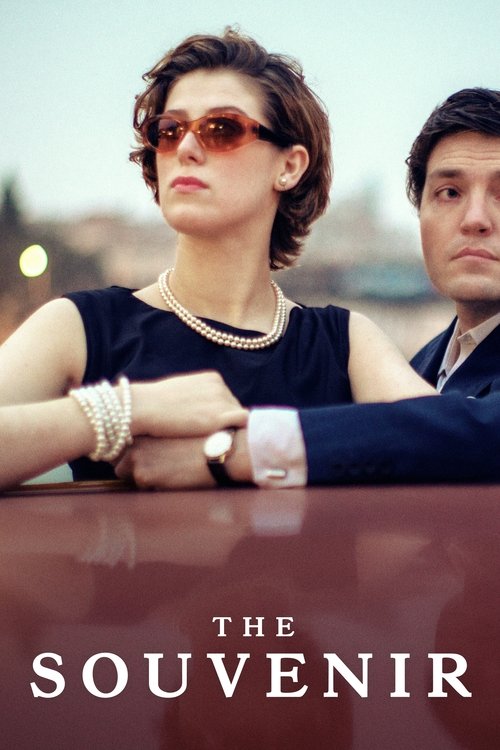
The Souvenir2019
Honor Swinton Byrne's debut performance anchors Joanna Hogg's memory piece about a young art student learning to see clearly through a toxic relationship. It's formally inventive and genuinely moving.
But It's elliptical and sometimes opaque. The emotional realism may feel slow if you're looking for narrative propulsion.
Aftersun2022
Charlotte Wells' debut uses Super 8 footage and fractured timelines to evoke a holiday and its aftermath. It's tender and haunting, capturing how we revise our understanding of people we love.
But It's more interested in mood and memory than plot. The ambiguity about what happened might frustrate those seeking clarity.

Under the Skin2014
Jonathan Glazel's sci-fi masterpiece about an alien woman (Scarlett Johansson) seducing lonely men on Glasgow streets. It's a formal experiment that yields genuine unease and pathos about connection and predation.
But It's a mood piece without conventional narrative. Large stretches are silent or inscrutable, and it makes most viewers uncomfortable for reasons they can't quite articulate.

A Prophet2009
Both films show adolescence as a collision with forces larger than the self. Both feature an older figure who awakens something dangerous in a younger person. Both understand sexuality and power as inseparable.
Jacques Audiard's French prison epic about a young man's initiation into power and corruption. Visceral and intimate; it maps the route from vulnerability to weaponisation with unflinching precision and dark beauty.
But It's entirely male-centered and the violence is real. Prison culture is rendered without romance, which some viewers find gratuitously bleak.

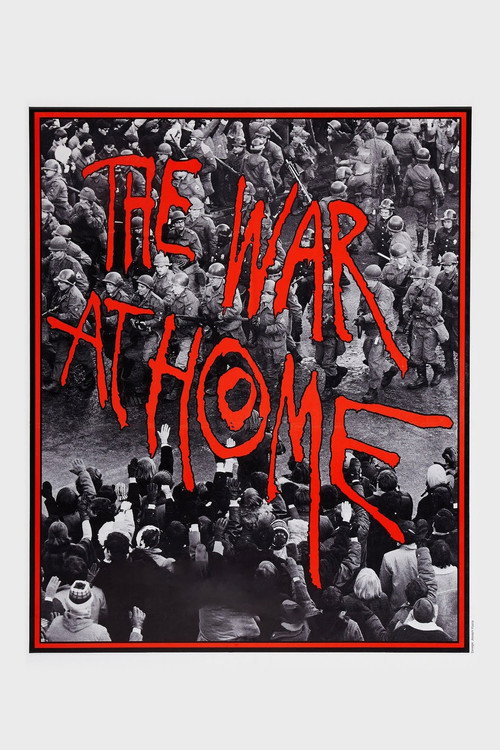
The War at Home1979
Like *Lover Boy*, it captures a historical moment through the bodies and desires of young people. Both use visual texture to convey the feeling of living inside transgression rather than observing it. Both refuse to judge their subjects even when they're difficult.
Glenn Silber and Barry Alexander Brown's documentary about Wisconsin's radical Left in the 1960s-70s. It's constructed entirely from archival footage, Super 8, and photographs, creating a visceral experience of youth, politics, and transgression.
But It's a documentary without narration or much context. If you're not invested in late-60s radical politics, the urgency won't translate, and the formal experiment can feel remote.
People
Cast
 Noah TaylorMick
- Gillian JonesSally
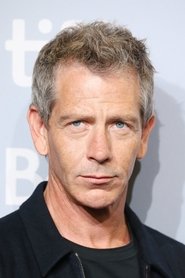 Ben MendelsohnGazza
 Alice GarnerRhonda
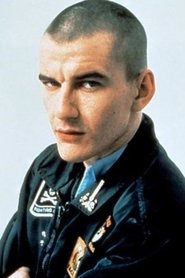 Daniel PollockDuck
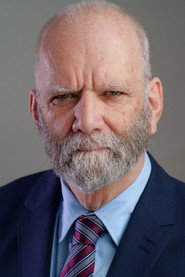
- Beverley GardinerMick's Mother
 Brian WorthMick's Father
- Jon ConcannonDean
- Eric MueckDrink Contest Loser
- Sally MinterBlond Party Girl
- Lazar RodericPizza Parlour Man
Directing
- Victoria SullivanContinuity
- Geoffrey WrightDirector
- Strachan WilsonFirst Assistant Director
Writing
- Geoffrey WrightWriter
Production
- Ian PringleAssociate Producer
- Gregory AppsCasting
- Daniel ScharfProducer
- Elisa ArgenzioProduction Manager