Television series
The Doctor Blake Mysteries
A 1950s Australian murder mystery with warmth at its centre. Doctor Blake is a GP who solves crimes alongside police constables in Ballarat, Victoria. It's procedural comfort television—the murders are genuine puzzles, the town feels lived-in, and the ensemble cast has genuine affection for one another. For those who want crime solved with civility and character development.
If you liked this
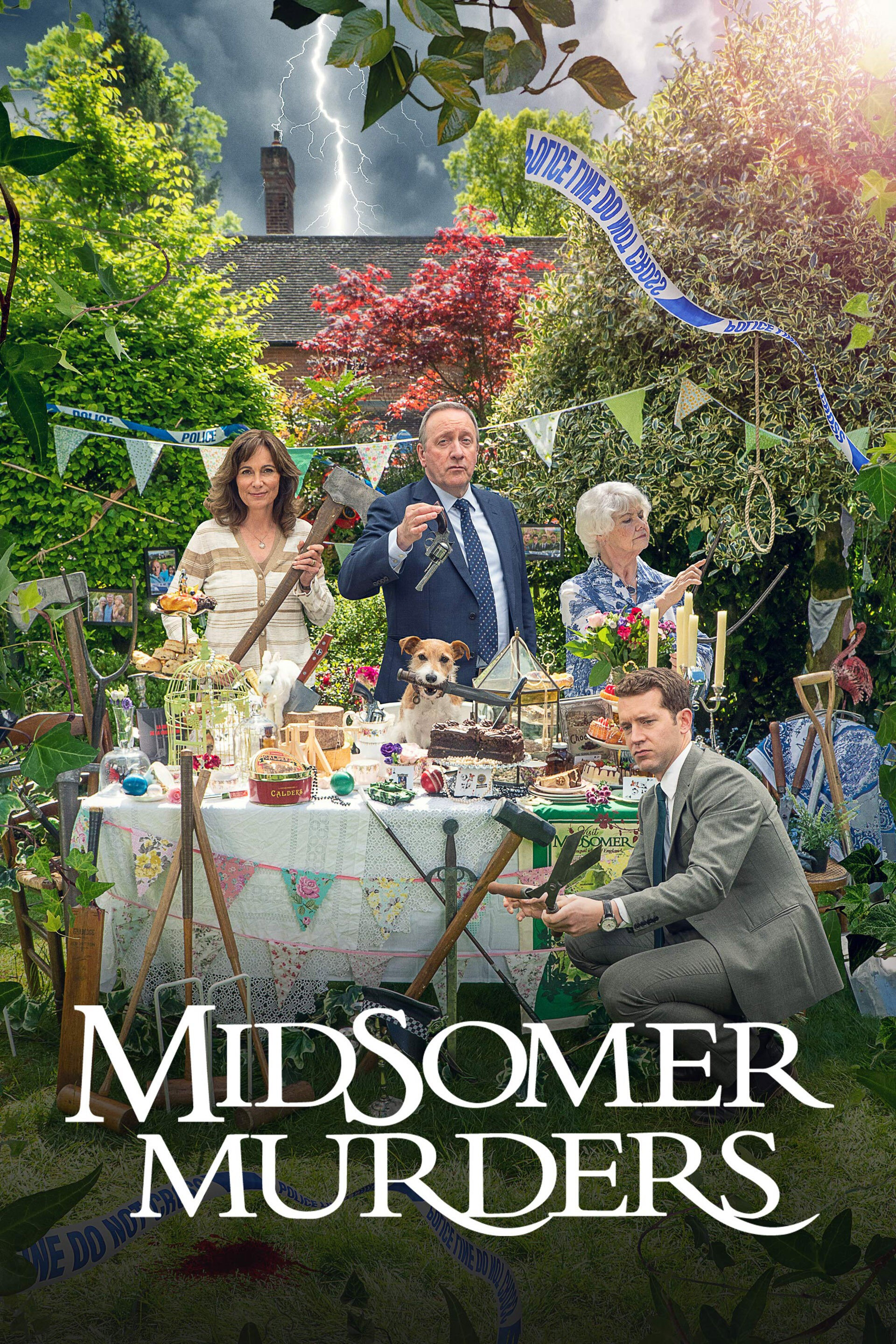
Midsomer Murders1998
A British detective series with the same DNA: intricate plots, a small community where nothing is truly small, and a lead who's stubborn but fundamentally decent. Hundreds of episodes means years of evening satisfaction.
But The tone is considerably darker and more cynical than Doctor Blake, and the plotting can feel repetitive after a while.
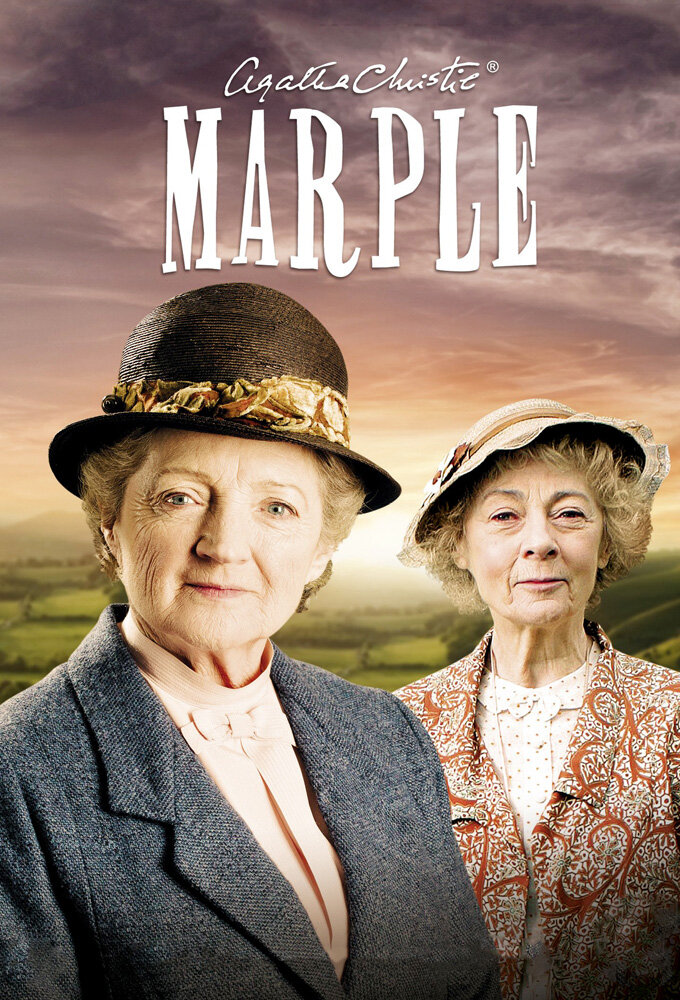
Agatha Christie's Marple2004
Agatha Christie's village detective solving crimes through observation and psychology rather than forensics. The same faith in character and deduction, the same sense that a quiet place hides serious secrets.
But It's deliberately slow-paced and matters little to the mysteries. If you want plot momentum, this will feel like visiting a museum.
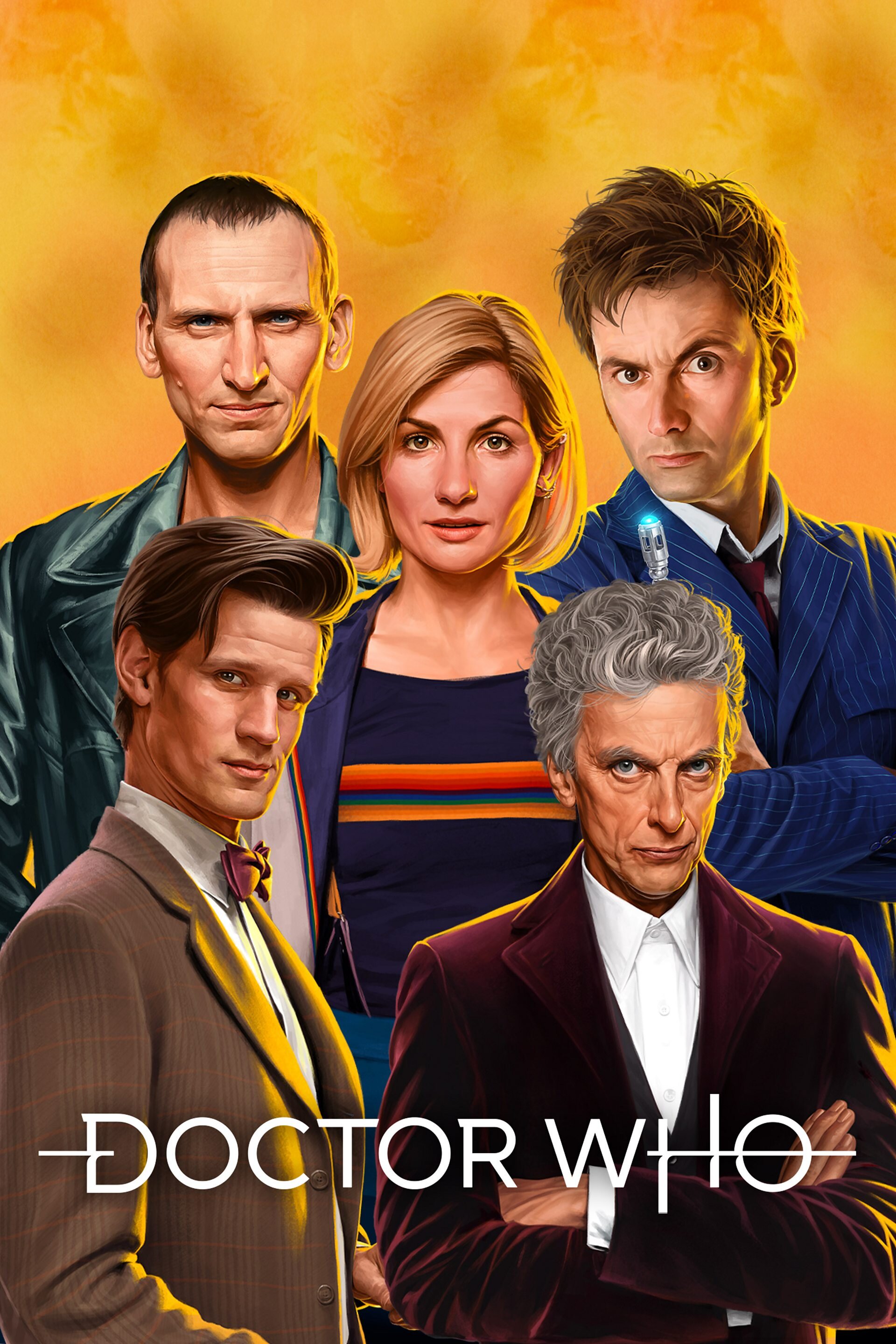
Doctor Who2005
Shares the same performer (Craig McLachlan). Also shares an episodic structure where each week brings a new problem, a new setting, and a companion to bounce off. Both are fundamentally about curiosity.
But One is science fiction and operates on wildly different rules. The tonal jump might feel jarring.
Not sure tonight? Get a pick in a minute, starting from The Doctor Blake Mysteries
The wildcard
Something you would not have found on your own.
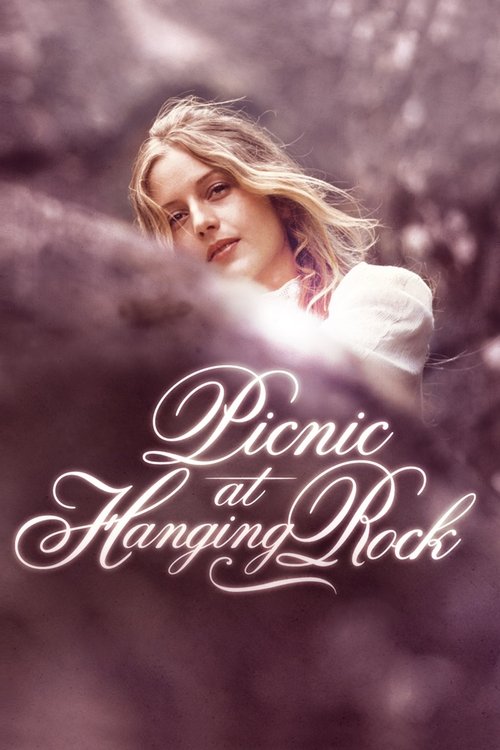
Picnic at Hanging Rock1975
Both use the Australian landscape as a character. Both understand that small communities have deep, hidden structures. But where Doctor Blake offers solutions, Hanging Rock offers only questions—and suggests questions might be closer to truth.
Australian cinema at its height. Three schoolgirls vanish without explanation on a picnic in the 1900s. It's a mystery that refuses to solve itself, more interested in mood, class, and the way communities construct narratives around tragedy than in answers.
But No one solves anything. If you watch Doctor Blake for neat conclusions, this will feel like torture. It's also sparse and dreamlike where Doctor Blake is warm and populated.
More like this (7)
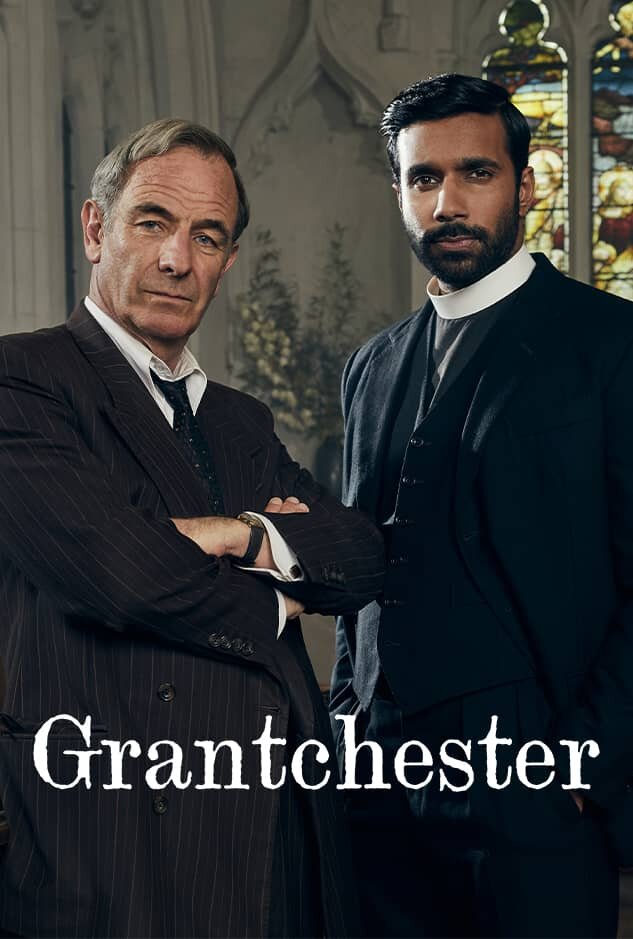
Grantchester2014
A clergyman detective in 1950s Cambridge solving murders with a policeman partner. Same era, same partnership dynamic, same blend of historical texture and genuine character work beneath the whodunit structure.
But More emotionally heavy and sexually frank than Doctor Blake. It trades the show's warmth for complicated darkness.
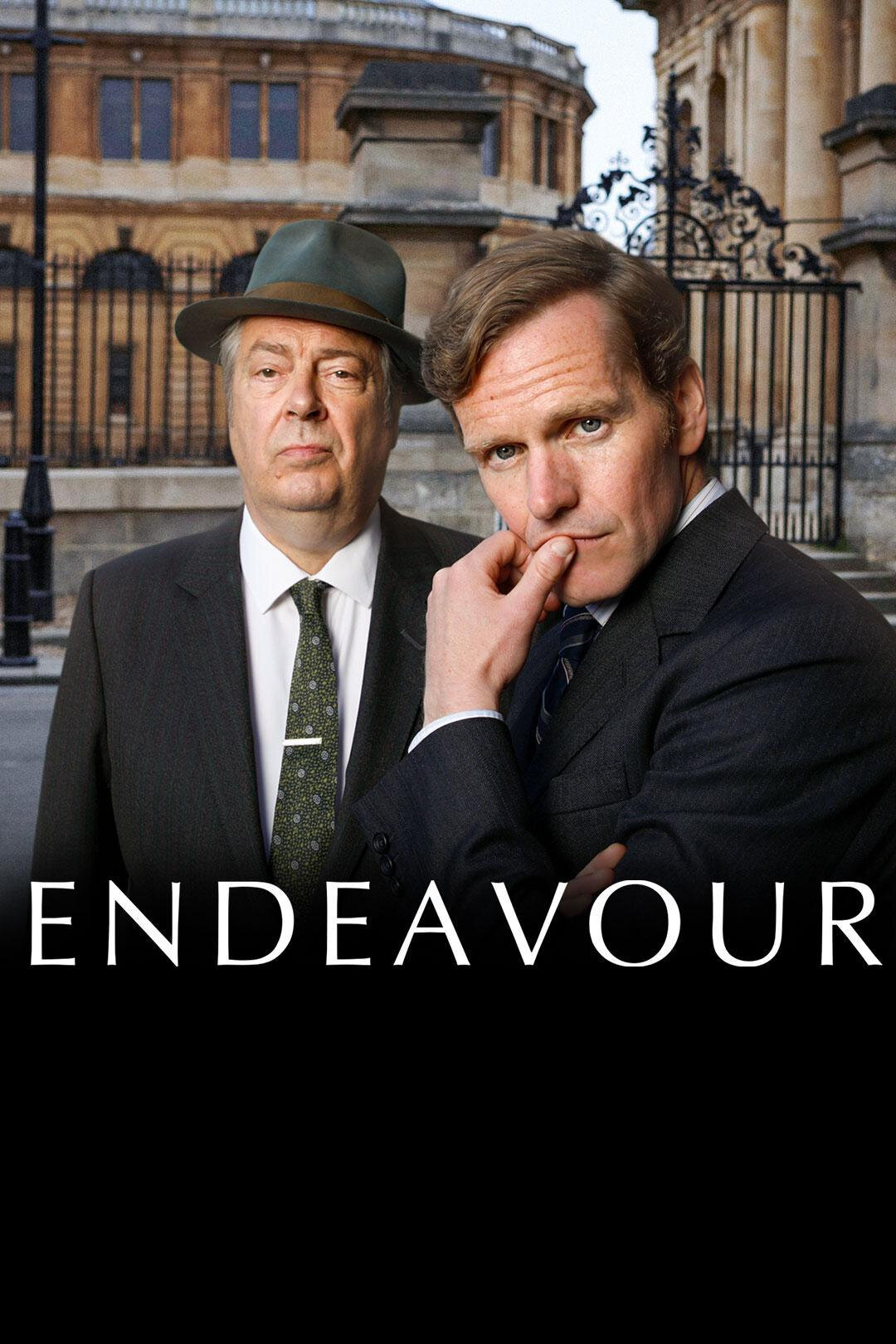
Endeavour2012
A prequel to Inspector Morse set in 1960s Oxford. Intricate mysteries, a small closed world, and a lead character whose flaws are part of what makes him interesting. Same detective-craft satisfaction.
But It's longer per episode and assumes you want to sit with mood and emptiness. Less procedurally tidy than Doctor Blake.
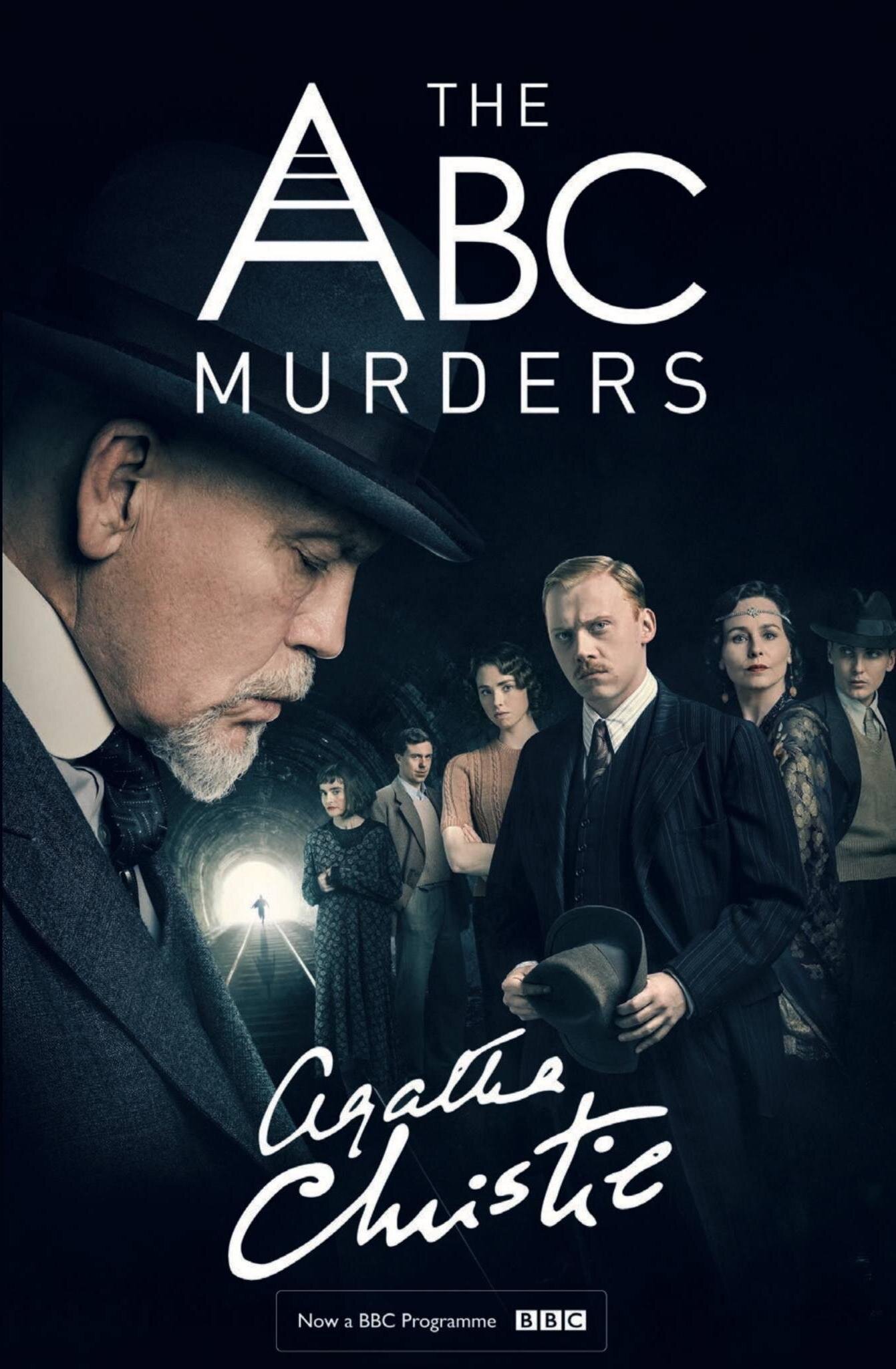
The ABC Murders2018
Agatha Christie's Poirot solving a series of alphabet murders. A master class in mystery plotting and the pleasure of a detective who thinks faster than you do. Four hours that justify themselves completely.
But A limited miniseries rather than ongoing television. Once it's finished, it's finished.
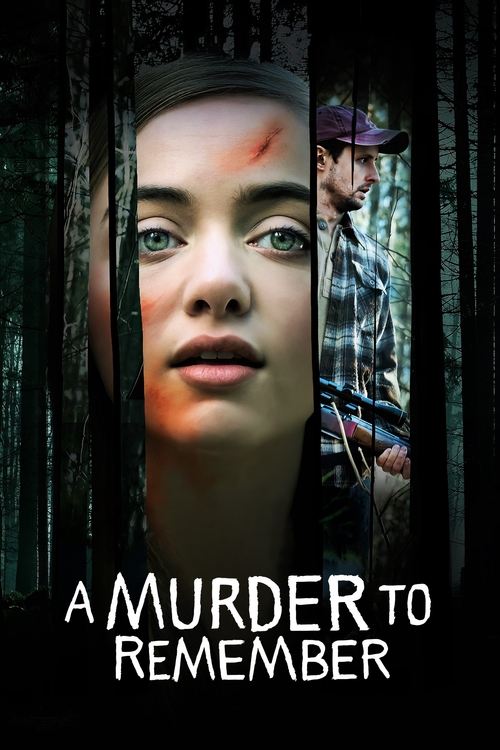
A Murder to Remember2020
A straightforward mystery with a small-town atmosphere and a competent lead solving crimes. Same comfort-television energy, just compressed into a single evening.
But Made-for-TV films often cut corners on dialogue and character for plot speed. This one is no exception.
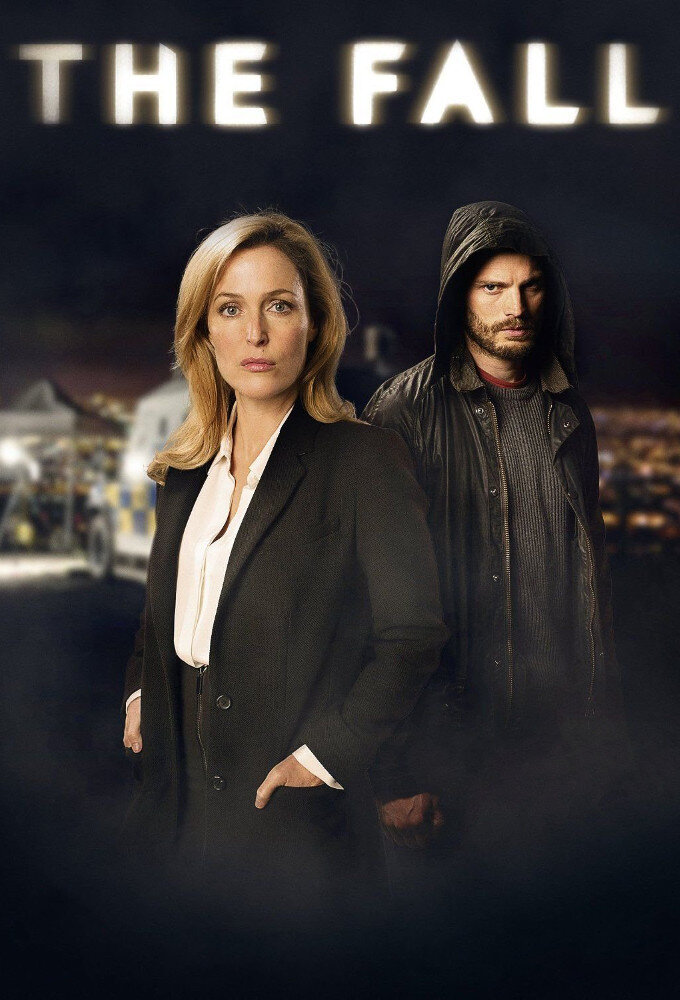
The Fall2013
A crime drama with genuine character investigation. Stella Gibson is brilliant and flawed; her investigation unfolds methodically. Well-acted and genuinely tense.
But It's a cat-and-mouse game with a serial killer. The tone is unrelentingly dark and the murders are genuinely disturbing.
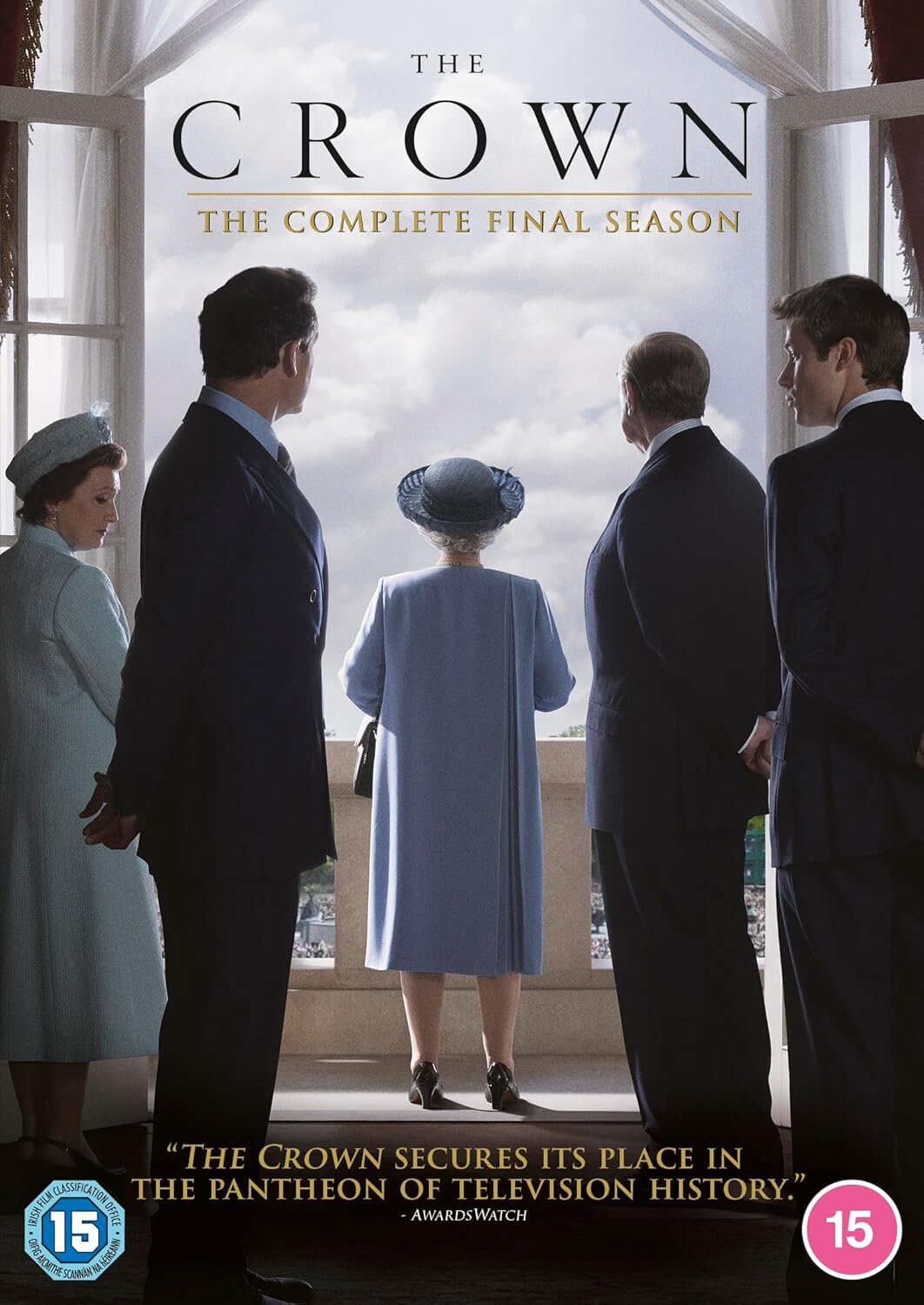
The Crown2016
Both centre on a competent protagonist navigating institutional power while maintaining personal integrity. Both understand that the real story is always about how people relate to duty and to each other.
An ensemble drama where history is made through conversation and decision-making rather than action sequences. Grand scope but interested in the small moments where power actually lives. Lavishly produced and genuinely gripping.
But It's royalist political drama. If the very premise (royal family as sympathetic characters) offends you, no production value will help. Also, later seasons grow murkier in their historical accuracy.
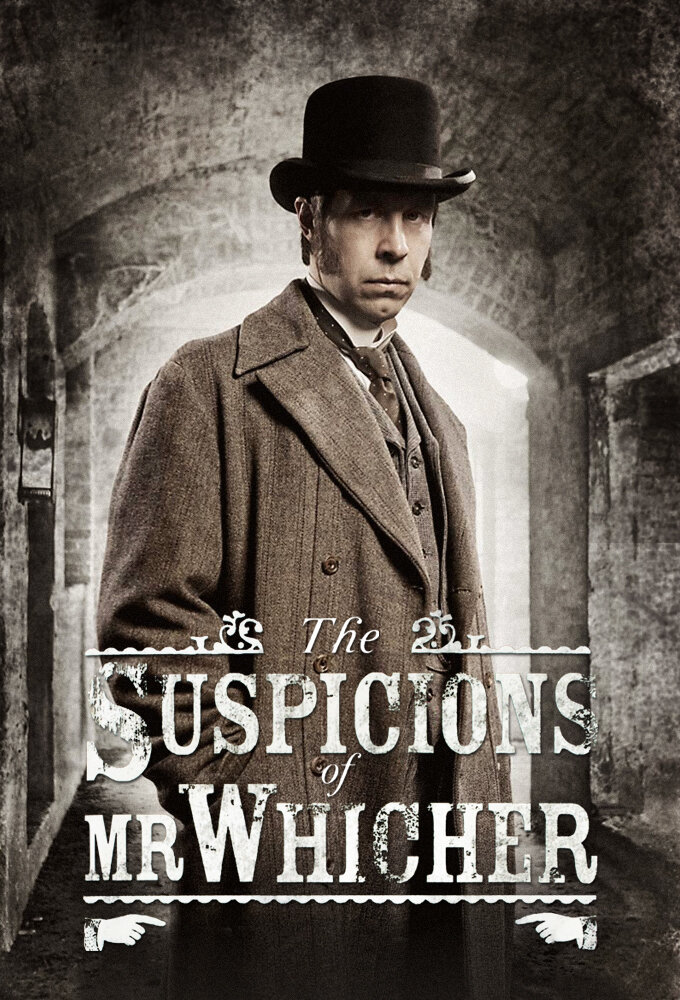
The Suspicions of Mr. Whicher2011
Both respect the detective as a distinct type of person: someone whose gift for solving puzzles comes from being at slight odds with society. Both suggest that solving crimes is less about cleverness than about refusing to look away.
A nineteenth-century detective investigating a real Victorian crime. Based on actual history, haunted by the gap between what he can prove and what he suspects. Shorter (three parts) but perfectly formed. British crime drama with real melancholy underneath.
But It's more serious and sadder than Doctor Blake. It ends on ambiguity and regret rather than resolution. If you want warmth, look elsewhere.