
Film
The Yellow Wallpaper
Other titles called The Yellow Wallpaper: the 2021 film.
- Psychological horror
- Drama
- Very dark
A 2011 horror film imagining the real-life events surrounding Charlotte Perkins Gilman's creation of her Gothic masterpiece. After a family tragedy, Charlotte retreats into psychological breakdown while her husband dismisses her visions as hysteria. It's a film about female suffering weaponized as dismissal, wrapped in slow-burn supernatural dread—perfect for viewers drawn to psychological horror with historical teeth and feminist rage.
If you liked this
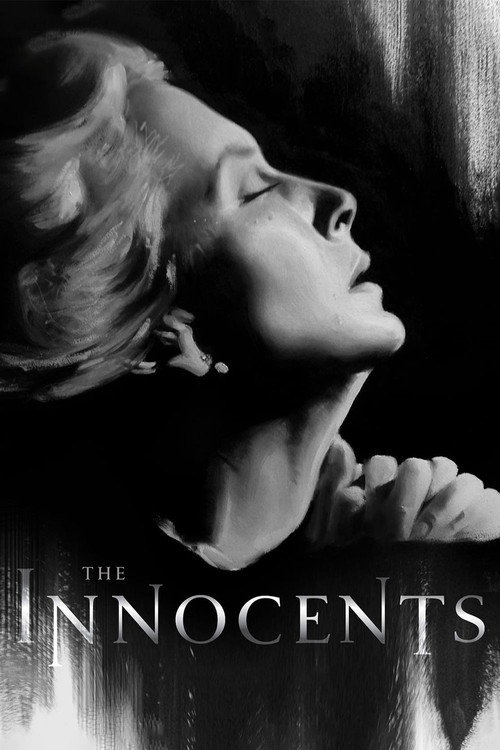
The Innocents1961
A masterpiece of psychological horror that uses ambiguity as its weapon: is the governess protecting children from ghosts, or is she the true threat? The film trusts your intelligence and refuses easy answers, building dread through what you can't quite see.
But Black-and-white cinematography and a deliberately slow pace will feel glacial to anyone expecting jump scares or constant plot momentum.
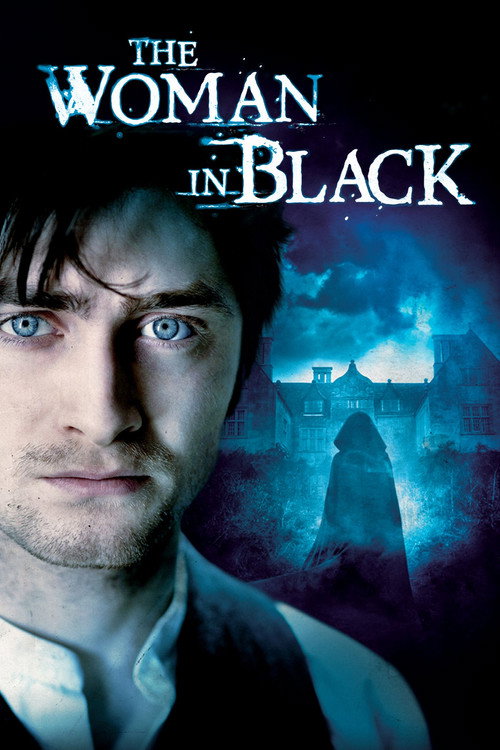
The Woman in Black2012
A tightly constructed haunting built on genuine atmosphere rather than gore. Susan Hill's novella creates a widow's vengeful ghost story that feels inevitable and tragic, with production design that makes every shadow feel purposeful and real.
But It operates in classic Gothic mode—if you find period horror overly familiar or want something experimental, this won't surprise you.
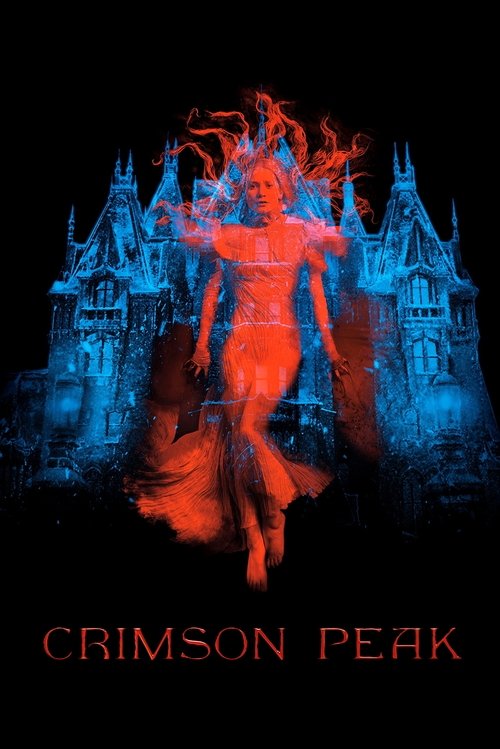
Crimson Peak2015
Guillermo del Toro's love letter to Gothic romance and haunted houses. Sumptuous visuals, genuine scares, and a female protagonist who isn't punished for her desire. The ghosts are stunning and the mystery unfolds with real craft.
But The plot itself is less surprising than you might hope—the film's pleasure comes from how gorgeously it executes what you've already guessed.
Not sure tonight? Get a pick in a minute, starting from The Yellow Wallpaper
The wildcard
Something you would not have found on your own.
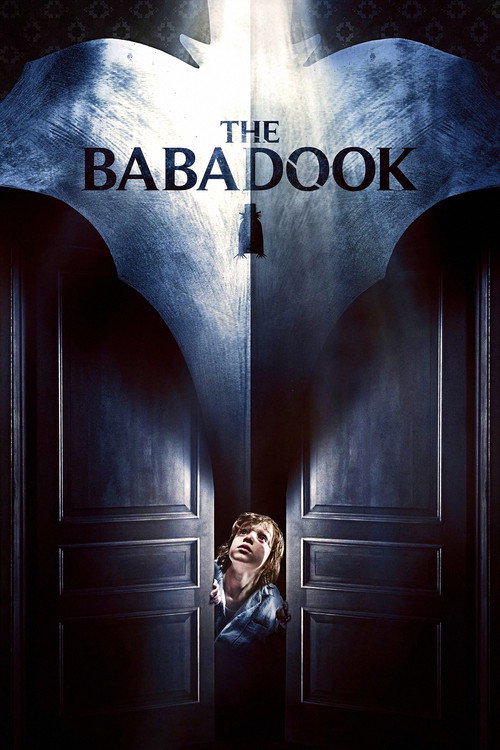
The Babadook2014
Both films use Gothic horror as a language for female suffering that patriarchy refuses to acknowledge. Both explore madness as rational response to impossible circumstances, and both center female perspective as the only truth that matters.
An Australian horror film that uses a supernatural monster as stand-in for maternal rage, grief, and the terror of single parenthood. It's a film about a woman's interior life made horrifyingly external. Formally inventive and emotionally devastating.
But The monster design looks deliberately cheap, and some find the film's metaphorical density more alienating than involving. It demands investment in what it's really about.
More like this (8)
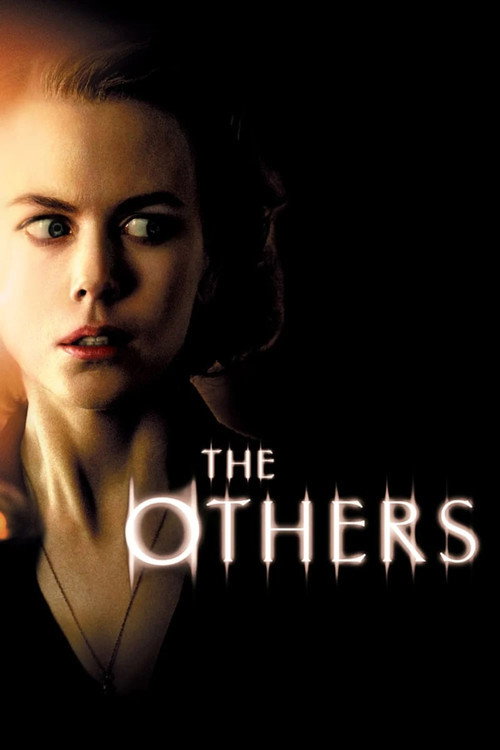
The Others2001
A haunted house film that completely rewires itself in the final act. Nicole Kidman gives a controlled, desperate performance as a woman protecting her photosensitive children in an isolated mansion. The twist lands because the emotional logic was always there.
But Once you've seen the ending, the first viewing is the only one that lands—it doesn't reward repeat watches the way truly great films do.
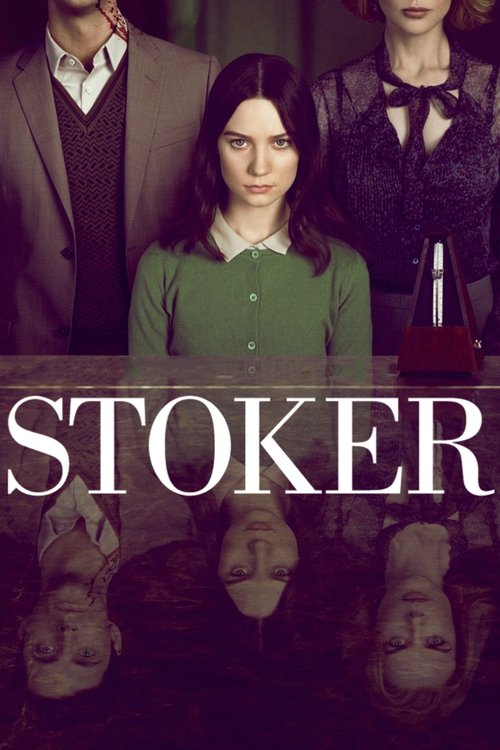
Stoker2013
Park Chan-wook's American debut is a sensual, perverse meditation on desire and family corruption. Visual precision married to genuine unease. Mia Wasikowska's silence communicates more than most actors' dialogue, and the film never explains itself.
But The pacing is glacial and the plot is deliberately obscure. If you need clarity and momentum, this film will feel pretentious and slow.
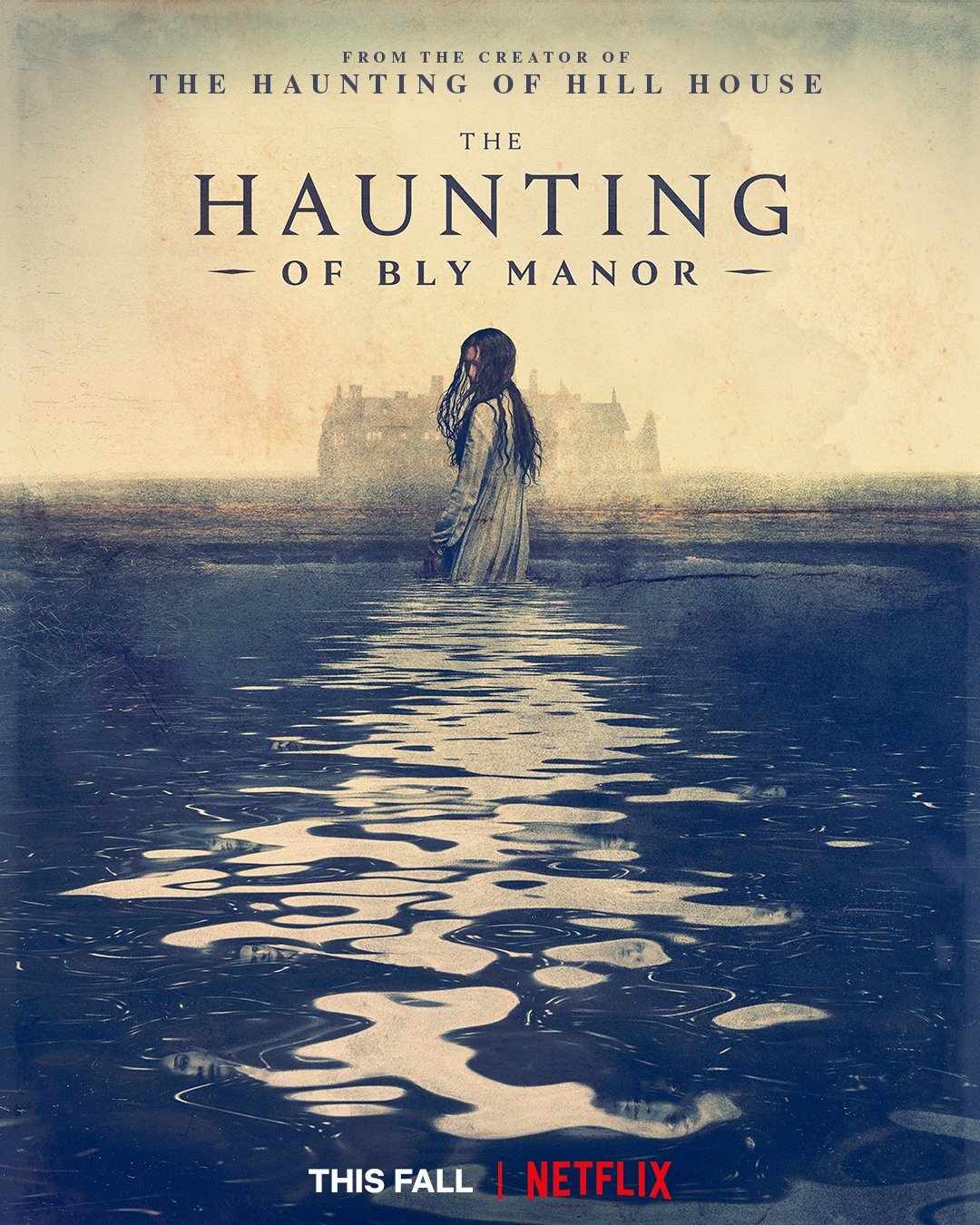
The Haunting of Bly Manor2020
A Gothic love story that uses the supernatural as metaphor for grief and obsession. Ten episodes let the dread accumulate naturally. The final episode reconfigures everything you've watched into something devastating and true.
But Some episodes feel padded, and the show's commitment to lyricism over scares means long stretches with minimal plot movement will frustrate thriller fans.
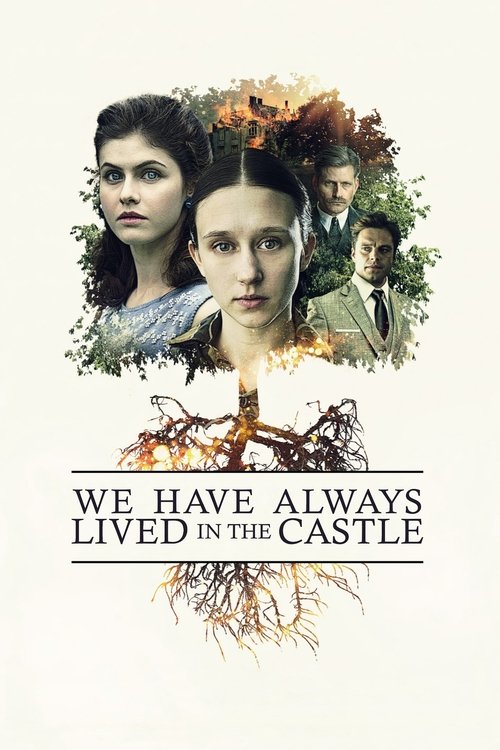
We Have Always Lived in the Castle2019
Shirley Jackson's deeply unsettling novel becomes a film about isolation, female autonomy, and the violence of community judgment. Taissa Farmiga plays a woman who may or may not be a murderer, and the film lets that ambiguity breathe.
But Nothing much happens in the traditional sense. If you need propulsive plotting or clear morality, the film's slow contemplation will feel inert.
The Wailing2016
A South Korean horror-thriller that builds a haunting around faith, doubt, and the impossibility of knowing truth. A mysterious woman arrives in a village; soon plague and madness follow. Formally brilliant, thematically rich, genuinely scary.
But It's nearly three hours, shifts between genres without warning, and refuses to provide answers—some viewers will feel manipulated rather than moved.

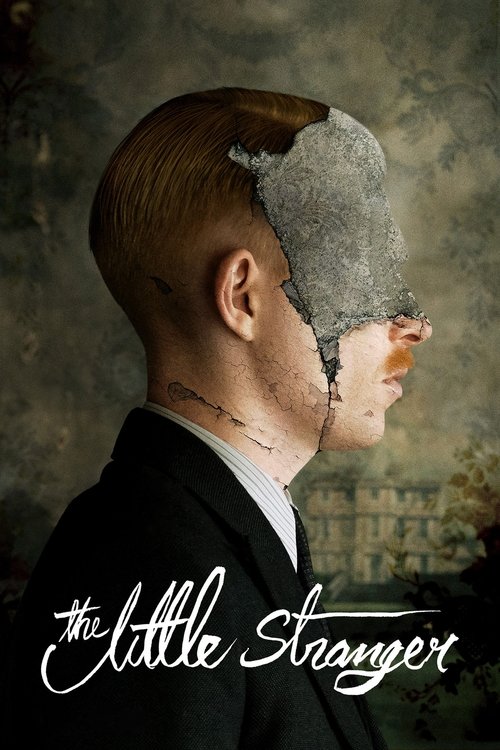
The Little Stranger2018
Sarah Waters' novel becomes a postwar ghost story about class anxiety and desire. The supernatural elements serve the story of a doctor insinuating himself into a decaying aristocratic household. Beautifully shot and deeply unpleasant in the best way.
But The horror is existential rather than visceral, and the narrative moves sideways. If you want Gothic thrills rather than slow-burn dread, look elsewhere.
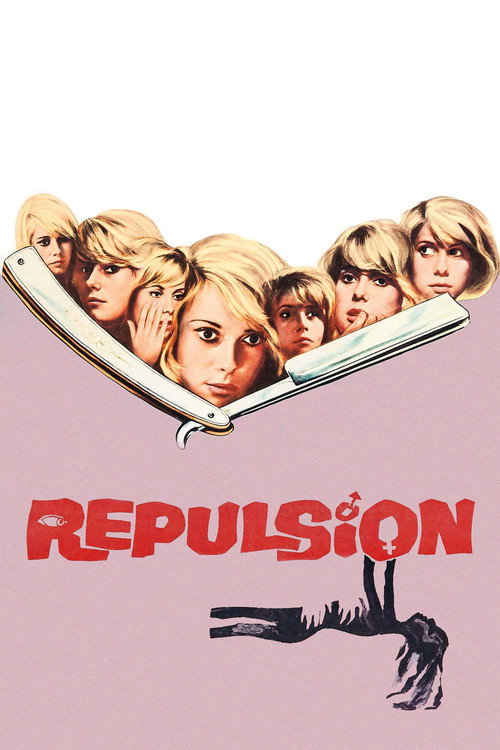
Repulsion1965
Both films equate a woman's descent into psychological horror with clarity rather than delusion. Both refuse the male interpretation of female breakdown and ask: what if she's seeing the truth everyone else ignores? The Yellow Wallpaper adapts Gilman; Polanski adapts the interior experience that Gilman named.
Roman Polanski's masterpiece of female psychological breakdown. Catherine Deneuve alone in an apartment, watching her mind fracture into hallucination. Shot in black-and-white with sound design that makes the walls feel sentient. Uncompromising and hypnotic.
But There's sexual violence and graphic body horror. The film is deliberately claustrophobic and offers no comfort—it's an endurance test dressed as cinema.
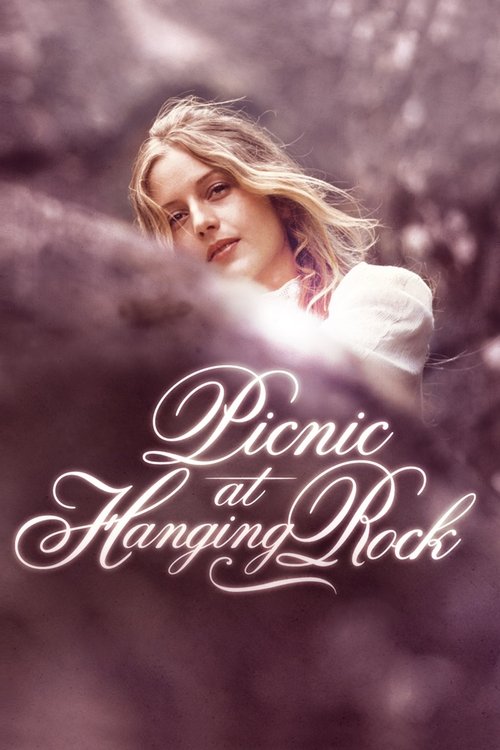
Picnic at Hanging Rock1975
Both are origins myths of psychological horror. Both use disappearance and madness as metaphor for female autonomy—the woman vanishes or breaks not because she's weak, but because the world cannot contain her. Both are formal achievements built on what remains unseen.
Peter Weir's mysterious masterpiece about schoolgirls who vanish without explanation during an outing. No supernatural elements—just atmosphere, dread, and an ending that refuses resolution. The film trusts your discomfort and never explains itself.
But Nothing is resolved. The mystery is never answered, and the film treats that incompleteness as feature rather than bug. If you need narrative closure, this will infuriate you.
People
Cast
- Aric CushingDr. John Weiland
 Juliet LandauCharlotte Weiland
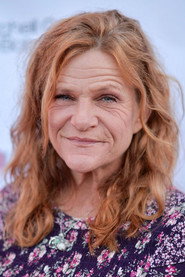 Dale DickeyJennie Gilman
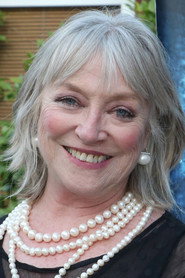 Veronica CartwrightCatherine Sayer
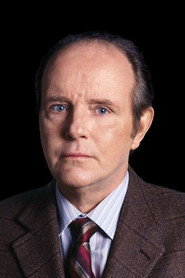 Michael MoriartyMr. Isaac Hendricks
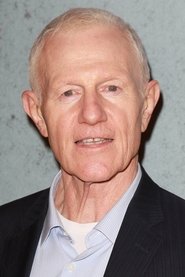 Raymond J. BarryDr. Jack Everland
 Jessi CaseSarah Weiland at age 8
- Gena KayColleen Preston
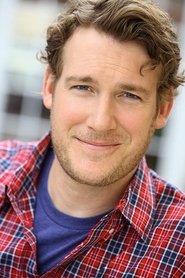 Joe WilliamsonTravis Preston
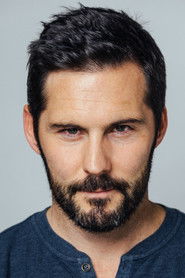 Keller WorthamDavid Kilbourne - Duellist
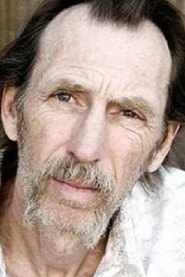 Earl MaddoxBurn in Hell Man
- Alex SchemmerPeter Ware
Directing
- Logan ThomasDirector
- Matt SkinnerFirst Assistant Director
Writing
- Charlotte Perkins GilmanStory
- Aric CushingWriter
- Logan ThomasWriter
Production
- Gena KayCasting
- Aric CushingExecutive Producer
- Logan ThomasExecutive Producer
- Aric CushingProducer
- Greg BeatonProducer
- Logan ThomasProducer
- Jefandi CatoProduction Assistant