
Film
South Riding
Other titles called South Riding: the 2011 series (BBC One).
A 1938 British drama about a headstrong schoolteacher and a troubled squire navigating duty, desire, and small-town politics in Yorkshire. Based on Winifred Holtby's novel, it's a thoughtful look at how public responsibility and private heartbreak shape the people who serve their communities. Quietly intelligent, occasionally romantic, utterly of its time.
Should you watch it?
Watch it if you like small-town politics told through the private lives of the people running it, where a committee vote carries as much weight as a love affair and the camera stays close on faces.
Skip it if you need brisk plotting or a clear hero to root for, since the civic detail is dense and the pace stays unhurried throughout.
What it asks of you: Around an hour and a half of patience, with many overlapping characters and procedural details, so it rewards settling in rather than rushing.
Not sure? Find tonight's pick in a minute.
If you liked this
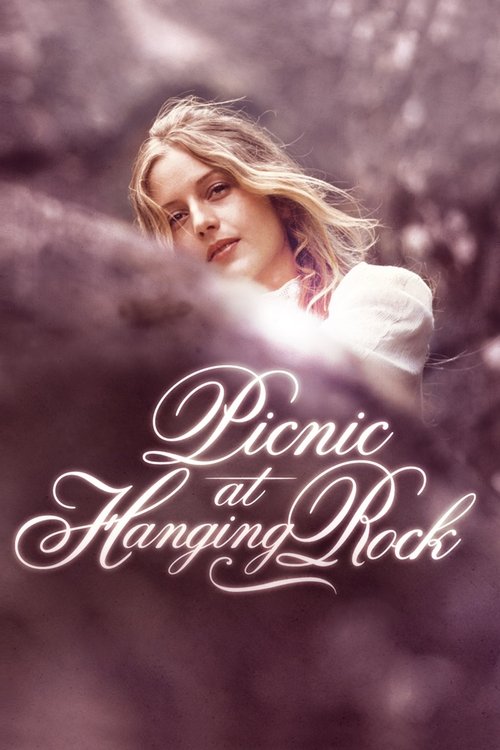
Picnic at Hanging Rock1975
A mysteriously elegant story about authority, desire, and the gap between appearance and truth. Like South Riding, it examines how individual yearning collides with duty and social expectation, with the same unsettling intelligence.
But The pacing is glacial and deliberately withholding. If you need immediate answers or emotional catharsis, this will frustrate you.
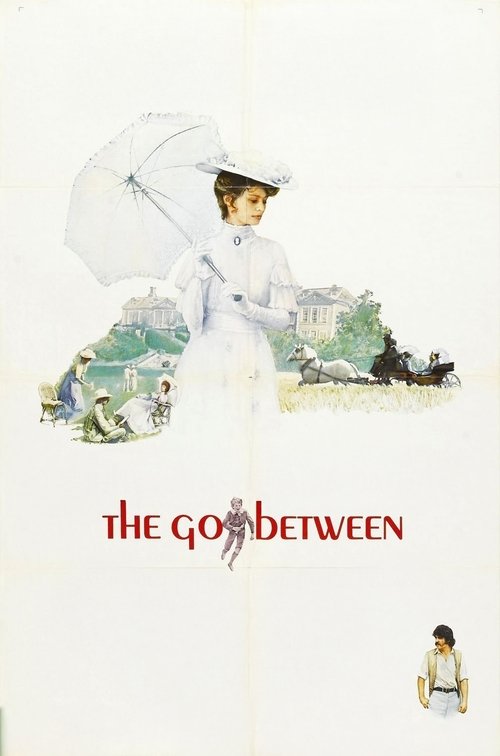
The Go-Between1971
Joseph Losey's masterpiece about a boy caught between two lovers in an Edwardian country house. Both films examine how personal desire destabilizes the rigid order of English provincial life, and both treat the landscape as a character itself.
But Deeply melancholic and slow-moving. The emotional payoff is devastation, not resolution.
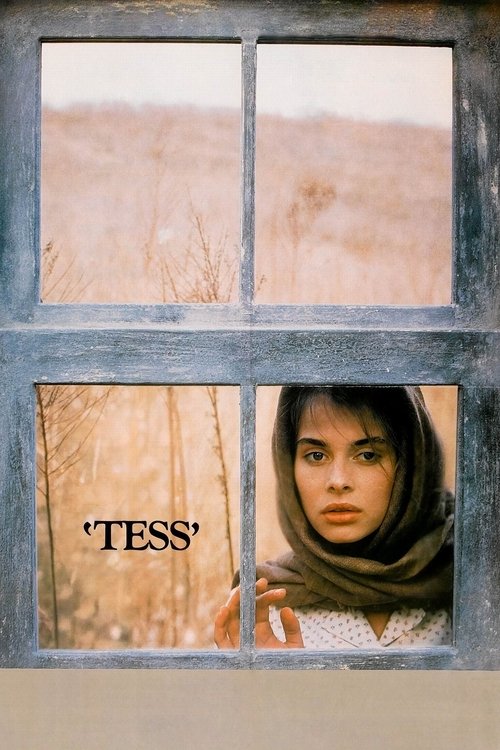
Tess1979
Roman Polanski's achingly beautiful adaptation of Hardy. Like South Riding, it watches a principled woman trapped between social circumstance and genuine feeling, with a man's past grief shaping everything that follows.
But It ends in tragedy. If you want hope, look elsewhere.
Not sure tonight? Get a pick in a minute, starting from South Riding
The wildcard
Something you would not have found on your own.
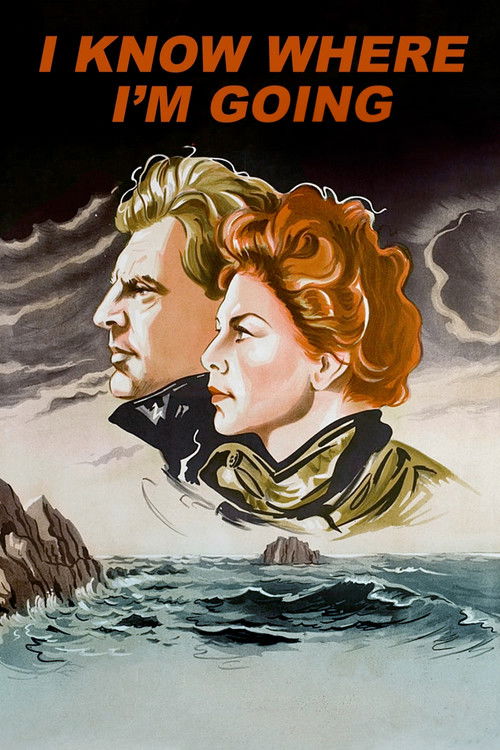
I Know Where I'm Going!1945
Both are British films about the collision of personal happiness and social expectation, but Powell and Pressburger allow their heroine agency and joy—a radically different answer to the same question South Riding asks.
Powell and Pressburger's romance set in Scotland, about a woman torn between ambition and love on a remote island. Like South Riding, it's about choosing between duty and desire—but with magic-realist possibility and visual beauty that South Riding never attempts. A woman making her own decision, freely.
But The whimsy can feel precious. Some viewers find it too slight for such large themes.
More like this (8)
The Remains of the Day1993
Duty versus desire, public composure versus private anguish. A butler and housekeeper mirror the same emotional restraint and missed connections you find in South Riding, with the English landscape as witness.
But Nearly three hours of people not saying what they feel. Some will find it unbearably slow.

Brief Encounter1945
Coward's elegant story of two married people meeting by chance. Both films understand that small towns have no privacy, and that respectability can be as suffocating as any prison.
But Emotionally restrained to the point of seeming cold. Modern audiences sometimes read it as passionless.

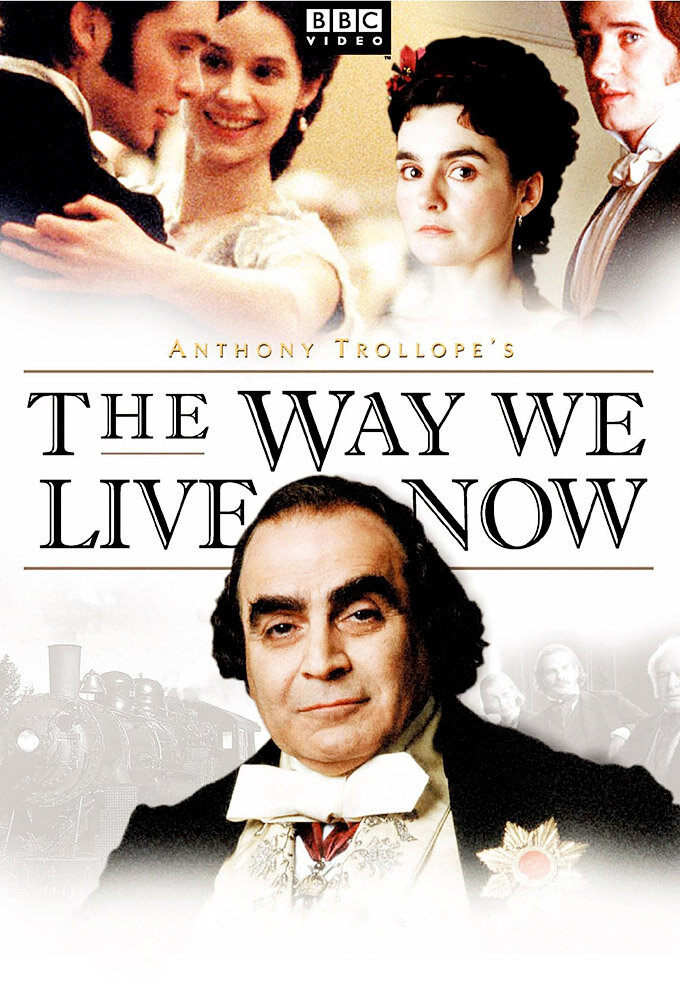
The Way We Live Now2001
A BBC miniseries that captures the same DNA—ambitious people in provincial settings, corruption, scandal, and genuine moral questions about how we live together. Serpell's performance is magnificent.
But It's a Victorian novel transplanted to the present day, which some find gimmicky. The tone is deliberately uneven.
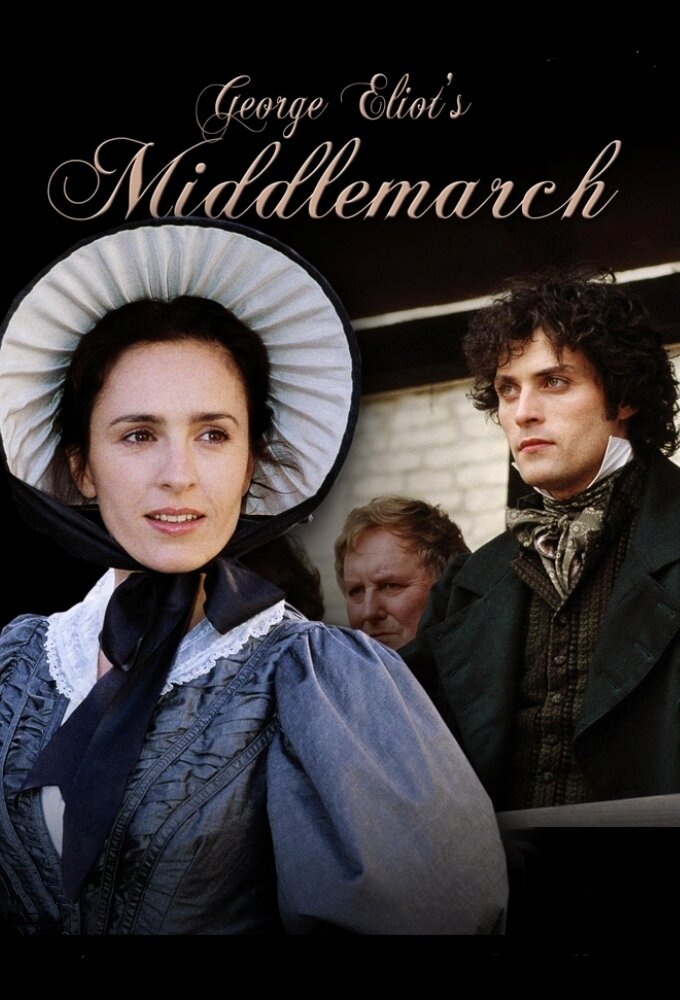
Middlemarch1994
Another ensemble story about provincial life, ambition, and the collision between idealism and reality. Like South Riding, it understands that ordinary towns contain extraordinary moral struggle.
But Six episodes of deliberate pacing. It demands attention and rewards it slowly.
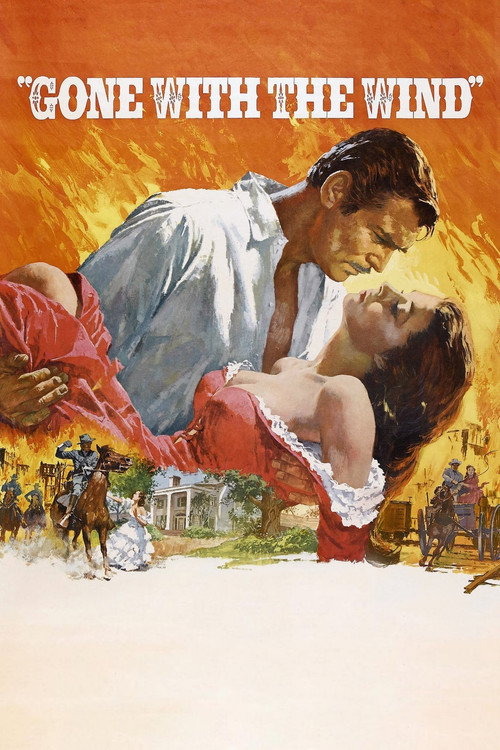
Gone with the Wind1939
Released the year after South Riding, it's a completely different film—sweeping, melodramatic, operatic. But both examine how personal feeling survives or fails against the weight of public upheaval and social obligation.
But Nearly four hours. The film's racial politics are appalling by any standard. Some find its romanticism exhausting.
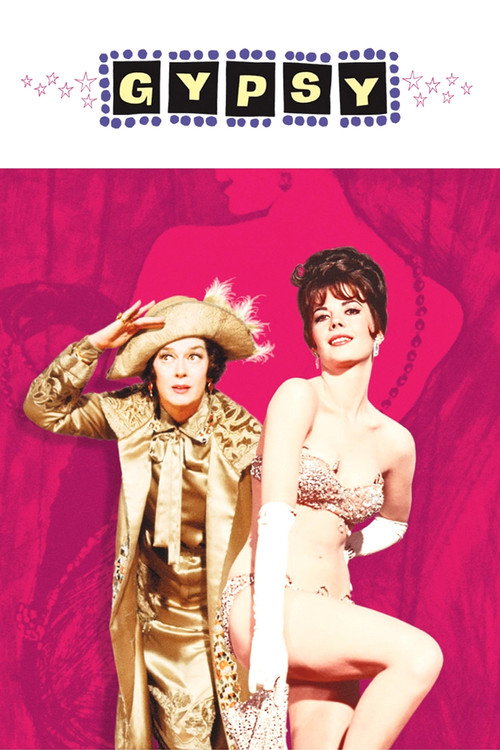
Gypsy1962
Rosalind Russell as a controlling mother in a small-town setting, manipulating those around her through charm and will. Both films understand how personal damage radiates outward through a community and damages everyone nearby.
But It's a musical, which feels tonally removed from South Riding. Some find Leroy's direction overwrought.
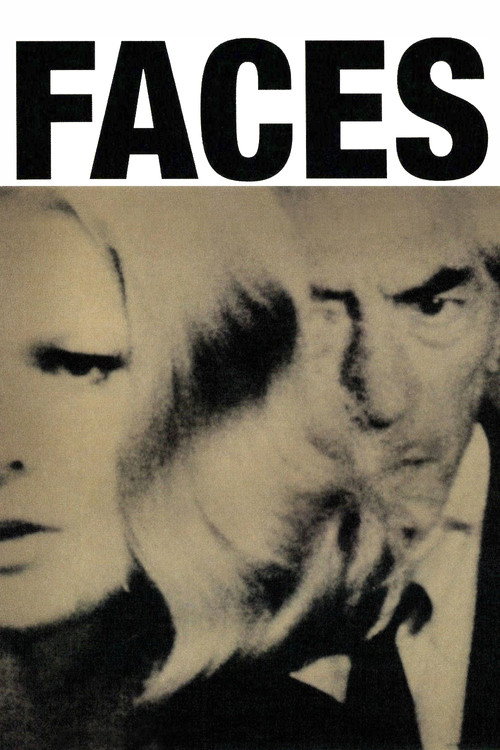
Faces1968
Both examine how personal transgression reverberates through a bounded community; South Riding is restrained and novelistic, Faces is visceral and improvised. Same pressure, different register.
John Cassavetes' brutal, unscripted-feeling chronicle of infidelity and desperation in suburban Los Angeles. It captures the same suffocating sense of small-town entrapment—the way everyone watches everyone, the way a single affair destabilizes everything—but in real time, with documentary rawness.
But It's grainy, exhausting, shot on 16mm. Nearly three hours of people shouting over each other in claustrophobic rooms. Not conventionally watchable.
Ikiru1952
Both films believe that local government workers are heroes—but Ikiru interrogates that belief in ways South Riding only touches. One is a gentle romance, one is an existential reckoning with the same conviction.
Kurosawa's masterpiece about a minor bureaucrat in Tokyo who realizes he's wasted his life serving the system. Like South Riding, it asks whether public duty and personal meaning can coexist—but Ikiru goes further, demanding an answer about what life is actually for.
But It's in Japanese. Over two hours. Contemplative to the point of seeming plotless. The emotional weight is crushing.

People
Cast
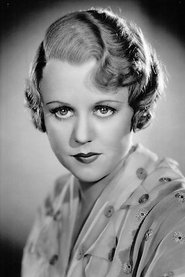 Edna BestSarah Barton
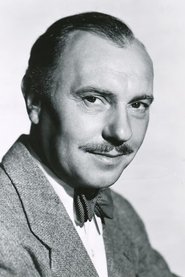 Ralph RichardsonRobert Carne
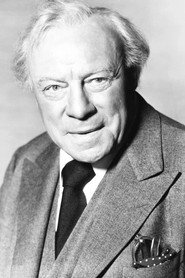 Edmund GwennAlfred Huggins
 Ann ToddMadge Carne
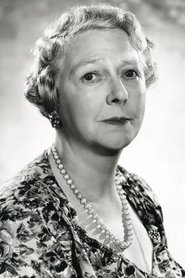 Marie LohrMrs. Beddows
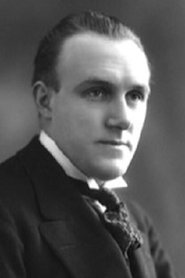 Milton RosmerAlderman Snaith
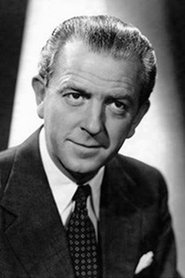 John ClementsJoe Astell
- Edward LexyMr. Holly
- Joan EllumLydia Holly
 Glynis JohnsMidge Carne
- Josephine WilsonMrs. Holly
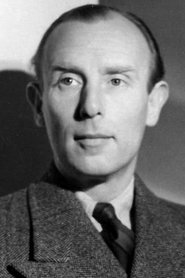 Gus McNaughtonTadman
Directing
- Victor SavilleDirector
Writing
- Winifred HoltbyNovel
- Donald BullScreenplay
- Ian DalrympleScreenplay