
Film
The Final Programme
- Thriller
- Strange
A 1973 science-fiction thriller that swaggers through a post-apocalyptic London where the Cornelius family schemes collide with mad scientists and world-ending tech. Visually baroque, tonally slippery—mixing thriller ruthlessness with absurdist humour and psychedelic cool. For viewers hungry for cult-era weirdness that doesn't explain itself.
Should you watch it?
Watch it if you relish British 1970s sci-fi that treats apocalypse as a costume party, where the mad, mannered tone is the point and the plot is happy to wander.
Skip it if you want a lean thriller with a clear throughline, since the story sprawls, leans on eccentric asides and can feel more like a sketch than a plot.
What it asks of you: At 89 minutes it is brief, yet it moves in loose lurches rather than steady momentum, so you must let its strangeness wash over you.
Not sure? Find tonight's pick in a minute.
If you liked this
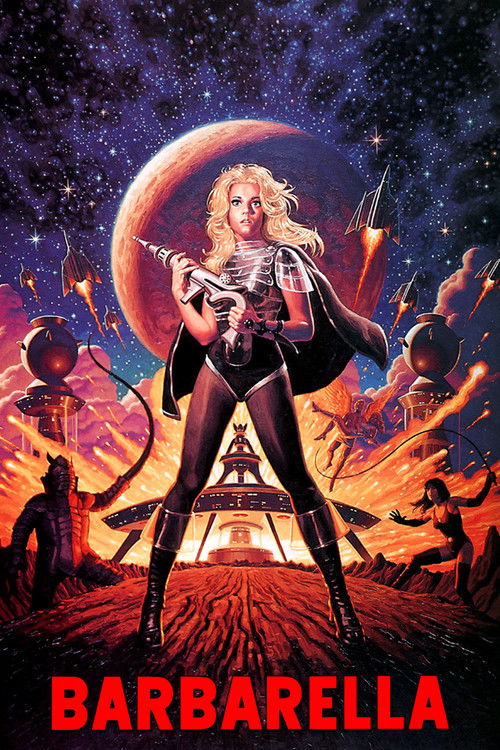
Barbarella1968
Campy space-opera glamour with a similar retro-futuristic aesthetic and that same playful willingness to blend sexiness, science fiction, and satire without apology. Jane Fonda in a glitter machine.
But The tone is broader and breezier—less interested in real menace than The Final Programme, so the shift might feel like a step down.
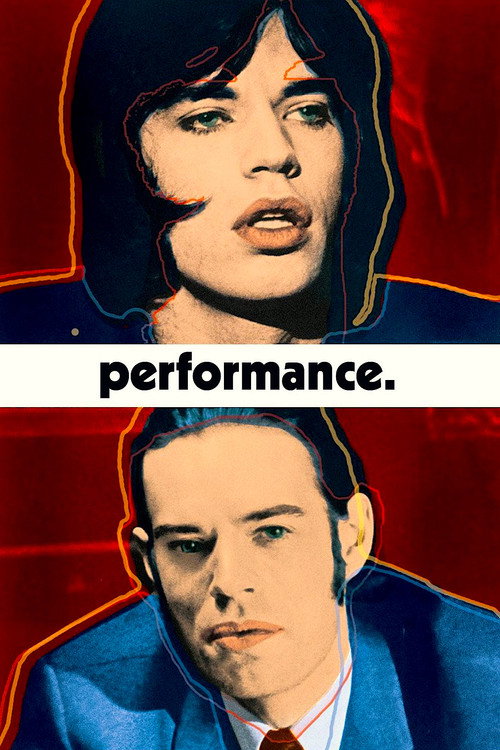
Performance.1970
Hallucinatory, sensual thriller where genre conventions dissolve into style and atmosphere. Both films treat narrative coherence as optional and visual excess as the point. Mick Jagger is hypnotic.
But Even more deliberately obscure than The Final Programme. The plot is almost wilfully opaque, and some will find it self-indulgent rather than visionary.
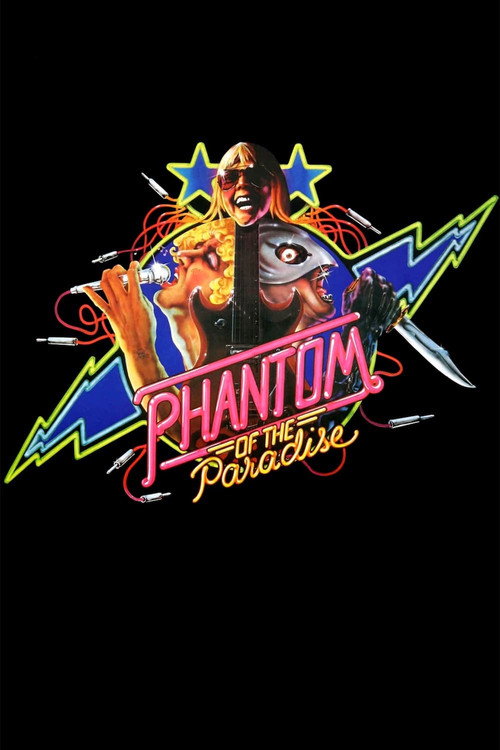
Phantom of the Paradise1974
A glam-horror love letter to exploitation cinema with the same dizzying mix of camp, violence, style, and weird eroticism. De Palma unleashes visual invention alongside genuine darkness. A cult film that earned it.
But The rock-opera register is specific and won't click for everyone. If you can't enjoy artificiality as artificiality, you'll find it exhausting.
Not sure tonight? Get a pick in a minute, starting from The Final Programme
The wildcard
Something you would not have found on your own.
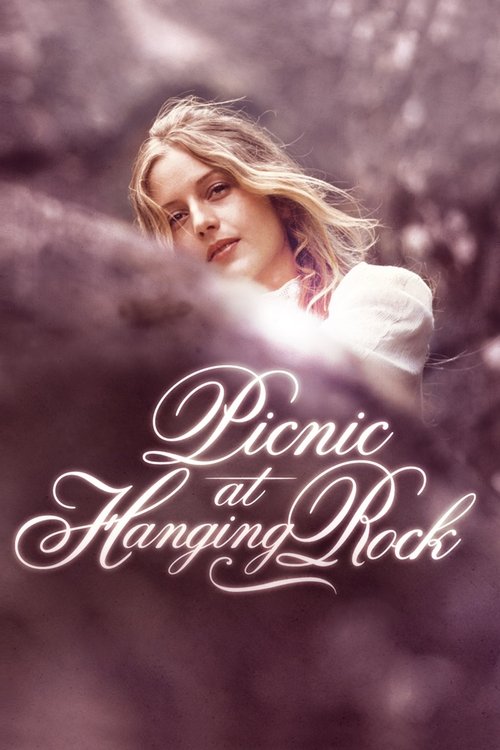
Picnic at Hanging Rock1975
Both are baroque-visual mysteries from the early-70s that treat narrative as secondary to atmosphere. Both let you drift without holding your hand. Both end in deliberate refusal to explain what you've seen.
Peter Weir's Australian masterpiece shares The Final Programme's visual lushness and commitment to mood over explanation, but transposes the strangeness to the colonial outback. Mystery that resists closure. Hypnotic and haunting rather than campy, but equally baroque.
But Slowburn and meditative where The Final Programme rushes. Demands patience and rewards silence. Some will find it pretentious instead of enigmatic.
More like this (8)
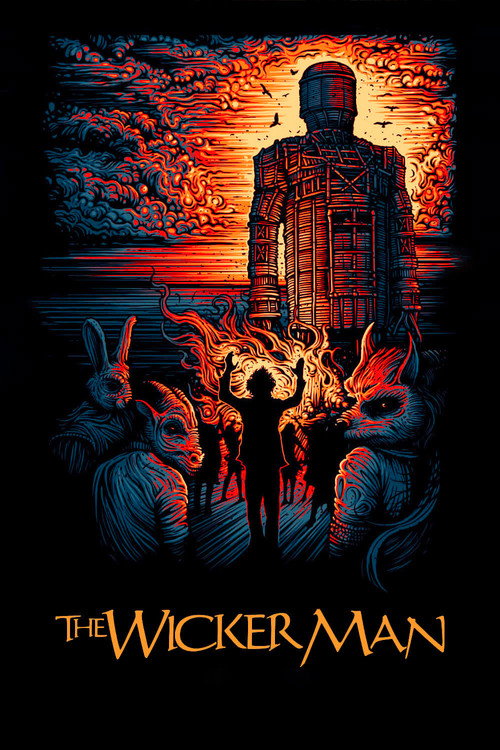
The Wicker Man1973
Released the same year, it shares that fevered 70s British sensibility—folk-horror dread wrapped in ritualistic strangeness. Networked by themes of madness, sexuality, and hidden knowledge. Genuinely haunting underneath the weirdness.
But It's more straightforward narratively and morally grounded. If you loved The Final Programme for its chaos, this will feel almost conventional.
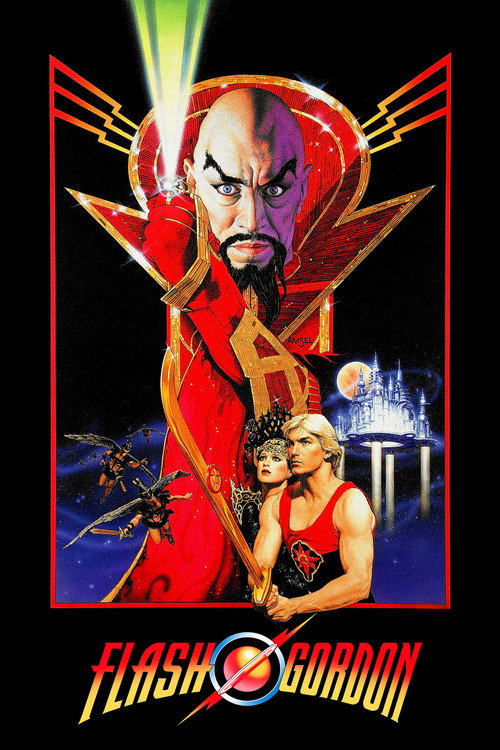
Flash Gordon1980
Deliberately campy space-serial that winks at its own absurdity while delivering genuine visual splendour and a killer synth score. Same idea: style over sense, excess as the message.
But Much sunnier and more family-friendly. It celebrates sci-fi tropes where The Final Programme mocks them. The tone is fundamentally lighter.
The Holy Mountain1973
Jodorowsky's surrealist odyssey is equally bewildering and visually audacious, with the same refusal to subordinate strangeness to narrative sense. A fever dream you can't quite shake.
But No plot to speak of. It's pure symbolism and sensation, which will feel indulgent or profound depending on your patience for avant-garde provocation.

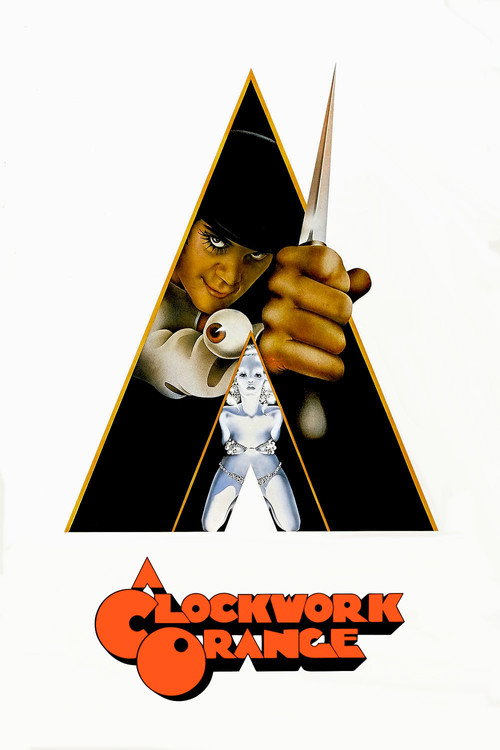
A Clockwork Orange1971
Kubrick's ultra-violent provocation carries the same sleek, satirical aesthetic and fearlessness about mixing beauty with brutality. Both films use style as a weapon against complacency.
But It's a masterpiece with a much bigger budget and clearer thematic architecture. The Final Programme feels scrappier and more genuinely strange by comparison.
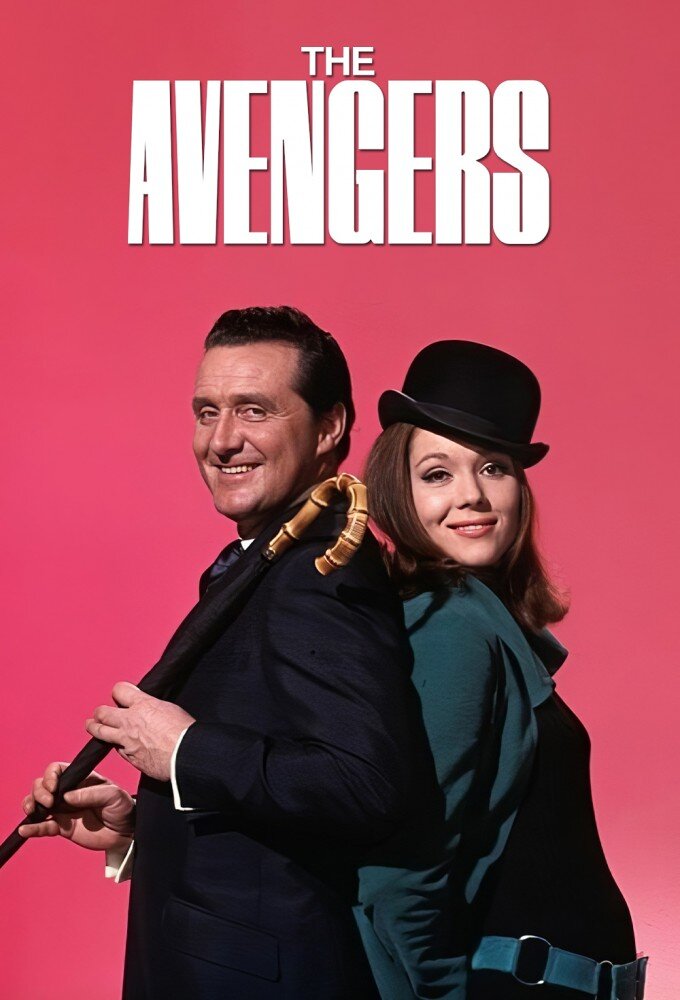
The Avengers1961
The later, absurdist seasons (Diana Rigg era) share The Final Programme's spy-thriller skeleton wrapped in surreal, camp plotting. Same mixture of danger and camp, villains and style. British eccentricity as operating principle.
But Television episodic structure is fundamentally different. The Avengers resolves; The Final Programme refuses. Also now feels very dated in ways that might distract.
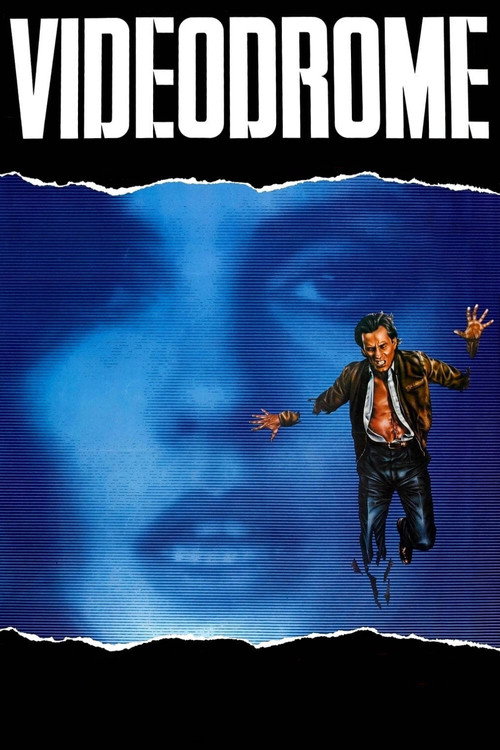
Videodrome1983
Cronenberg's hallucinatory body-horror thriller about reality dissolving into simulation. Similar dread about technology and identity, same willingness to make confusion and disgust central to the viewing experience.
But More focused on visceral body horror than style. It's grosser and more coherent—a different kind of disorientation altogether.
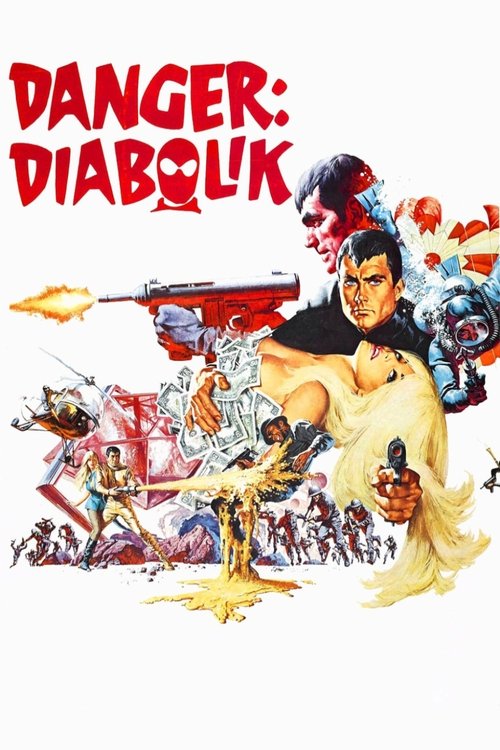
Danger: Diabolik1968
Both films surrender completely to aesthetic pleasure as the governing principle. Both treat their protagonists as beautiful objects moving through elaborate, designed worlds. Narrative is ornament.
Italian crime-caper art film where a super-thief and his lover exist in a candy-coloured, impossible world of style and theft. John Philip Law is beautiful and blank. Pure visual pleasure—plot is almost abstract.
But Campy in a different register entirely. If you want actual stakes and menace, the playfulness will seem frivolous rather than liberating.
Mulholland Drive2001
Both use fragmented narrative and visual excess to explore a world where identity is unstable and reality cannot be trusted. Both are funhouse-mirror versions of thriller/spy conventions. Both insist that confusion is the point.
Lynch's fractured Hollywood nightmare is similarly structured as a puzzle that resists solution, layering genre-film pastiche over existential dread. Los Angeles as a labyrinth. Beautiful, sexy, and fundamentally unstable—nothing coheres.
But Three hours and more mathematically cruel. The Final Programme's chaos is more cheerful. Mulholland Drive breaks you; The Final Programme bemuses you.

People
Cast
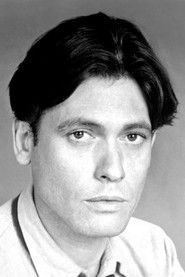 Jon FinchJerry Cornelius
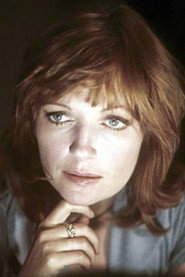 Jenny RunacreMiss Brunner
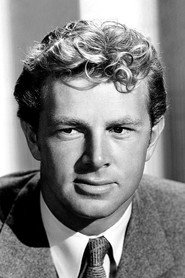 Sterling HaydenMaj. Wrongway Lindbergh
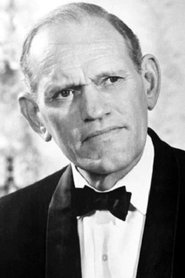 Harry AndrewsJohn
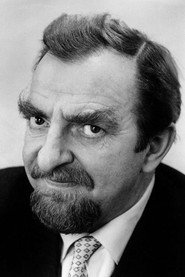 Hugh GriffithProfessor Hira
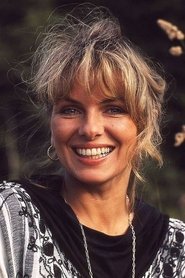 Julie EgeMiss Dazzle
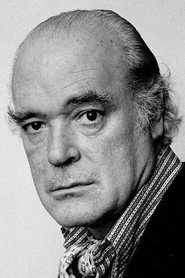 Patrick MageeDr. Baxter
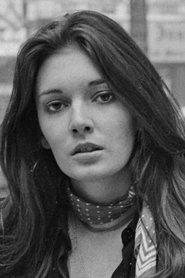 Sarah DouglasCatherine
 Sandra DickinsonWaitress
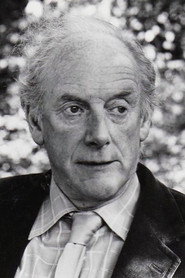 Graham CrowdenDr Smiles
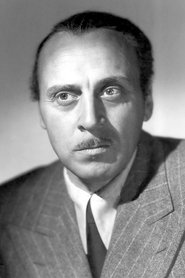 George CoulourisDr Powys
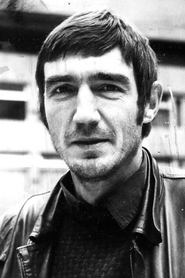 Derrick O'ConnorFrank
Directing
- Robert FuestDirector
Writing
- Michael MoorcockNovel
- Robert FuestWriter
Production
- David PuttnamExecutive Producer
- Roy BairdExecutive Producer
- John GoldstoneProducer
- Sanford LiebersonProducer