
Film
The Sheltering Sky
- Drama
- Very dark
- Slow-burning
Bernardo Bertolucci's 1990 adaptation of Paul Bowles' novel follows an American couple unraveling in postwar North Africa—a film of vast deserts, moral dissolution, and sensual dread. It's meditative, sometimes brutal, visually magnificent. For those who want cinema as a state of mind rather than a story.
If you liked this
Under the Skin2014
Jonathan Glazer's Scarlett Johansson film shares Sheltering Sky's sense of an unknowable landscape and human vulnerability. Alien, glacial, hypnotic—a woman moves through the world while something essential remains hidden.
But It's abstract and slow. The narrative is deliberately withheld. If you want plot clarity or dialogue-driven drama, this will frustrate you.

Stalker1979
Andrei Tarkovsky's masterpiece about a guide leading travelers through a mysterious zone. Both films treat landscape as existential—places that reveal character through what they strip away, not what they offer.
But At 163 minutes, it moves at a glacial pace. Long takes, philosophical exposition, minimal plot. Demands patience that even patient viewers sometimes find excessive.

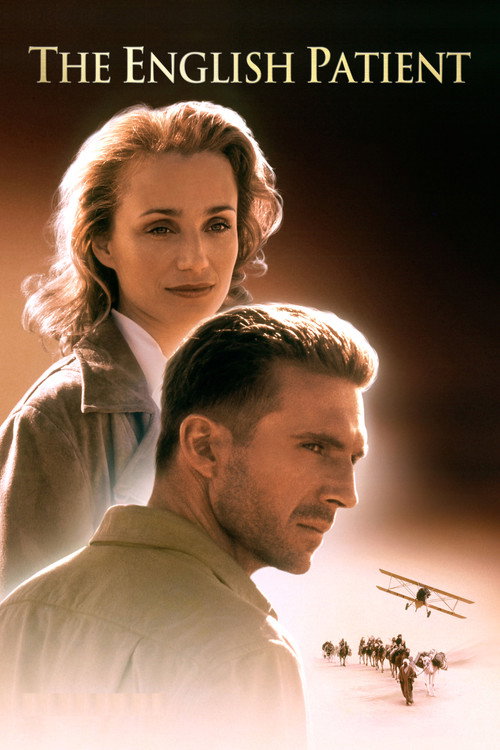
The English Patient1996
Minghella's romantic epic also uses the desert and postwar dislocation as backdrop for lives falling apart. Lush cinematography, moral ambiguity, two people circling toward or away from each other.
But It swings toward melodrama and conventional tragedy. The romance is central in a way that softens the alienation and emptiness that defines Sheltering Sky.
Not sure tonight? Get a pick in a minute, starting from The Sheltering Sky
The wildcard
Something you would not have found on your own.
La Haine1995
Both films use landscape and movement through space to explore how society isolates people—one through colonial exoticism, one through systemic exclusion. Both end in rupture.
Mathieu Kassovitz's film about three young men in the Paris banlieue over 24 hours. Like Sheltering Sky, it's formally magnificent and concerned with drift, exclusion, and the dissolution of identity—but it trades Bowles' existential void for urgent social rage. Black-and-white cinematography as stunning as anything Bertolucci shot.
But It's abrasive and its politics are unambiguous. The pacing is propulsive rather than meditative. If you're drawn to Sheltering Sky for its quiet fatalism, this will feel almost aggressively direct.

More like this (8)
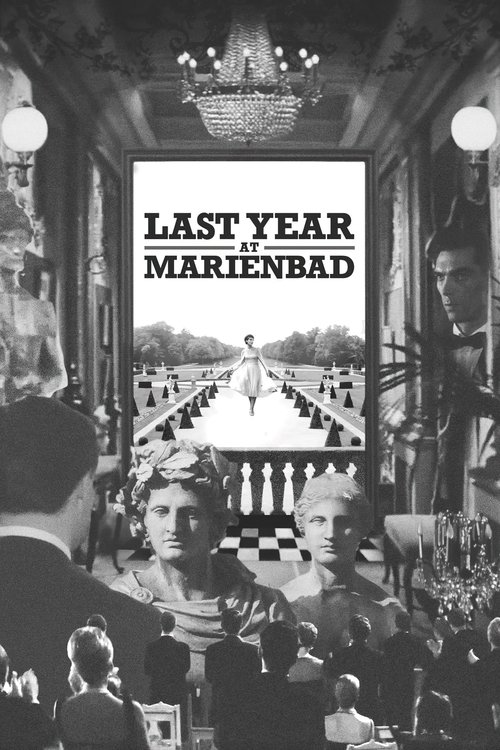
Last Year at Marienbad1961
Alain Resnais' puzzle-box film about memory, identity, and seduction in a decaying resort. Like Sheltering Sky, it prioritizes mood and uncertainty over narrative clarity—two people whose history is unknowable.
But It's deliberately opaque. The film resists interpretation and rewards none. Some viewers find it precious or empty rather than mysterious.
In the Mood for Love2000
Wong Kar-wai's film about two neighbors in 1960s Hong Kong discovering their spouses are having an affair. Ravishing visual style and emotional precision—two people contained by space and social codes.
But The plot is minimal and the pacing is glacial. If you prefer kinetic storytelling or explicit emotional catharsis, this will feel like watching paint dry in a silk robe.

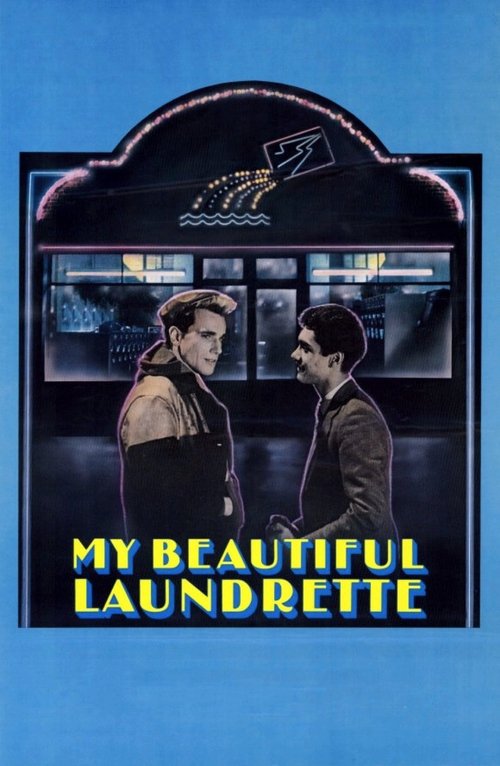
My Beautiful Laundrette1985
Stephen Frears directs this 1980s London story of class collision and desire. Like Sheltering Sky, it finds dark comedy and eroticism in places you're not expecting—gritty, sensual, formally daring.
But It's explicitly sexual and its politics are divisive. The tone lurches between comedy and grimness; some scenes land as provocation rather than drama.
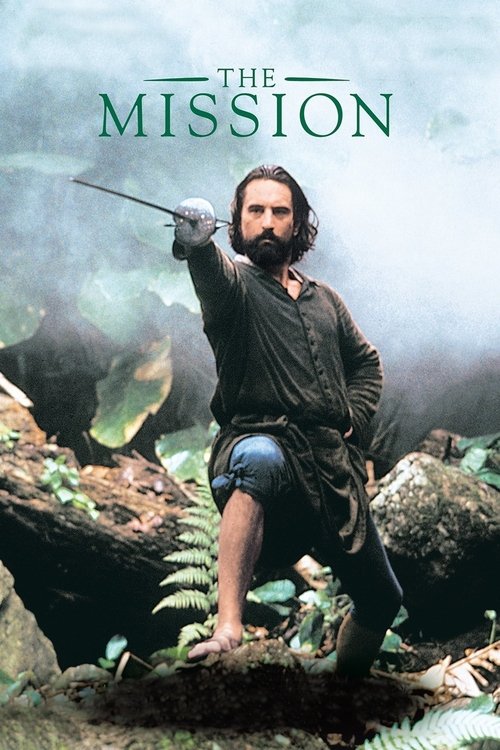
The Mission1986
Roland Joffé's film about Jesuit priests in colonial South America. Stunning cinematography, moral complexity about faith and power, two men at odds over conscience. Exotic and formally beautiful without being remote.
But The second half becomes conventional epic. The visual grandeur can overshadow the character work, and the ending chooses clarity over ambiguity.
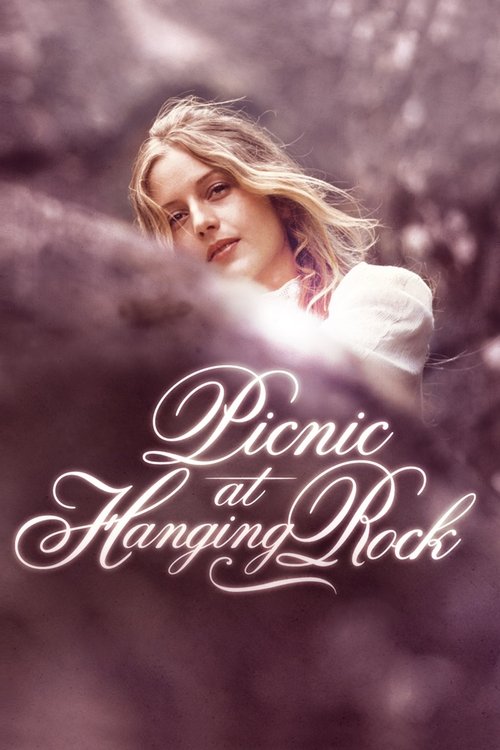
Picnic at Hanging Rock1975
Peter Weir's 1975 mystery set in Australia. Girls vanish during an excursion; Weir never explains why. Gorgeous, eerie, focused on absence and what it does to the people left behind. Pure cinema.
But There is no resolution. The mystery is never solved. If you need narrative closure or plausible explanations, the film will feel deliberately withholding.
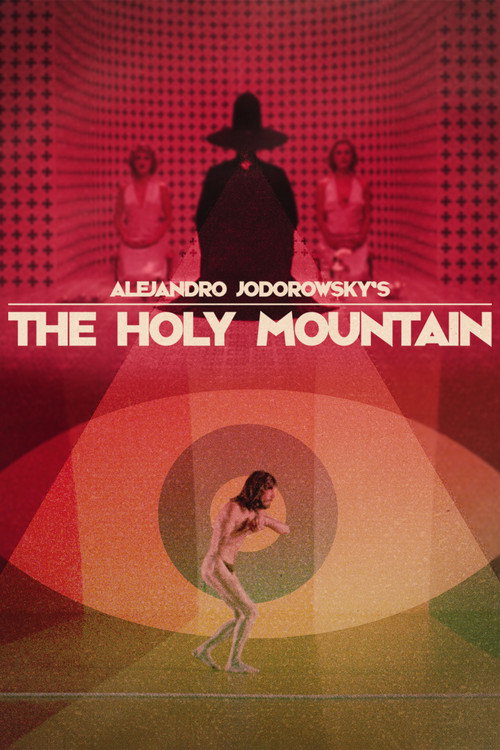
The Holy Mountain1973
Jodorowsky's surreal pilgrimage through symbolic landscapes, seeking enlightenment. Both films treat the journey as spiritual ordeal; both use landscape and body as primary texts rather than dialogue or plot.
But It's aggressively surreal, often grotesque, sexually explicit, and has no conventional narrative logic. The philosophy is heavy-handed. Most viewers find it either transcendent or bewildering.
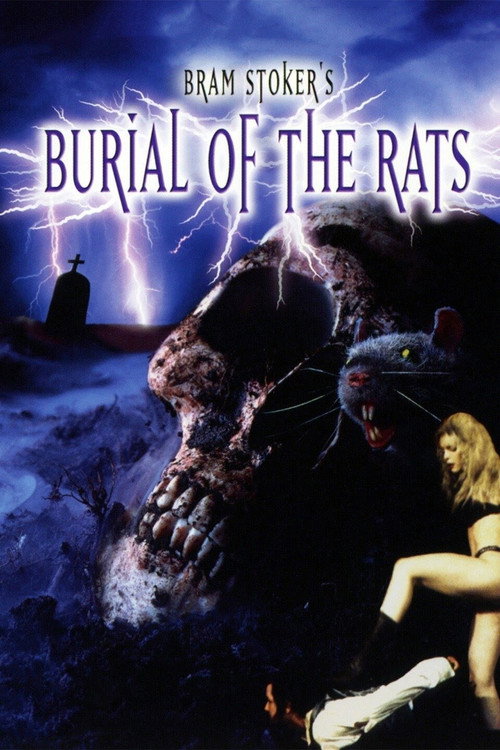
Burial of the Rats1995
Both are postwar films about drift and dissolution set in unfamiliar landscapes. Both use the journey as psychological unraveling. Both privilege visual and sensual experience over narrative comfort.
Lucian Pintilie's Romanian film about a woman's journey through postwar Eastern Europe—a harsh, sensual, unflinching look at survival and desire in a ruined landscape. It has Sheltering Sky's formal beauty and moral bleakness, but grounded in recent historical trauma and the body's vulnerability.
But It's sexually explicit and physically brutal. The tone is relentlessly grim. Romanian cinema is not mainstream, and finding it requires effort.
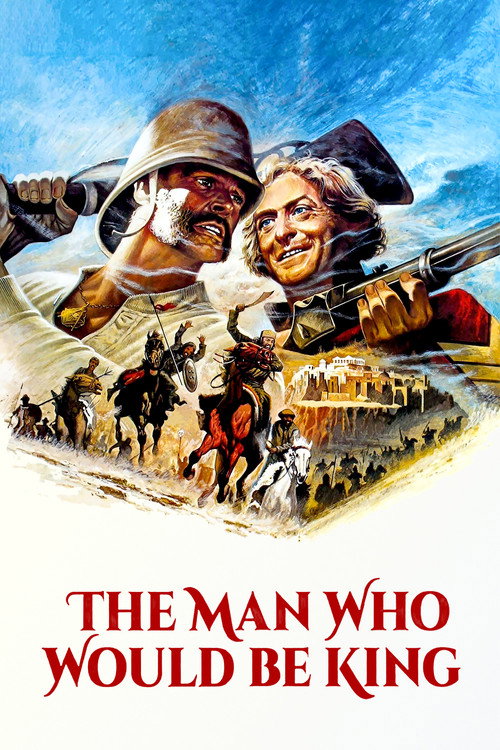
The Man Who Would Be King1975
Both use Central Asian and colonial settings to ask whether landscapes and power corrupt Westerners, or merely reveal what was already there. Both suggest that the journey abroad is less about the place than about the self you bring with you.
John Huston's adventure film about two British con men seeking power in Kafiristan. Utterly unlike Sheltering Sky in genre and tone—rousing, funny, swaggering—but identical in its meditation on how far-off places expose the moral rot of ambitious men. Visually rapturous, philosophically serious, genuinely entertaining.
But It's a conventional narrative adventure film. If you want abstraction and alienation, this will feel like a betrayal—it's about men *in* control, not men *losing* control.
People
Cast
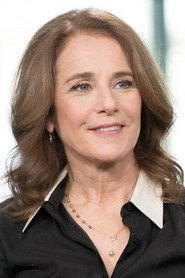 Debra WingerKit
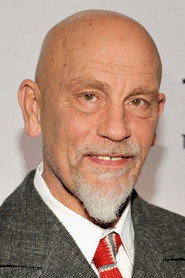 John MalkovichPort
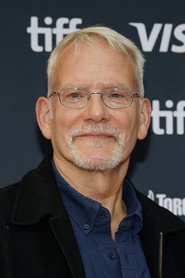 Campbell ScottTunner
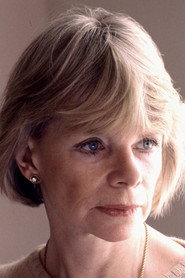 Jill BennettMrs. Lyle
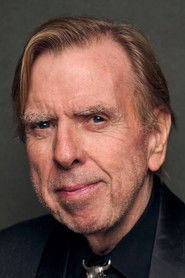 Timothy SpallEric Lyle
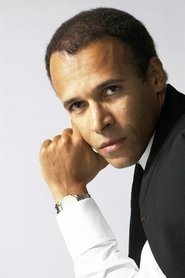 Eric Vu-AnBelqassim
 Amina AnnabiMahrnia
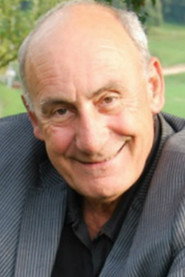 Philippe Morier-GenoudCaptain Broussard
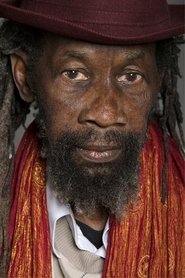 Sotigui KouyatéAbdelkader
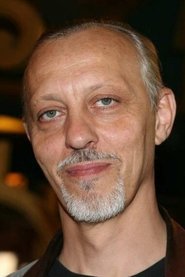 Tom NovembreFrench Immigration Officer
- Mohamed Ben SmailSmail
- Kamel CherifTicket Seller
Directing
- Bernardo BertolucciDirector
Writing
- Paul BowlesNovel
- Bernardo BertolucciScreenplay
- Mark PeploeScreenplay
Production
- Celestia FoxCasting
- Juliet TaylorCasting
- William AldrichExecutive Producer
- Jeremy ThomasProducer
Recommended by
Under the Tuscan Sun, On the Road, The Big Blue, Cairo Time, Desert of Fire, The Master