
Film
Cracks
A psychological thriller set in a 1950s British girls' boarding school, where a charismatic headmistress's fascination with a new student destabilizes the delicate social order. Tense, atmospheric, and unsettling—a slow-burn exploration of power, desire, and the dangerous allure of authority. For anyone who loves psychological intrigue wrapped in period elegance.
If you liked this
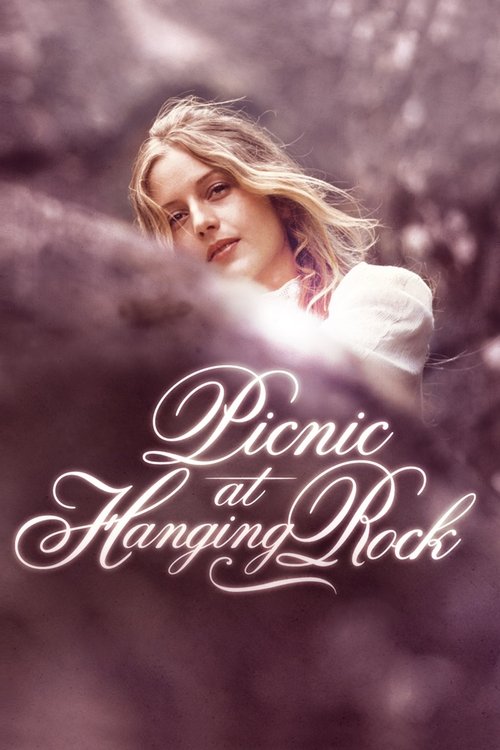
Picnic at Hanging Rock1975
A masterpiece of atmospheric mystery set at an Australian girls' school where students vanish during an outing. Like Cracks, it captures the eerie beauty of female adolescence and institutional mystery with hypnotic precision.
But Deliberately vague—it never explains what happened, which some find profound and others find infuriating. Very slow-paced, almost meditative.
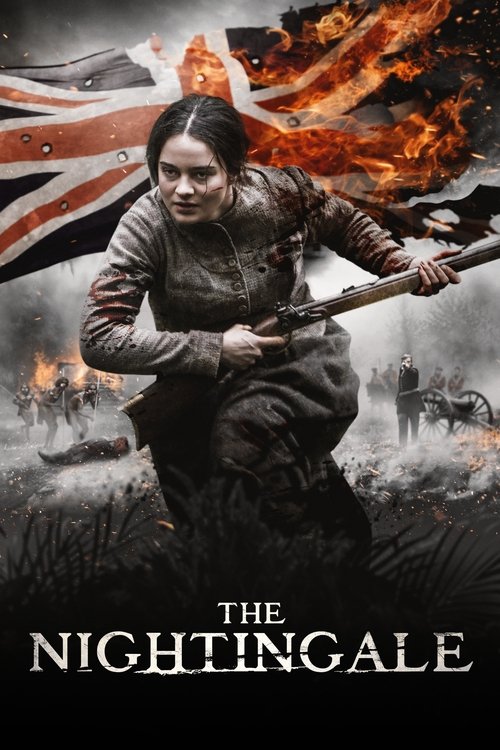
The Nightingale2018
A visceral period thriller about two sisters navigating brutality and survival during wartime. Shares Cracks' unflinching examination of power dynamics and the predatory nature of institutional control, but with rawer emotional stakes.
But Depicts sexual violence explicitly and without sentimentality. Genuinely harrowing in stretches—this is not escapism.
Mulholland Drive2001
A cryptic, dazzling exploration of obsession and toxic relationships that shifts beneath your feet. Like Cracks, it's interested in how attraction and control intertwine, and in the terror of being consumed by someone else's desire.
But Deliberately fragmented and demanding; the 'plot' resists straightforward interpretation. Some find it elusive brilliance, others find it pretentious.

Not sure tonight? Get a pick in a minute, starting from Cracks
The wildcard
Something you would not have found on your own.
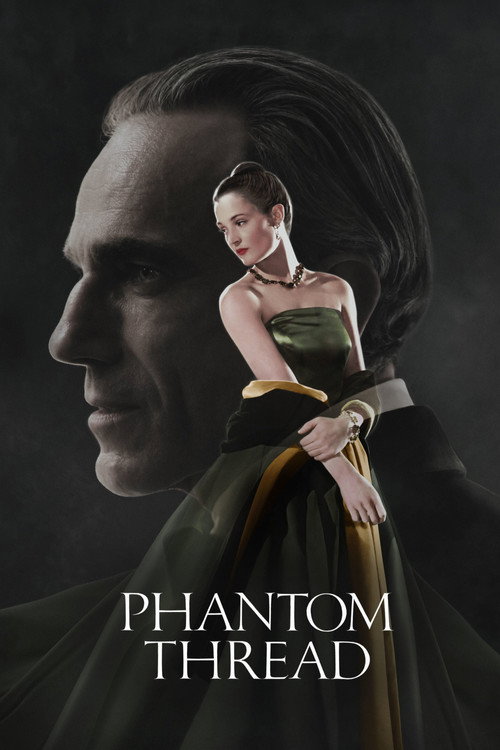
Phantom Thread2017
Both films are deeply interested in the architecture of obsession: how desire becomes control, how admiration becomes entrapment, how the object of fascination is dehumanized by it.
Paul Thomas Anderson's hypnotic character study of a couturier obsessed with controlling his muse. A completely different milieu and register, but the central engine is identical: the slow, poisonous dance of possession disguised as love, and the seduction of being consumed by someone's vision of you.
But A three-hour exploration of psychological manipulation without explosiveness—if you need plot momentum or conventional catharsis, this will feel self-indulgent and remote.
More like this (8)
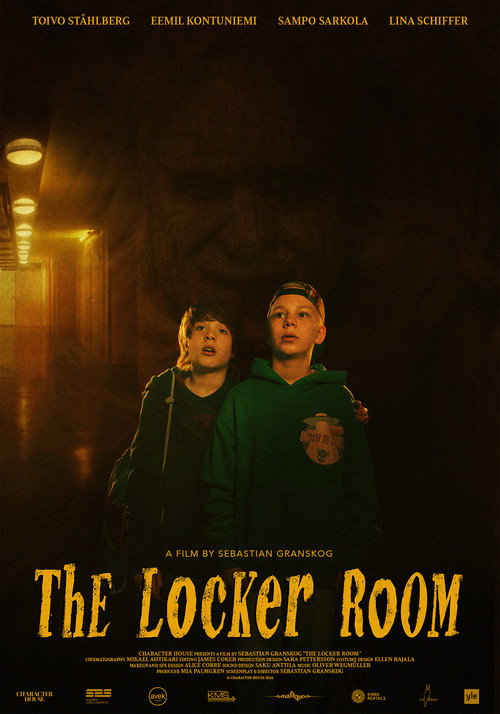
The Locker Room2024
A taut British thriller about power plays within a girls' school setting. Shares the claustrophobic, tension-filled atmosphere and the exploration of how institutional hierarchies breed manipulation.
But Recent enough to feel less polished than prestige dramas; the pacing falters occasionally and emotional climaxes sometimes land unevenly.
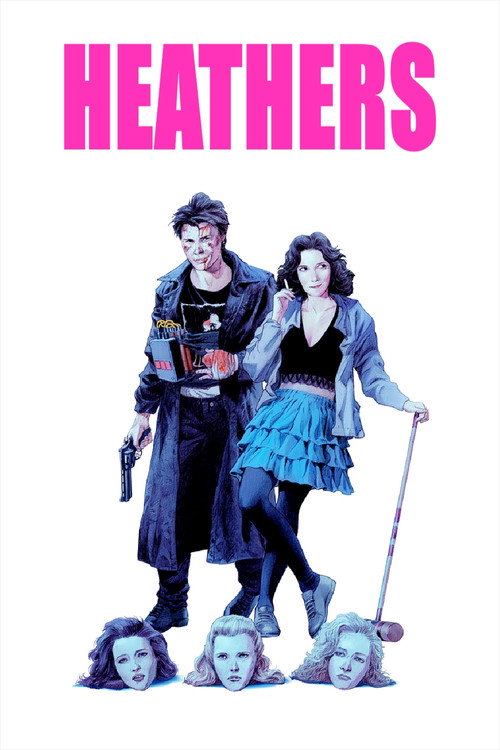
Heathers1989
A wickedly dark satire about cliques, social hierarchy, and the corruption of teen ideology by charismatic authority figures. Shares Cracks' interest in how easily groups can be manipulated by a compelling personality.
But Aggressively comedic and campy in tone—a fundamentally different register from Cracks, which might throw you if you want to stay immersed in dread.
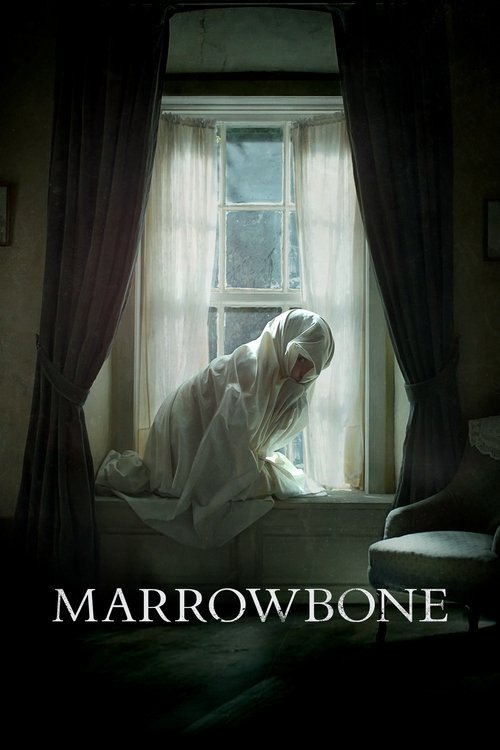
Marrowbone2017
A gothic, twisty story about a family of siblings hiding secrets in an old house. Captures the claustrophobia and psychological tension of Cracks, with a similar interest in how isolation breeds psychological distortion.
But The twist relies on information withheld from the viewer, which some experience as clever misdirection and others as narrative unfairness.
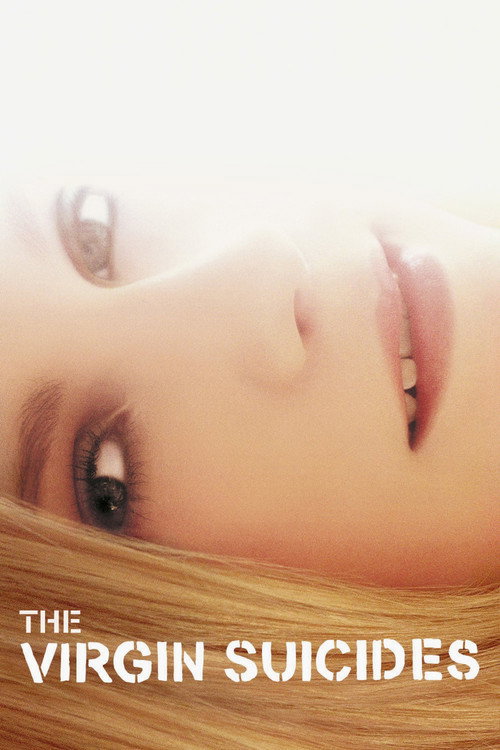
The Virgin Suicides2000
Sofia Coppola's dreamy, tragic film about five sisters controlled by their parents. Like Cracks, it examines how institutional authority (in this case, parental) creates a pressure cooker of desire, resentment, and destruction.
But Heavily stylized and deliberately distanced emotionally—you never get close to the sisters' interiority, which can feel cold or elusive.
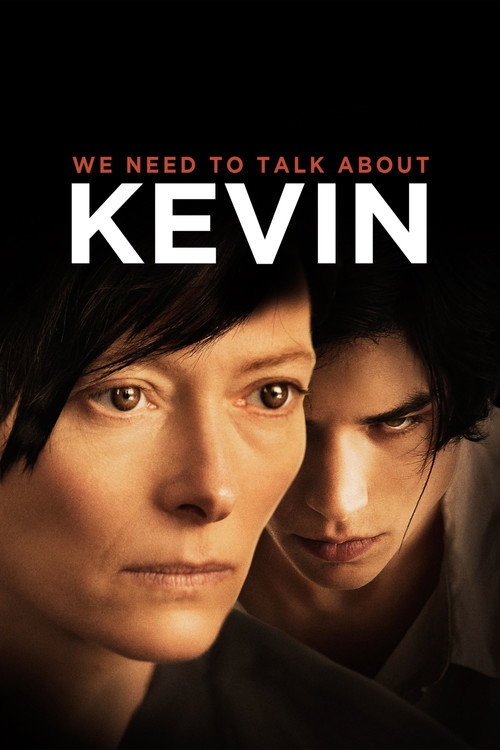
We Need to Talk About Kevin2011
A devastating exploration of maternal obsession and control, structured as a puzzle. Like Cracks, it's interested in how affection can become corrupted into something toxic, and how possession masquerades as love.
But Bleak and uncompromising—there is no comfort here, and the narrative structure is fragmented enough to frustrate impatient viewers.
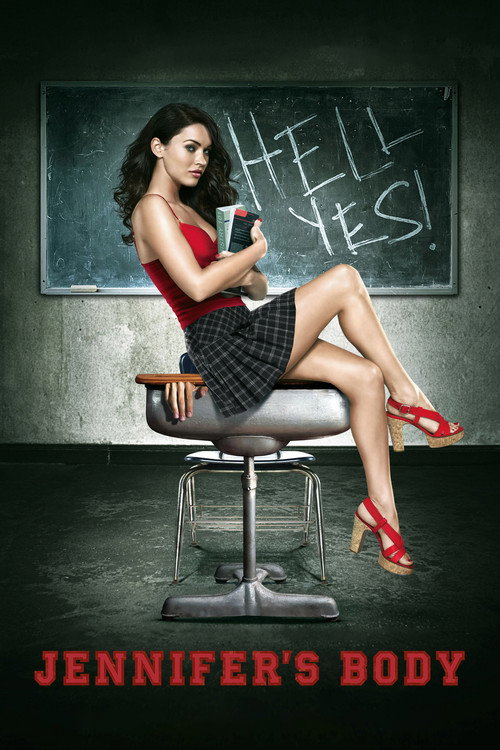
Jennifer's Body2009
A dark comedy-horror about female desire and destruction, with strong thematic parallels to Cracks' exploration of toxic attraction and the danger of idealization. Released the same year, both films interrogate how desire corrupts.
But Tonal shifts between horror and comedy don't always land; it's campy in ways that undercut the darker material, and the plot is somewhat thin.
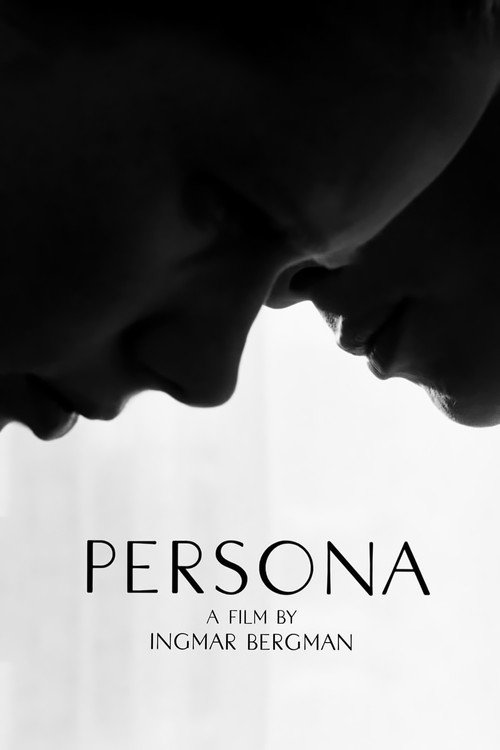
Persona1966
Both films use the claustrophobic space (school, hospital room) and the intimate relationship between two women as a stage for examining identity itself—who we are when we're watched, and whether the self is negotiable.
Bergman's cryptic masterpiece about the relationship between a nurse and a mute actress. Like Cracks, it's about the erosion of boundaries between two people, and the question of whether real connection exists or if we're all performing. Visually and philosophically extraordinary.
But Experimental and abstract—there is almost no plot, dialogue, or conventional narrative structure. Demands active engagement and tolerates ambiguity. Some find it transcendent; others find it glacial and impenetrable.
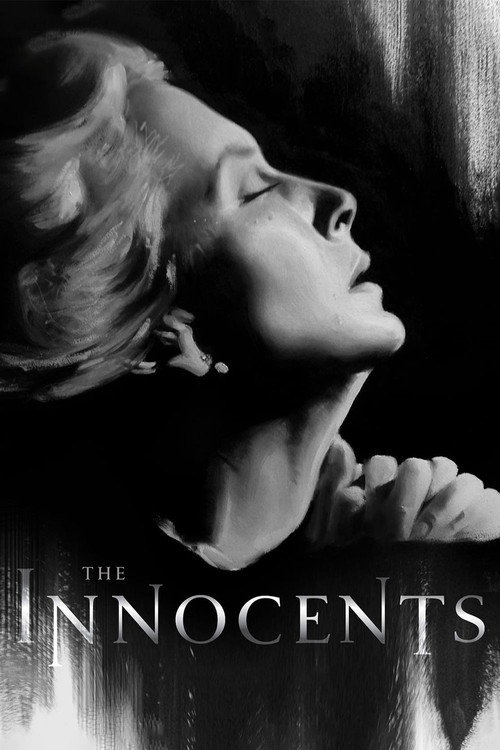
The Innocents1961
Both films use female characters in positions of authority or influence within isolated institutions as a lens to examine the corruption of innocence, and the possibility that looking too closely at purity is itself a kind of contamination.
A ghost story—or is it?—about a governess arriving at an English country house to find the children she tends to are corrupting, corrupted, or possessed. Like Cracks, it's a masterclass in psychological ambiguity, atmospheric dread, and the question of whether evil is real or imagined. Extraordinary black-and-white cinematography.
But The supernatural dimension is never resolved; you will never know for certain if ghosts are real in this film. If you need narrative clarity and genre certainty, you will find this frustrating.
People
Cast
 Eva GreenMiss G
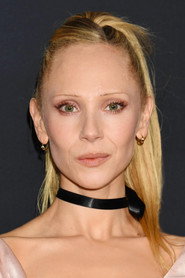
 María ValverdeFiamma
 Imogen PootsPoppy
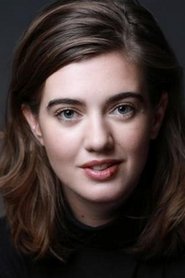 Ellie NunnLily
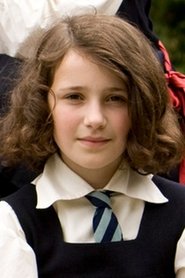 Adele McCannLaurel
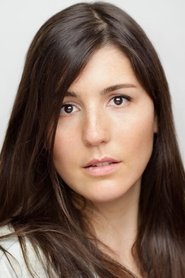 Zoe CarrollRosie
 Clemmie DugdaleFuzzy
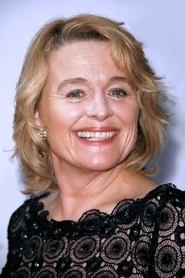 Sinéad CusackMiss Nieven
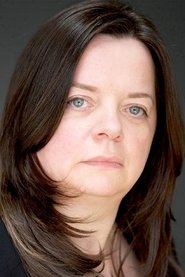 Helen NortonMatron
 Deirdre DonnellyMiss Lacey
 Barbara AdairMiss Cairns
Directing
- Jordan ScottDirector
- Luke JohnstonFirst Assistant Director
- Jean BourneScript Supervisor
- Jill DempseySecond Assistant Director
- Anna HarrisonThird Assistant Director
Writing
- Sheila KohlerNovel
- Ben CourtScreenplay
- Caroline IpScreenplay
- Jordan ScottScreenplay
Production
- Carola AshAssociate Producer
- Elisa AlvaresAssociate Producer
- Sheila KohlerAssociate Producer
- Shaheen BaigCasting
- Eve RowanCasting Assistant
- Naomi JalilCasting Associate
- Catherine MorisseCo-Producer
- Charles PuglieseCo-Producer
- Malcolm ReeveCo-Producer
- Michael CostiganCo-Producer
- Alain GoldmanExecutive Producer
- Guy CollinsExecutive Producer
- John WellsExecutive Producer
- Ricardo García ArrojoExecutive Producer
- Ridley ScottExecutive Producer
- Tony ScottExecutive Producer
- Paul MylerLine Producer
- Andrew LoweProducer
- Christine VachonProducer
- Julie PayneProducer
- Kwesi DicksonProducer
- Rosalie SwedlinProducer