
Film
Hitler's SS: Portrait in Evil
- Period drama
- Crime
- Very dark
A two-part 1985 TV drama following two Berlin brothers whose divergent paths through Nazi institutions—one as an SS officer, one as an SA chauffeur—chart a descent into complicity and moral corruption. It's a methodical, character-driven account of how ordinary ambition becomes evil, told with restraint and without spectacle. For viewers interested in how fascism recruits and transforms people.
If you liked this
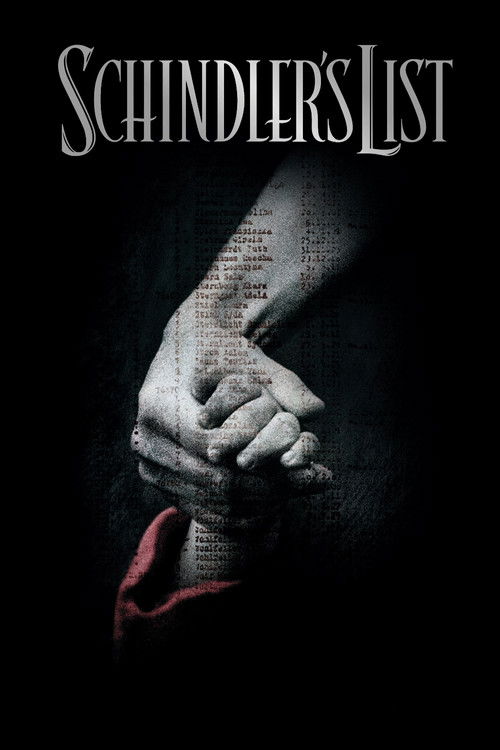
Schindler's List1993
Spielberg's monumental account of one man's moral awakening during the Holocaust. Schindler moves from opportunism to conscience, mirroring the central tension of Portrait in Evil but scaled toward salvation rather than damnation.
But At three and a quarter hours, it demands serious emotional investment. Some find its hope-focused ending undermines the scope of the atrocity.
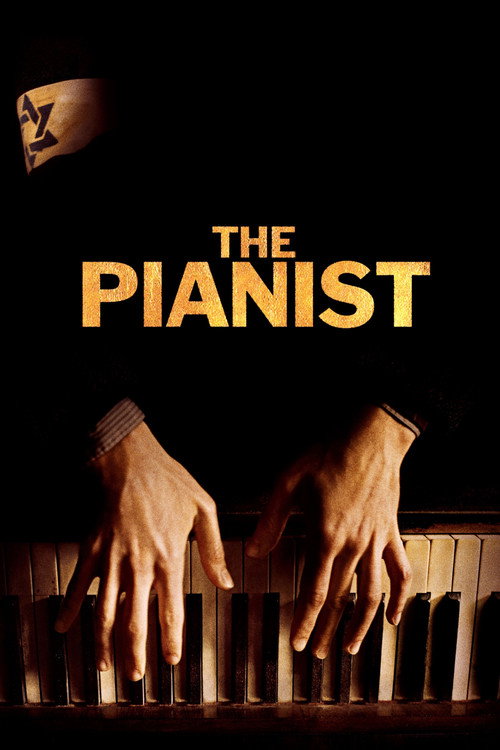
The Pianist2002
Polanski's unflinching portrait of survival in Warsaw, structured around the moral choices available to the powerless. Like Portrait in Evil, it examines how ordinary people navigate impossible circumstances, but from the other side of power.
But The violence is graphic and unsparing. It offers no comfort or uplift, which some viewers find exhausting rather than clarifying.
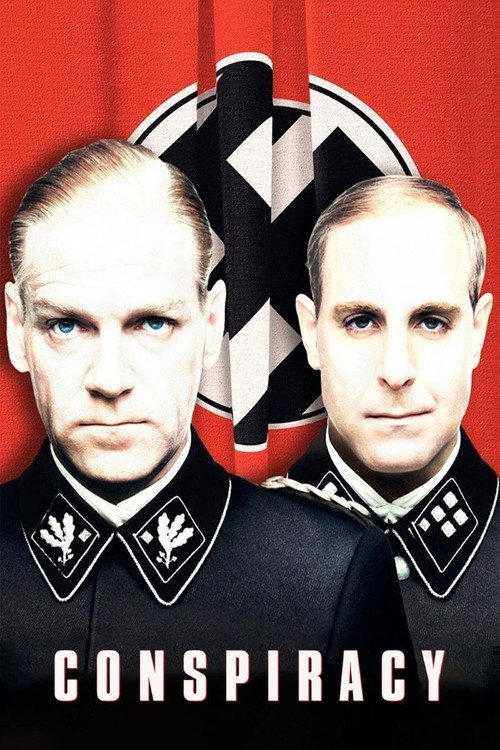
Conspiracy2001
Kenneth Branagh and Stanley Tucci in a precisely constructed drama of the Wannsee Conference. Watches like a chamber play—men in suits deciding on genocide. Same meticulous attention to institutional evil as Portrait in Evil.
But Ninety minutes of discussion in a room. No action, no release, no narrative engine beyond the horror of what's being discussed. Some find it airless.
Not sure tonight? Get a pick in a minute, starting from Hitler's SS: Portrait in Evil
The wildcard
Something you would not have found on your own.
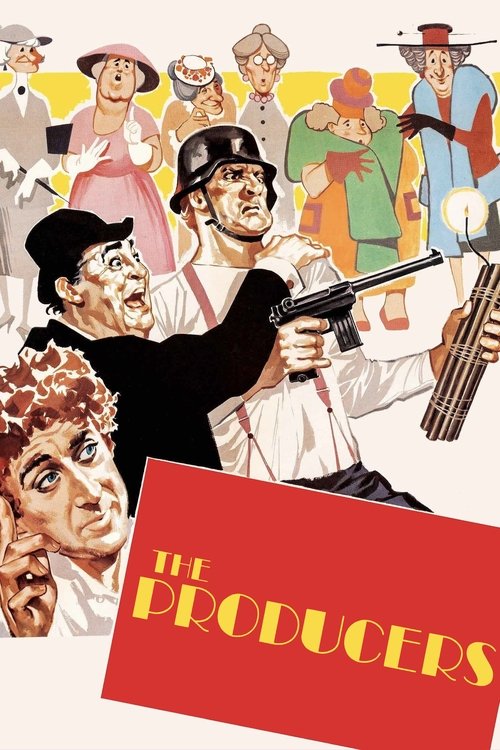
The Producers1968
Both argue that evil operates through systems and performance; both suggest that treating Nazism seriously—or laughing at it—are responses to the same unthinkable apparatus.
Mel Brooks's farce about two hustlers producing a Nazi musical. Seems like the inverse of Portrait in Evil until you realize both are about how evil becomes normalized through performance, bureaucracy, and collective delusion—one through tragedy, one through obscenity.
But The humor relies on bad taste that doesn't always land. Some find the central conceit (making fun of Nazis) frivolous when Portrait in Evil treats the subject with gravity. Tonal whiplash is the point, but not everyone accepts the premise.
More like this (7)
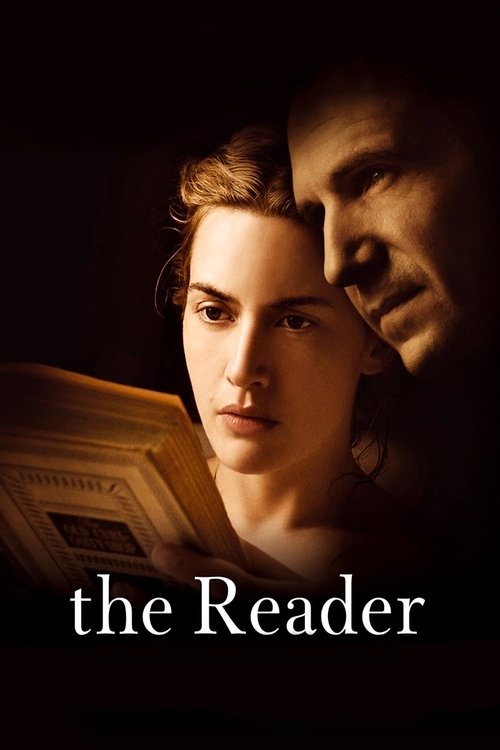
The Reader2008
Ralph Fiennes and Kate Winslet in a story about complicity, seduction, and the distance between knowing and understanding. Explores how attractive, intelligent people become architects of atrocity—Portrait in Evil's central question.
But Its romanticization of the female lead's crimes has aged poorly. Many viewers find it morally confused about what it's defending.
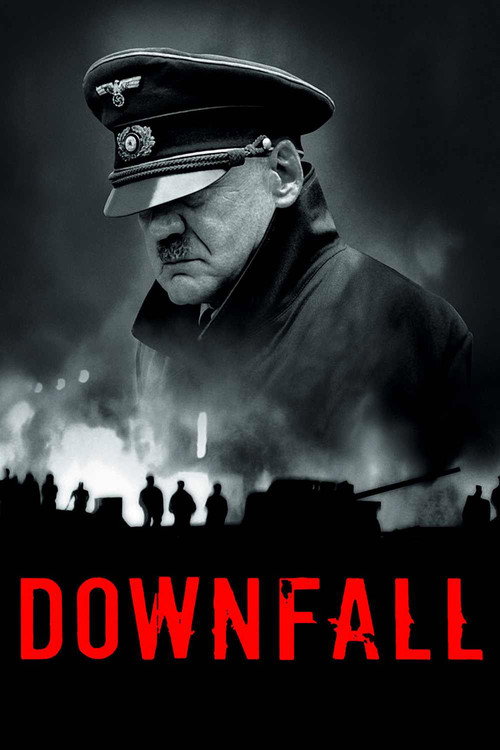
Downfall2004
Bruno Ganz as Hitler in the bunker's final days. A German film that treats its subject with forensic clarity rather than mythology. Shares Portrait in Evil's interest in the bureaucratic reality of Nazism over its propaganda.
But Hitler is given interiority and moments of vulnerability. Some argue this humanizes the indefensible; others find that historically honest.
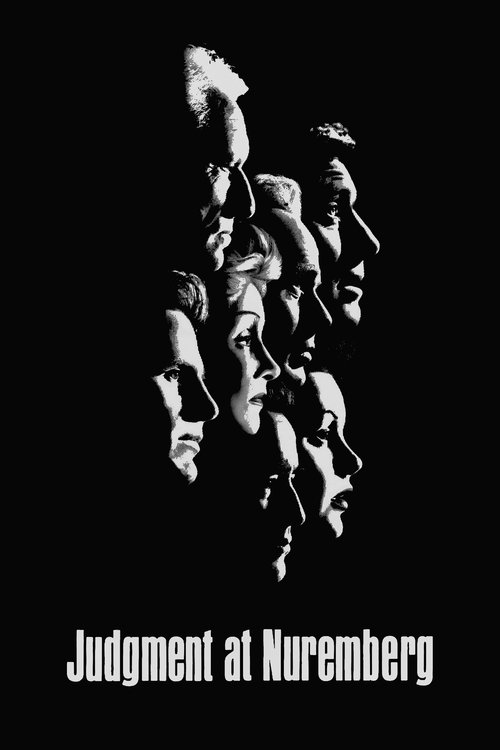
Judgment at Nuremberg1961
Spencer Tracy and Maximilian Schell in the definitive courtroom reckoning with Nazi justice. It asks the question Portrait in Evil dramatizes: how responsible are the men who administered the system, versus the men who ordered it?
But Three and a half hours. The courtroom drama format can feel procedural. Some of the moral questions feel settled in ways Portrait in Evil leaves open.
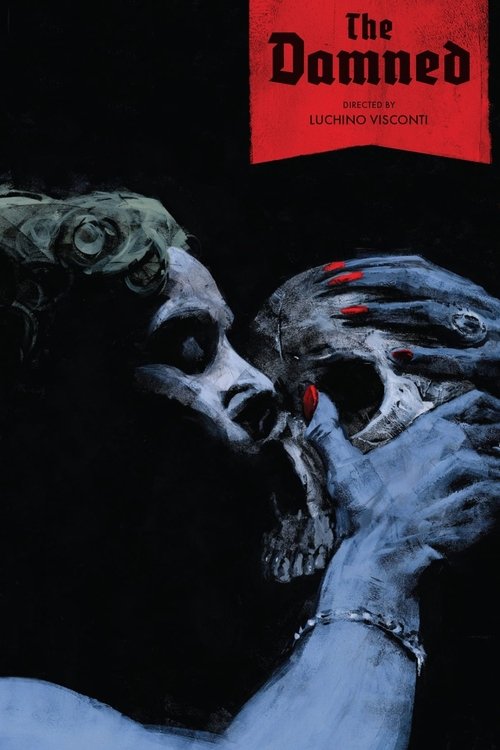
The Damned1969
Luchino Visconti's baroque, sexually charged descent into a German industrial family's complicity with the Nazis. Formally daring and psychologically complex—evil as seduction and corruption, not abstraction.
But Extremely stylized, with sexual violence and transgression as aesthetic choices. The visual excess can feel exploitative. Not historically grounded like Portrait in Evil.
Come and See1985
Elem Klimov's Soviet masterpiece follows a boy conscripted into the Red Army witnessing the Eastern Front's horrors. Made the same year as Portrait in Evil; both examine how institutions transform ordinary people into agents of atrocity.
But Devastatingly brutal and nihilistic. There is no redemption, no learning, no meaning extracted. Some of the violence is directed at animals. It is not a comfortable film.

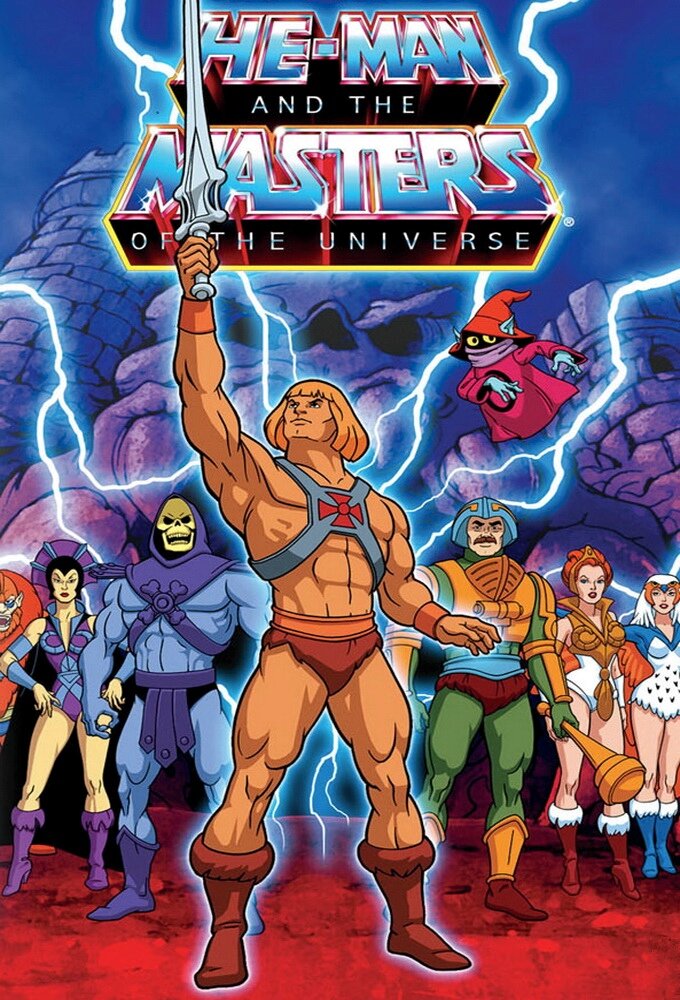
He-Man and the Masters of the Universe1983
Portrait in Evil asks how men become monsters; Heimat asks how most people simply endured. Together they refuse simple answers about who was complicit and why.
Edgar Reitz's eleven-hour chronicle of a German village from 1919 to 1982. It's the opposite angle: instead of focusing on SS officers, it shows how ordinary Germans lived through Nazism without joining it, or joining it without seeing. Same historical moment, radically different scope and empathy.
But It is deliberately paced, provincial, intimate. Eleven hours. If you want intensity and moral clarity, Heimat refuses to provide them. It insists on the texture of ordinary life under extraordinary circumstance.
The Act of Killing2012
Both insist that ordinary men commit extraordinary evil, and that understanding how requires watching them without flinching or looking away.
Joshua Oppenheimer's documentary asks Indonesian death-squad leaders to recreate their own mass murders as entertainment. Not historical drama but something more disturbing: perpetrators narrating their own atrocity without remorse. It is what happens when Portrait in Evil's bureaucrats don't face judgment.
But Formally radical and psychologically unsettling. The perpetrators remain unrepentant. It offers no catharsis, no reckoning, no moral certainty. Some find it exploitative; all find it difficult.

People
Cast
 John SheaKarl Hoffmann
 Bill NighyHelmut Hoffmann
 Lucy GutteridgeMitzi Templer
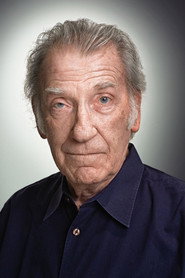 David WarnerReinhard Heydrich
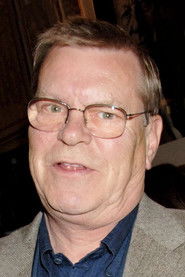 Warren ClarkeBecker (SS assistant to Dietrich)
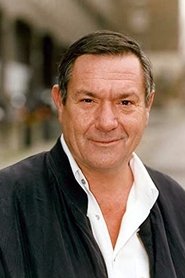 Michael ElphickErnst Röhm
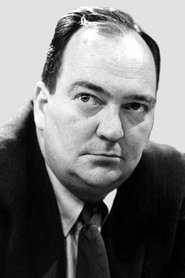 Stratford JohnsUncle Walter
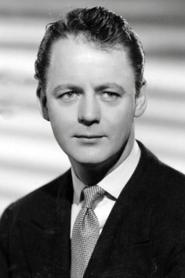 Robert UrquhartAlbrecht Hoffman
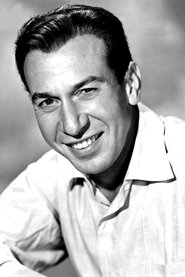 José FerrerProf. Ludwig Rosenberg
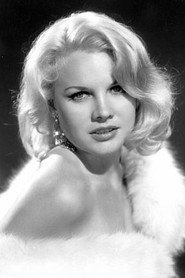 Carroll BakerGerda Hoffman
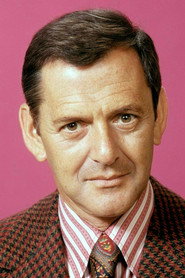 Tony RandallPutzi (The Comedian)
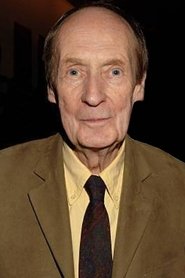 John NormingtonHeinrich Himmler
Directing
- Jim GoddardDirector
Writing
- Linda SegerScript Consultant
- Lukas HellerWriter
Production
- Edgar J. ScherickExecutive Producer
- Aida YoungProducer