
Film
The Rise and Fall of the Third Reich
- Crime
- Very dark
Narrated with measured gravity by Richard Basehart, this 1968 documentary reconstructs the Nazi regime's rise through archival footage, interviews, and propaganda. It's a rigorous, often hypnotic examination of how a fractured nation became a totalitarian nightmare, tracing the ideological and political machinery that made it possible. Essential viewing, though demanding.
Should you watch it?
Watch it if you want a patient, archive-heavy account of how a political movement gathered power, and you don't mind a calm narrator guiding you through newsreel of rallies and war.
Skip it if you need a story with characters to follow, since this is a long, sober stitching together of archive material with little interest in individual lives.
What it asks of you: Running about two and a half hours, it moves at an unhurried, deliberate pace with little relief between its sober passages.
Not sure? Find tonight's pick in a minute.
If you liked this
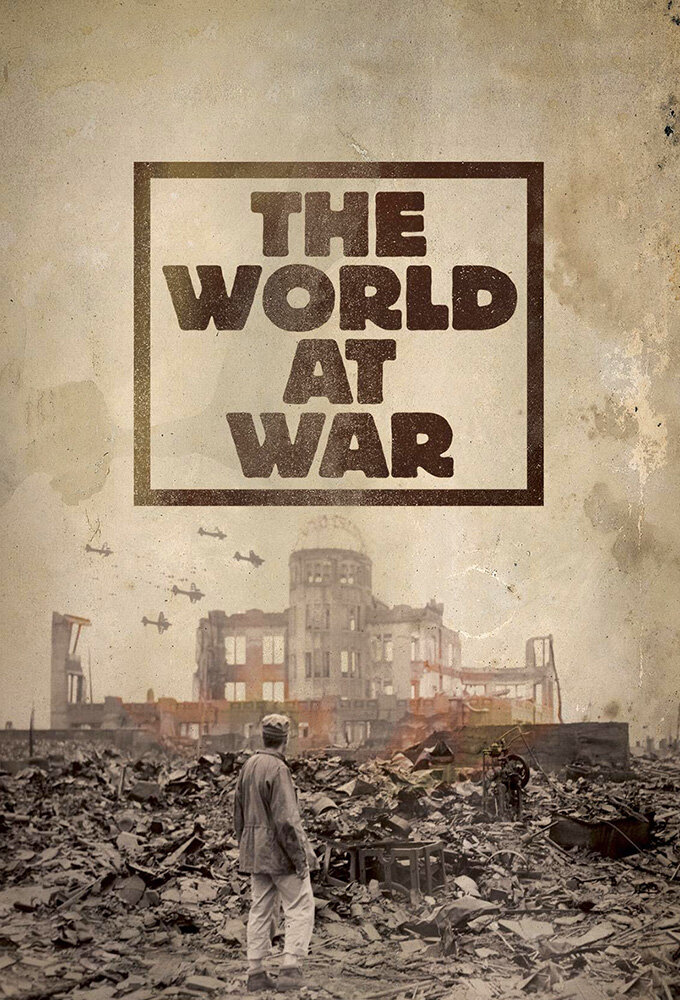
The World at War1973
Thames Television's definitive 26-part series brings the full scope of WWII into sharp focus. Narrated with Shakespearean weight by Laurence Olivier, it balances grand strategy with human testimony in ways that still feel revelatory.
But Each episode is fifty minutes, and the full commitment is over twenty hours. It demands sustained attention, and some testimony is deeply disturbing.
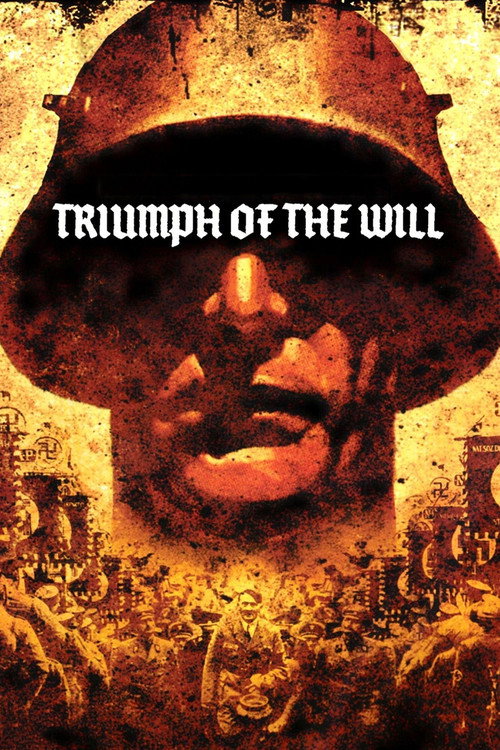
Triumph of the Will1935
Leni Riefenstahl's Nazi propaganda film is historically essential and visually hypnotic—understanding how these images worked on their audience is crucial to understanding how the regime functioned. It explains what you're watching in The Rise and Fall.
But Watching propaganda cinema made to glorify fascism is ethically queasy by design. It's a document of evil, not entertainment.
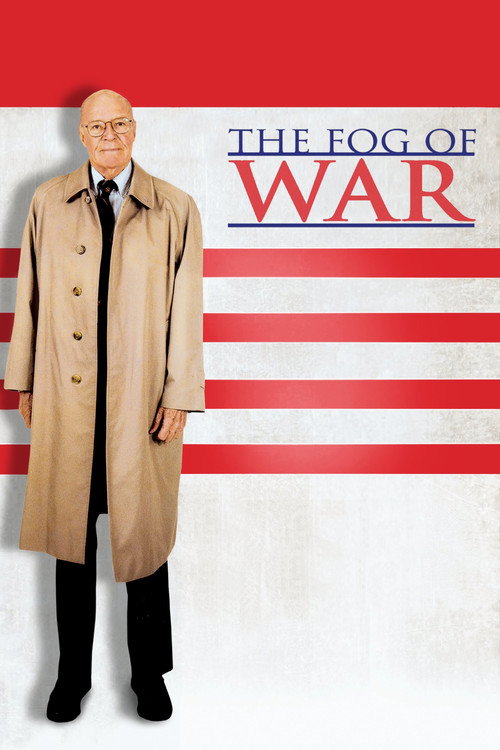
The Fog of War2003
Errol Morris's documentary about Robert McNamara uses archival footage and direct testimony to explore how intelligent people rationalize catastrophic decisions. It's a companion piece to understanding how systems enable horror.
But McNamara's reflections, while honest, can feel abstract when discussing Vietnam. Some find the film too generous to its subject.
Not sure tonight? Get a pick in a minute, starting from The Rise and Fall of the Third Reich
The wildcard
Something you would not have found on your own.
The Act of Killing2012
Both use archival material and testimony to understand how ordinary systems normalize extraordinary cruelty, but The Act of Killing asks the perpetrators to perform their own evil, turning documentary into something that makes the mechanism visible in real time.
This Indonesian documentary asks perpetrators of 1960s genocide to reenact their crimes on film. It's a formal inversion that reveals how ideology hardens into unquestioned truth, and how even perpetrators construct narratives to survive themselves.
But The methodology is so disturbing—having killers direct their own atrocities—that some find it ethically indefensible. The film's formal experiment can feel like it's playing games with real trauma.

More like this (7)
Shoah1985
Claude Lanzmann's nine-hour opus assembles only testimony and present-day footage—no archival images. It's an act of witness that builds an unbearable portrait of the Holocaust's machinery through voices of survivors and perpetrators.
But Nine hours. Long silences. Difficult testimonies. Not for passive viewing. Some find the length and slowness punitive rather than illuminating.
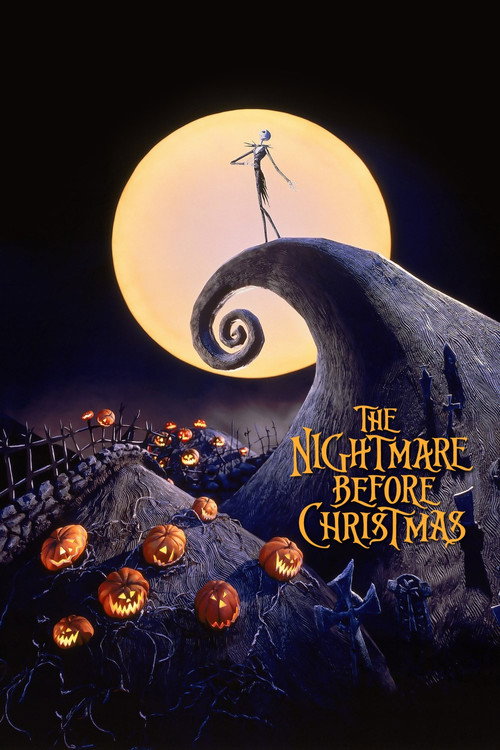
The Nightmare Before Christmas1993
Released just two years after the war, this film uses testimony and reconstructions to document the regime's atrocities while witnesses were still alive. It's raw in a way later documentaries cannot be—the shock is still fresh.
But Production values are primitive and the pacing uneven. The reconstruction scenes can feel stagey, which some find diminishing rather than clarifying.
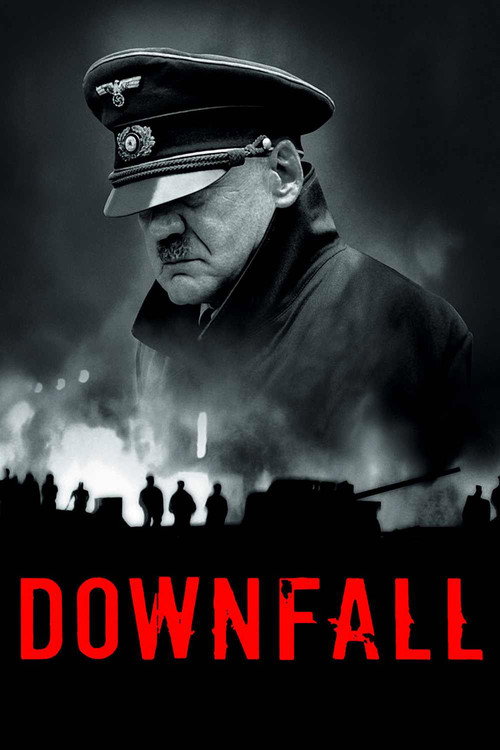
Downfall2004
Oliver Hirschbiegel's film reconstructs Hitler's final days in the bunker with psychological precision. It's the inverse of The Rise and Fall—watching the architecture collapse from within, with performances that make ideology visceral.
But Dramatizing Hitler's last moments troubles some viewers philosophically. The film humanizes without excusing, which can feel like a moral tightrope some aren't comfortable crossing.
Night and Fog1956
Alain Resnais's 32-minute meditation moves between present-day concentration camp footage and archival images, with a narration that asks how such places could exist. It's poetry and testimony fused into something unforgettable.
But Its fragmented, lyrical approach can feel oblique if you're expecting straightforward exposition. The brevity means it gestures toward horror rather than explicating it.
Hitler's SS: Portrait in Evil1985
A television drama that traces the complicity of ordinary bureaucrats in genocide. It shows how the machinery worked through institutional routine, making the mundane nature of evil disturbingly clear.
But As a made-for-TV movie, it's sometimes melodramatic. The moral lesson can feel telegraphed rather than discovered.
Stalker1979
The Rise and Fall examines how propaganda exploits desire and fear to build a totalitarian system. Stalker asks the inverse: what happens when we surrender our will to something we believe will fulfill us? Same engine, different register—one documentary, one visionary poem.
Tarkovsky's philosophical science fiction film is a meditative journey toward a forbidden zone where wishes are granted. Thematically, it explores how desire, authority, and the human need for meaning can be weaponized—the ideological machinery of control made metaphysical.
But 163 minutes of slow tracking shots and philosophical monologue. No plot in the conventional sense. If you want momentum or answers, you will be frustrated.

Come and See1985
The Rise and Fall traces the ideology that enabled genocide. Come and See is what that ideology looks like from the ground—the personal obliteration that bureaucratic evil produces. Different nations, same war, inverted perspective: one analytical, one visceral.
Elem Klimov's Belarusian masterpiece follows a boy conscripted into the Soviet army during WWII as he witnesses the annihilation of his homeland. It's perhaps cinema's most unsparing portrait of what total war does to the human soul—to innocence, to belief, to the body itself.
But This is brutal in ways that feel almost unwatchable. Not for viewers seeking historical comprehension or moral clarity, but for those willing to experience war's dehumanization in the flesh.

People
Cast
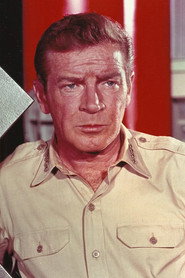 Richard BasehartNarrator
Directing
- Jack KaufmanDirector
Writing
- Alan LandsburgWriter
- William L. ShirerWriter
Production
- Harvey BernhardAssociate Producer
- David L. WolperExecutive Producer
- Mel StuartExecutive Producer