
Film
Orwell Rolls in His Grave
A 2003 documentary that asks whether American media has become Orwellian propaganda. Featuring media critics, professors, and journalists, it examines the nexus of corporate power, politics, and broadcasting. Rigorous, angry, essential viewing for anyone who thinks about where their information comes from. For media literacy activists and concerned citizens.
If you liked this
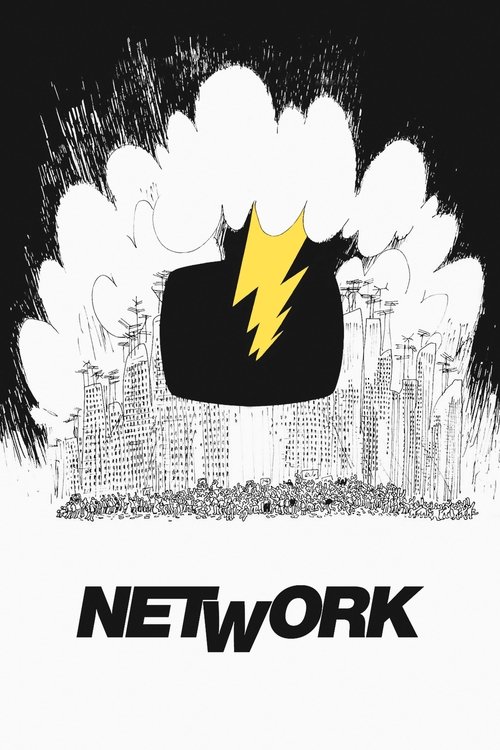
Network1976
A savage satire that predicted the marriage of ratings-chasing and ideology. Paddy Chayefsky wrote prophecy. Watching it now, after decades of decline, feels like seeing a warning label come true.
But It's a film, not a documentary, so it can feel slighter than the real thing—though the anger underneath is completely serious.
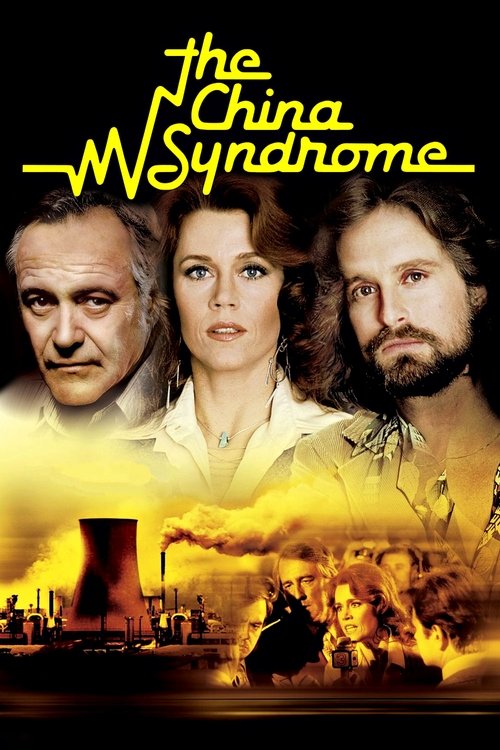
The China Syndrome1979
A thriller about media, corporate silence, and nuclear cover-ups that was released days before Three Mile Island. It captures the exact moment when Americans started doubting official truth.
But The plot is secondary to the argument, and if you're watching for suspense rather than substance, it can feel didactic.
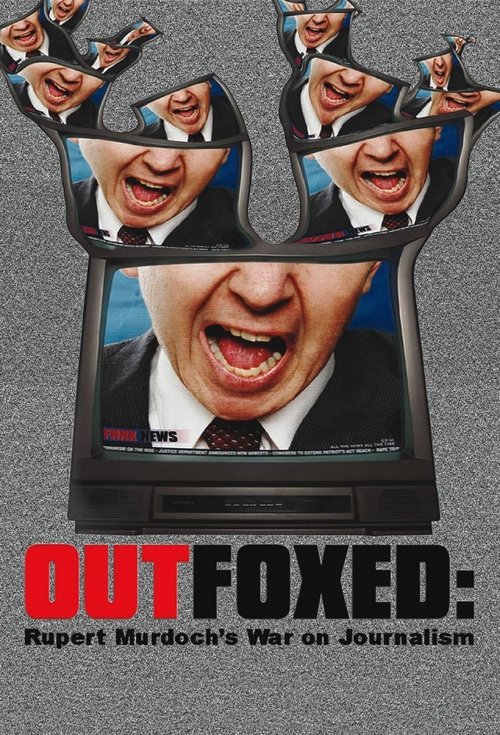
Outfoxed: Rupert Murdoch's War on Journalism2004
Robert Greenwald's surgical takedown of Fox News as a political operation masquerading as journalism. It's the companion piece to Orwell Rolls—specific case study instead of general theory.
But Intense focus on one network means it feels narrower in scope. Also, it's clearly made for a partisan audience, which limits its reach.
Not sure tonight? Get a pick in a minute, starting from Orwell Rolls in His Grave
The wildcard
Something you would not have found on your own.
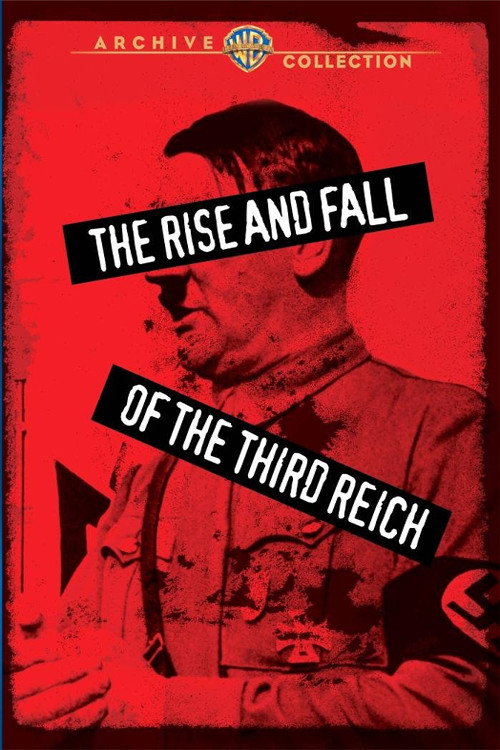
The Rise and Fall of the Third Reich1968
Both trace how control of information creates control of reality. Orwell Rolls is asking whether America is sleepwalking toward the system that Shirer documented in its full horror.
William Shirer's epic documentary series about how media and propaganda machinery enabled fascism. Not directly about American media, but it shows the same mechanisms at an earlier, more lethal stage—essential context for why this matters.
But Black and white, 1960s pacing, and the scope is genuinely vast. Heavy historical material demands patience. Emotionally punishing.
More like this (5)
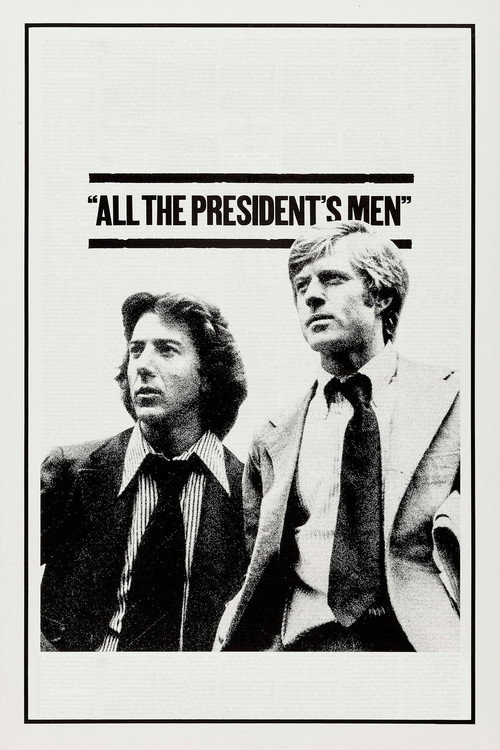
All the President's Men1976
Woodward and Bernstein's Watergate investigation—journalism as it's supposed to work. Thrilling and deft, it shows what happens when the media actually performs its democratic function.
But It's celebratory about institutions that the other films on this list are dismantling. The hero narrative feels increasingly naive.
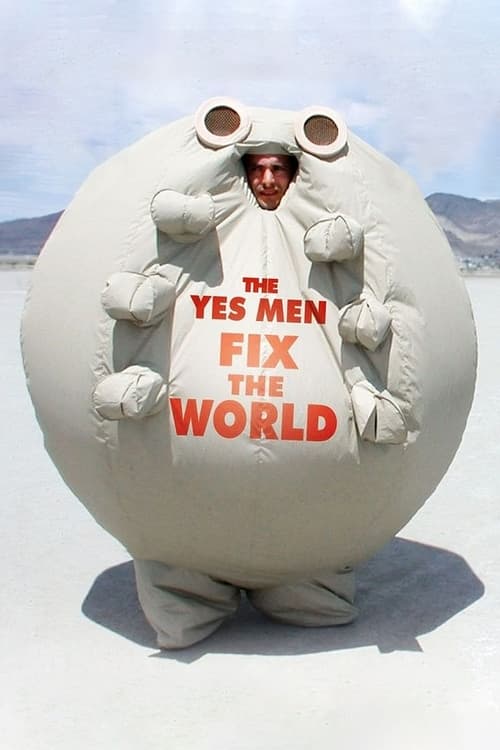
The Yes Men Fix the World2009
Hilarious and devious pranksters expose media credulity and corporate greenwashing. Unlike the heavy analysis of Orwell Rolls, this one uses comedy as a scalpel. Absolutely fun.
But Sometimes the pranks feel slight or self-congratulatory. The humor can undercut the seriousness of what they're actually revealing.
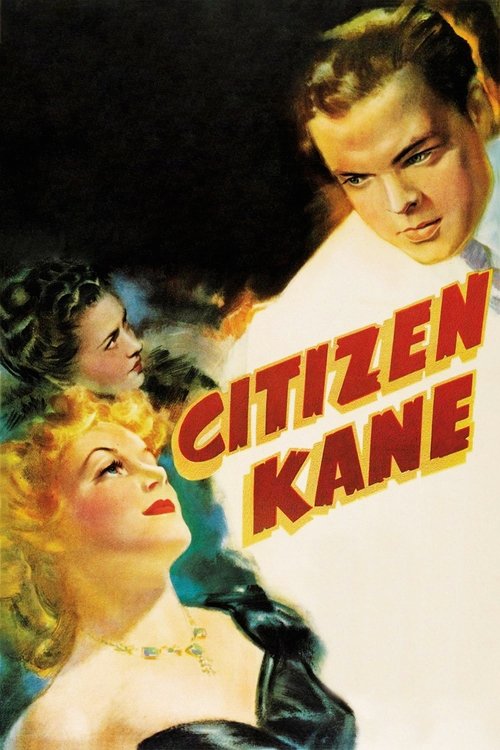
Citizen Kane1941
Welles invented the language for depicting media corruption and propaganda. Long before the internet, he understood how concentrated ownership and personality cults distort the truth.
But It's from 1941, so the mechanics of media have changed. The film itself is canonized and safe, which blunts some of its edge.
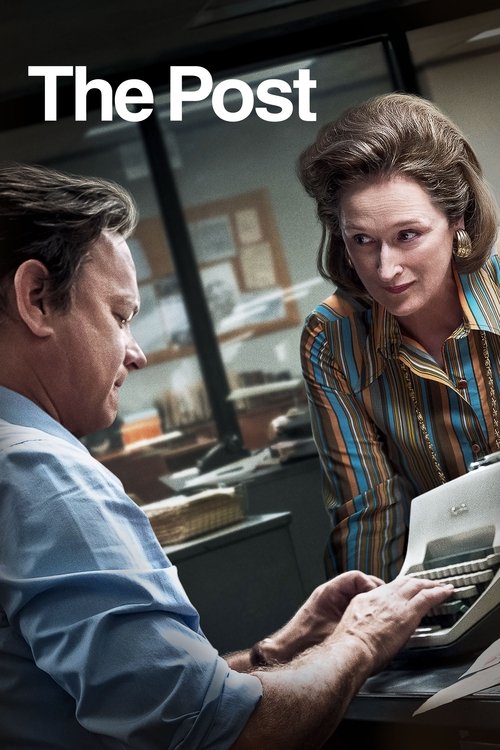
The Post2017
Spielberg's paean to the Pentagon Papers. It's idealistic about journalism's role in holding power accountable—a useful counterweight to the pessimism of Orwell Rolls.
But It's historical comfort food for people who already believe in the press. Doesn't interrogate the media's role in starting wars in the first place.
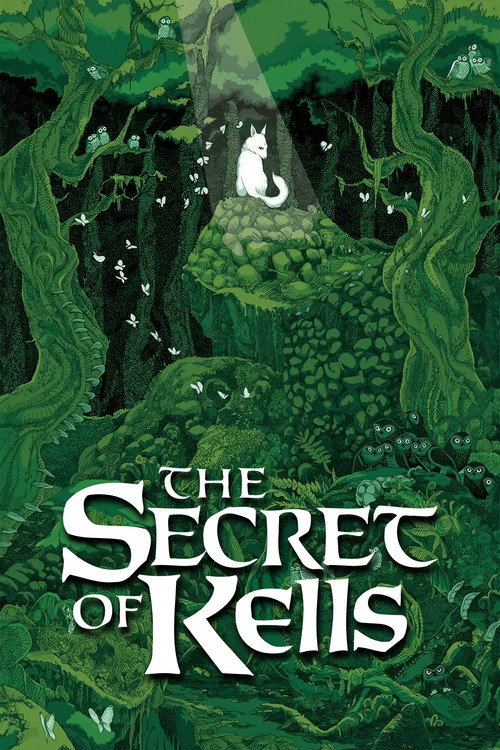
The Secret of Kells2009
Both films understand that power operates through controlling narrative and images. One shows the machinery of lies; the other shows why we need the alternative—stories that make us see clearly.
An Irish animated film about art, storytelling, and beauty in the face of darkness. It's about how narrative and images shape meaning—the flipside of the propaganda coin. If Orwell Rolls shows how lies spread, this shows why truth and beauty matter.
But It's a fairy tale, not an argument. Some will find the lyrical approach evasive when they want confrontation. Also, the connection is thematic rather than explicit.
People
Cast
- Charles LewisSelf - Founder of the Center for Public Integrity
- Robert McChesneySelf - Professor at University of Illinois at Urbana-Champaign
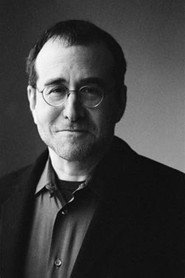 Mark Crispin MillerSelf - Professor at New York University
- Vincent BugliosiSelf - Attorney, Author
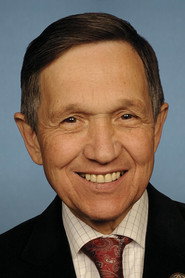 Dennis KucinichSelf - Congressman for Ohio
- Mark LloydSelf - Visiting Prof. at Massachussets Institute of Technology
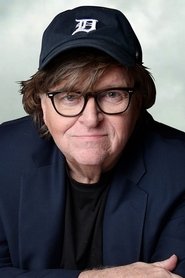 Michael MooreSelf
- John NicholsSelf
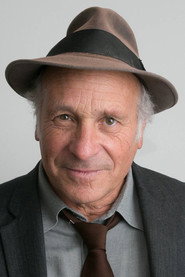 Greg PalastSelf - Reporter
 Tim RobbinsSelf (archive footage)
- Helen ThomasSelf
- Jeff CohenSelf - Founder of FAIR
Directing
- Robert Kane PappasDirector