
Film
Emmanuelle
A French diplomat's wife arrives in Bangkok and discovers a world of sensual liberation through a series of encounters that redefine her marriage. Languorous, aestheticized, and unapologetically focused on pleasure, it's a film about awakening wrapped in travelogue glamour. For adults curious about how seventies cinema approached eroticism as enlightenment.
If you liked this
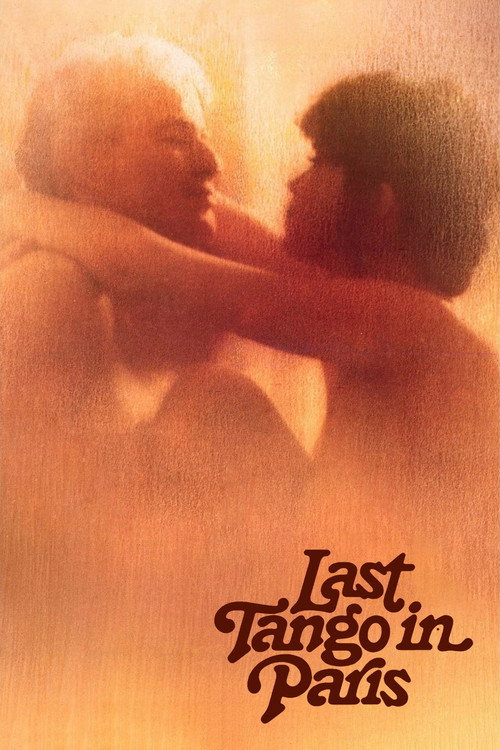
Last Tango in Paris1972
Bernardo Bertolucci's companion piece: another European film that treats sexual exploration as psychological drama, anchored by raw performances and a willingness to make the erotic genuinely unsettling.
But Darker and more confrontational than Emmanuelle; it provokes rather than seduces, and some viewers find its power diminished by its own notoriety.
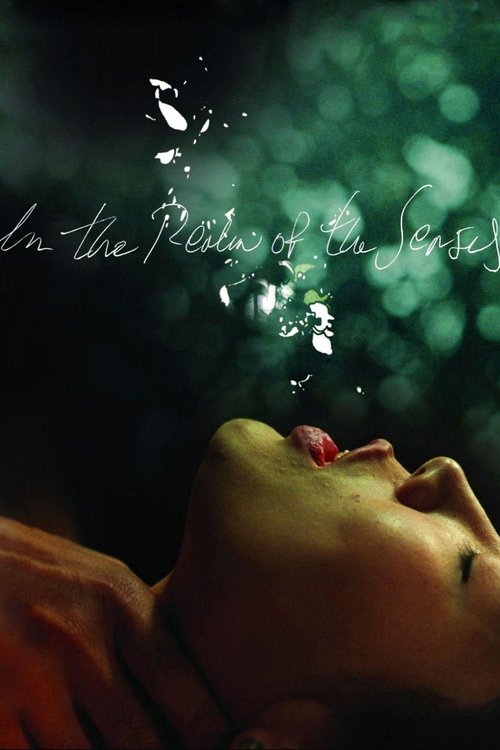
In the Realm of the Senses1976
Nagisa Oshima's Japanese masterpiece follows a similar trajectory—desire as a consuming force that obliterates social convention. More extreme and more honest about consequences than Emmanuelle, yet equally hypnotic.
But Unrated and genuinely transgressive; it makes Emmanuelle look like a postcard. Not for viewers seeking softness.
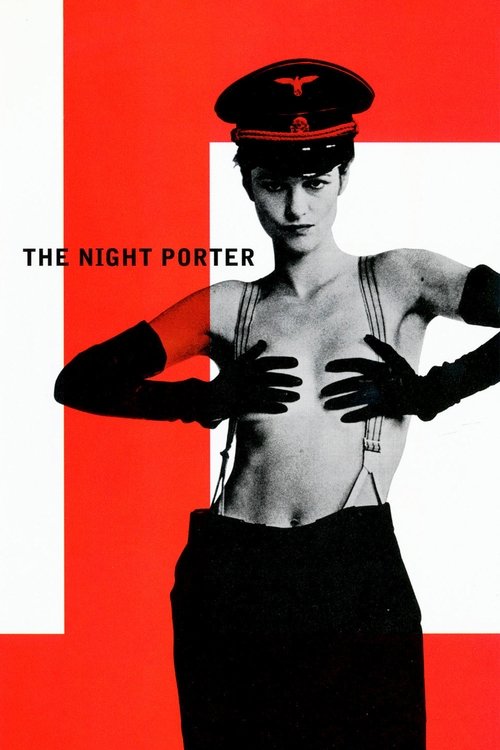
The Night Porter1974
Liliana Cavani's film of obsession and complicity released the same year. Sumptuous, ambiguous, built from sensuality and moral shadow. Both films prize aesthetics over judgment.
But Slower and more oblique; it withholds clarity where Emmanuelle offers immersion. Some find it glacial.
Not sure tonight? Get a pick in a minute, starting from Emmanuelle
The wildcard
Something you would not have found on your own.
Jeanne Dielman, 23, quai du Commerce, 1080 Bruxelles1976
Both released in mid-seventies, both about women's autonomy and sexuality, but Akerman uses boredom and duration to unmask what Emmanuelle romanticizes; they are arguments with each other.
Chantal Akerman's three-hour feminist counter-statement, released a year after Emmanuelle: a woman's labour (cooking, fucking, existing) filmed in real time with unflinching precision. Same era grappling with desire and women's lives, opposite planet. Slow, severe, but magnetic once it has you.
But The slowest film you will ever see; most viewers don't finish it. Anti-sensual by design; you are watching housework.

More like this (6)
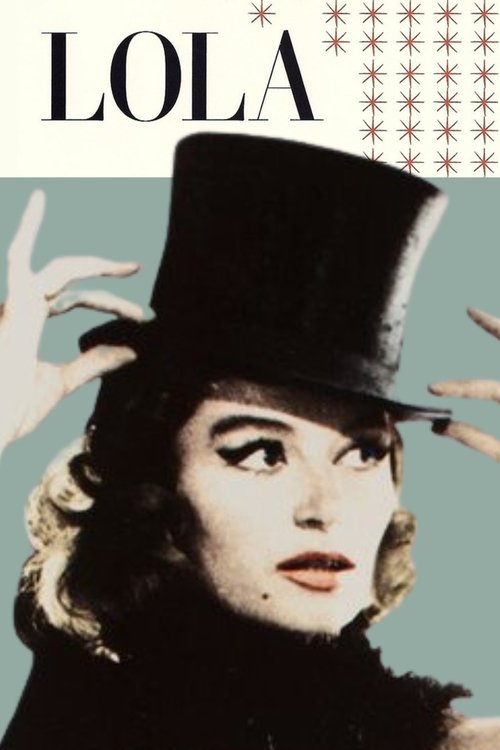
Lola1961
Jacques Demy's proto-Emmanuelle: a woman of pleasure in an impossible romance, filmed in soft colours and dreamy dissolves. The template for how French cinema could make desire look like poetry.
But Nearly a silent film in its pacing; the erotic content is all suggestion and architecture, which some viewers find mannered.
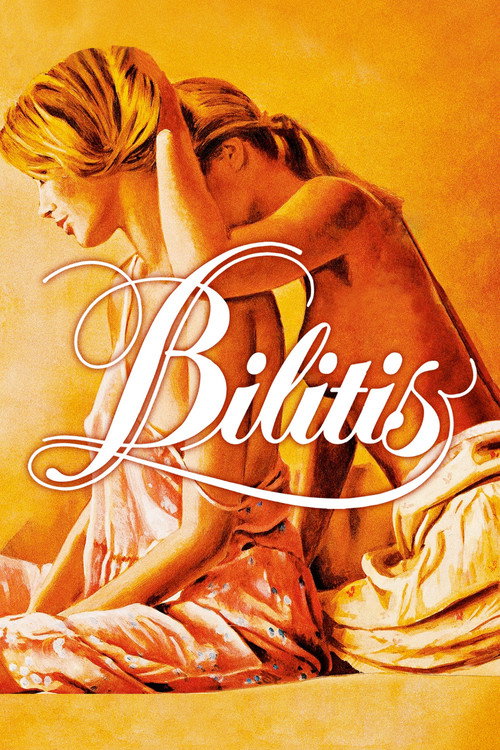
Bilitis1977
David Hamilton's follow-up to his own soft-focus erotica; adolescent awakening filmed through Instagram-filter prettiness. If you loved Emmanuelle's visual language, this extends it into territory Kristel never reached.
But Disturbing in its objectification of youth, and the beauty-as-anaesthetic approach grows cloying fast.
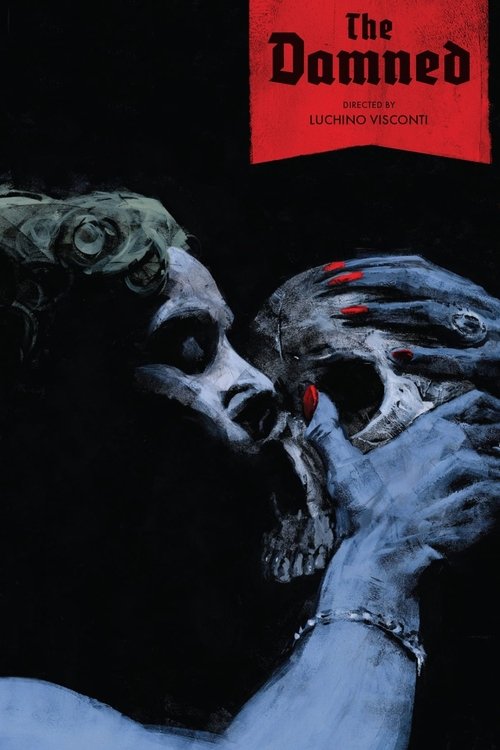
The Damned1969
Visconti's baroque tragedy of desire and decadence in Weimar Germany. Uses sensuality as a language for social collapse. Same era sensibility, infinitely darker stakes.
But Three and a half hours of grand guignol; Emmanuelle's tropical calm is replaced by claustrophobia and rot.
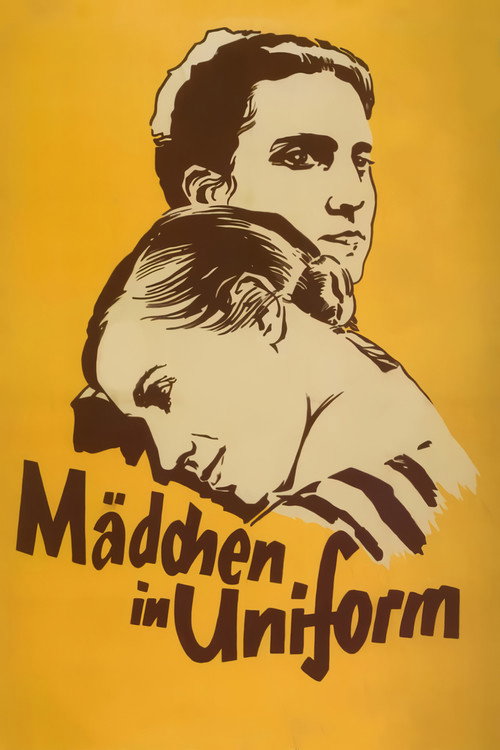
Mädchen in Uniform1931
The grandmother of all female-desire cinema: desire between women in a German boarding school, filmed with restraint and poetry decades before Emmanuelle invented its aesthetic. The ancestor you should know.
But A historical film in every sense; the eroticism is sublimated into glances and touching. Patience required.
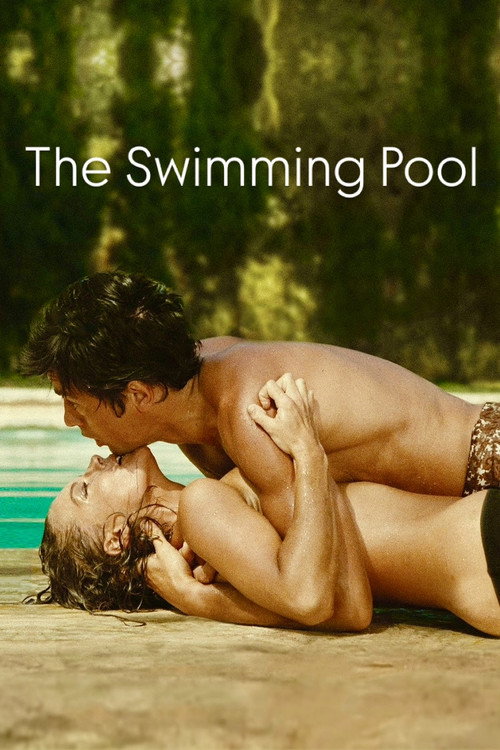
The Swimming Pool1969
Alain Delon and Romy Schneider sunbathing away moral clarity on a Mediterranean estate. The same cocktail of privilege, jealousy, and beautiful people doing bad things, minus the explicit content but with more wit.
But More comedy than erotic drama; if you want sensation, you'll find only ennui.
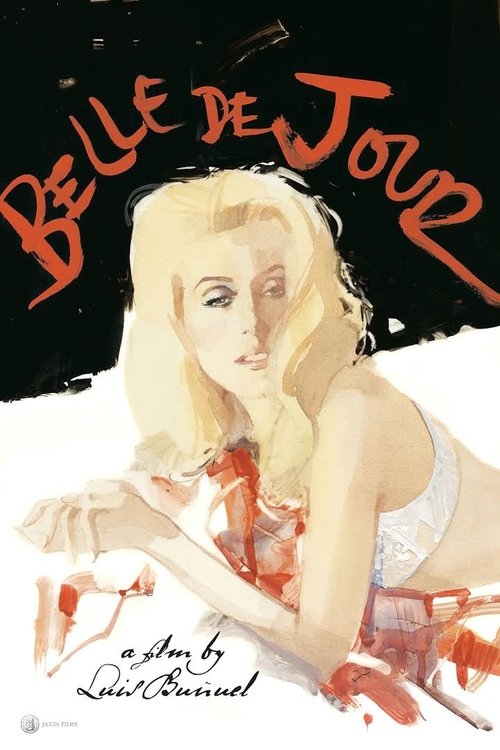
Belle de Jour1967
Buñuel's masterpiece of female desire as secret life. Like Emmanuelle, it's about a woman discovering herself, but through the machinery of obsession and repression rather than Eastern liberation. Far stranger.
But Deliberately cryptic and symbolist; Emmanuelle's clarity reads as honesty by comparison. You'll leave with questions.
People
Cast
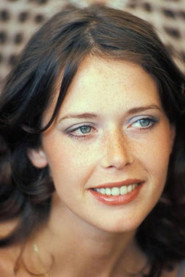 Sylvia KristelEmmanuelle
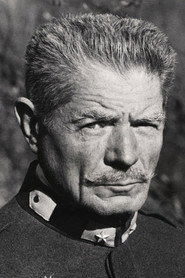 Alain CunyMario
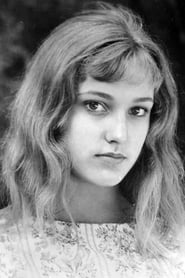 Marika GreenBee
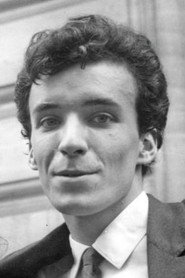 Daniel SarkyJean
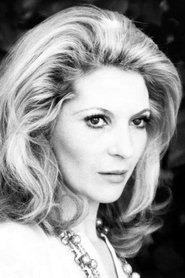 Jeanne ColletinAriana
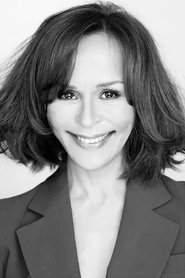 Christine BoissonMarie-Ange
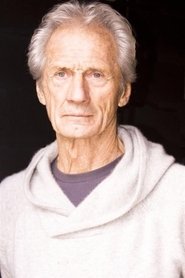 Gabriel BriandLe deuxième homme dans l'avion
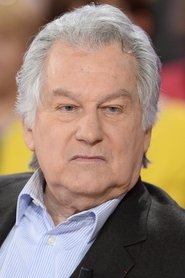 Yves Rousset-RouardYves (uncredited)
Directing
- Philippe LericheAssistant Director
- Just JaeckinDirector
Writing
- Emmanuelle ArsanNovel
- Jean-Louis RichardWriter
Production
- Yves Rousset-RouardProducer