
Film
Salon Kitty
A 1976 Italian exploitation film set in a Nazi-era Berlin brothel where blackmail schemes and surveillance intersect. Visually lush and morally murky, it trades in transgression and espionage thrills with little interest in restraint. For viewers drawn to provocative Euro-cinema that treats wartime atrocity as backdrop for erotic intrigue.
If you liked this
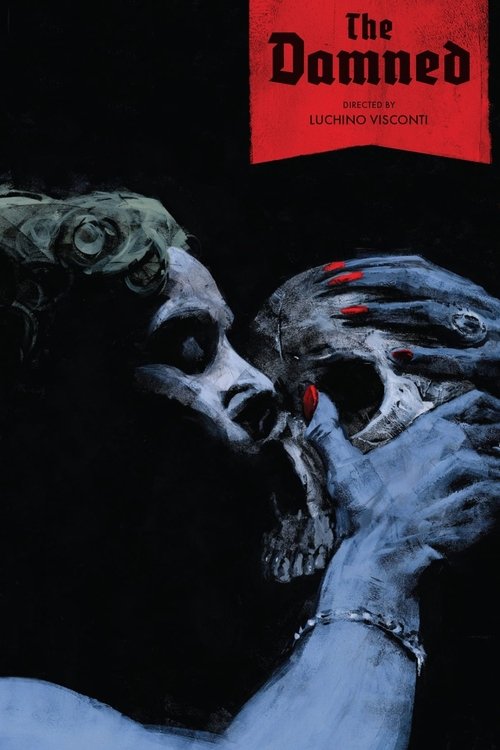
The Damned1969
Luchino Visconti's masterpiece of Nazi decadence: a family's moral collapse set against the Third Reich, with baroque cinematography and performances that burn. Essential viewing for anyone fascinated by how cinema renders corruption as beauty.
But Punishingly long at 155 minutes, sexually explicit, and uninterested in providing moral comfort. The ugliness is the point, which isn't for everyone.
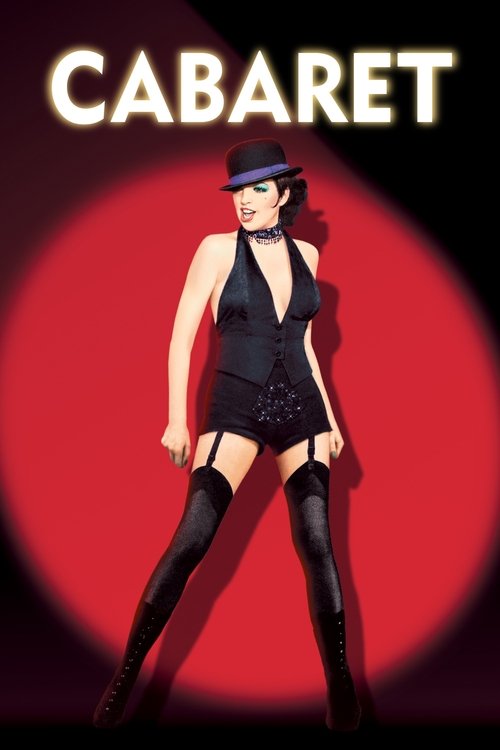
Cabaret1972
Bob Fosse's Berlin nightclub as microcosm of Weimar collapse. The musical numbers are dazzling; the historical dread creeps in quietly. Sally Bowles is one of cinema's great characters—complicit, defiant, doomed.
But The stage-show framing can feel theatrical rather than cinematic. If you need your histories grim and unmusical, this won't be it.
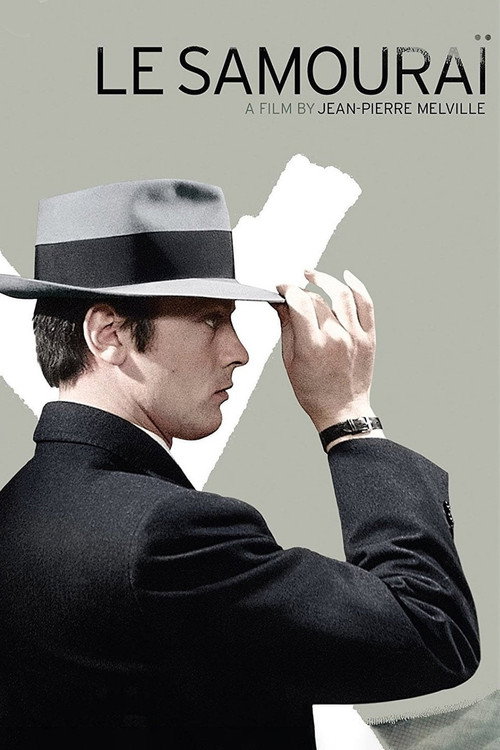
Le Samouraï1967
Melville's glacial masterpiece about a hitman operating in shadow Paris. The same cold formality, the same visual restraint, the same moral vacancy. If you loved Salon Kitty's atmosphere of conspiracy and style, this is required.
But Minimal plot, minimal emotion, 105 minutes of watching a man move through rooms. Requires patience that some find tedious.
Not sure tonight? Get a pick in a minute, starting from Salon Kitty
The wildcard
Something you would not have found on your own.
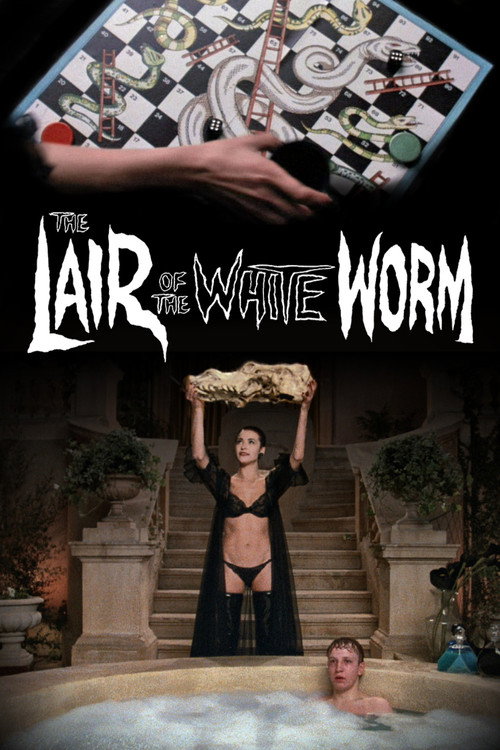
The Lair of the White Worm1988
Both use erotic seduction and baroque visual excess as expressions of power and evil. Both are uninterested in moral reassurance. Both understand that beauty and depravity can occupy the same frame.
Ken Russell's surreal fever dream about aristocratic seduction and ancient evil in the English countryside. Like Salon Kitty, it's a film about beautiful corruption and sexual manipulation as weapon, but filtered through Gothic horror and baroque excess. Amanda Donohoe is mesmerizing.
But Genuinely weird and sometimes silly. Russell's maximalism means it doesn't cohere; the logic is dream-logic. Some will find it pretentious trash.
More like this (4)
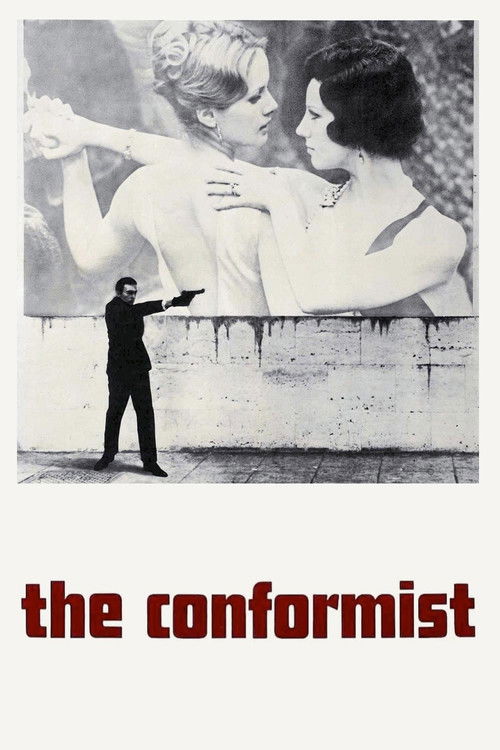
The Conformist1971
Bertolucci's psychological thriller about a fascist collaborator. Bernardo Storaro's cinematography is painterly; the moral rot is exquisitely rendered. A meditation on how ordinary men become monsters through aesthetics and seduction.
But Slow-burn intellectualism. The politics matter more than the plot. If you want thrills rather than philosophical unease, look elsewhere.
Stalingrad1993
A German war film told from soldier perspective, interested in how men become complicit in systems they didn't create. Unlike Salon Kitty, it takes moral reckoning seriously. Brutal and unsentimental.
But Relentlessly grim. The carnage is upsetting in ways that linger. Not a film about the glamour of war or corruption, but its cost.

Contempt1963
Both are about the performance of desire: how people seduce, control, and surveil each other. Both understand that information is a weapon. Both are visually sumptuous in ways that obscure moral ugliness.
Godard's film about a marriage collapsing during the production of a film-within-a-film. It's about power dynamics, seduction, and surveillance—what people know and hide from each other. The colors are rapturous; the emotions are quiet and deadly.
But Deliberately artificial. Dialogue-heavy and reflective rather than plot-driven. Meta-cinema from the 1960s can feel dated or self-indulgent now.

The Tin Drum1979
Both are German-language films reckoning with Nazism through the body and sexuality. Both refuse to make atrocity safe or comprehensible. Both use visual transgression as moral statement rather than provocation alone.
Volker Schlöndorff's adaptation of Günter Grass—a German boy stops aging, refuses to grow into the Nazi world around him. Grotesque, darkly comic, visually wild. Unlike Salon Kitty, it asks what resistance looks like when power is total.
But Sexually explicit and disturbing in non-titillating ways. The grotesquerie appalls some viewers. Dense and difficult, not viscerally entertaining like exploitation cinema.

People
Cast
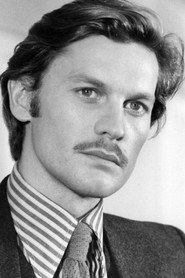 Helmut BergerHelmut Wallenberg
 Ingrid ThulinKitty Kellermann
 Teresa Ann SavoyMargherita
 John SteinerBiondo
 Sara SperatiHelga
 Maria MichiHilde
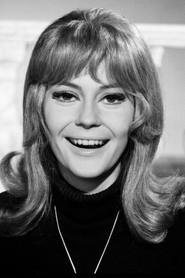 Rosemarie LindtSusan
 Paola SenatoreMarika
 John IrelandCliff
 Tina AumontHerta Wallenberg
 Alexandra BogojevicGloria
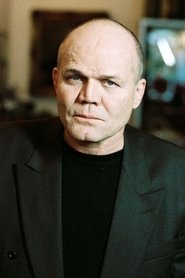 Dan van HusenRauss
Directing
- Giuseppe ScavuzzoAssistant Director
- Werner PochathAssistant Director
- Beatrice BanfiContinuity
- Tinto BrassDirector
- Giovanni MichelagnoliSecond Assistant Director
- Patrick BureauSecond Assistant Director
- Stefano SbarigiaSecond Assistant Director
Writing
- Derry HallLyricist
- Peter NordenNovel
- Ennio De ConciniScreenplay
- Maria Pia FuscoScreenplay
- Antonio ColantuoniStory
- Ennio De ConciniStory
- Maria Pia FuscoStory
Production
- Aureliano Lalli PersianiAdministration
- Ermanno DonatiProducer
- Giulio SbarigiaProducer
- Lucia NolanoProduction Secretary
- Vittorio FornasieroProduction Secretary
- Carla CiprianiProduction Supervisor
- Roberto SbarigiaUnit Manager