
Film
The Lovers
Other titles called The Lovers: the 1994 film, the 2015 film, the 2023 series (Now).
A bored French provincial wife slips away from her pedestrian marriage into an affair, discovering passion and selfhood in stolen moments. Moreau is luminous as a woman refusing to shrink. It's a film about desire as self-knowledge—sensual, frank, and quietly radical for 1958, treating infidelity not as scandal but as awakening.
Should you watch it?
Watch it if you respond to films where a restless woman's inner life carries the whole picture, and where Louis Malle's cool, sensual camerawork turns a bored afternoon into something you feel in your skin.
Skip it if you need plot momentum, since much of the running time is spent in lingering looks, long silences and quiet drives, and a steady stream of talk about longing can wear thin.
What it asks of you: It runs a brisk ninety-one minutes but moves at the pace of its heroine's distraction, so you need patience for mood and gaps before anything decisive happens.
Not sure? Find tonight's pick in a minute.
If you liked this
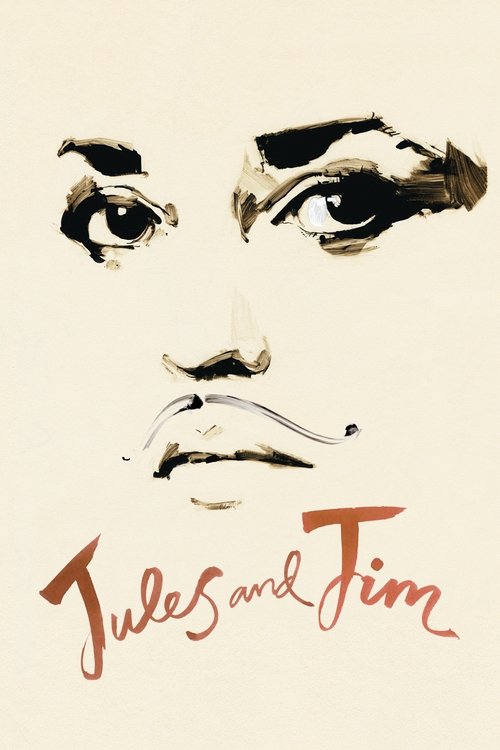
Jules and Jim1962
Truffaut's sunlit love triangle captures the same intoxicated freedom and doomed inevitability. Two men, one woman, the question of whether love can survive wanting different things. It has the same airless intensity.
But The girl-as-muse dynamic hasn't aged perfectly, and the ending is brutal. It's also slower than you'd expect and deeply melancholic underneath the beauty.
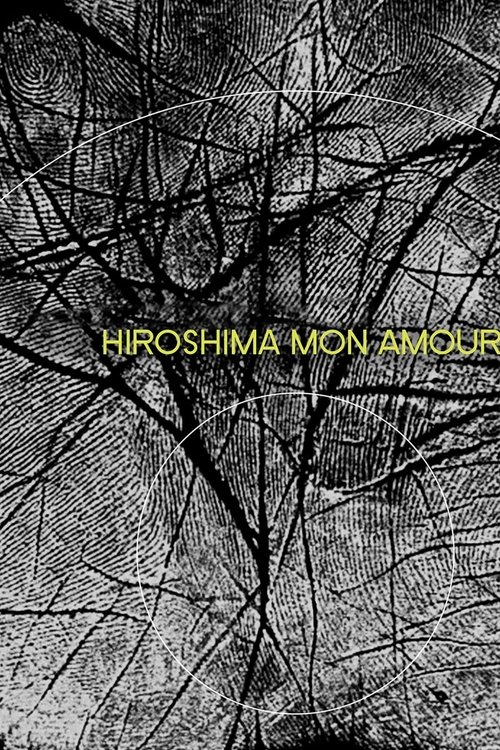
Hiroshima Mon Amour1959
Resnais pairs a brief affair between a French actress and Japanese architect with fragmented memory and trauma. Like The Lovers, it's erotically charged but uses passion to explore something deeper: how we construct ourselves from loss.
But The narrative is deliberately fractured and the dialogue is dense. It can feel more like a poem than a plot, which exhausts some viewers.
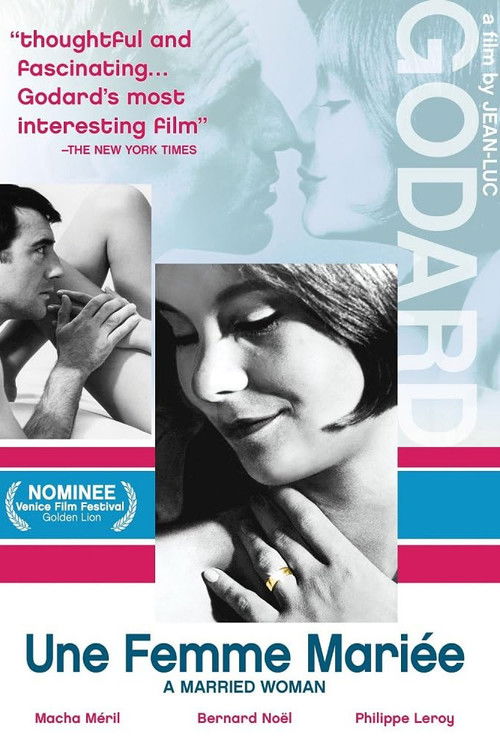
The Married Woman1964
Godard's portrait of a wife juggling husband, lover, and self-invention. More fragmented than The Lovers but asking the same question: can a woman want multiple things and still be whole?
But It's experimental and cold by design. The fragmentation isn't everyone's idea of pleasure, and the film withholds emotional payoff.
Not sure tonight? Get a pick in a minute, starting from The Lovers
The wildcard
Something you would not have found on your own.
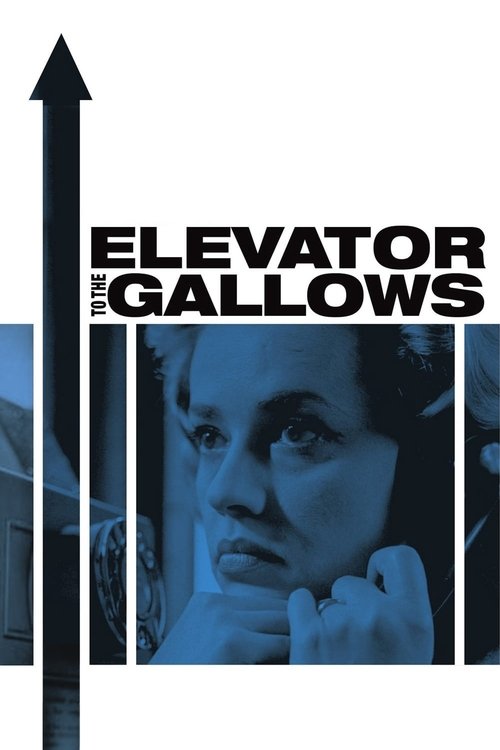
Elevator to the Gallows1958
Both are French films from 1958 about infidelity, but one is tragedy and one is rapture. They're the same story told in opposite keys.
Malle's thriller about an affair that ends in murder, with a jazz score and the same Paris as The Lovers. But where The Lovers romanticizes escape, this film shows its consequences—desire as a trap that tightens. The mood is noir and doom-haunted, utterly different register, same DNA.
But It's a thriller and a puzzle rather than a character study. If you want the feeling over the plot, the mechanics can get in the way.
More like this (8)
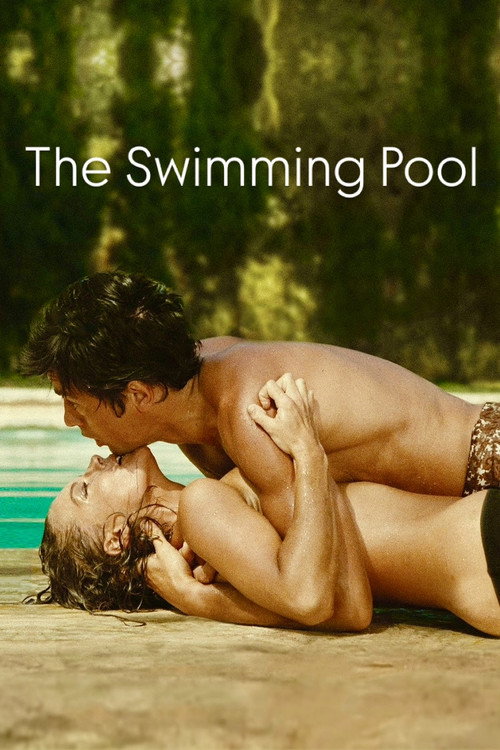
The Swimming Pool1969
Delon and Birkin in a summer house where desire breeds paranoia. It has that same glittering surface with something treacherous underneath, and the same fascination with how quickly attraction becomes possession.
But The plot is thin and the mood can feel claustrophobic. It's more about tension and beauty than narrative momentum, which bores people wanting a story.
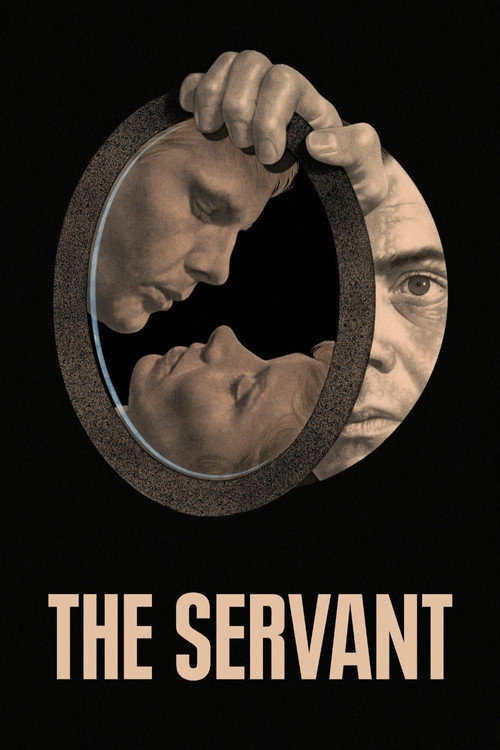
The Servant1963
Losey's study of desire and power between a young master and his manservant. Like The Lovers, it's about how desire unmakes the person who thought they had control. Gorgeously shot and genuinely unsettling.
But It's deliberately opaque and takes real pleasure in ambiguity. Some viewers find it pretentious, and the sexual politics are strange without being explained.
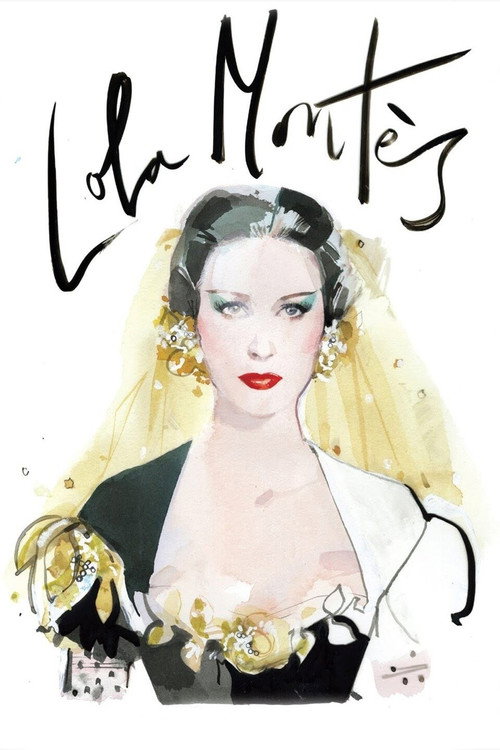
Lola Montès1955
Ophüls' circus-frame biography of a woman who loved too many men. It's about desire and reputation, shot in gorgeous Technicolor. The film's form—fragmented, circling—mirrors a life lived for pleasure.
But The circular structure is confusing on first viewing. It's also sentimental about its fallen woman, which sits awkwardly for modern audiences.
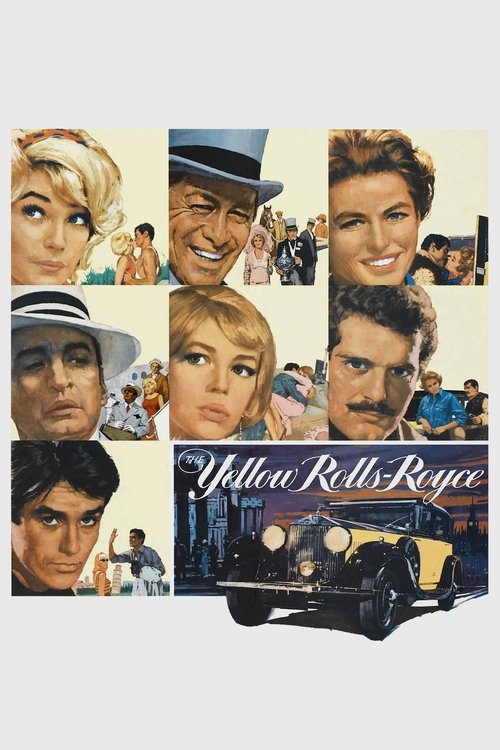
The Yellow Rolls-Royce1964
A car passes through the hands of different owners, each with their own romantic entanglement. It has The Lovers' interest in desire and class, and the same elegant European setting, with Moreau herself in one segment.
But The anthology structure means it never settles, and the tone is lighter, almost frothy. Some find it shallow compared to the films around it.
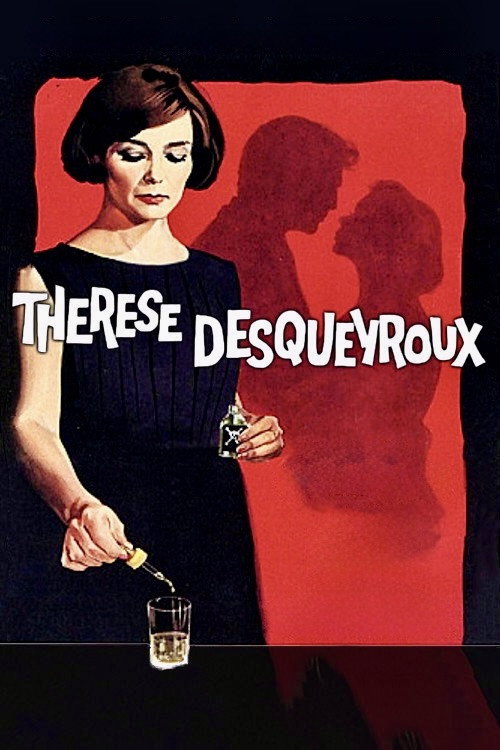
Therese1962
Franju's adaptation of Mauriac's novel about a woman poisoning her husband. It's slow, interior, a study of resentment and the violence that can lurk in a marriage. Austere and perfectly acted.
But There's almost no plot. It's purely psychological, which can feel punishing if you want momentum or sympathy for the protagonist.
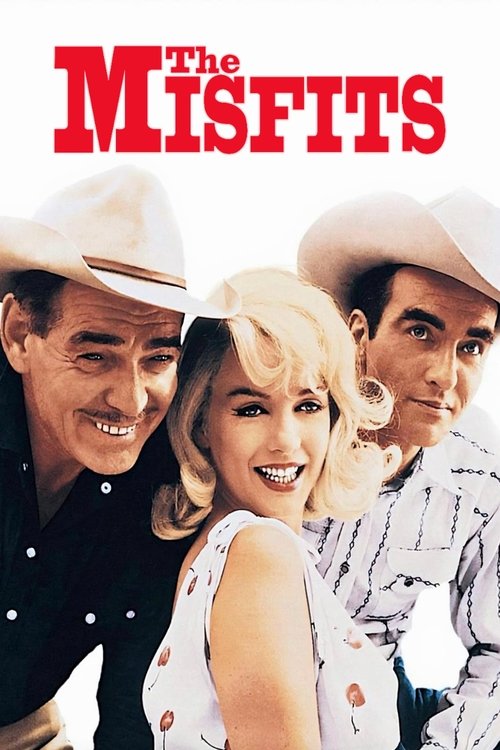
The Misfits1961
Huston's elegiac Western brings together four broken people for one last adventure. It shares The Lovers' melancholy—the sense that desire and freedom come too late, and that people in films are more tragic than happy.
But It's quiet and elegiac to the point of being slow. It's also Monroe's last film, which casts a shadow some viewers find unbearable rather than deepening.
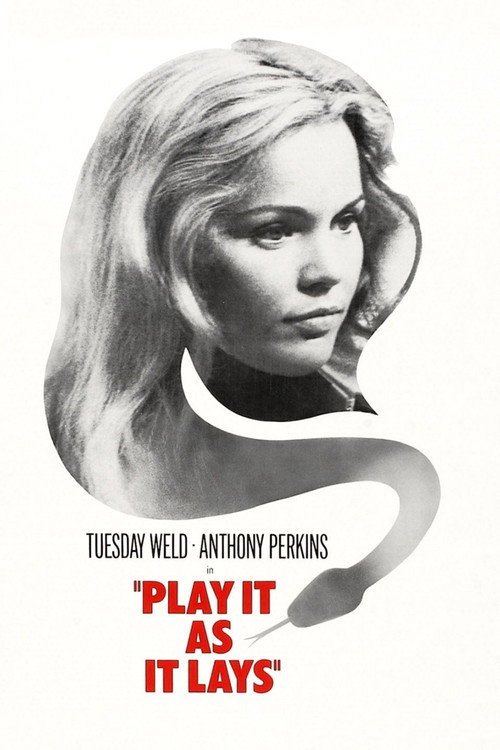
Play It as It Lays1972
Both use an affair as the catalyst for a woman to examine herself, but The Lovers finds selfhood in passion where Play It as It Lays finds only dissolution.
Frankenheimer's adaptation of Joan Didion's novel, with Tuesday Weld as a woman unmaking herself through affairs and aimlessness. It's The Lovers' mirror—American, 70s, and far more nihilistic. The same hunger for escape, but it leads nowhere and the film knows it.
But It's bleak and offers no redemption. Weld's performance is brilliant but exhausting, and the film refuses to make infidelity romantic or meaningful.
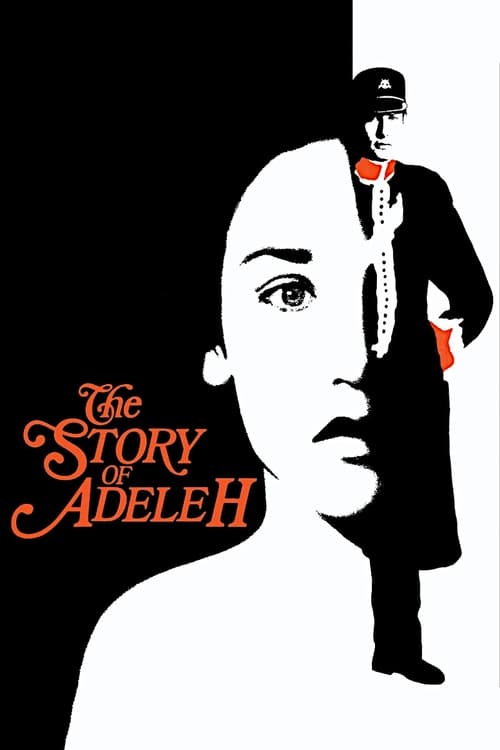
The Story of Adèle H.1975
Both star actresses from the French New Wave examining women defined by desire, but The Lovers finds escape while Adèle H. finds only madness. It's what happens when infidelity becomes obsession rather than awakening.
Truffaut's obsessed biopic of Victor Hugo's daughter, following her doomed pursuit of an officer across continents. It has The Lovers' intensity about desire, but weaponizes it—Adèle doesn't awaken through passion, she destroys herself with it. Moreau was considered for this role. Isabelle Adjani is fever-dream brilliant.
But It's repetitive by design; Adèle's fixation becomes the viewer's purgatory. The film never offers distance or irony, which some find punishing.
People
Cast
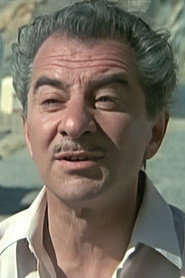
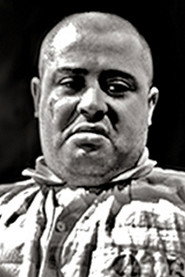
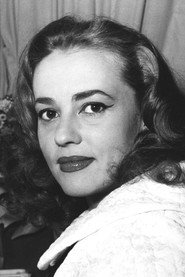 Jeanne MoreauJeanne Tournier
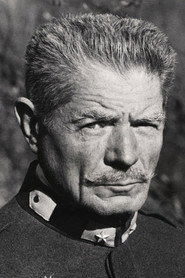 Alain CunyHenri Tournier
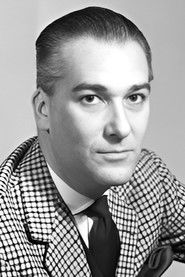 José Luis de VilallongaRaoul Flores
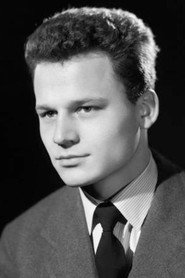 Jean-Marc BoryBernard Dubois-Lambert
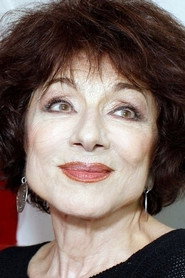 Judith MagreMaggy Thiebaut-Leroy
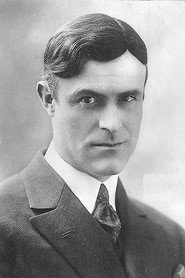 Gaston ModotCoudray
 Michèle GirardonSecretary
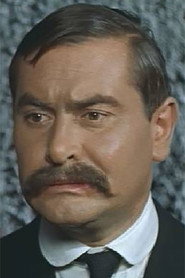 Claude MansardMarcelot
- Georgette LobreMarthe
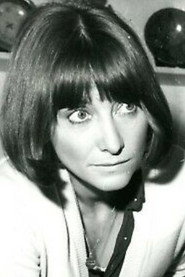 Lucienne HamonChantal
Directing
- Alain CavalierAssistant Director
- Louis MalleDirector
Writing
- Dominique VivantNovel
- Louise de VilmorinScreenplay
Production
- Irénée LericheProduction Manager
- Hubert MérialUnit Production Manager