
Film
Play It as It Lays
- Social drama
- Very dark
A 1972 portrait of Hollywood dissolution: Maria Wyeth, a burnt-out actress trapped in a hollow marriage, drifts through Los Angeles via sex, pills, and purposeless driving. Jagged, unglamorous, and genuinely bleak, it captures the specific despair of being discarded by an industry that chewed you up. For those who want their cinema unsparing.
Should you watch it?
Watch it if you like bleak, cool character studies of hollow Hollywood glamour, where the mood of drift and numbness does the storytelling more than plot does.
Skip it if you need a story that moves forward, since this one drifts through scenes of detachment and can feel repetitive and airless for long stretches.
What it asks of you: It asks you to sit with an emotionally flat, watchful lead for its 99 minutes, letting its fragments accumulate rather than waiting for big payoffs or consoling warmth.
Not sure? Find tonight's pick in a minute.
If you liked this
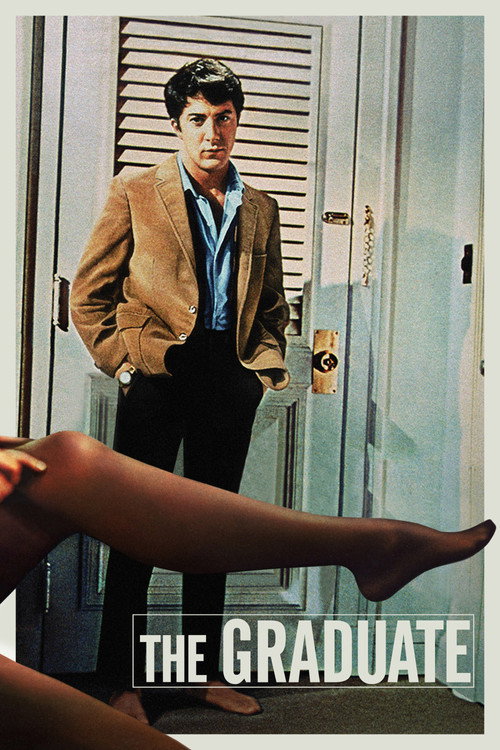
The Graduate1967
Captures the same suffocating ennui of privileged emptiness, but from a young man's perspective. Dustin Hoffman's paralysis mirrors Maria's—both trapped by a world that offers everything except meaning.
But It's been canonized almost to death, and the famous scenes feel familiar even if you've never seen it. The Benjamin/Mrs. Robinson dynamic can feel lightweight compared to the genuine pain here.
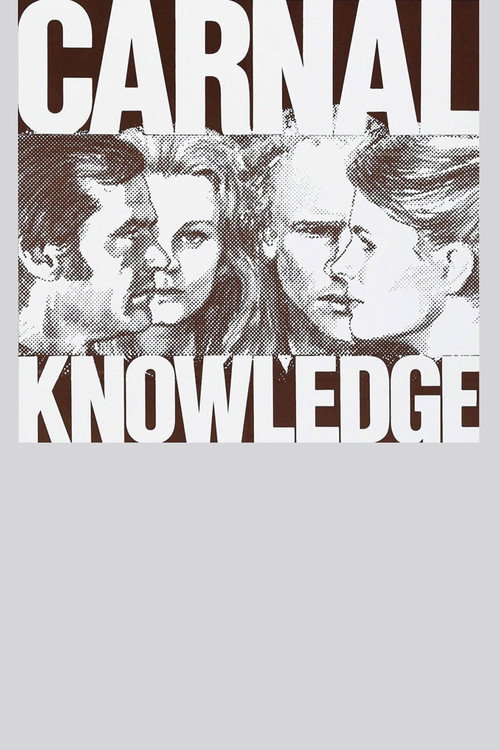
Carnal Knowledge1971
Mike Nichols directed both this and The Graduate. This one is far darker—it traces male desire and disappointment across decades with surgical precision. The same anatomy of hollowness, different gender.
But It's deliberately ugly and misanthropic. If you want any character to be likeable or redeemable, this will frustrate you. Also sexually explicit for 1971, which some find gratuitous.
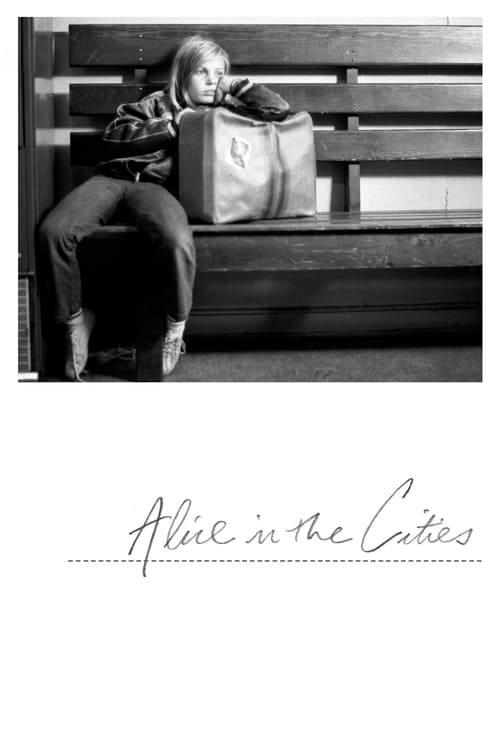
Alice in the Cities1974
Wim Wenders captures the same American aimlessness through driving and disconnection. A man and child move through empty spaces; nothing connects. The wandering has the weight of genuine alienation, not aestheticized sadness.
But It's slower and quieter than Play It as It Lays, with less plot and almost no dramatic incident. Some find it boring rather than meditative.
Not sure tonight? Get a pick in a minute, starting from Play It as It Lays
The wildcard
Something you would not have found on your own.
In a Lonely Place1950
Both are unflinching portraits of Hollywood as a machine that destroys the people inside it. Neither tries to convince you that the industry is worth it.
Bogart as a Hollywood screenwriter under suspicion of murder, his rage and isolation deepening in real time. Made two decades before Play It as It Lays, it's the dark ancestor of this film—the same town, the same despair, the same beautiful people corroding.
But It's shot in crisp 1950s style that can feel mannered now. The logic of the plot sometimes feels arbitrary. If you want visual rawness, you won't find it here.

More like this (6)
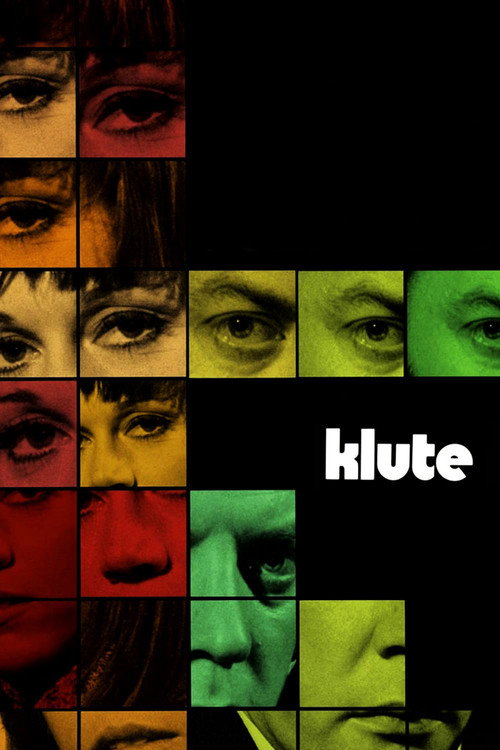
Klute1971
Jane Fonda as a call girl trying to excavate meaning from transactional sex. Paranoid, intelligent, and uncompromising about the psychology of selling yourself. The detective plot frames her internal collapse.
But The thriller mechanics can feel like scaffolding around the character study. If you want pure psychological unraveling without the murder plot, this might feel compromised.
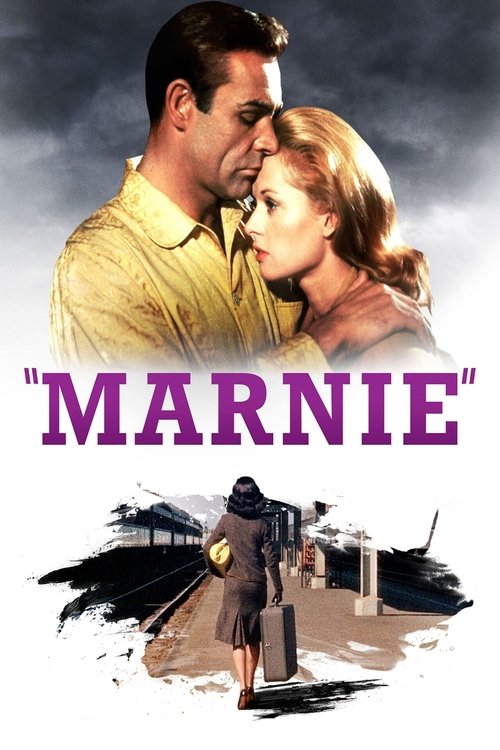
Marnie1964
Hitchcock's portrait of a woman unable to connect, using compulsion and theft as armor. Tippi Hedren as Marnie has Maria's same fractured self—both act out their damage rather than speak it.
But It's very 1960s in its sexual psychology and its view of women as puzzles men must solve. Some sequences feel dated or uncomfortable in a non-useful way.
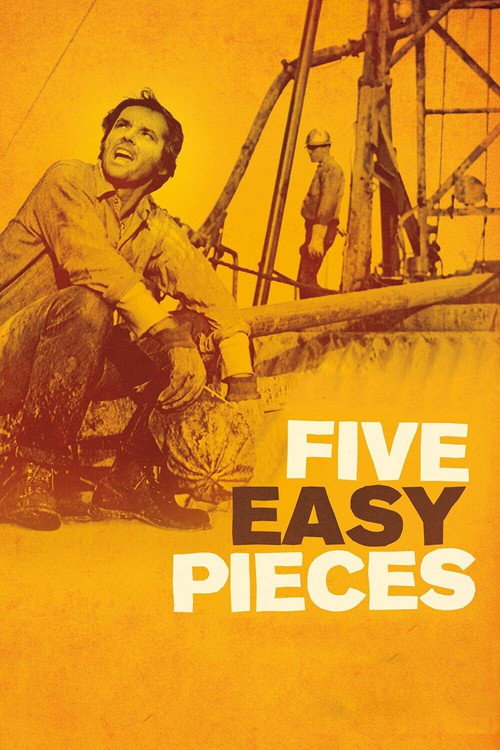
Five Easy Pieces1970
Jack Nicholson as a man unable to connect to anything or anyone, drifting between worlds. The same restless emptiness and self-sabotage as Maria, just in a male body. The famous diner scene isn't the point—the inability to want anything is.
But It's sometimes read as a road movie or a romance, which it isn't. If you're looking for plot momentum or character growth, you'll leave frustrated.
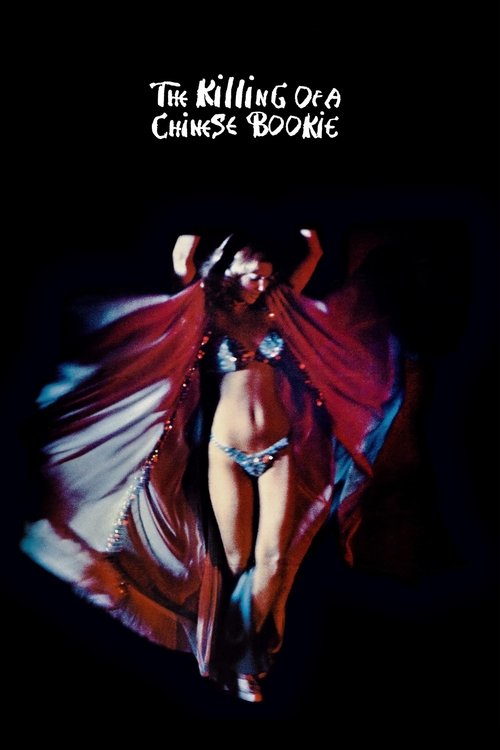
The Killing of a Chinese Bookie1976
Cassavetes captures the same 70s LA criminal underworld and erotic desperation. A man selling himself into debt and danger—performance, numbness, self-destruction. The handheld camera makes it visceral.
But It's almost dialogue-free in long stretches and deliberately ugly. The pacing is glacial. For some, it reads as self-indulgent rather than self-aware.
Ash Is Purest White2018
Jia Zhangke's portrait of a woman navigating betrayal and social collapse across decades of Chinese change. Like Maria, she drifts and endures. Less about what happens to her than how she survives it.
But It's in Mandarin with subtitles, and its emotional payoffs are slow and structural rather than cathartic. The film trusts you to find the tragedy yourself.

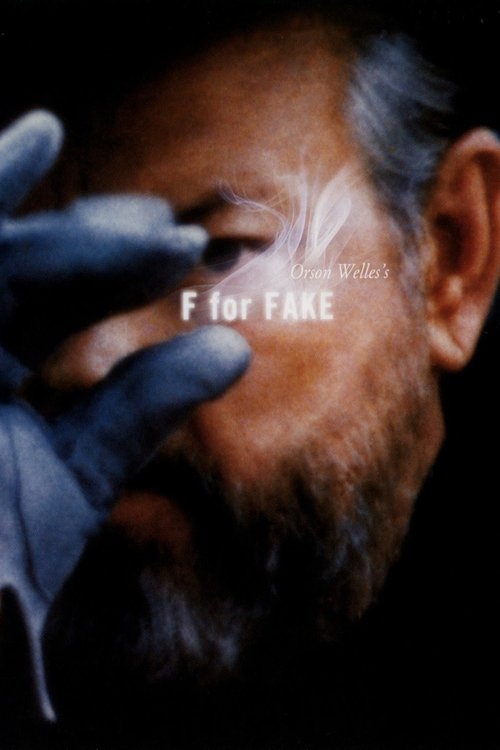
F for Fake1973
Both films are about the impossibility of authenticity in a culture of surfaces. Maria can't find herself because there's nothing underneath the performance. Welles suggests there may be nothing underneath anything.
Welles' essay-film about authenticity, fraud, and the impossibility of knowing what's real. At 88 minutes, it moves like a magician's hand—distracting, exhilarating, about the performance of self. Maria performs existence; Welles films the performance of reality itself.
But It's not a narrative. It's fragments, voiceover, contradiction, and magic tricks. If you need coherent plot or emotional arc, this will feel like a prank. Also, once you know the trick, the magic can feel cheap.
People
Cast
 Tuesday WeldMaria Wyeth Lang
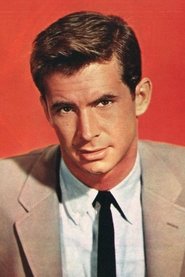 Anthony PerkinsB.Z.
 Adam RoarkeCarter Lang
 Tammy GrimesHelene
 Ruth FordCarlotta
 Eddie FirestoneBenny Austin
 Diana EwingSusannah
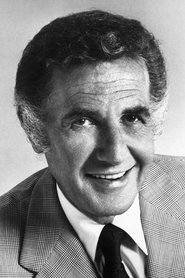 Paul LambertLarry Kulik
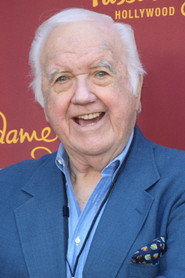 Chuck McCannAbortionist's Assistant
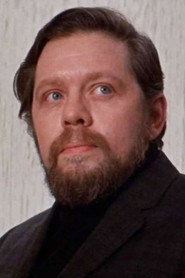 Severn DardenHypnotist
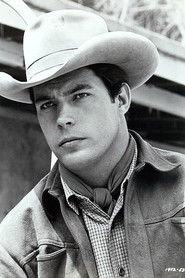 Tony YoungJohnny Waters
 Richard AndersonLes Goodwin
Directing
- Frank PerryDirector
- Edward TeetsFirst Assistant Director
Writing
- Joan DidionNovel
- Joan DidionScreenplay
- John Gregory DunneScreenplay
Production
- Joe ScullyCasting
- Dominick DunneProducer
- Frank PerryProducer
- Pato GuzmanProduction Designer
- Roger M. RothsteinProduction Manager
Recommended by
Georgia, Respect Yourself: The Stax Records Story, The Lovers