
Film
Alice in the Cities
Wim Wenders' debut feature follows a blocked German journalist who ends up shepherding a 9-year-old girl across America and back to Germany. It's a film about drift, connection, and how children sometimes see clearer than adults. Gentle, funny, and suffused with a particular kind of 1970s melancholy—less concerned with plot than with the texture of movement and small conversations. For anyone who believes cinema can be about the spaces between things.
Should you watch it?
Watch it if you love films where nothing much happens on purpose, where a long drive through empty German towns and quiet, observant wandering carry more feeling than any plot.
Skip it if you need a story that moves, since this one drifts through long stretches of wandering and talk, and the black-and-white stillness can feel like waiting.
What it asks of you: Across about 110 minutes the pace stays unhurried and sparse, so you'll need to settle into its rhythm rather than wait for the plot to pick up.
Not sure? Find tonight's pick in a minute.
If you liked this
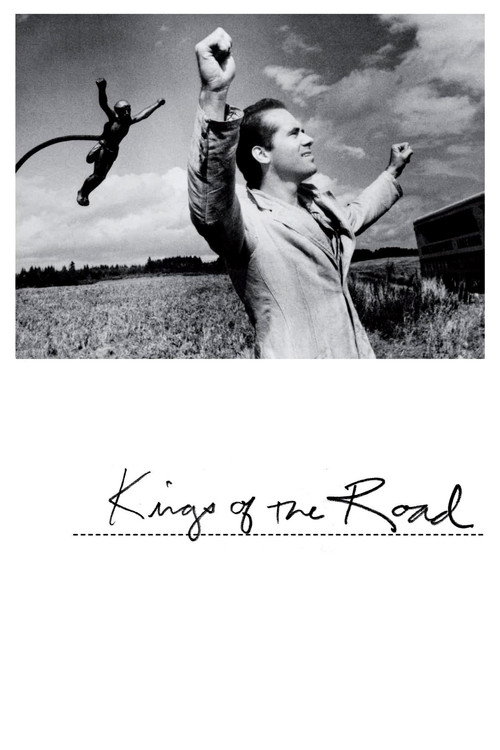
Kings of the Road1976
Wenders again, and even more assured. Two men travel through rural Germany in a van, repairing cinema projectors, and the film moves at the rhythm of their friendship. It's about masculine loneliness and the roads that heal it.
But Nearly three and a half hours, in black and white, with long stretches of silence. Some will find it monotonous; others will find that is exactly the point.
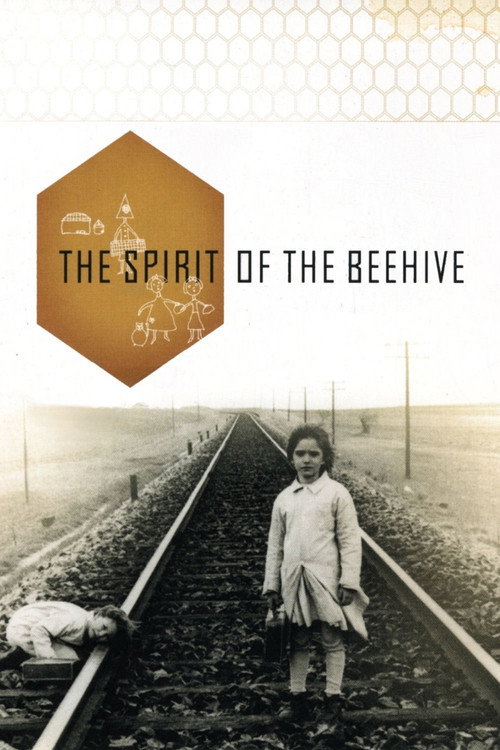
The Spirit of the Beehive1973
Spanish cinema's great meditation on childhood, memory, and a girl moving through a landscape of adult melancholy. It shares Alice's dreamlike logic and its conviction that watching is a kind of understanding.
But It's glacially paced and deliberately obscure about its meanings. If you need clarity and forward momentum, this will frustrate you.
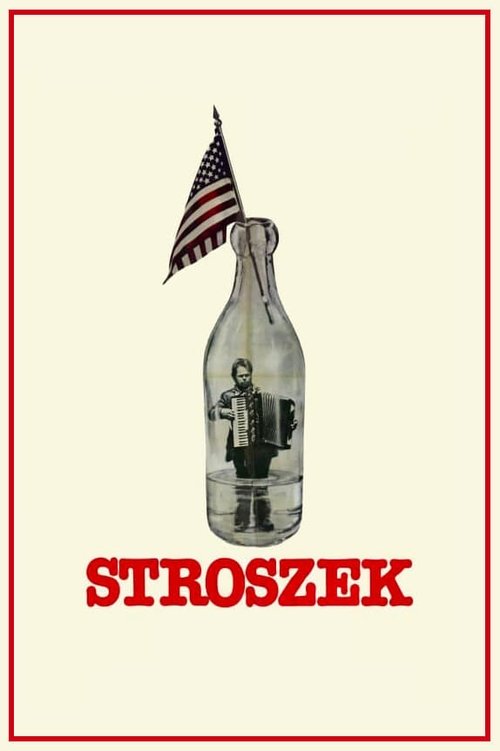
Stroszek1977
Werner Herzog's strange, tender film about displacement and connection, following a musician, an elderly man, and a woman on a journey from Berlin to Wisconsin. It has the same eye for the incidental poetry of travel.
But It pivots toward the surreal and the darkly comic in ways that can feel tonal whiplash. The ending is unforgettable but not comforting.
Not sure tonight? Get a pick in a minute, starting from Alice in the Cities
The wildcard
Something you would not have found on your own.
Tokyo Story1953
Both films believe cinema's job is to notice how people occupy space and time together. Plot serves presence, not the other way around.
Ozu's masterpiece about an elderly couple visiting their son in Tokyo. If Alice is about horizontal movement through space and the connections forged along the way, Tokyo Story is vertical and temporal—about time, aging, and how love persists in the small silences between people. Both are films about being present to the world as it actually is.
But It moves at its own pace entirely, indifferent to Western narrative rhythm. Many viewers' first encounter with it is frustration; the film trusts you to adjust.

More like this (7)
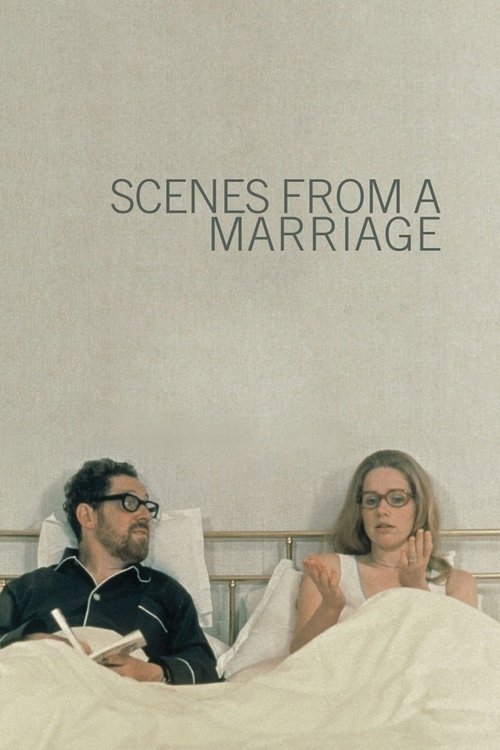
Scenes from a Marriage1974
Bergman's excavation of relationship and time, presented as intimate close-ups of two people across years. Like Alice, it understands that small moments between people matter more than plot.
But It's emotionally grueling and runs nearly four hours. Watching a marriage fracture is the opposite of escapism.
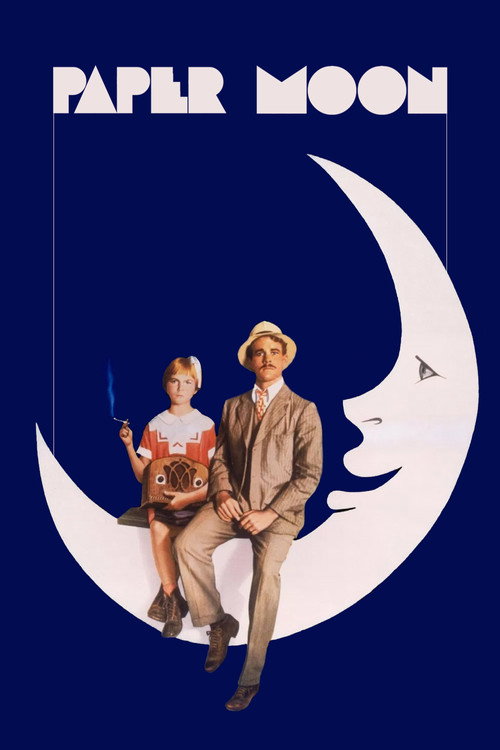
Paper Moon1973
A con artist and a girl drift through Depression-era America together, forming an unlikely bond. It's playful where Alice is wistful, but shares that sense of two people finding connection on the road.
But It's more sentimental than it appears, and some viewers will find its charm cloying rather than earned.
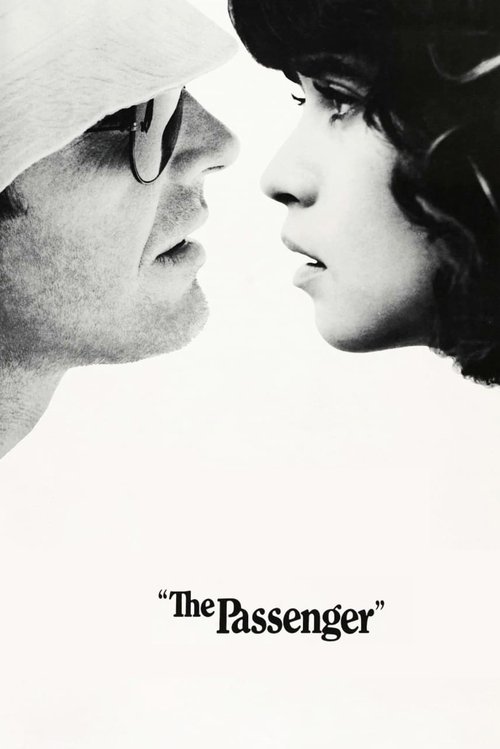
The Passenger1975
Antonioni's film about a journalist who assumes a dead man's identity and drifts through Europe. It's about the seduction of dissolution and the idea of becoming someone else through movement.
But It's oblique about character motivation and meaning. If you're waiting for a story to cohere, you'll be waiting past the film's end.
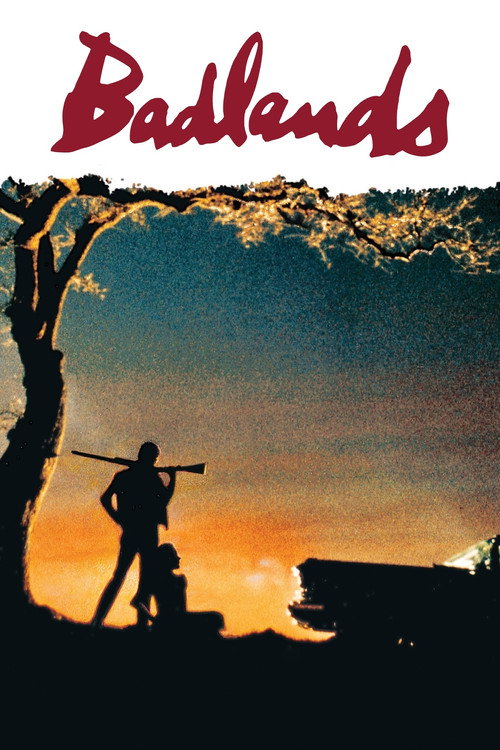
Badlands1973
Malick's debut follows two young lovers fleeing across America, narrated by the girl's deadpan voice-over. It has Alice's romantic vision of travel and outsider life, with an Americana poetry all its own.
But The pace is hypnotic but static. Some find it beautifully meditative; others find it aimless.
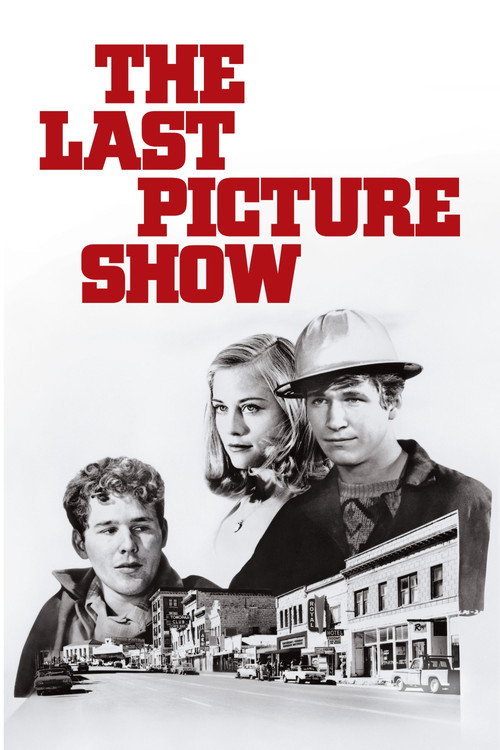
The Last Picture Show1971
Bogdanovich's elegy for a dying Texas town and the lives within it. It shares that 1970s commitment to mood and texture over conventional narrative satisfaction.
But It's in black and white and nostalgic to the point of sadness. If you're looking for energy or humor, this will drain rather than energize you.
Come and See1985
Both place a child at the center and refuse to lie about what the world does to children. Both use the child's perspective not to sentimentalize but to see clearly.
Klimov's brutally honest Soviet film following a boy conscripted into the Red Army as WWII grinds toward its end. It's about displacement, lost innocence, and how the world corrodes a child's faith in it. Like Alice, it refuses to sentimentalize childhood—but where Alice is gentle, this is scorched earth.
But It is one of cinema's most harrowing films. Watching a child's soul darken for 142 minutes is not entertainment; it's witnessing something terrible and true.

In the Mood for Love2000
Both films understand that cinema is about how people move through and occupy space together, and that this matters more than what they say.
Wong Kar-wai's film about two neighbors discovering their spouses are having an affair, told through color, costume, and yearning glances rather than plot. It's about connection thwarted and the ache of proximity without touch. Alice is about connection found; this is about connection forever out of reach, but the register—that sense of meaning in small gestures and the geometry of how bodies occupy space—is kindred.
But It's more style than substance to many viewers, and the narrative withholding will feel like evasion rather than poetry.

People
Cast
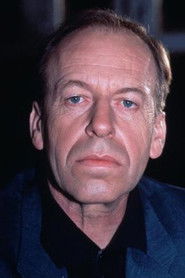 Rüdiger VoglerPhilip Winter
 Yella RottländerAlice van Damm
 Lisa KreuzerLisa van Damm
- Edda KöchlAngela
- Ernest BoehmPublisher
- Sam PrestiCar Dealer
 Lois MoranAirport Hostess
- Didi PetrikatWoman at Swimming Park
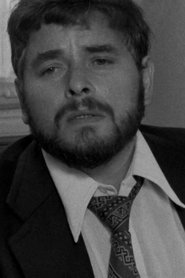 Hans HirschmüllerPolice Officer
- Sibylle BaierWoman on Ferry
- MirkoBoy Singing Next to Jukebox
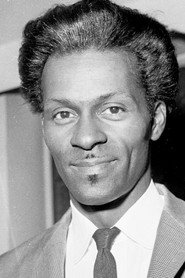 Chuck BerryChuck Berry (archive footage) (uncredited)
Directing
- Micky KleyAssistant Director
- Wim WendersDirector
Writing
- Veith von FürstenbergScreenplay
- Wim WendersScreenplay
Production
- Ben WettLocation Manager
- Joachim von MengershausenProducer
- Wim WendersProducer
- Peter GenéeProduction Manager
- Veith von FürstenbergProduction Manager
- Chris HoleniaUnit Manager