
Film
Georgia
- Drama
- Very dark
A film about two sisters and the gravitational pull of admiration, jealousy, and shared damage. Jennifer Jason Leigh delivers a performance of raw, unglamorous recklessness as Sadie, orbiting the more stable Georgia. It's bleak, frequently difficult, and unsentimental about addiction and family resentment. For viewers who can sit with discomfort and don't need redemption at the end.
If you liked this
Requiem for a Dream2000
A devastating portrait of addiction in multiple forms, with performances that fracture under the weight of obsession. Darren Aronofsky's formal inventiveness makes the spiral visible rather than merely showing it.
But Relentlessly bleak and difficult to watch; some sequences are designed to be actively unpleasant. Not remotely a comfort film.

The Wrestler2008
Mickey Rourke's quiet, physical performance as a man watching his own deterioration. Like Georgia, it refuses easy sympathy or tidy resolution—just the daily choice to keep going or not.
But Spare and repetitive by design; long stretches without plot. Some find the self-destruction tedious rather than tragic.

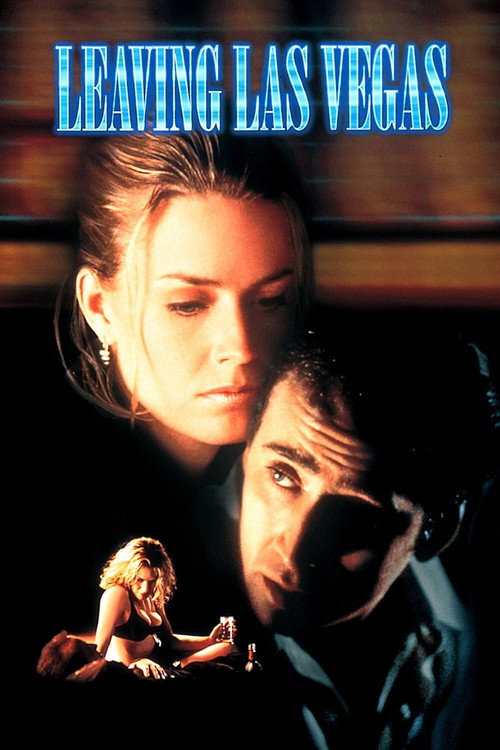
Leaving Las Vegas1995
Nicolas Cage delivers the most unvarnished portrait of alcoholism in cinema—not tragic, not noble, just the mathematics of addiction. Released the same year, with similar moral clarity about spiraling.
But Sexually explicit and suffocating. The protagonist is unsympathetic by design, which some viewers experience as punishment rather than portraiture.
Not sure tonight? Get a pick in a minute, starting from Georgia
The wildcard
Something you would not have found on your own.
Rurouni Kenshin: Meiji Kenkaku Romantan1996
Both are meditative, not plot-driven. Both about characters who orbit someone else's vision and must decide who they are independently. Sadie's addiction mirrors a different kind of possession.
A Japanese anime about identity and damage and obsession—surprising to name here, but structurally it shares Georgia's focus on a character orbiting someone else's purpose. Visually astonishing; philosophically rigorous. Start with episode 1 or the film Innocence.
But Anime, which carries genre expectations most viewers don't want. Extremely cerebral; plot is secondary to mood and ideas. Subtitles required.

More like this (7)
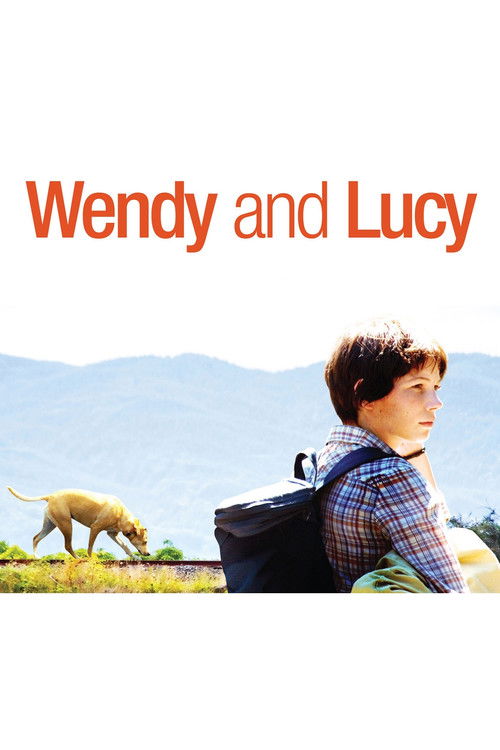
Wendy and Lucy2008
Kelly Reichardt's precise, quiet study of a woman with almost nothing left—no melodrama, no score, just the small failures that add up. Captures the shame of unraveling with devastating economy.
But Extremely slow and minimal. If you need plot momentum or dialogue-driven character development, this will feel empty.
Crazy Heart2009
Jeff Bridges as a washed-up country singer still trying to perform, still drinking, still chasing the life he had. Country music, fractured relationships, and the exhaustion of self-sabotage.
But More sentimental than Georgia; the ending suggests redemption is possible. If you want uncompromising bleakness, this softens it.

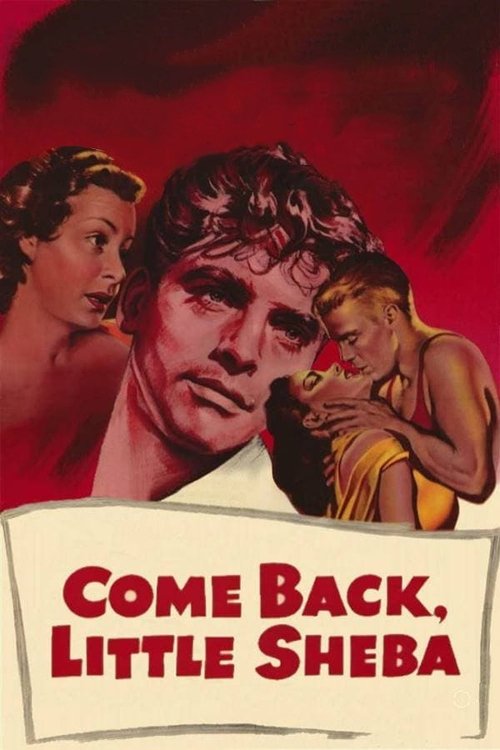
Come Back, Little Sheba1953
Burt Lancaster and Shirley Booth as a married couple circling each other's resentment and regret. About admiration curdled into contempt, and the ordinary way people destroy intimacy.
But Painfully slow by modern standards; long stretches of domestic routine. The emotional core is suppressed rather than expressed.
Synecdoche, New York2008
Charlie Kaufman's collision of art, death, and self-obsession. Like Georgia, it's about creative ambition and damage; about watching someone's compulsions consume everyone around them.
But Deliberately confusing and structurally complex; the narrative logic is more emotional than literal. Exhausting for viewers who need clarity.

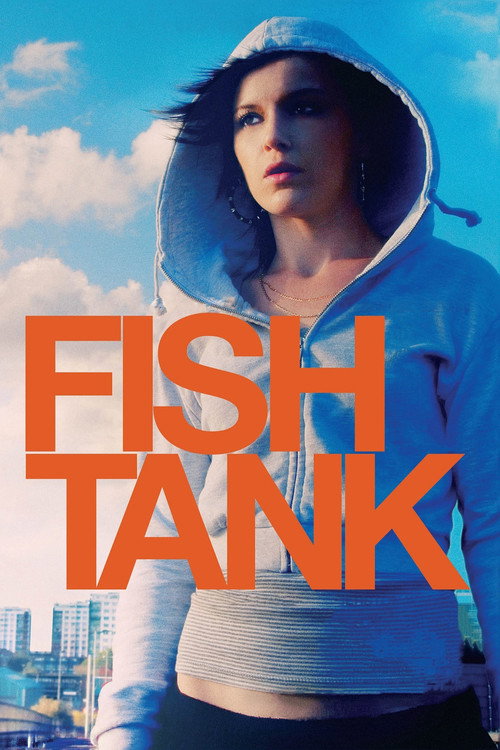
Fish Tank2009
Andrea Arnold's visceral portrait of a young woman's chaotic energy and desperation. Raw, contemporary, and uncomfortable about desire, family dynamics, and the cost of wanting something badly.
But Contains sexual violence and is deliberately abrasive. Not redemptive; the ending offers no comfort.
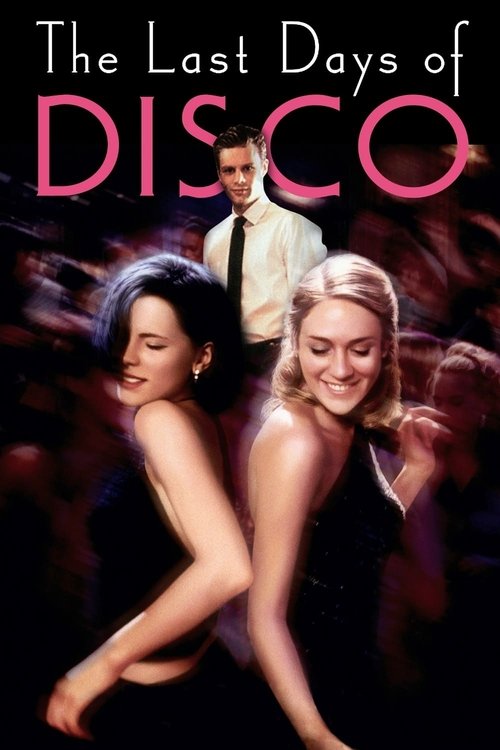
The Last Days of Disco1998
Whit Stillman's elegiac look at people in free fall, using wit and irony as defense mechanisms. About failure and privilege and the way friendship can't save you from yourself.
But Stylized and archly funny, which undercuts the sadness. If you want unbroken pathos, the tone-shifts will feel glib.
Play It as It Lays1972
Both films are about women whose damage is not picturesque. No redemption arc, no explanation that makes sense. The real subject is the texture of unraveling, and what it costs to witness it without flinching.
Joan Didion's novel adapted into a fractured portrait of a woman coming apart—not because of poverty but because of emptiness. Tuesday Weld delivers a performance as unforgiving as Leigh's in Georgia: numb, complicit, refusing your pity.
But 1970s filmmaking, which means deliberate pacing and no reassurance. The female protagonist's depression is not dramatized for catharsis; it simply is. Some find this boring rather than brave.

People
Cast
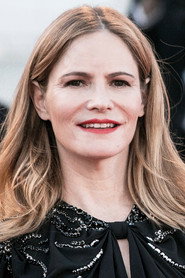 Jennifer Jason LeighSadie Flood
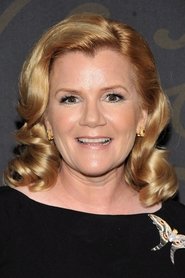 Mare WinninghamGeorgia Flood
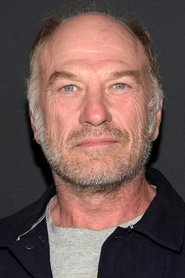 Ted LevineJake
 Max PerlichAxel Goldman
 John DoeBobby
 John C. ReillyHerman
 Jimmy WitherspoonTrucker
 Jason CarterChasman
 Tom BowerErwin Flood
- Smokey HormelLeland
- Jimmy Z.Clay
- Tony MarsicoPaul
Directing
- Ulu GrosbardDirector
- Craig HustonFirst Assistant Director
- Lynn WegenkaSecond Assistant Director
- Elisa SansaloneSecond Second Assistant Director
Writing
- Barbara TurnerScreenplay
Production
- Renee RousselotCasting
- Ben BarenholtzExecutive Producer
- Amanda DiGiulioLine Producer
- Barbara TurnerProducer
- Jennifer Jason LeighProducer
- Ulu GrosbardProducer
- Amanda DiGiulioUnit Production Manager