
Television series
Wind at My Back
A Canadian family drama set in a Depression-era mining town where the Bailey family navigates hardship with resilience and grace. Intimate, character-driven storytelling that finds dignity and humor in scarcity. For anyone who loves multigenerational family sagas that prioritize emotional truth over melodrama.
Should you watch it?
Watch it if you want a slow, patient family saga where the period texture of a Depression-era mining town matters as much as any single storyline, and you don't mind settling in for a long haul.
Skip it if you need brisk stakes or a show that keeps escalating, since this one lingers on everyday routine at the unhurried pace of its era and town.
What it asks of you: Sixty-minute episodes, five seasons, and a steady accumulation of small domestic weather; you settle in week after week rather than binge a single night.
Not sure? Find tonight's pick in a minute.
If you liked this
Anne with an E2017
A reimagining of classic Canadian literature with the same emotional intelligence and period detail as Wind at My Back, but with a younger protagonist discovering herself amid rural constraints and community bonds.
But The aesthetic is deliberately darker and more psychologically complex than the source material, which some find at odds with nostalgia for the book.

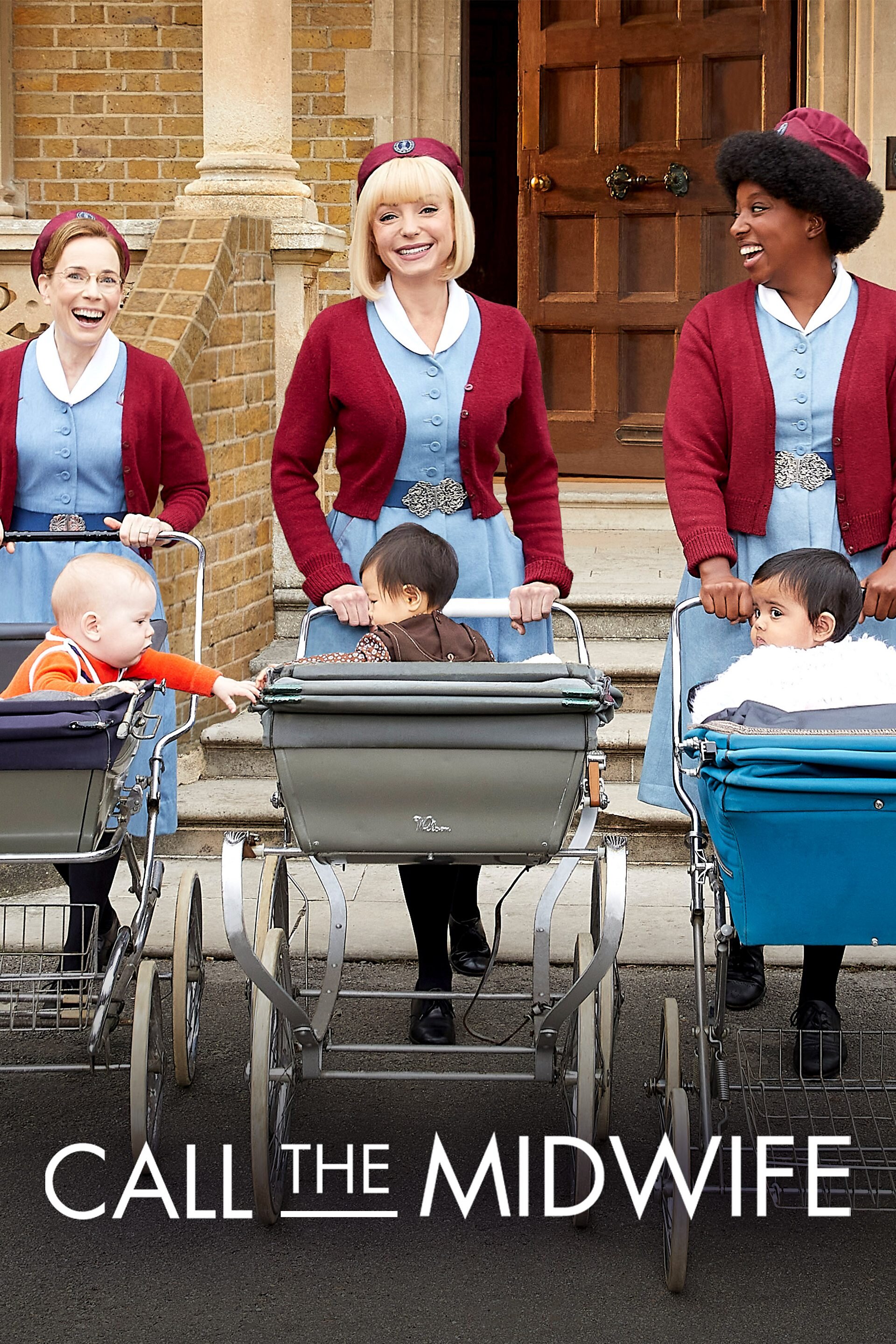
Call the Midwife2012
Ensemble cast documenting ordinary people through extraordinary circumstances—here, childbirth in post-war East London. Same warmth, same focus on how communities survive together through intimate, unglamorous work.
But The medical detail is graphic and sustained; if you're squeamish about birth, you'll spend entire episodes uncomfortable.
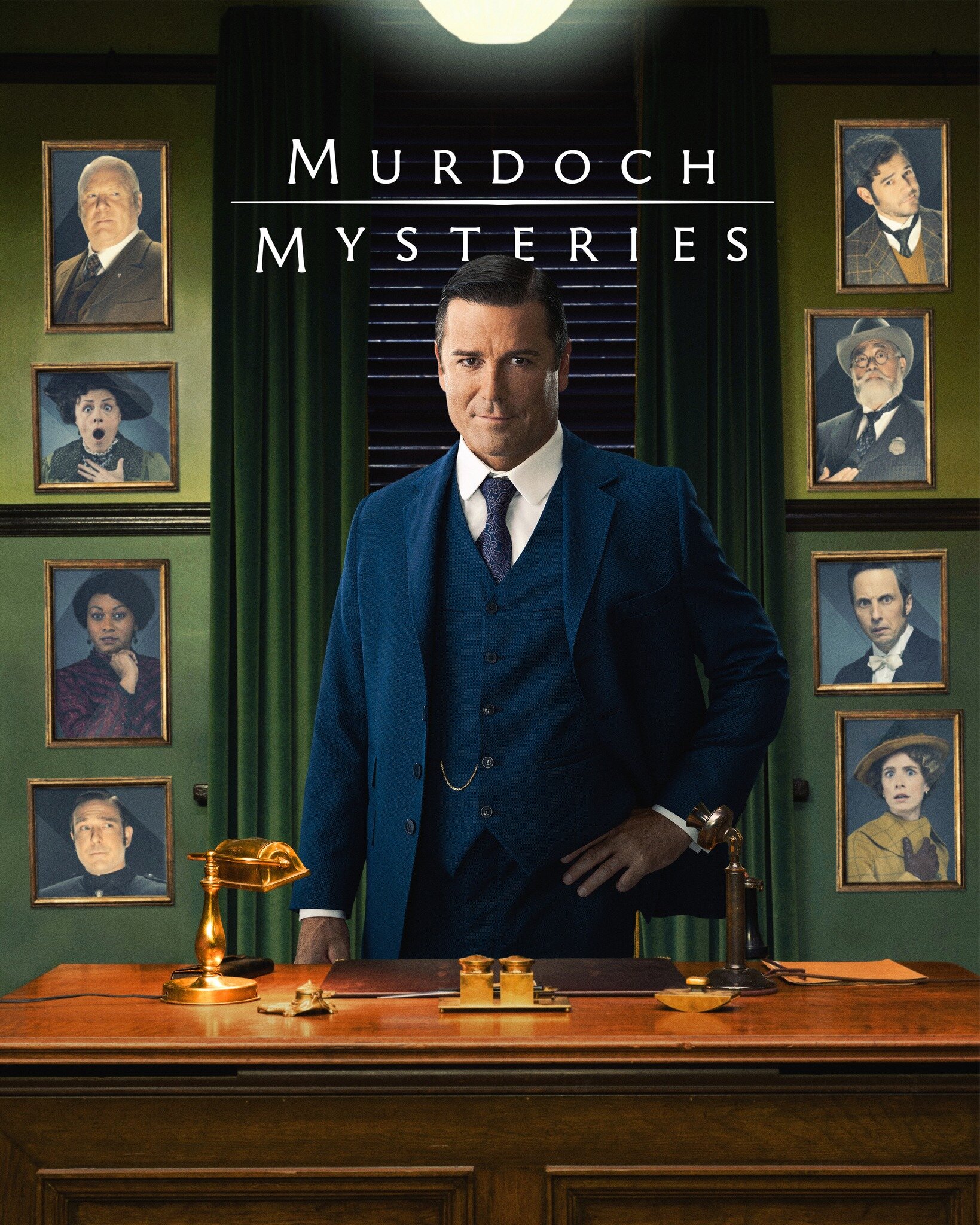
Murdoch Mysteries2008
Another Canadian period drama with deep roots in character and community. Set a few decades earlier, it has the same attention to how people lived, worked, and supported each other in a specific time and place.
But It's a procedural first and a period piece second, so the mystery-of-the-week structure may feel less emotionally intimate than Wind at My Back's family focus.
Not sure tonight? Get a pick in a minute, starting from Wind at My Back
The wildcard
Something you would not have found on your own.
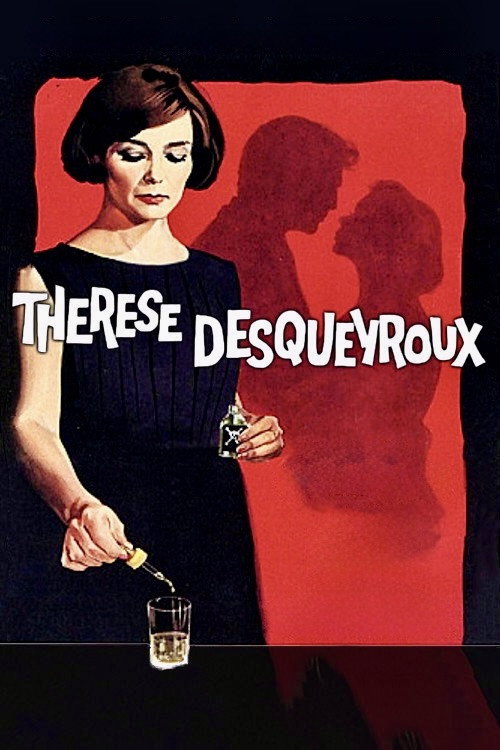
Therese1962
Both use Depression-era and early 20th-century settings to explore how constraint shapes character, but from opposite angles—one celebrates resilience within limits, the other interrogates the cost of accepting them.
A French psychological drama about a woman suffocating within her family and marriage, with the same period setting but inverted moral universe—what Wind at My Back celebrates about family duty, this film sees as entrapment.
But It's austere, slow-paced, and offers no catharsis; the heroine's unhappiness is the entire point, which many find depressing rather than illuminating.
More like this (8)
When Calls the Heart2013
Wholehearted exploration of small-town life in the Canadian West during the early 1900s, with the same emphasis on teaching, family, and finding meaning in community during scarcity.
But The optimism is relentless and sometimes borders on saccharine; if you prefer complexity and moral ambiguity, this skews too earnest.

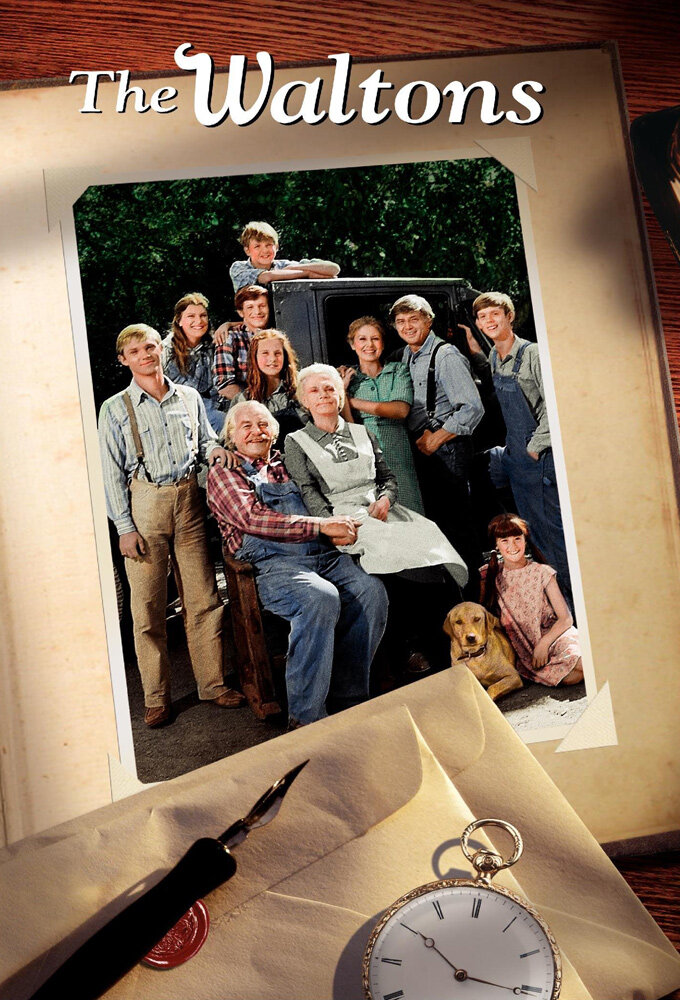
The Waltons1972
The spiritual ancestor of Wind at My Back—a multigenerational family navigating Depression and war with quiet dignity. If you loved one, you'll recognize the DNA in the other.
But The pacing is slower even by period-drama standards, and some episodes feel more like gentle essays than dramatic arcs.
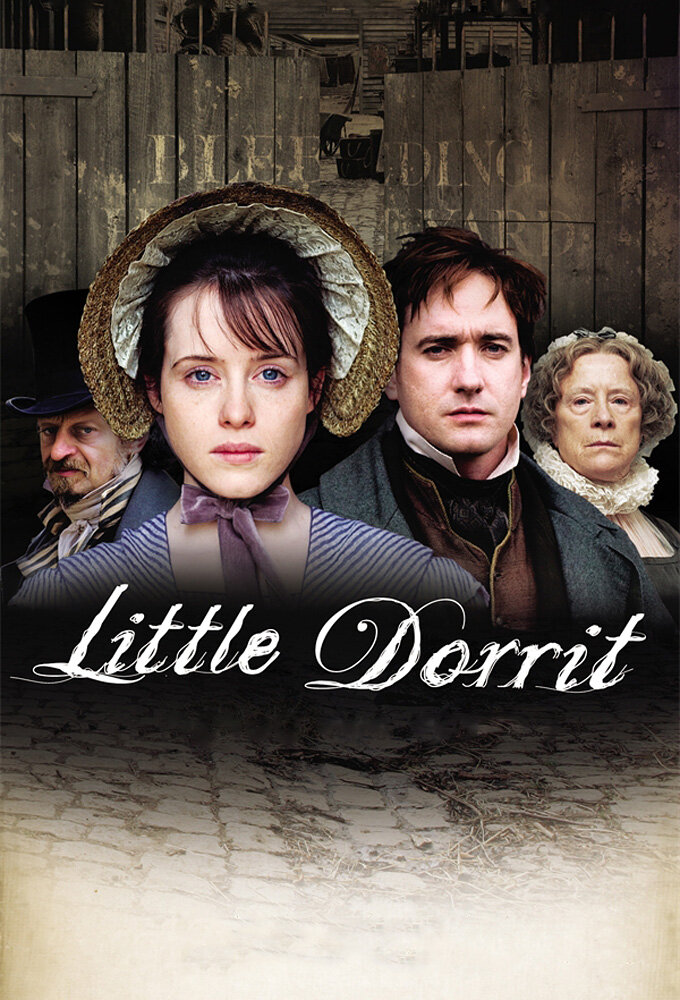
Little Dorrit2008
Dickens adapted with painterly care, capturing how families endure poverty without losing their moral compass. The same interest in how constraint shapes character and relationships.
But It's dense Victorian fiction compressed into six hours; if you're not prepared for intricate plotting and dozens of characters, it's overwhelming.
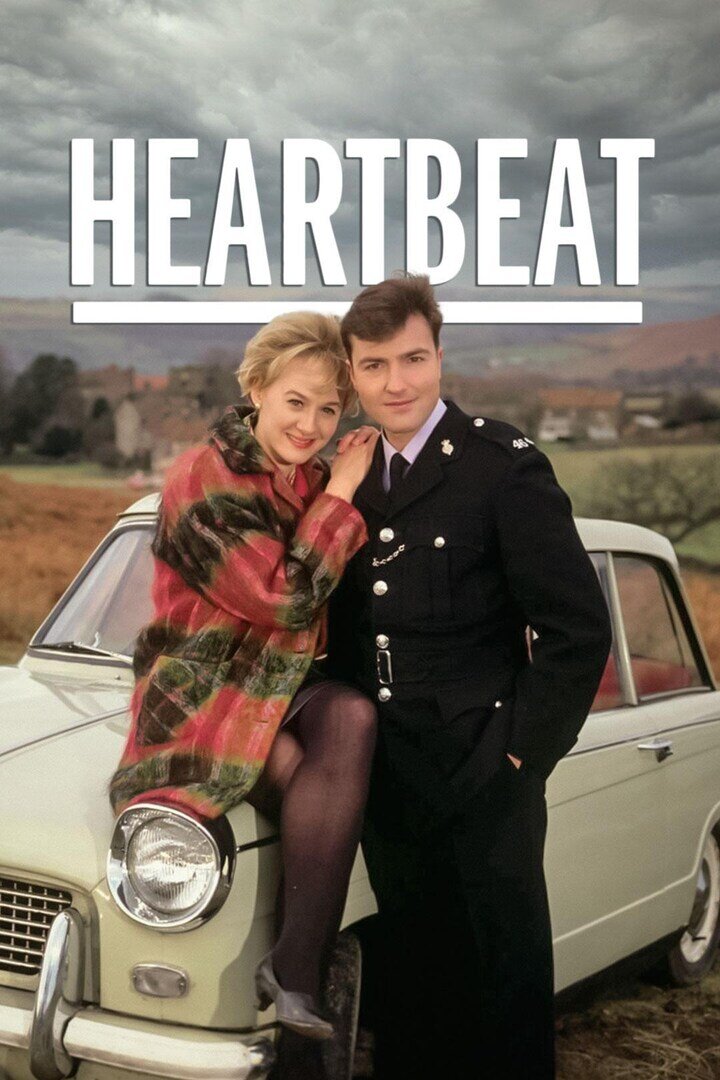
Heartbeat1992
A British police procedural set in the 1960s North York Moors that prizes community relationships and the texture of everyday life as much as any crime. Gentle but never dull.
But The crimes are often minor and the pacing contemplative; if you want high stakes and tension, this is a quiet, leisurely watch.
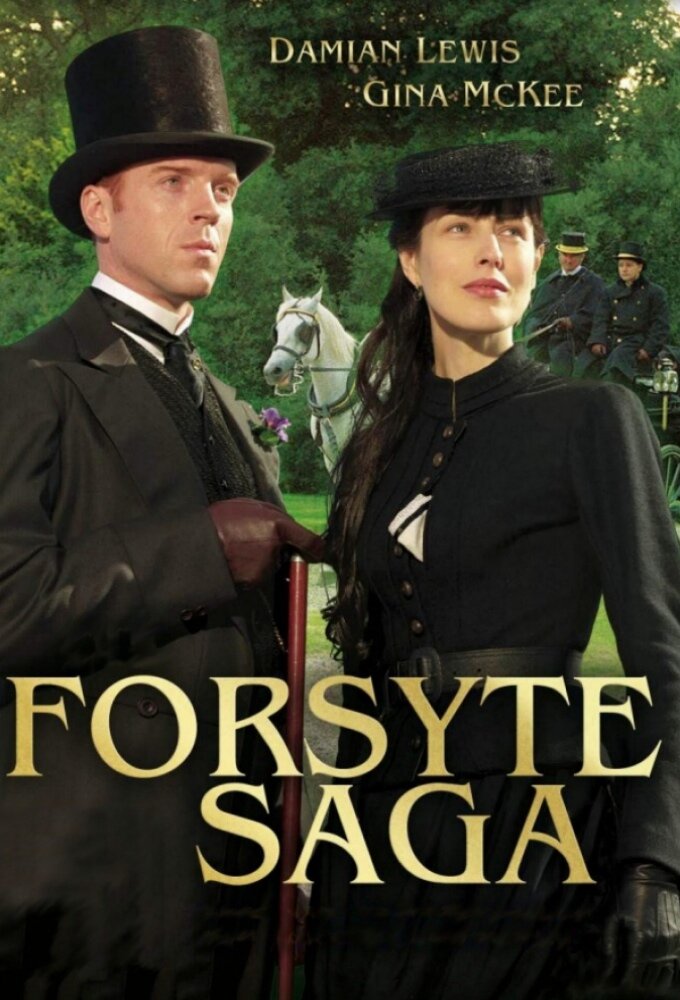
The Forsyte Saga2002
Sweeping family chronicle across generations and social upheaval, with the same commitment to showing how people navigate duty, love, and survival within their circumstances.
But It's very long and very British; the emotional restraint that defines the period can feel cold to modern viewers used to more explicit feeling.
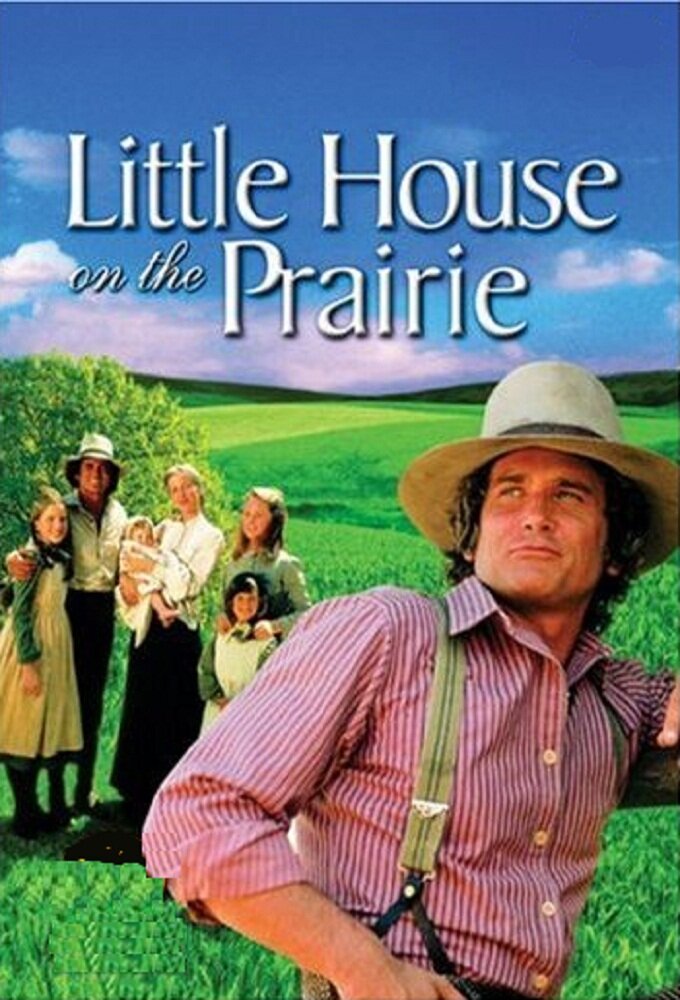
Little House on the Prairie1974
Pioneer family drama emphasizing resilience, self-sufficiency, and finding joy in hardship. The DNA is similar, though the setting and era are different.
But It's older and the production values show it; some episodes veer into sentimentality that feels dated rather than earned.
The Breadwinner2017
Both center on a young protagonist quietly shouldering impossible responsibility to keep their family afloat, but where the series finds community support, this film shows a child alone against systemic brutality.
An animated film about a girl providing for her family during Taliban rule in Afghanistan. It shares Wind at My Back's core theme—how young people carry their family's survival—but through a radically different medium and contemporary crisis.
But Animation can feel incongruous with the subject matter's gravity; some viewers find the style lightens material that deserves darkness.

Stalker1979
Both value the granular texture of daily life and emotional authenticity over narrative excitement; both trust the viewer to find meaning in small moments and sustained attention to character.
A Soviet philosophical science-fiction film that moves at the pace of a family drama—meditative, character-driven, concerned with how ordinary people navigate constraint and uncertainty. Visual poetry about the texture of existence.
But It's 163 minutes of slow metaphysical meditation with no plot in the conventional sense; if you need forward momentum, you'll find it punishing.

People
Cast




Writing
- Kevin SullivanCreator