
Film
Au Hasard Balthazar
Robert Bresson's austere parable follows a donkey through a lifetime of owners, each one revealing some new shade of human cruelty or grace. Shot with a stillness that refuses sentimentality, it asks you to watch suffering without music or comfort, and to find something like holiness in patience. It's slow, quiet, and unforgettable — for viewers willing to sit with discomfort rather than be entertained by it.
If you liked this
Mouchette1967no page yet
Bresson's very next film, and its true twin — another young innocent ground down by a world of casual, unthinking cruelty. Same unblinking camera, same refusal to explain or console, but even more devastating in how ordinary the cruelty looks.
But It's bleaker than Balthazar, with no animal to soften the blow, and ends on a note some find unbearable.
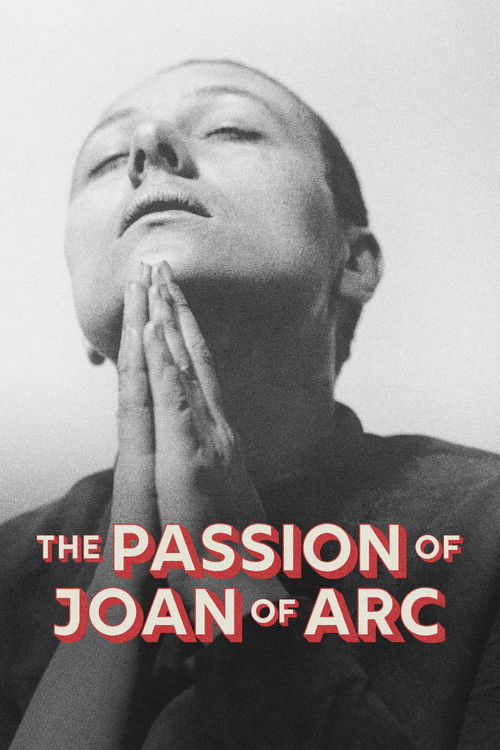
The Passion of Joan of Arc1928
Dreyer's silent masterpiece shares Bresson's obsession with faces as landscapes of suffering and grace. Renée Falconetti's performance, mostly close-ups, feels like watching a soul get tested in real time — no dialogue needed.
But Silent and intense, with almost no plot momentum — it's an endurance test of empathy, not a story to relax into.
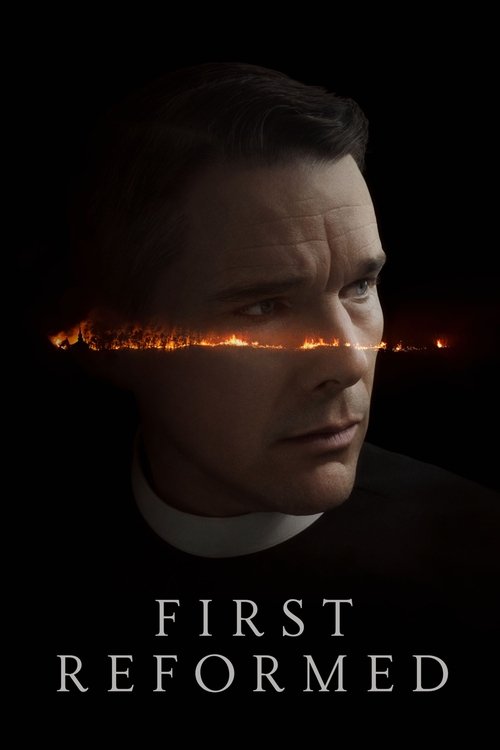
First Reformed2018
Paul Schrader built this explicitly on Bresson's 'transcendental style' — long stillness, moral crisis, a man breaking under the weight of belief. Ethan Hawke gives a performance as controlled and quietly devastating as anything here.
But It swerves into something stranger and angrier in its final act that some find tonally jarring.
The wildcard
Something you would not have found on your own.
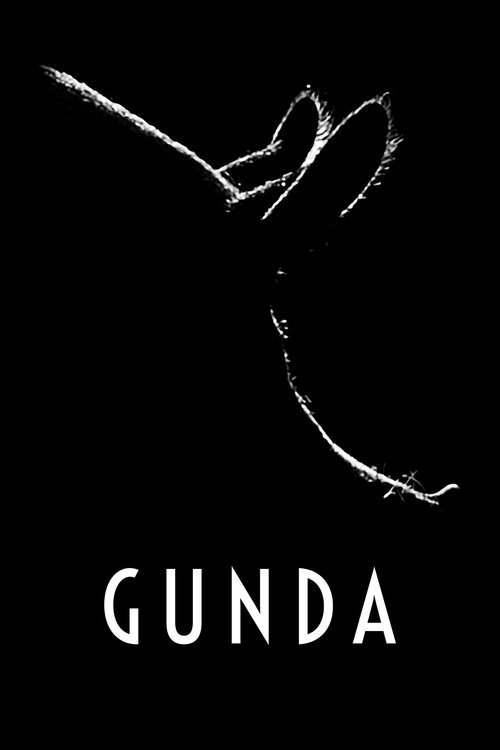
Gunda2021
Both refuse to let an animal's suffering or dignity be narrated, explained, or sentimentalised by humans — Gunda simply removes the humans from the frame entirely, taking Bresson's method to its logical extreme.
A wordless black-and-white documentary spending its runtime with a pig, her piglets, and a few chickens and cows — no narration, no humans centred at all. It's the purest extension of Bresson's idea: an animal's life taken seriously on its own terms.
But There's no story, no dialogue, and no human framing whatsoever — it demands total patience and offers zero narrative reward.
More like this (7)
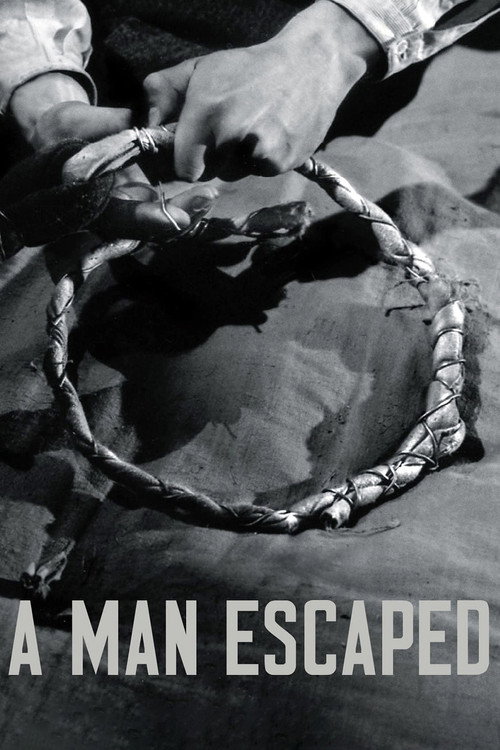
A Man Escaped1956
Another Bresson essential, about a prisoner's patient, methodical plan to escape — same interest in ritual, repetition, and grace arriving through discipline rather than drama.
But It's procedural almost to a fault; if you want emotional release, you won't get much.
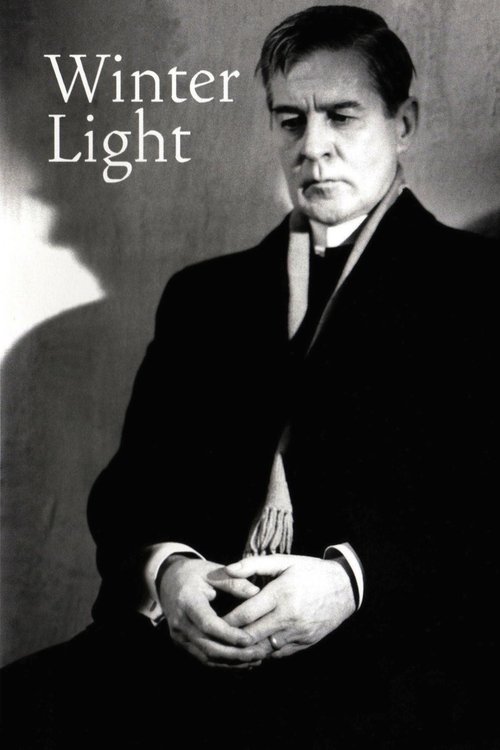
Winter Light1963
Bergman at his most austere, following a pastor whose faith has curdled into something hollow. The same wintry patience, the same refusal to let anyone off easy, spiritually or otherwise.
But Talky and theological where Balthazar is wordless — if you came for imagery over dialogue, this may frustrate.
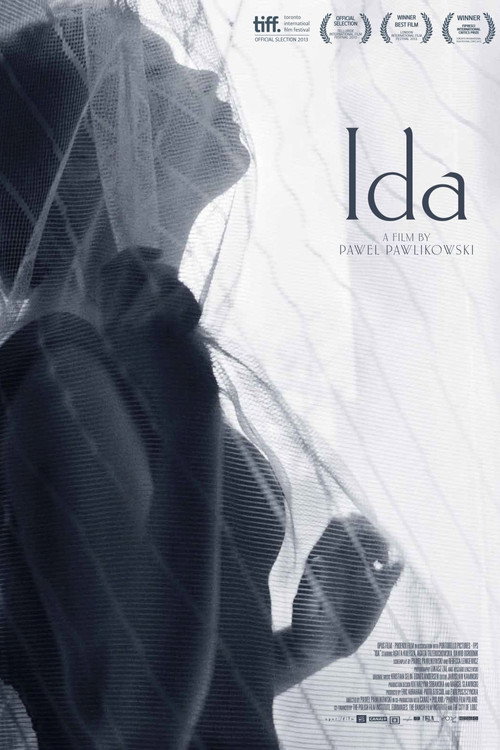
Ida2013
A postwar Polish nun discovers a buried family history, shot in the same crisp, composed black-and-white stillness. It shares Balthazar's patience and its trust that silence can carry more than speech.
But Its historical specifics (postwar Poland, the Holocaust) require some patience with context the film won't spell out.
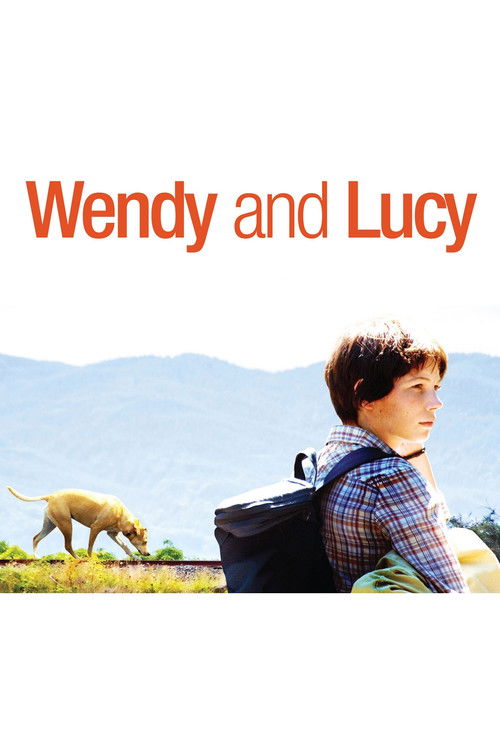
Wendy and Lucy2008
A woman and her dog on the edge of homelessness, told with the same unsentimental tenderness Bresson gave his donkey. Small, quiet, and devastating in its accumulation of small losses.
But Nothing much 'happens' by conventional standards — it's a mood and a slow ache, not a plot.
The Son2002no page yet
A carpenter takes on an apprentice who has wronged him terribly, and the film watches his face for any sign of what he intends. Same interest in grace as something earned through discipline and restraint.
But The camera's handheld intimacy is a world away from Bresson's stillness — a different kind of quiet, if you want the exact style.
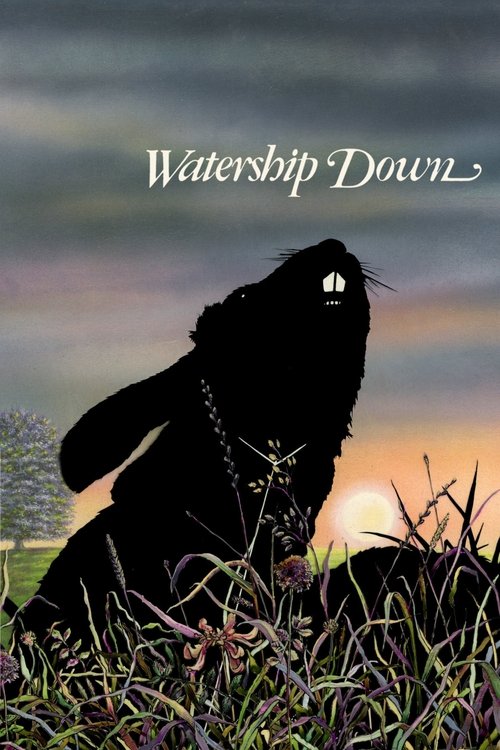
Watership Down1978
Same fable structure — innocent creatures buffeted by forces of cruelty and chance they cannot comprehend — but dressed in animation and a genre aimed at children, which makes the cruelty land even stranger.
A British animated film about rabbits fleeing the destruction of their warren, following the same fable logic as Balthazar: small creatures suffering for reasons beyond their understanding, made harder to bear by how gentle the animation looks.
But It's marketed as a kids' film but is shockingly violent and grim — a real tonal whiplash if you expect cartoon comfort.
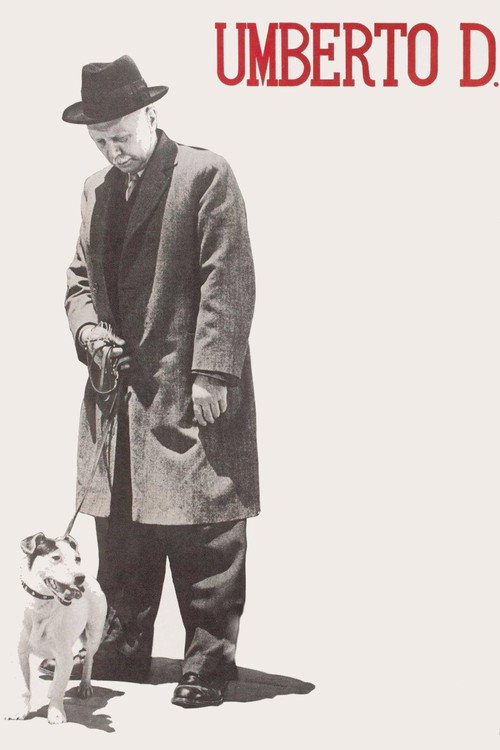
Umberto D.1952
Both use an animal bond to expose human indifference and cruelty toward the powerless — Umberto D. did it first, in a warmer, more overtly emotional register than Bresson would ever allow himself.
A decade before Bresson, De Sica told a nearly identical story of dignity under indifference: an old man and his dog, abandoned by a world too busy to notice their suffering. Same unsentimental tenderness, same trust that small gestures carry enormous weight.
But It's Italian neorealism at its most sorrowful — no stylistic austerity, just plain, aching, old-fashioned melodrama that some find manipulative.
People
Cast
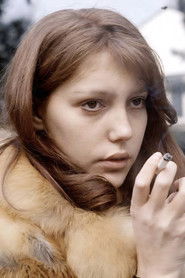 Anne WiazemskyMarie
- Walter GreenJacques
- François LafargeGérard
- Jean-Claude GuilbertArnold
- Philippe AsselinMarie's Father
- Pierre KlossowskiMerchant
- Nathalie JoyautMarie's Mother
- Marie-Claire FremontBaker's Wife
- Jean-Joël BarbierThe Priest
Directing
- Claude MillerAssistant Director
- Jacques KébadianAssistant Director
- Robert BressonDirector
Writing
- Robert BressonWriter
Production
- Mag BodardProducer
Recommended by
Sansho the Bailiff, War Horse, Diary of a Country Priest, Gunda