
Film
Pacifiction
Pacifiction is a languid, atmospheric thriller set in Tahiti that watches a French colonial official navigate murky political intrigue with the precision of someone playing chess underwater. Albert Serra's direction prizes mood and implication over plot clarity—long scenes of conversation and observation, layered with dread. It's for viewers who find suspense in what isn't said, who can sit with ambiguity, and who want to feel the weight of colonial power structures without melodrama.
Should you watch it?
Watch it if you relish slow-burn political unease, where menace hides behind polite conversation and atmosphere carries more weight than plot, and you don't mind drifting inside a mood.
Skip it if the pace is glacial across nearly three hours, so if long stretches of people talking and wandering would test your patience, it will.
What it asks of you: Settle into nearly three hours of unhurried scenes where dread builds quietly rather than in jolts, and give it full attention, as much of it lives in what goes unsaid.
Not sure? Find tonight's pick in a minute.
If you liked this
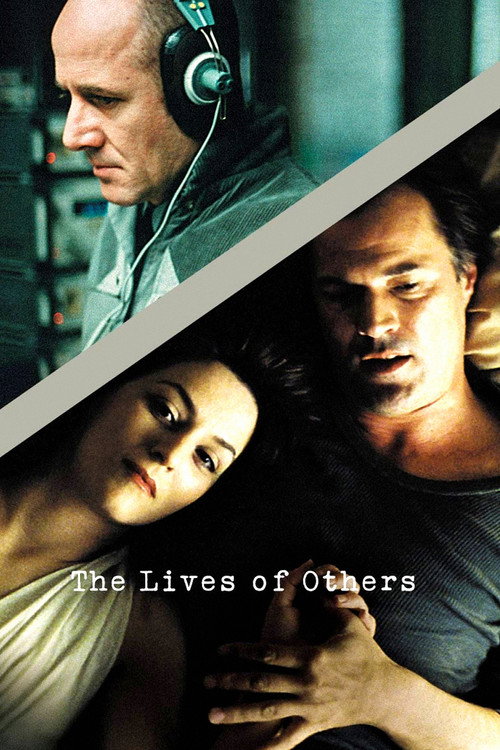
The Lives of Others2006
A masterclass in surveillance paranoia and moral corruption under authoritarian systems. Tense, intricate plotting with performances of devastating restraint. Essential study in how power operates through information and complicity.
But East German Cold War setting and slow-burn pacing will feel remote and demanding to viewers wanting immediate clarity or faster narrative momentum.
Stalker1979
Tarkovsky's meditative sci-fi classic about a guide leading visitors through a mysterious zone. Hypnotic pacing, philosophical depth, and extraordinary cinematography that lets atmosphere carry meaning. Unforgettable.
But Glacially slow, nearly three hours, virtually no plot. Requires complete surrender to mood. Will feel pretentious or boring to anyone expecting conventional drama.

A Prophet2009
Jacques Audiard's prison thriller about a young man's rise through institutional power structures. Brilliantly acted, economical storytelling, genuine tension. A modern masterpiece about survival and moral compromise in closed systems.
But Brutal violence, extended prison setting, and relentless grimness. Deeply uncomfortable viewing despite excellent craft. Not a film that makes you feel good.

Not sure tonight? Get a pick in a minute, starting from Pacifiction
The wildcard
Something you would not have found on your own.
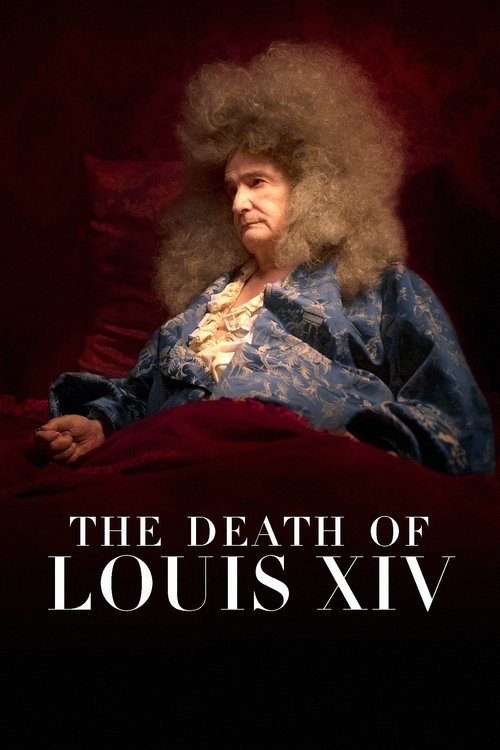
The Death of Louis XIV2016
Both films from Albert Serra exploring power dynamics through baroque formal strategies, ceremony as control, and the unknowability of other people's interiority.
Serra's own meditation on power, ceremony, and institutional control—two and a half hours watching a dying king navigate court protocol while mortality approaches. Formal, austere, deeply unsettling. A companion piece that reveals Serra's obsessions.
But A film about a man dying in bed for nearly three hours. No plot movement, minimal dialogue, maximum discomfort with mortality and bodily decay. Tests viewer patience radically.
More like this (8)
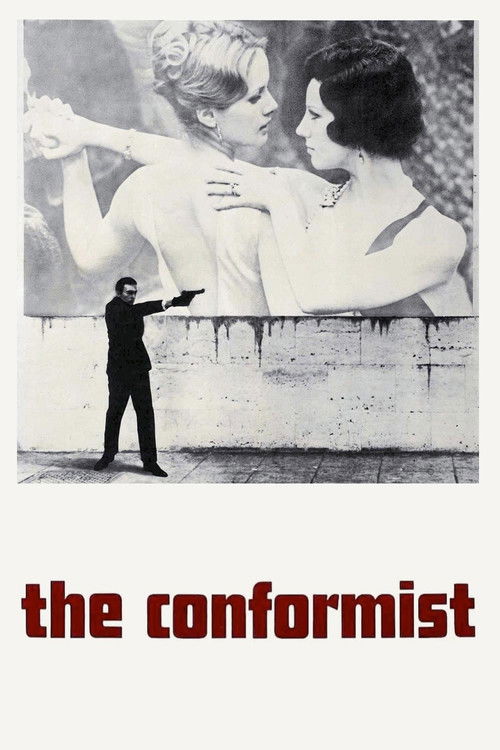
The Conformist1971
Bernardo Bertolucci's unsettling portrait of fascism, ambition, and moral paralysis. Visually sumptuous yet morally queasy. A character study in complicity with real political horror lurking beneath beautiful surfaces.
But 1970s art-house pacing tests patience. Plot matters less than psychological atmosphere. Requires active engagement; passive viewing leads nowhere.
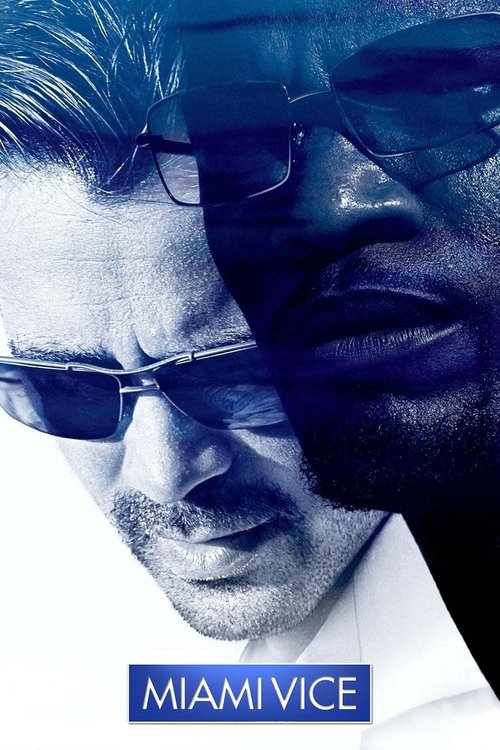
Miami Vice2006
Michael Mann's operatic crime film about undercover cops seduced by the criminal world they're infiltrating. Hypnotic visual style, moody electronic score, exploration of identity and moral erosion. Surprisingly intelligent.
But Deliberately obscure dialogue, minimal plot exposition, and deliberate visual obfuscation frustrate viewers wanting clarity. Prioritizes mood and texture over conventional storytelling.
The Girlfriend Experience2009
Soderbergh's precise study of a high-class escort navigating economics, power, and performance. Detached yet empathetic, formally inventive, deeply intelligent about capitalism and authenticity. Daria Werbowy is mesmerizing.
But Sex work as subject matter makes some uncomfortable. Deliberately non-naturalistic performances and dispassionate tone alienate viewers expecting warmth or conventional character development.

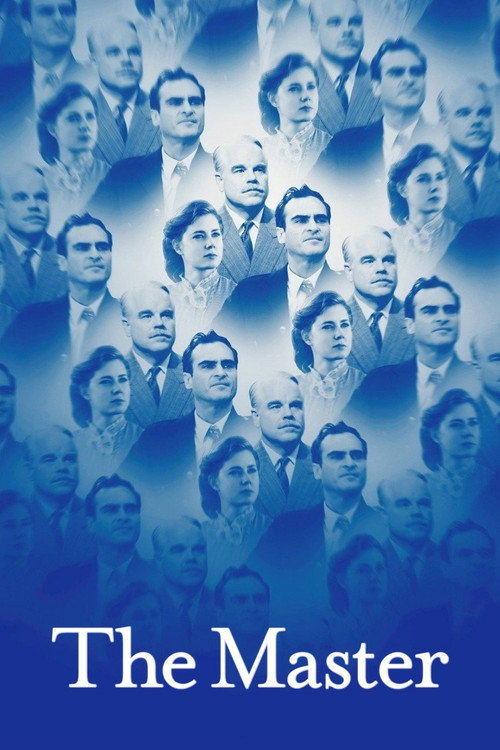
The Master2012
Paul Thomas Anderson's baroque, hypnotic exploration of charisma, manipulation, and the hunger for belonging. Joaquin Phoenix is volcanic; Philip Seymour Hoffman is magnetism incarnate. Visually and psychologically overwhelming.
But Three hours of character study with no conventional resolution or clear narrative throughline. Deliberately ambiguous about meaning. Taxing emotional experience that leaves you unsettled rather than satisfied.
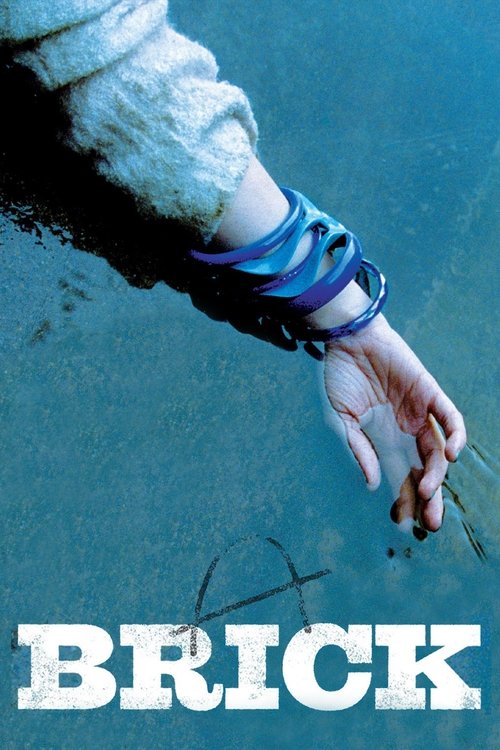
Brick2006
Rian Johnson's ingenious noir thriller set in high school. Snappy dialogue, labyrinthine plot, real menace beneath suburban surfaces. Proves genre constraints can enhance rather than limit storytelling.
But Affectations of noir style in contemporary setting can feel self-conscious. Convoluted plotting occasionally prioritizes cleverness over emotional stakes.
Under the Skin2014
Jonathan Glazel's hypnotic sci-fi nightmare with Scarlett Johansson. Sparse dialogue, unsettling imagery, soundscape as storytelling. Genuinely alien in its emotional register—cinema as pure mood and dread.
But Virtually no plot, dialogue, or conventional narrative. Seventy percent is slow car shots and observational scenes. Willfully obscure about meaning and intent. Many find it boring; some find it genius.

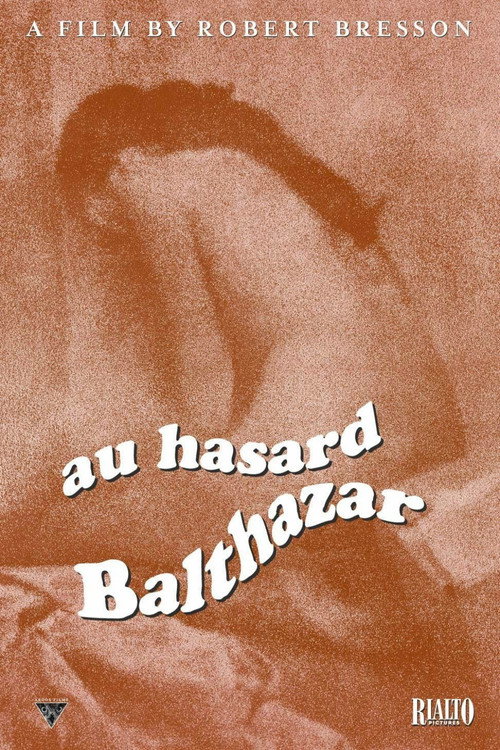
Au Hasard Balthazar1966
Both films observe colonial/power systems through detached eyes, refusing sentiment while depicting systematic dehumanization and complicity. Both use formal constraint to deepen moral inquiry.
Robert Bresson's masterpiece follows a donkey through rural France—deceptively simple premise that becomes profound meditation on suffering, grace, and systems of exploitation. Austere, compassionate, transcendent. One of cinema's summits.
But Minimalist Bresson style with non-professional actors creates emotional distance some find cold. Slowness and refusal of conventional catharsis exhaust viewers seeking conventional narrative satisfaction.
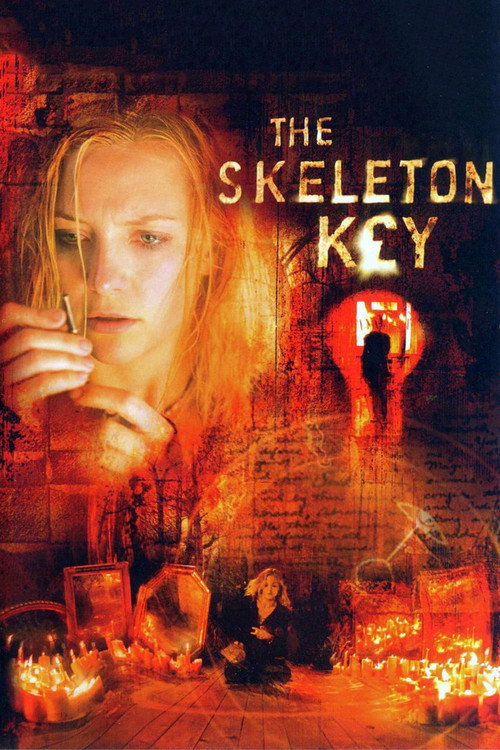
The Skeleton Key2005
Both films render political control and historical opacity through formal experimentation, privileging atmosphere and implication over exposition. Colonial/Cold War systems observed through visual poetry rather than narrative clarity.
Costa's Estonian-Portuguese experimental documentary about political surveillance under Soviet occupation. Archival footage, found sound, glacial pacing. Reconstructs atmosphere of living under observation without conventional documentary rhetoric. Hypnotic, disturbing, essential.
But Not a narrative film—it's structuralist cinema essay. No characters, dialogue, or conventional story. Seventy-five minutes of archival material and silence. Feels like endurance test to viewers expecting documentary storytelling.
People
Cast
 Benoît MagimelDe Roller
 Pahoa MahagafanauShannah
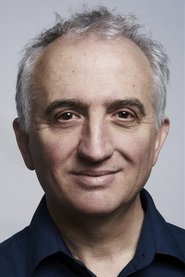 Marc SusiniL’amiral
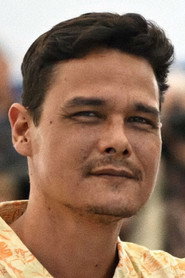 Matahi PambrunMatahi
 Sergi LópezMorton
 Montse TriolaFrancesca
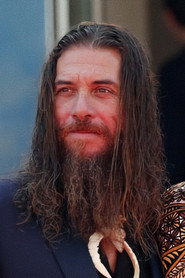 Michaël VautorLe capitaine
 Cécile GuilbertRomane Attia
 Lluís SerratLoïs
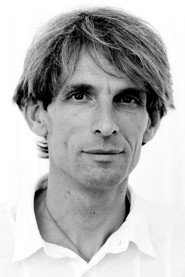 Mike LandscapeMr. Mike
- Cyrus AraiCyrus
- Mareva WongLa secrétaire
Directing
- Albert SerraDirector
Writing
- Albert SerraScreenplay
- Baptiste PinteauxScreenplay
- Albert SerraWriter
Production
- Olivier PèreCo-Producer
- Elisabeth PawlowskiExecutive Producer
- Laurent JacqueminExecutive Producer
- Montse TriolaExecutive Producer
- Albert SerraProducer
- Andrea SchütteProducer
- Dirk DeckerProducer
- Joaquim SapinhoProducer
- Laurent JacqueminProducer
- Marta Vieira AlvesProducer
- Montse TriolaProducer
- Pierre-Olivier BardetProducer