
Film
1945
A Hungarian town in 1945 receives two Jewish strangers carrying a trunk, and the encounter unearths buried guilt, greed, and moral reckoning among residents who lived through the war. Tense, psychologically precise, and deeply discomfiting—a film about complicity that trusts the audience to sit with dread.
If you liked this
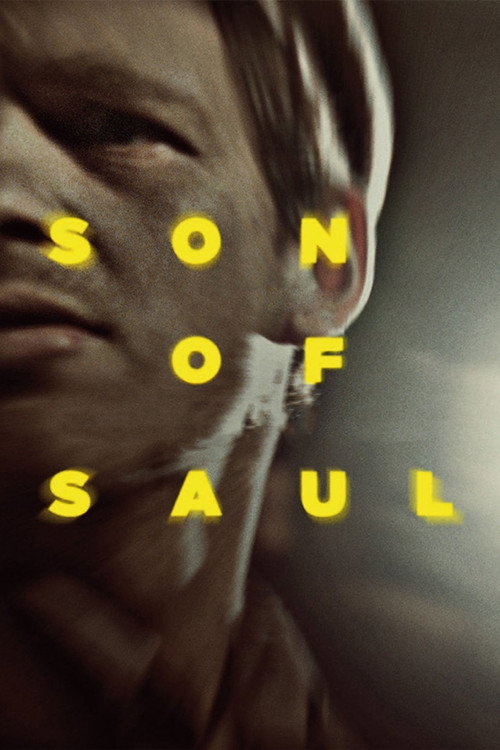
Son of Saul2015
A Hungarian film of devastating formal beauty about a Sonderkommando at Auschwitz. Shares 1945's unflinching approach to moral horror and its refusal to provide catharsis or easy answers about survival and guilt.
But The subject matter is almost unbearably dark, and the technical conceit—a narrow depth of field—may feel distancing rather than immersive.
The Seventh Seal1957
Bergman's medieval allegory about Death visiting a small community mirrors 1945's structure: a catalyst arrives, and a town must confront who it really is beneath the surface. Both are chamber pieces about reckoning.
But It's symbolic and philosophical rather than plot-driven. The pacing is deliberately slow, which some find contemplative and others find glacial.

Under the Skin2014
An alien moves through Scotland observing human behaviour with minimal explanation. Like 1945, it uses an outsider's presence to defamiliarise a community and expose its cruelties. Deeply unsettling and hypnotic.
But There's almost no dialogue, plot is minimal, and the film is deliberately obscure about its meaning. You have to surrender to ambiguity.

Not sure tonight? Get a pick in a minute, starting from 1945
The wildcard
Something you would not have found on your own.
The Turin Horse2011
Both are Hungarian films about moral collapse in claustrophobic spaces. Tarr and director Ferenc Török share a sensibility: history and guilt are inescapable, and small communities can become moral wastelands.
Béla Tarr's final film: a philosopher and his servant descend into apocalypse over a few days. A metafiction about the end of cinema and history. Like 1945, it's about a community (however small) collapsing into its worst self when the world stops making sense.
But It's 146 minutes of black-and-white despair with almost no plot. Even admirers struggle with it. Many will find it punishing rather than illuminating.

More like this (8)
The Wailing2016
A Korean mystery-thriller where a village's moral fabric tears when a stranger appears and evil spreads in ways no one can quite pin down. The same architecture as 1945: paranoia, blame, and spiritual sickness.
But It's genuinely confusing and resists interpretation. The tone shifts wildly and the ending will either haunt or frustrate you.

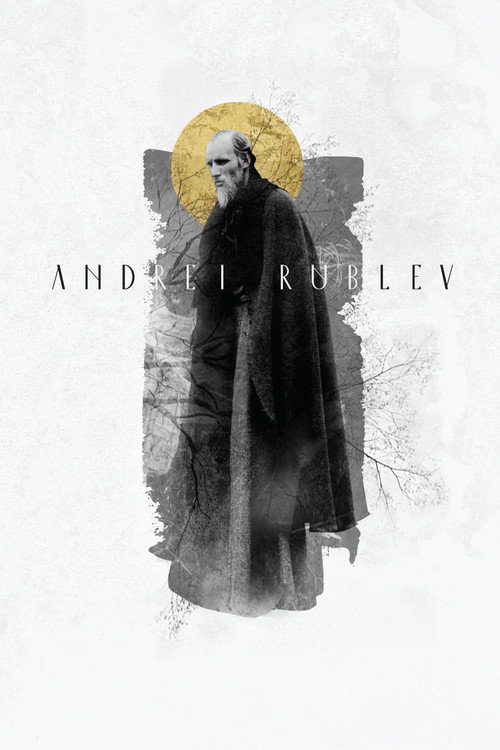
Andrei Rublev1966
Tarkovsky's epic about a Russian icon painter during invasion and violence. Both films measure moral courage in historical darkness. Shares a gravity and refusal to sentimentalise suffering.
But Nearly three hours, black-and-white, intensely slow. Requires patience and emotional presence in ways modern cinema rarely demands.
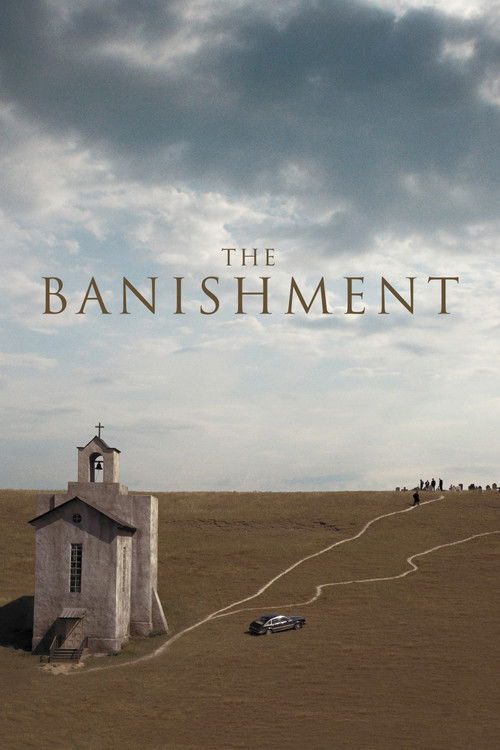
The Banishment2008
A Russian family's secrets explode after a stranger's arrival. Like 1945, it's a chamber drama where suspicion and guilt metastasize through claustrophobic spaces. Quietly devastating.
But Character motivation is oblique and the narrative doesn't resolve in satisfying ways. Some will find it pretentious; others will find it honest.
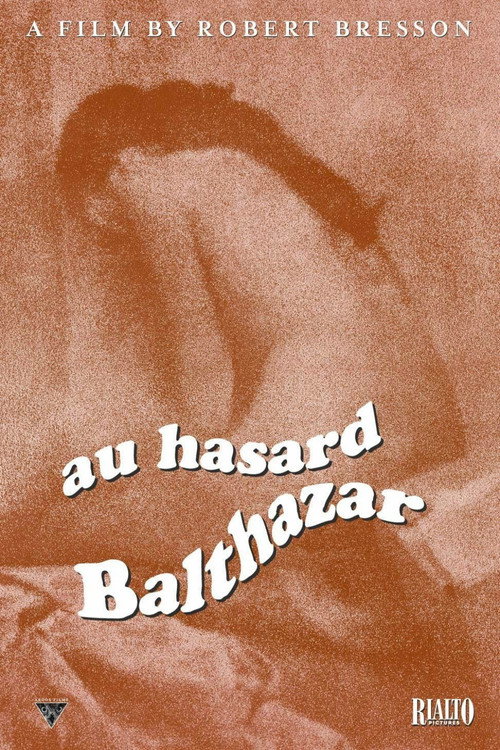
Au Hasard Balthazar1966
Bresson's film about a donkey witnessing human cruelty and redemption. Both films observe how ordinary people become monstrous. Shares a moral clarity and resistance to melodrama.
But It's austere, sparse, and deeply sad. Bresson's style feels like penance; it's not easy or comforting to watch.
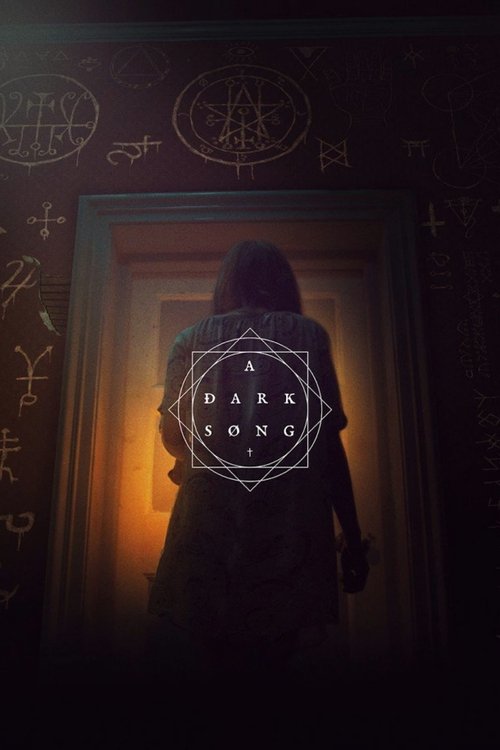
A Dark Song2016
An occultist and a widow pursue a ritual in isolation, their moral debts accumulating. Like 1945, it's about guilt made manifest and the possibility of grace. Stranger and stranger, but earned.
But The plot is thin and heavily metaphorical. Some will read it as spiritual; others as pretentious filler around two characters' private grievance.
Winter Light1963
Bergman's bleak meditation on a pastor's crisis of faith as a community crumbles around him. Similar moral landscape: individuals tested, God distant, no easy answers, only the weight of conscience.
But It's bleak, short, and offers no consolation. Bergman at his most austere—not for viewers seeking warmth or hope.

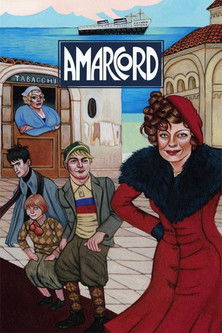
Amarcord1973
Both examine small-town complicity and the masks people wear during historical horror. One is forensic and cold; the other is nostalgic and ornate. Opposite registers, same moral question.
Fellini's memory-film about a provincial Italian town under Fascism. Where 1945 is tense and dark, this is baroque and tragicomic—but both dissect how ordinary people accommodate evil and hide behind performance.
But The narrative is episodic and dreamlike rather than plot-driven. Fellini's style is maximalist where 1945 is minimal—some find it beautiful, others exhausting.
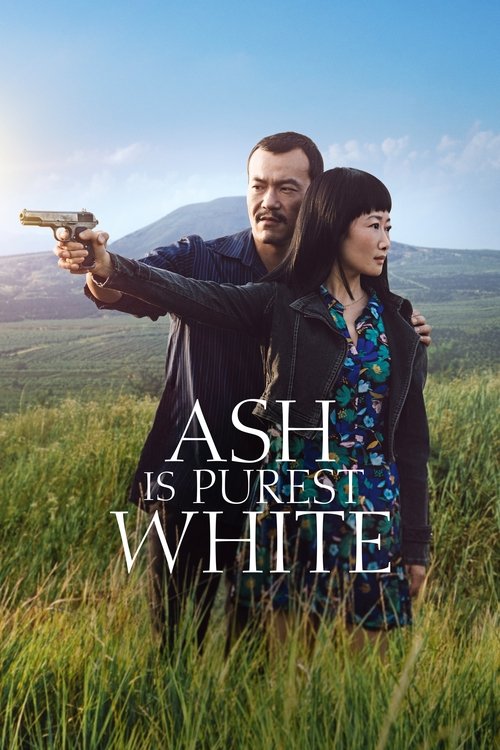
Ash Is Purest White2018
Both explore how individuals are trapped by history and circumstance. Where 1945 is a single day of reckoning, this is a lifetime. Both insist that guilt and complicity can't be escaped—only endured.
Zhangke Jia's Chinese epic about loyalty, corruption, and survival across decades. It shares 1945's interest in how morality fractures under pressure and how the past haunts the present. Epic in scope but intimate in its reckoning.
But It's long (three hours), episodic, and requires patience with ambiguity. Modern China's complexity won't click for everyone, and the pacing is deliberate to the point of testing.
People
Cast
 Péter RudolfIstván Szentes (Town Clerk)
 Bence TasnádiÁrpád Szentes
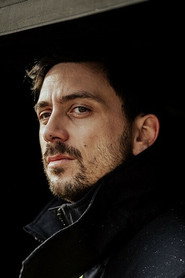 Tamás Szabó KimmelJancsi
 Dóra SztarenkiKisrózsi
 Ági SzirtesMrs. Kustár
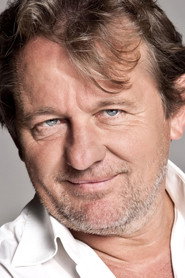 József SzarvasMr. Kustár
 Eszter Nagy-KálózyAnna Szentes
- Iván AngeluszHermann Sámuel
 Marcell NagySon of Hermann Sámuel
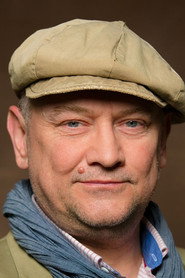 István ZnamenákStation Master
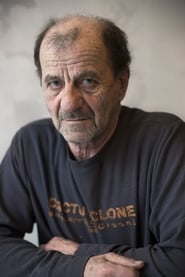
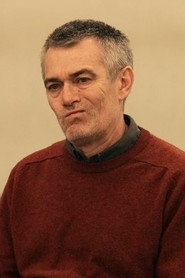 Sándor TerhesIharos Pál
Directing
- Ferenc TörökDirector
Writing
- Ferenc TörökWriter
- Gábor T. SzántóWriter