
Film
The Children Are Watching Us
Vittorio De Sica's devastating 1943 portrait of a bourgeois family collapse, seen through a child's incomprehending eyes. Shot with stark clarity during wartime Rome, it's a quiet film about loud pain—how adult infidelity and selfishness wreck a boy's world. Essential viewing for anyone who wants to understand how Italian neorealism began.
Should you watch it?
Watch it if you love quiet, observant drama where a child's view of grown-up mistakes carries more weight than any big set piece, and you're happy staying in ordinary rooms with ordinary failures.
Skip it if you want brisk pacing or a lively plot, since this is slow, sober and unsparing about its subject, and its emotional weight will feel heavy rather than uplifting.
What it asks of you: Roughly an hour and a half of patient attention, with long stretches of watching faces and small domestic moments rather than sharp turns.
Not sure? Find tonight's pick in a minute.
If you liked this
Bicycle Thieves1948
De Sica and Zavattini's masterpiece, and the spiritual continuation of this film's project. A father and son searching Rome for a stolen bicycle becomes a meditation on dignity, desperation, and how systems fail ordinary people.
But It's patient cinema. If you need plot momentum or quick resolutions, the deliberate pacing will feel slow.

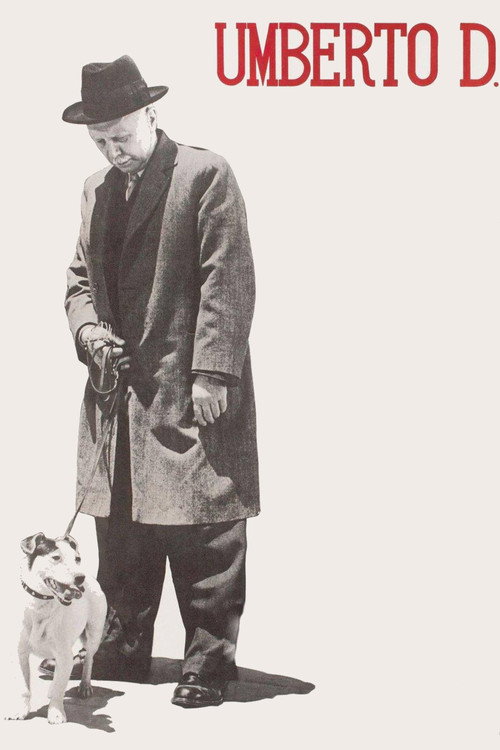
Umberto D.1952
De Sica's final neorealist collaboration with Zavattini, tracking an elderly pensioner's quiet humiliation. It has the same moral clarity as Children but turns the focus to age and invisibility. Absolutely wrenching without being sentimental.
But The ending is bleak in a way that some viewers find unbearable rather than cathartic.
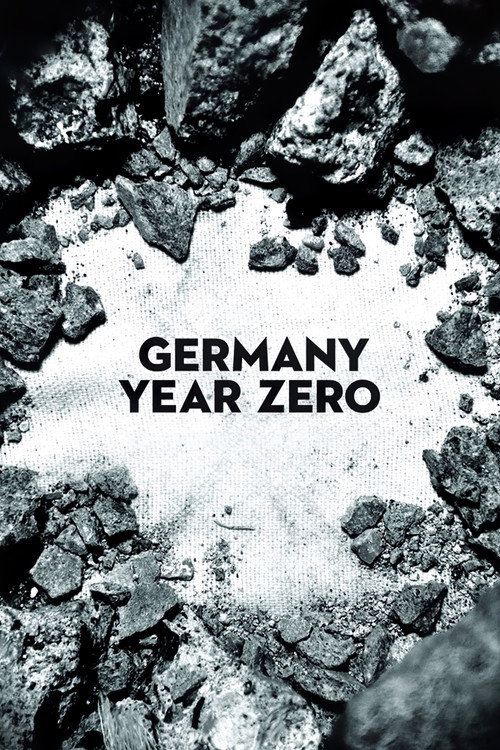
Germany, Year Zero1948
Rossellini's companion piece to neorealism: a boy adrift in post-war Berlin, morally corrupted by the wreckage around him. Like Children, it's about how adults' catastrophes become children's fates. Raw and unflinching.
But It's grim and offers no comfort. The subject matter—Nazi legacy, child exploitation—is genuinely difficult.
Not sure tonight? Get a pick in a minute, starting from The Children Are Watching Us
The wildcard
Something you would not have found on your own.
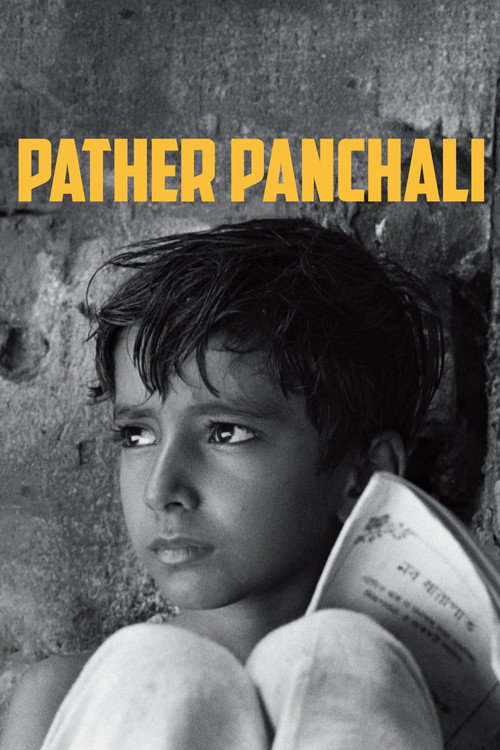
Pather Panchali1955
Both films locate moral truth in a child's wordless observation of family dissolution, using neorealist restraint to avoid sentimentality.
Satyajit Ray's Bengali masterpiece about rural poverty and family breakdown. Like De Sica, it finds overwhelming humanity in material deprivation—a child watching her mother's despair, a father's powerlessness. The connection is deeper than surface: both are about how childhood witnesses adult failure.
But It requires patience with long takes and the absence of Western narrative scaffolding. The pacing is meditative; some find it glacial.
More like this (8)
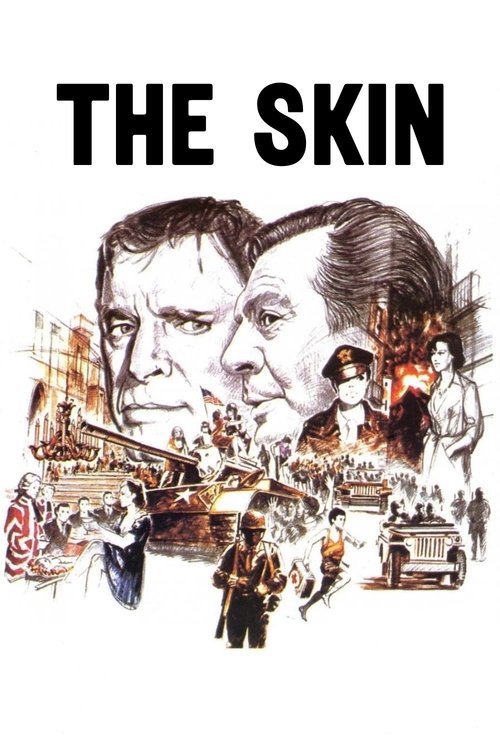
The Skin1981
Visconti's sweeping drama of Naples during WWII occupation, tracking how war destroys families and innocence. Operatic but grounded, with the same focus on how children absorb adult moral failure.
But It's long, formally complex, and requires engagement with fascism and sexual violence as historical realities.
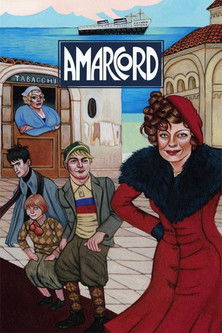
Amarcord1973
Fellini's memory-film of fascist Italy seen through adolescent eyes. Where De Sica is austere, Fellini is baroque, but both understand how children internalize the chaos of their era.
But It's episodic and dream-logic rather than narrative. Some find it indulgent; others find that the point.
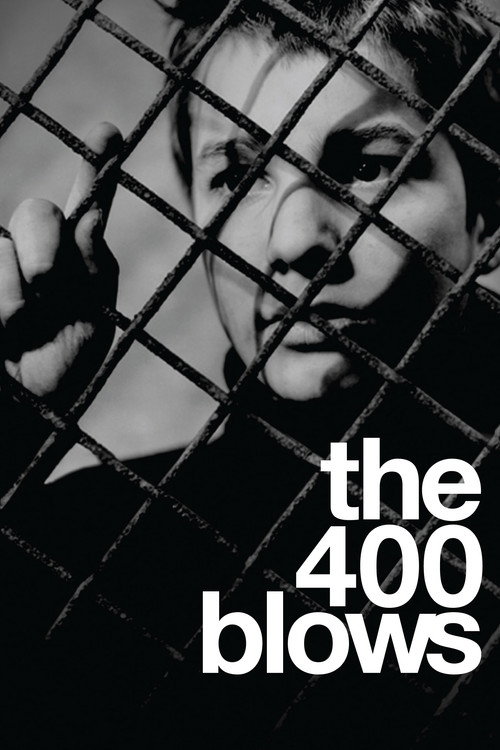
The 400 Blows1959
Truffaut's portrait of a neglected Parisian boy whose parents' indifference sends him spiraling. The spiritual heir to De Sica—intimate, compassionate, and unforgettable about childhood as a kind of exile.
But The boy's behavior can read as bratty rather than symptomatic if you're not attuned to watching for pain beneath surface actions.
Come and See1985
Klimov's apocalyptic vision of a boy's initiation into war in Soviet Belarus. More visceral and horrifying than De Sica, but operating from the same principle: children's perspective as moral mirror to adult barbarism.
But This is one of the most punishing films ever made. It's intentionally traumatic and demands emotional stamina.

The Seventh Seal1957
Bergman's medieval plague film features a child character whose innocence contrasts sharply with adult corruption and mortality. Less about family than De Sica, more about existential dread, but the same moral geometry.
But It's philosophical and slow-moving. If you want plot over meditation, this will feel like homework.

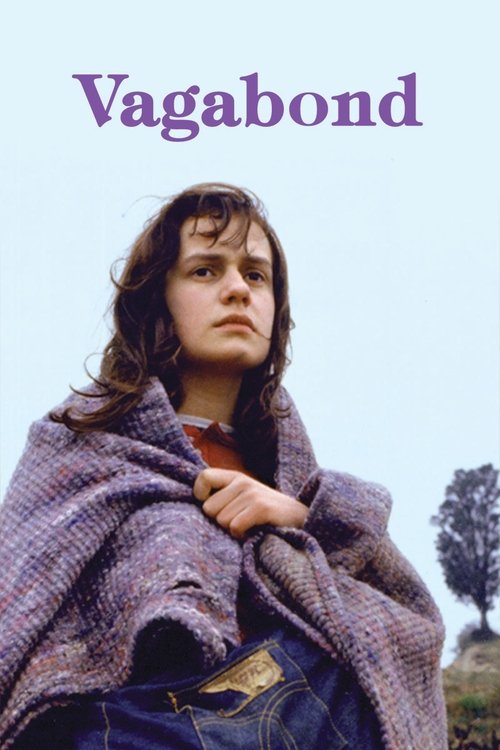
Vagabond1985
Agnès Varda's portrait of a drifting young woman intersects with De Sica's interest in how society discards its vulnerable. It's neorealist in sensibility if not era—harsh, unsentimental, accusatory toward indifference.
But The protagonist is difficult and self-destructive. Some viewers mistake the film's refusal to judge her as endorsement rather than observation.
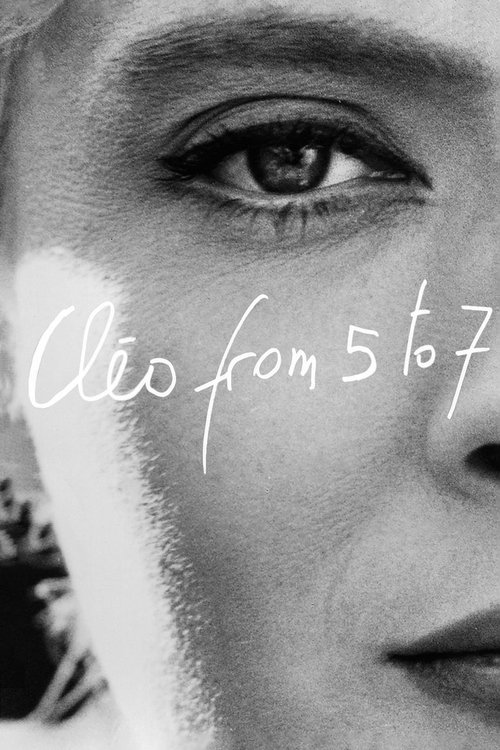
Cléo from 5 to 71962
Both use duration and visual constraint to make emotional devastation palpable without melodrama; both trust the viewer to read feeling in silence.
Agnès Varda's real-time film about a woman's afternoon of anxiety is structurally and tonally opposite to Children—urban, modernist, a woman's interior life rather than a child's exterior witnessing. But both are about time as a form of torture, and how small moments contain catastrophe.
But Nothing happens. It's ninety minutes of a woman walking Paris in dread. The minimalism can feel precious rather than profound.
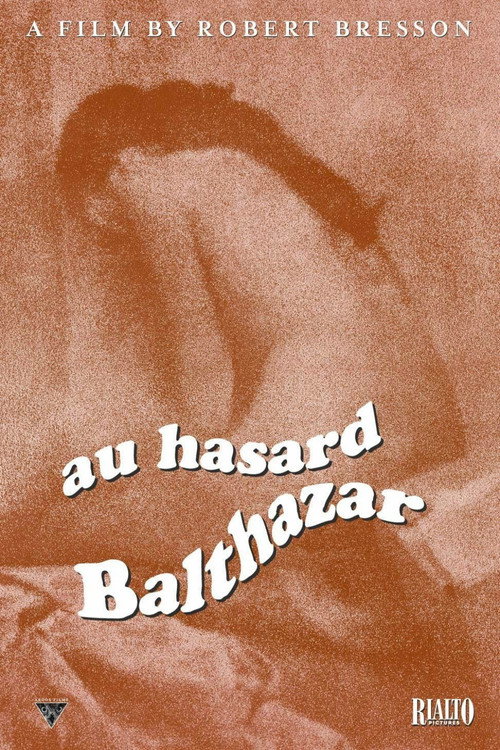
Au Hasard Balthazar1966
Both use an innocent eye—unable to judge or understand—to expose the moral bankruptcy of the adults around them; both refuse to edit suffering for viewer comfort.
Bresson's film follows a donkey through a rural community across decades—no dialogue, no psychology, pure observation. It sounds nothing like De Sica, but both films use witnessing (a donkey's, a child's) as a form of moral indictment. The world's cruelty becomes visible when you remove human interpretation.
But It's austere to the point of alienation. Some viewers find it inhumane. You're watching a donkey suffer, and Bresson will not comfort you.
People
Cast
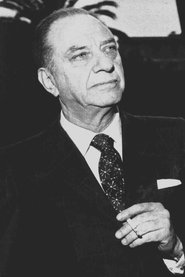 Emilio CigoliAndrea
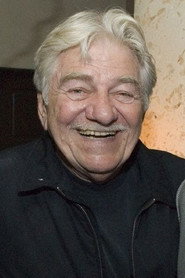 Luciano De AmbrosisPricò
 Isa PolaNina
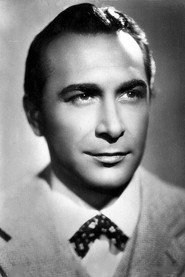 Adriano RimoldiRoberto
- Giovanna CigoliAgnese
- Jone FrigerioLa nonna
- Maria GardenaSig.ra Uberti
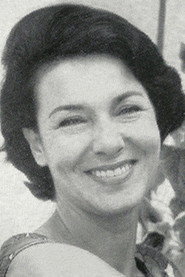 Dina PerbelliniZia Berelli
- Nicoletta ParodiGiuliana
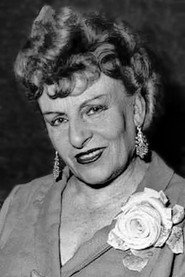 Tecla ScaranoSig.ra Resta
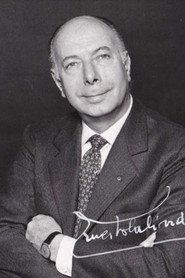 Ernesto CalindriClaudio
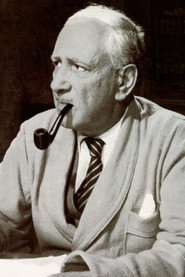 Olinto CristinaIl rettore
Directing
- Lidia C. RipandelliAssistant Director
- Luisa AlessandriAssistant Director
- Paolo MoffaAssistant Director
- Vittorio De SicaDirector
Writing
- Cesare Giulio ViolaNovel
- Adolfo FranciScreenplay
- Cesare Giulio ViolaScreenplay
- Cesare ZavattiniScreenplay
- Gherardo GherardiScreenplay
- Margherita MaglioneScreenplay
- Vittorio De SicaScreenplay
Production
- Franco MagliProduction Manager
- Ermete TamberlaniProduction Supervisor