
Film
A Question of Adultery
A 1958 British drama wrestling with artificial insemination as a legal and moral question. A marriage fractures when a sterile husband cannot accept his wife's pregnancy through clinical intervention, leading to a divorce trial that interrogates what adultery means. Thoughtful, occasionally awkward, aimed at adult audiences willing to sit with genuine ethical confusion.
If you liked this
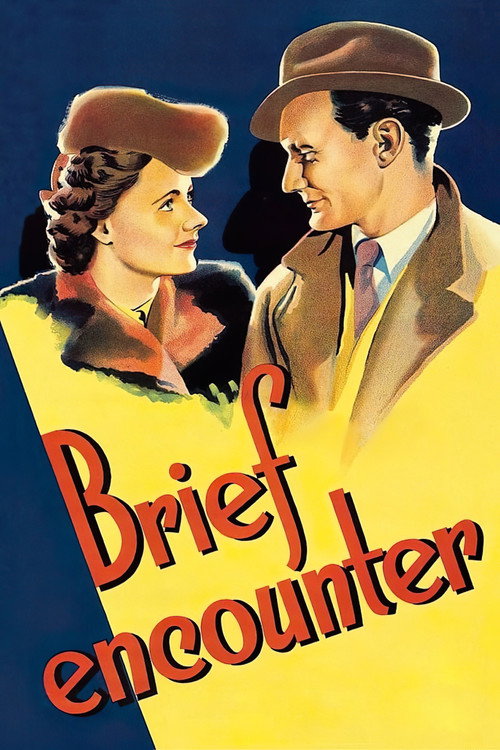
Brief Encounter1945
Coward's portrait of restraint, duty, and the small betrayals of desire. Like Adultery, it treats marriage as a moral arena where passion and obligation collide, but with greater subtlety and Lean's visual mastery.
But The pacing is deliberate—some find it glacial. The emotional restraint, however moving, can feel distant.
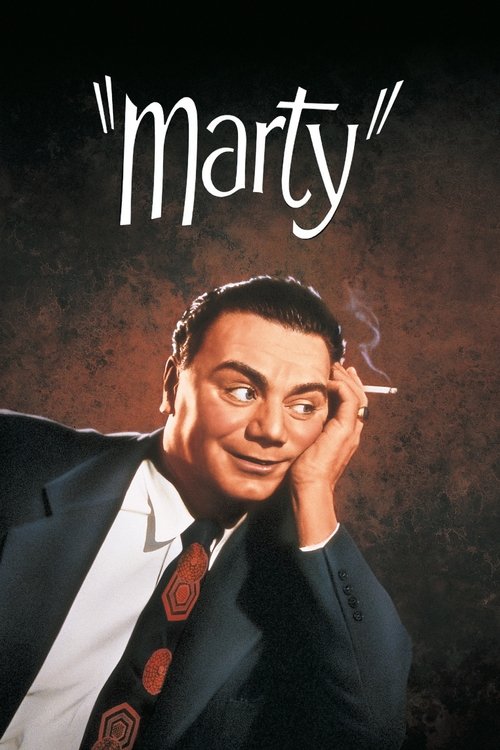
Marty1955
Post-war realism about ordinary people navigating love, family pressure, and self-doubt. It has the same earnest examination of marriage and belonging, but with more warmth and less courtroom drama.
But The romance is unglamorous and the stakes feel small. If you want passion or spectacle, this isn't it.
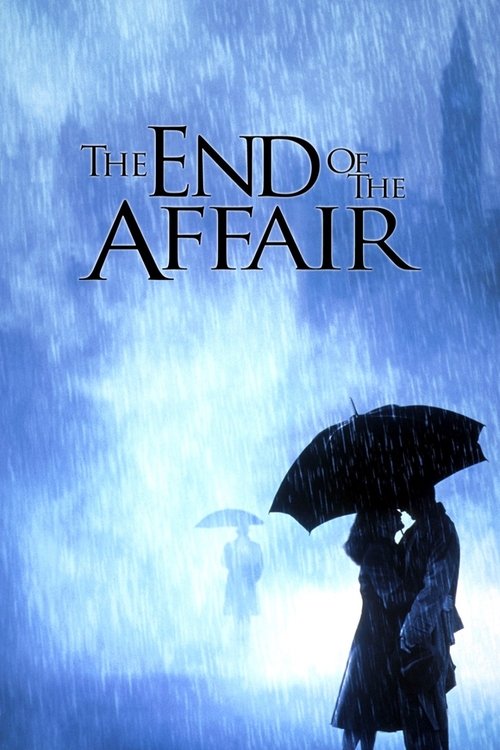
The End of the Affair1999
Greene's novel of faith, infidelity, and obsession, adapted with genuine intelligence. It shares the moral complexity and the British reserve, but deepens into something more spiritually turbulent.
But The nonlinear structure can be confusing. The religious dimensions may feel overwrought if you're not receptive to them.
Not sure tonight? Get a pick in a minute, starting from A Question of Adultery
The wildcard
Something you would not have found on your own.
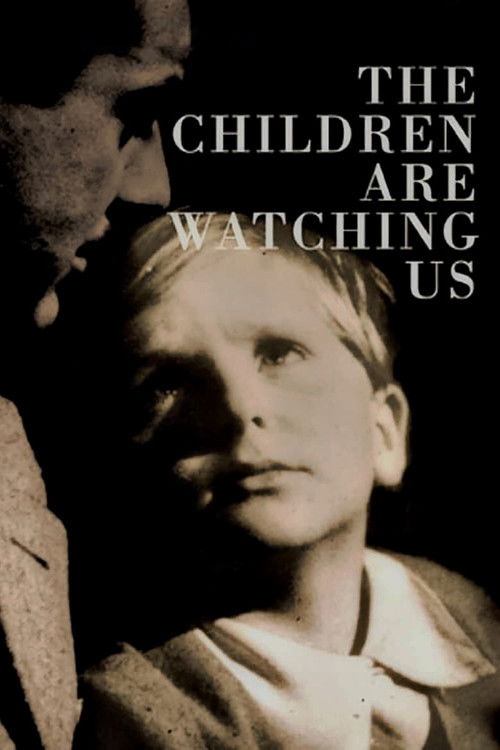
The Children Are Watching Us1943
Both films make a child—real or desired—the battleground where adult morality is tested. Both ask whether biology or intention defines kinship and obligation.
Italian neorealism about a marriage dissolving—with a child caught between warring parents. Same moral anatomy, same courtroom DNA, but Italian severity and the aftermath of fascism give it a different weight.
But The emotional register is relentless and sometimes exploitative. The child's suffering is the point, which makes it difficult to watch.
More like this (7)
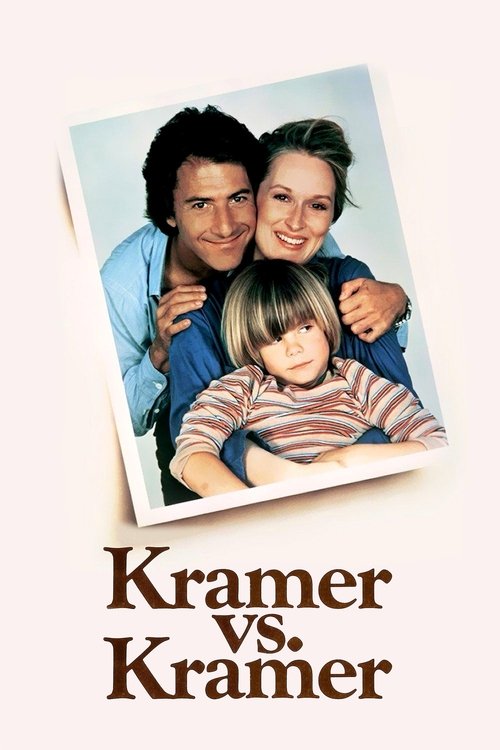
Kramer vs. Kramer1979
A divorce trial becomes the framework for examining what marriage and parenthood mean. More emotionally direct than Adultery, but with the same legal-and-personal architecture.
But The gender politics have aged unevenly. It can feel sentimental about fatherhood in ways that undercut its own insights.
Kes1970
Working-class Britain with real texture and dignity. Not about marriage, but the same era's commitment to showing ordinary lives without condescension or false uplift.
But Bleak and slow. The ending is devastating in a way that offers no comfort.

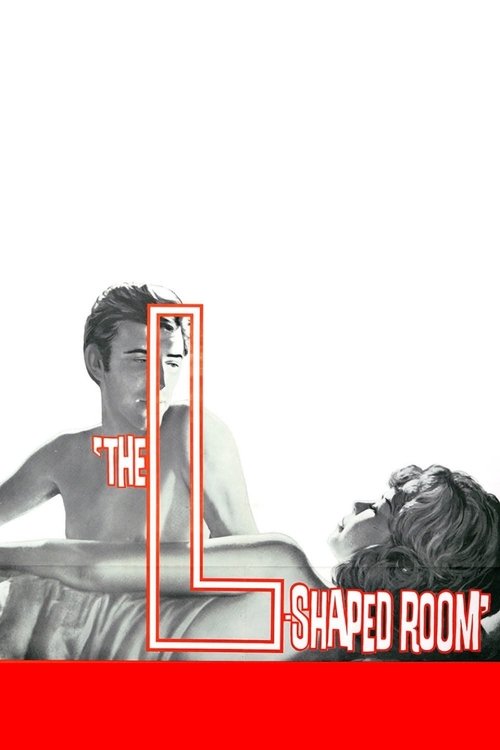
The L-Shaped Room1962
British New Wave about an unwed pregnant woman navigating London lodgings and social judgment. Similar moral seriousness about reproduction, sexuality, and what society permits.
But The film is gentler than its subject deserves. Some scenes feel dated in their handling of women's experience.
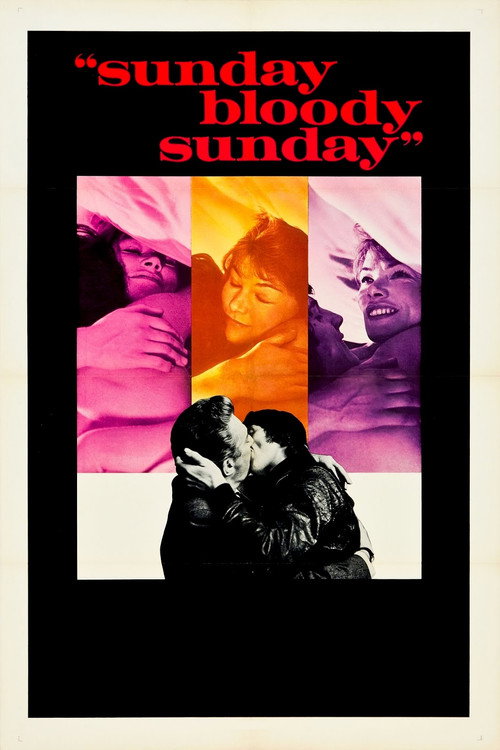
Sunday Bloody Sunday1971
Schlesinger's unflinching look at desire, commitment, and the impossibility of having it all. Mature, unsentimental, genuinely about the life people actually live.
But The emotional coldness extends to the viewer. You won't leave feeling uplifted or resolved.
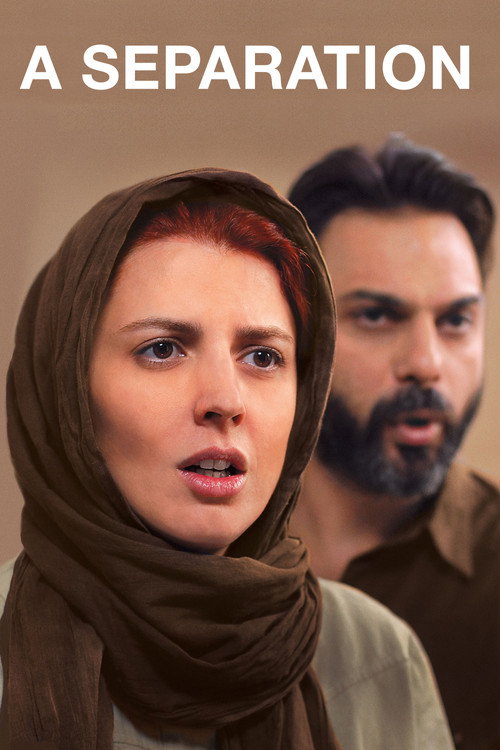
A Separation2011
An Iranian divorce proceeding that interrogates duty, honesty, and what we owe each other. The courtroom becomes a space where competing truths collide—the same engine as Adultery, but with contemporary rigor.
But Subtitled, and deliberately paced. The moral ambiguity frustrates viewers seeking a clear villain.
Under the Skin2014
Jarring, hypnotic, almost willfully difficult. Proof that British cinema can still unsettle and confound. A completely different film, but the same willingness to make audiences uncomfortable.
But Cryptic and alienating. If you're watching for plot or character development, you'll be baffled and bored.

Hiroshima Mon Amour1959
Both grapple with infidelity as a symptom of deeper loneliness and the failure of marriage to contain human need. But where Adultery treats it as a legal puzzle, Hiroshima sees it as metaphysical—the unbridgeable distance between two people.
Resnais and Duras on memory, infidelity, and the impossibility of true intimacy. A French affair filmed with radical formalism—memory and desire made visible in the editing itself. Intoxicating and strange.
But The structure is fractured and dreamlike. The dialogue is philosophical and sometimes opaque. If you need narrative clarity, avoid this.
People
Cast
 Julie LondonMary Loring
 Anthony SteelMark Loring
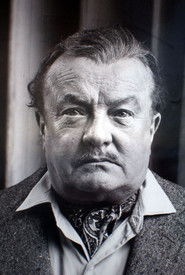 Basil SydneySir John Loring
 Donald HoustonMr. Jacobus
 Anton DiffringCarl Dieter
 Andrew CruickshankDr. Cameron
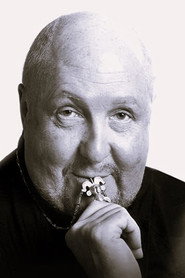 Frank ThringMr. Stanley
 Conrad PhillipsMario
 Kynaston ReevesJudge
- Arthur GomezSpanish Doctor
 Georgina CooksonMrs. Duncan
 Richard CaldicotMr. Duncan
Directing
- Kim MillsAssistant Director
- Jane BuckContinuity
- Don ChaffeyDirector
Writing
- Anne EdwardsWriter
- Denis FreemanWriter
Production
- Raymond StrossProducer
- Victor LyndonProducer
- Clifton BrandonProduction Manager