
Film
Don Giovanni
Other titles called Don Giovanni: the 1987 film, the 1990 film, the 2000 film, the 2002 film.
Joseph Losey's film of Mozart's opera is a sweeping, visually ravishing production that treats the libertine myth with complete seriousness. Nearly three hours of music and drama, filmed in sun-bleached Italian locations. For anyone who loves opera, classical music, or cinema that moves at the speed of art rather than plot.
Should you watch it?
Watch it if you love opera filmed as a stylised, sensual period drama, where the music carries the moral weight and you don't mind sitting with long recitatives and grand ensembles.
Skip it if you want a brisk, plot-driven film; at nearly three hours with the singing doing most of the talking, the pace stays deliberate and will test patience.
What it asks of you: Close to three hours of mostly sung drama, with long unbroken stretches of music and dense ensemble scenes, needing full attention rather than playing in the background.
Not sure? Find tonight's pick in a minute.
If you liked this
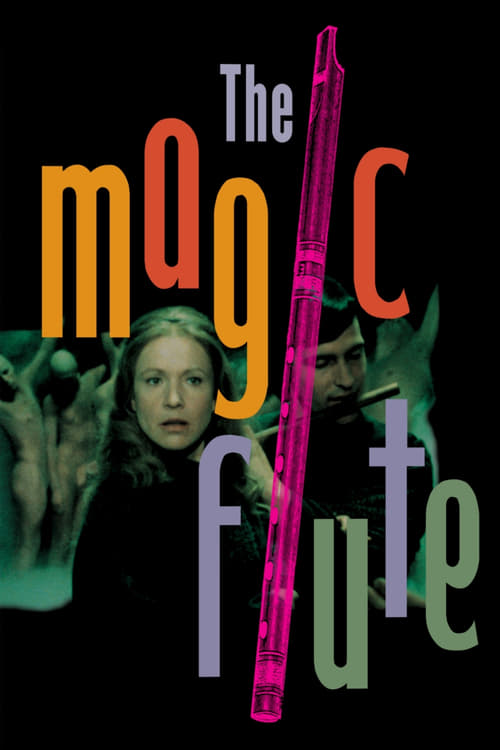
The Magic Flute1975
Ingmar Bergman's film of Mozart's other masterpiece is luminous, intimate, and strange—a complete vision of the opera, not a stage recording. Pure theatrical magic translated into cinema.
But It's seventy years away from modern sensibilities, and the humour lands differently now. Bergman's deliberate pacing asks patience.
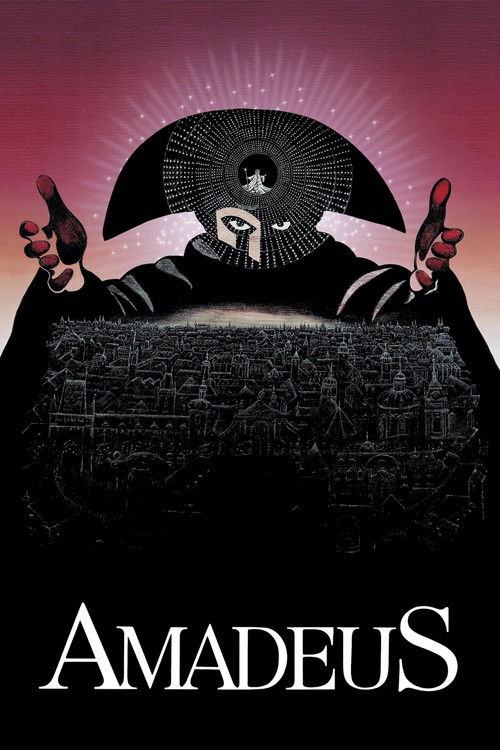
Amadeus1984
Milos Forman's Mozart biography is a thundering, jealousy-soaked drama that makes classical music matter in human terms. It moves like a thriller and sounds like heaven.
But It rewrites history and the rivalry with Salieri is largely invented. If operatic accuracy matters to you, this will rankle.
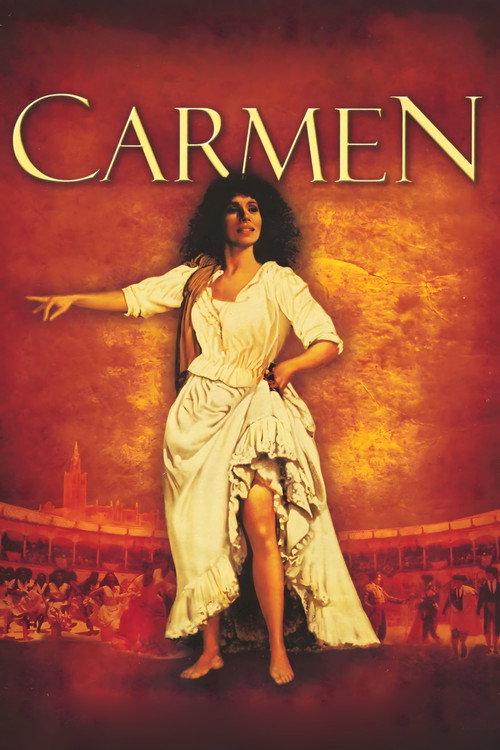
Carmen1984
Francesco Rosi films Bizet's opera with the same seriousness Losey brought to Don Giovanni—real locations, real stakes. Immaculate performances from a world-class cast.
But It's operatic in every way, which means the pacing is stately. If you need plot momentum, the music moves slower than you expect.
Not sure tonight? Get a pick in a minute, starting from Don Giovanni
The wildcard
Something you would not have found on your own.
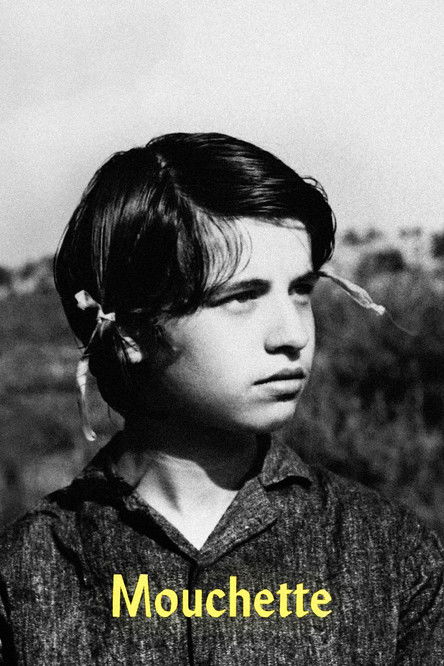
Mouchette1967
Both films elevate their stories to the level of myth through formal rigor and refusal to sentimentalize. Both are about transgression and consequence, filmed with complete gravity.
Robert Bresson's film of rural despair and cruelty shares Losey's use of landscape as moral space, and its formal severity. Bresson treats his subject with the gravity of operatic tragedy, but without a single note of music.
But It is almost unbearably bleak and offers no consolation. The style is austere and the violence is real, not theatrical.
More like this (6)
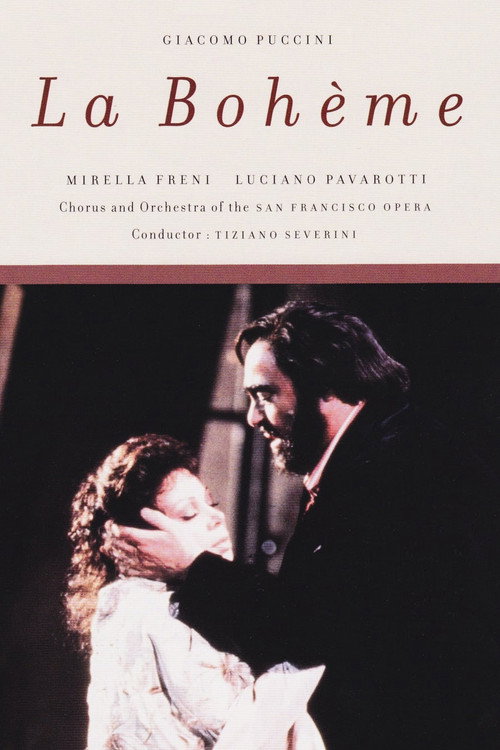
La Boheme1988
Puccini's tearjerker filmed by Luigi Comencini with a superb ensemble cast. The music is irresistible and the emotional content is earned, not manipulated.
But The plot is thin and sentimental—young lovers, poverty, inevitable tragedy. It relies entirely on the music to carry you.
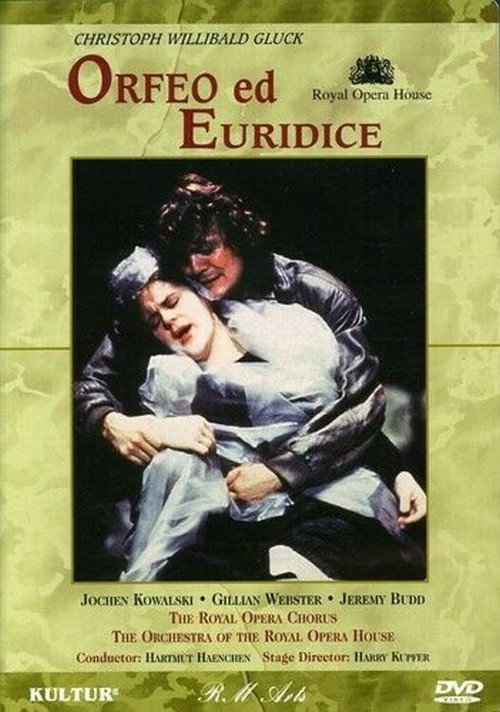
Orfeo Ed Euridice1991
Claudio Monteverdi's baroque masterpiece, directed by Hal Prince with stark, clean staging. The music is foundational and the human tragedy is stripped to its essence.
But Baroque opera can feel distant and formal. The plot resolves in a way that surprises modern audiences.
Falstaff1979
Franco Zeffirelli directs Verdi's final opera with comic energy and warmth. The wit in both score and libretto is sharp, and the film keeps up with the music's intelligence.
But It's a comedy about middle-aged men pursuing women, which lands differently in 2024. The humour is archaic.
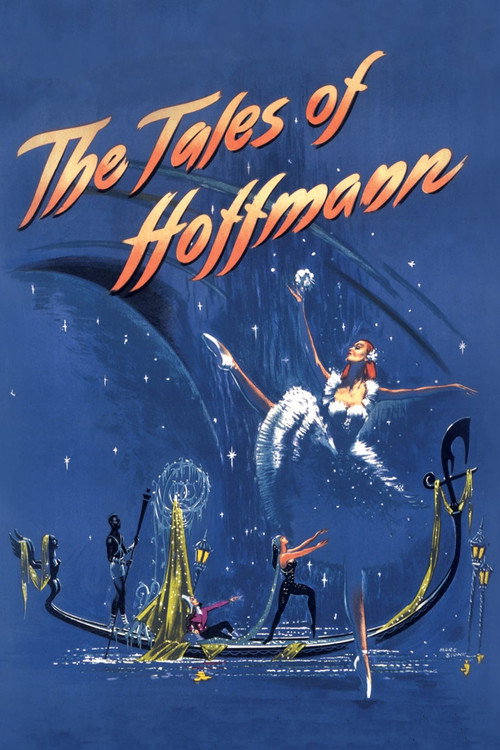
The Tales of Hoffmann1951
Michael Powell and Emeric Pressburger's film of Offenbach's opera is a hallucinatory masterpiece—visually inventive in ways that few films, operatic or otherwise, attempt.
But It's surreal and frequently incomprehensible. The narrative doesn't hold together; the visual poetry is what matters.
The Phantom Carriage1921
Both films treat sin and judgment as cosmic forces, not moral abstractions. Both use spectacle and visual grandeur to express spiritual truth. Both move toward redemption or damnation as inevitable fate.
Victor Sjöström's haunted masterpiece is a ghost story that operates like a morality play, using cinema's visual grammar to show damnation and redemption. It's supernatural opera without music—all image and fate.
But It's over a century old and silent, which creates a barrier for modern viewers. The pacing is slow and the print quality varies.

Au Hasard Balthazar1966
Both use formal distance to paradoxically increase emotional weight. Both understand that repetition and accumulation, rather than dramatic peaks, create lasting meaning. Both are about how the world treats those who cannot defend themselves.
Bresson's film about a donkey's journey through indifferent hands is unexpectedly moving and structurally unique. It operates without conventional emotion, yet generates profound feeling. Like Don Giovanni, it's about the world's cruelty to the innocent.
But It's a film about a donkey's suffering across many hands. That premise alienates most viewers before they start. The film is austere and does not reward you for watching.
People
Cast
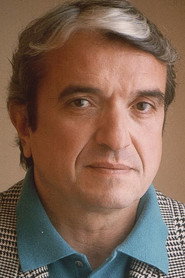 Ruggero RaimondiDon Giovanni
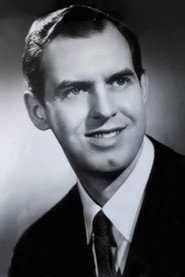 John MacurdyThe Commendatore
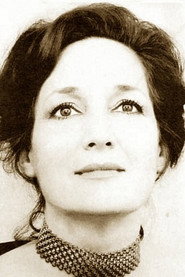 Edda MoserDonna Anna
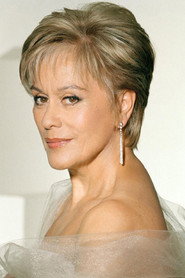 Kiri Te KanawaDonna Elvira
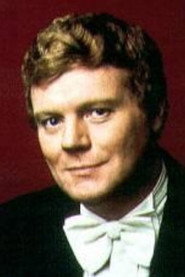 Kenneth RiegelDon Ottavio
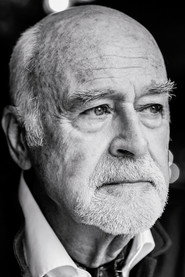 José van DamLeporello
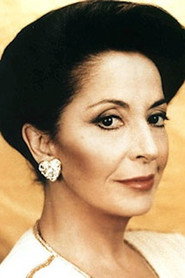 Teresa BerganzaZerlina
- Malcolm KingMasetto
- Eric AdjaniA Valet in Black
Directing
- Jean-Michel LacorAssistant Director
- Joseph LoseyDirector
- Inigo LezziFirst Assistant Director
- Barbara CeschiSecond Assistant Director
- Carlo CarlottoSecond Assistant Director
- Francine MeunierSecond Assistant Director
- Paolo MorosiSecond Assistant Director
Writing
- Lorenzo da PonteAuthor
- Rolf LiebermannIdea
- Frantz SalieriWriter
- Joseph LoseyWriter
- Patricia LoseyWriter
Production
- Renzo RosselliniCo-Producer
- Michel SeydouxExecutive Producer
- Robert NadorExecutive Producer
- Gianni CecchinProduction Manager
- Pierre Saint-BlancatProduction Manager
- Claudio VinaleProduction Supervisor
- Dominique RigauxProduction Supervisor
- Luigi MinopoliProduction Supervisor
- Nicola VendittiProduction Supervisor
- Piero AmatiUnit Manager
Recommended by
The Magic Flute, Carmen, Tosca, The Marriage of Figaro, Falstaff, Madame Butterfly, La Rondine, Rigoletto, Rigoletto, Idomeneo, Fidelio, Die Entführung aus dem Serail, Der Rosenkavalier, The Abduction from the Seraglio, The Marriage of Figaro, Lucia di Lammermoor, La Traviata, La Bohème