
Film
Der Rosenkavalier
Karajan's 1984 Salzburg Festival production of Strauss' most joyful opera, a three-hour waltz through 18th-century Vienna. Glittering, tender, and endlessly melodic, it's about a countess, her young lover, and the man he's supposed to trick into engagement. Pure pleasure for anyone who's ever wanted to understand what the fuss is about.
If you liked this
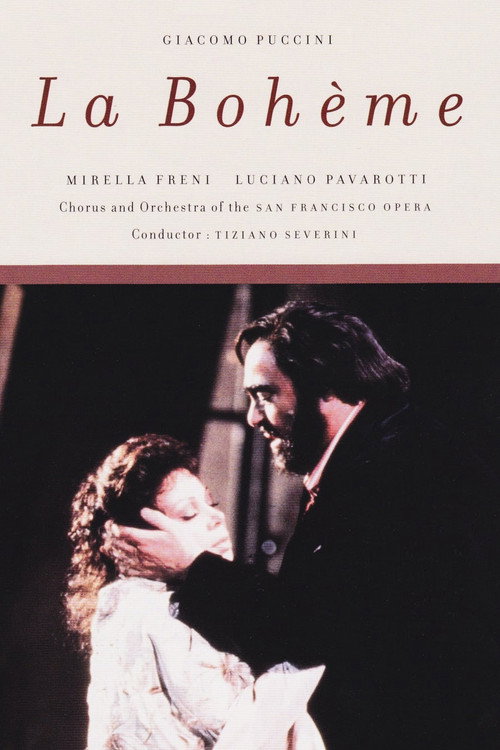
La Boheme1988
Zeffirelli's film of Puccini's masterpiece has the same crystalline beauty and romantic sweep. A young couple in Paris, doomed love, soaring melodies that will wreck you. Among opera's most direct hits.
But Period opera on film can feel stiff. This one mostly avoids that, but if you find yourself resistant to the form itself, no production will fix it.
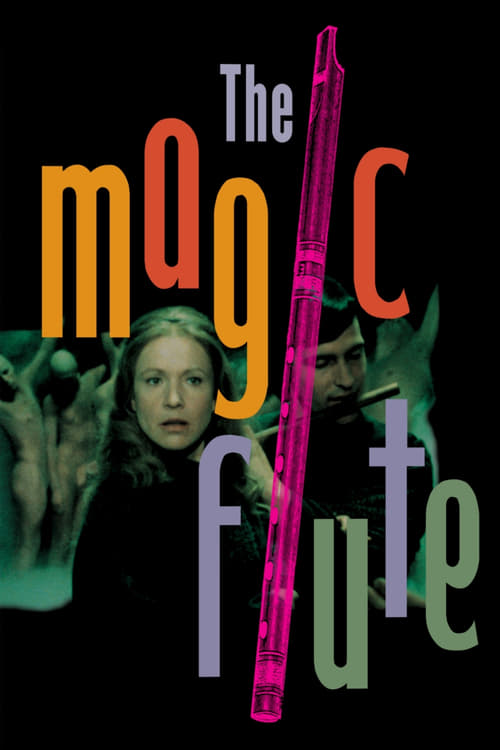
The Magic Flute1975
Bergman's film of Mozart's opera is visually inventive and radically alive. It's lighter than Der Rosenkavalier but shares its theatrical joy and belief that opera should *move*, not just impress.
But Bergman's not restraining himself—it's weird and sometimes precious. If you want Strauss played straight, this detours into Bergman territory.
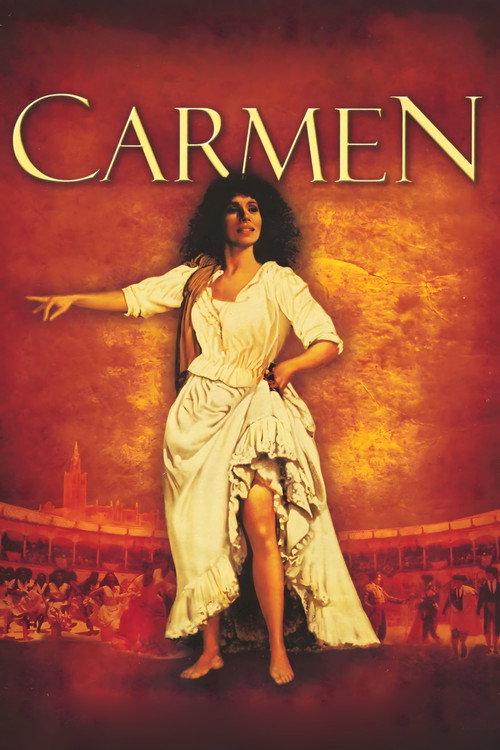
Carmen1984
Rosi's Carmen is opera as cinema—violent, sexy, and shot in real locations with Bizet's music. It's modern in sensibility while honoring what makes the opera devastating.
But It's a completely different energy from Der Rosenkavalier: dark where that was light, brutal where that was graceful. Not everyone wants their opera remade as a gritty drama.
Not sure tonight? Get a pick in a minute, starting from Der Rosenkavalier
The wildcard
Something you would not have found on your own.
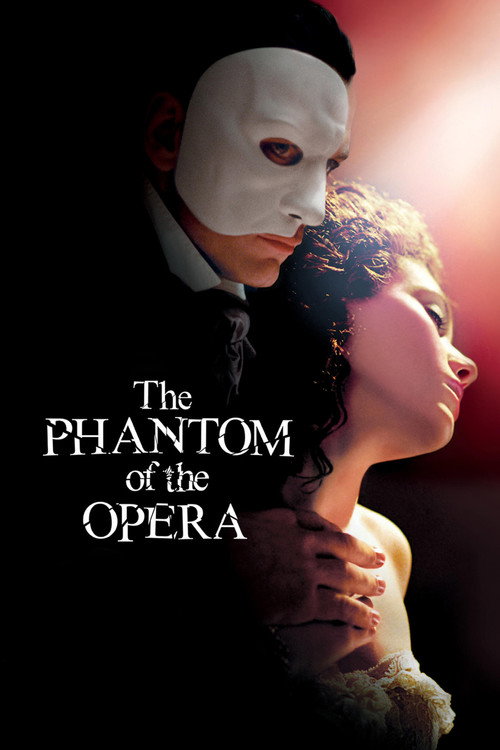
The Phantom of the Opera2004
Both use the opera house itself as a character, and both are fundamentally about desire, beauty, and the power of music to make impossible feelings possible.
Lloyd Webber's opera as film, with opera singers in a contemporary narrative. It bridges theatrical opera and cinema narrative in ways that might make sense of why you loved Der Rosenkavalier's storytelling.
But Musical theatre, not grand opera—closer to Broadway than Salzburg. If you came for Strauss, this will feel vulgar and shallow by comparison.
More like this (5)
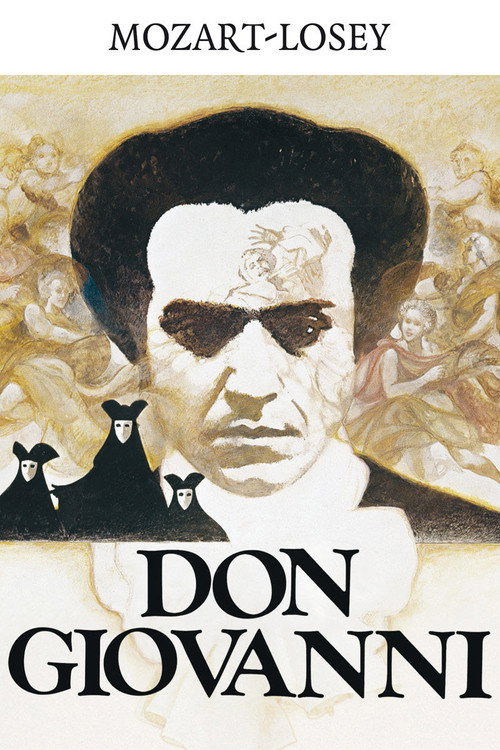
Don Giovanni1979
Joseph Losey's Mozart film is elegant and psychologically sharp. Giovanni seduces, lies, and dies—it's darker than Der Rosenkavalier but with the same musical sophistication and visual intelligence.
But Losey's intellectualism can feel distant. Some will want more warmth, more of the pleasure Der Rosenkavalier traffics in.
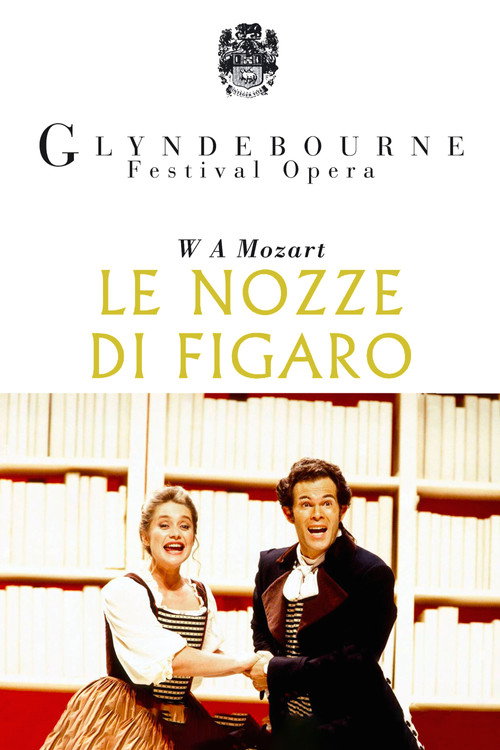
The Marriage of Figaro1994
An ensemble piece of dazzling musical and dramatic invention—servants, masters, scheming, seduction, all perfectly balanced. Mozart at his most playful. If Der Rosenkavalier delighted you, this will too.
But It's a plot with more moving parts. The story takes concentration, and not everyone wants to work that hard in an opera film.
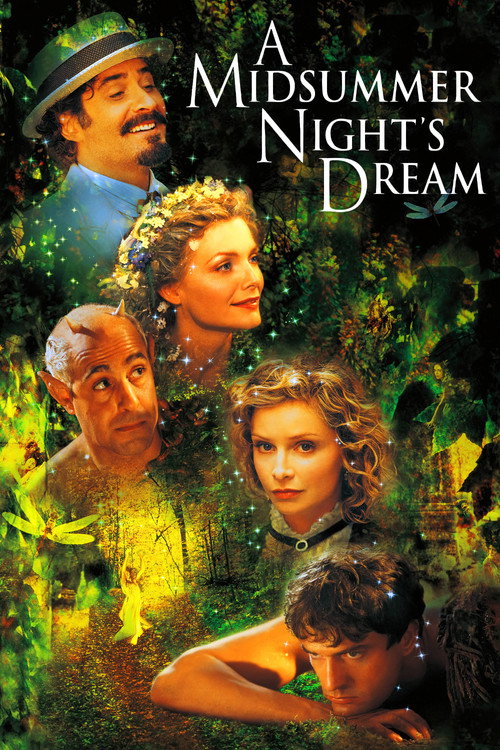
A Midsummer Night's Dream1999
Britten's opera, filmed by Peter Hall. A completely English take on fairy magic and love, with music of real beauty. Magical without sentimentality, and more modern in sensibility than Der Rosenkavalier.
But It's lighter on story and plot. If you came for Strauss' narrative complexity, this retreats into dream logic and whimsy.
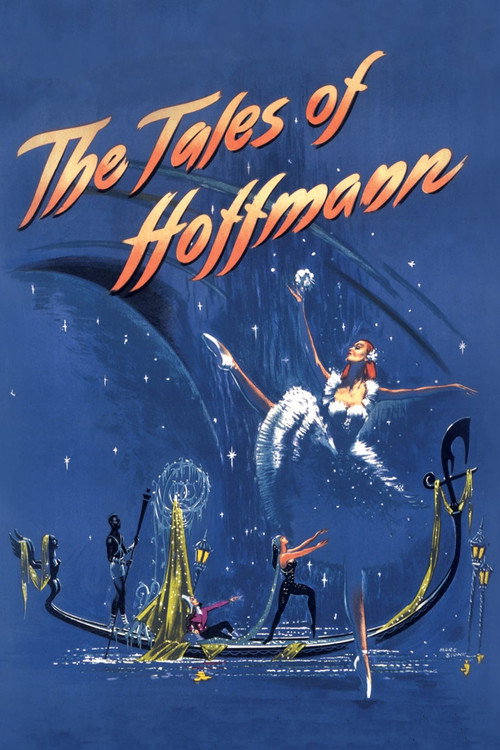
The Tales of Hoffmann1951
Powell and Pressburger's masterpiece of Offenbach's opera—a filmmaker's opera, not a stage production. Visually inventive, erotically charged, and utterly unique. Music and cinema in perfect conversation.
But It's in a category of its own, so singular that comparing it to other opera films feels wrong. Its artifice is the point, and not everyone enjoys that degree of stylization.
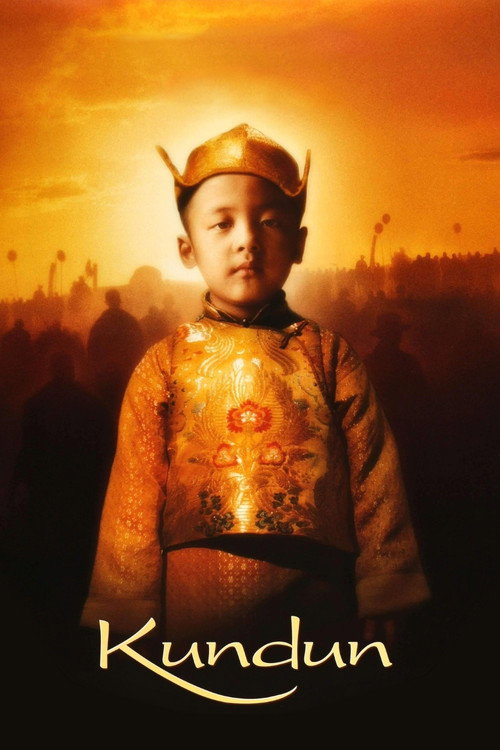
Kundun1997
Both are about transformation through beauty and music. Both trust that elaborate formal structures and visual gorgeousness can express spiritual or emotional truths that realism cannot touch.
Scorsese's film of the Dalai Lama's life, scored by Philip Glass. Not an opera, but operatic in scope and visual grandeur—a man's internal life made visible through glass's repetitive, soaring music. Formally radical but emotionally direct.
But It's a biographical film, not a story of erotic entanglement and social comedy. The register is completely different—austere where Der Rosenkavalier is voluptuous. Demands patience with Glass's musical language.
People
Cast
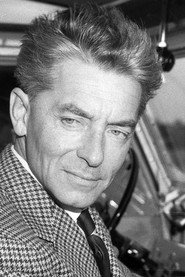 Herbert von KarajanSelf - Conductor
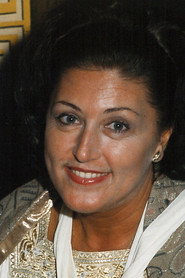 Anna Tomowa-SintowDie Feldmarschallin Fürstin Werdenberg
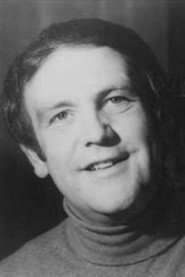 Kurt MollBaron Ochs auf Lerchenau
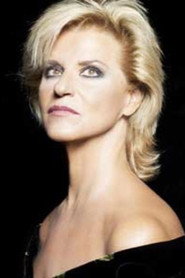 Agnes BaltsaOctavian
- Gottfried HornikHerr von Faninal
- Wilma LippJungfer Marianne Leitmetzerin
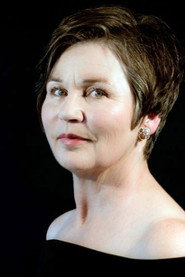 Janet PerrySophie
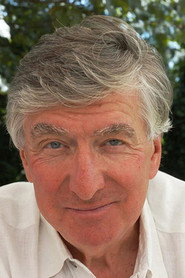 Heinz ZednikValzacchi
- Helga Müller MolinariAnnina
- Vinson ColeSänger
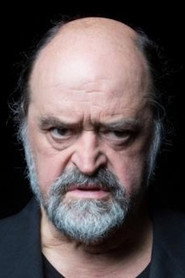 Kurt RydlPolizeikommissar
- John van KesterenDer Haushofmeister bei der Feldmarschallin
Directing
- Herbert von KarajanDirector
- Hugo KächDirector
Writing
- Hugo von HofmannsthalWriter
Production
- Uli MärkleProducer