
Film
Les Contes d'Hoffmann
Offenbach's phantasmagoric opera distils romantic longing into three acts of seduction, loss and magical delusion. Schenk's 1988 production balances Gothic darkness with fever-dream theatricality, anchored by Neil Shicoff's anguished Hoffmann and James Morris commanding the shadows as four incarnations of betrayal. A work for anyone who loves opera that knows how to hurt.
Should you watch it?
Watch it if you love opera filmed for the screen, where big voices, gaudy fairy-tale staging and a poet's self-pity arrive as one indulgent package and you want to surrender to all of it.
Skip it if you want a lean story moving briskly; this is a set of three long romantic episodes framed by a drinking-hall tale, and the sung-through style can feel static and grand for those new to opera.
What it asks of you: Settle in for a full evening, since it runs as a single sung performance with nothing to skip, and expect an ornate, slow-building rhythm where emotion is pitched high and held there.
Not sure? Find tonight's pick in a minute.
If you liked this
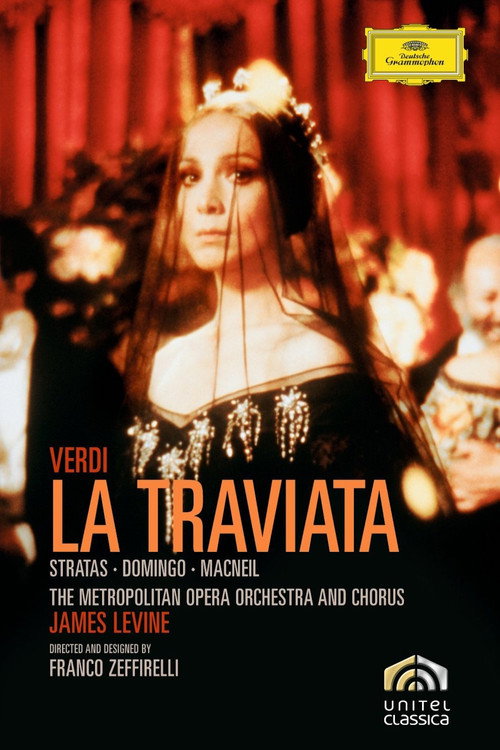
La traviata1982
Zeffirelli's lush staging captures operatic passion with cinematic sweep. Placido Domingo and Ileana Cotrubas deliver heartbreaking performances of doomed love across three acts that feel inevitable and devastating.
But It's operatic melodrama without irony—if you're allergic to tears and orchestral swelling, this will test your patience.
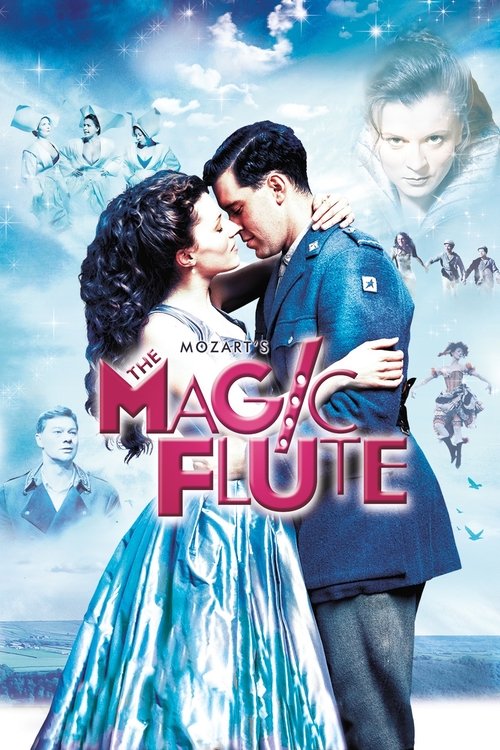
The Magic Flute2006
Bergman's film version (or any good production) shares Hoffmann's blend of fairy-tale enchantment and philosophical depth. The staging reveals how much Mozart buried beneath the spectacle, rewarding close attention.
But It's long, allegorical, and moves between whimsy and solemnity in ways that can feel jarring if you're expecting straightforward narrative.
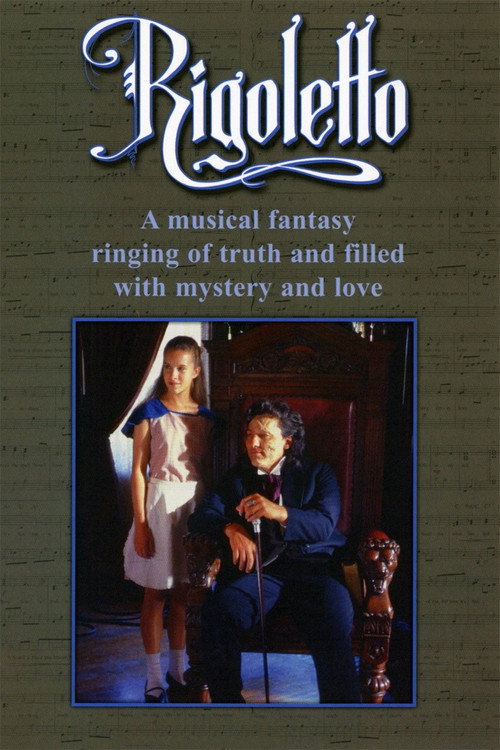
Rigoletto1993
Verdi's masterpiece shares Hoffmann's obsession with malevolent fate and masculine suffering. The curse motif and fractured narrative of regret create similar emotional vertigo, executed with even greater dramatic force.
But It's darker and less playful than Hoffmann; if you want whimsy alongside the heartbreak, this leans harder into tragedy.
Not sure tonight? Get a pick in a minute, starting from Les Contes d'Hoffmann
The wildcard
Something you would not have found on your own.
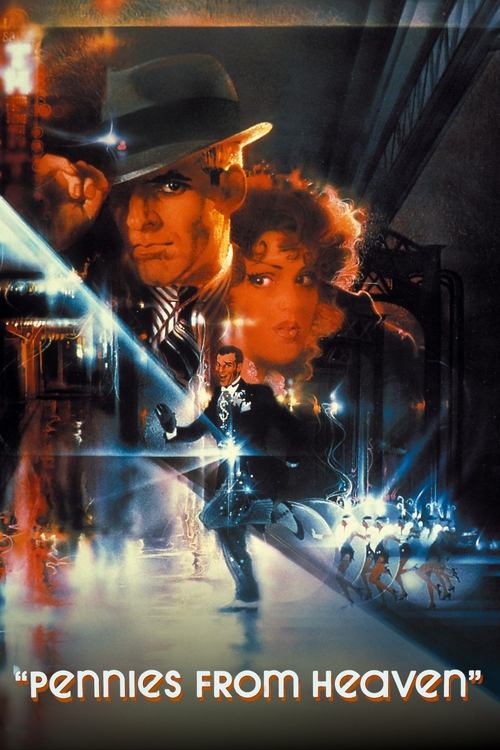
Pennies from Heaven1981
Both use theatrical fantasy and musical numbers not as escapism but as the character's true inner life—the real drama plays out in the gap between the dream and the world.
Dennis Potter's musical drama uses song and fantasy sequences the way Hoffmann does—as emotional truth breaking through grey reality. Christopher Walken's performance as a man whose romantic dreams collide with his ordinary life creates that same bittersweet ache about desire and delusion.
But It's sexually explicit and deeply pessimistic in ways that can feel punishing rather than cathartic; Potter's vision of desire as both beautiful and corrupting is not for every mood.
More like this (3)
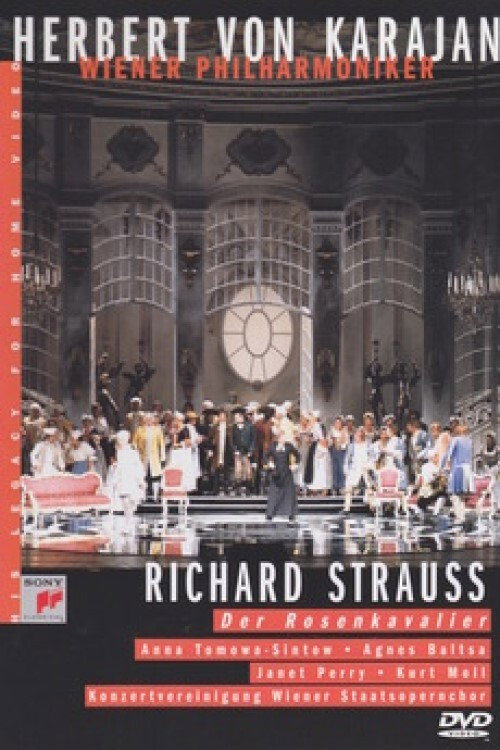
Der Rosenkavalier1984
Richard Strauss's opera of passion, youth and time's passage has Hoffmann's romantic obsession but trades its Gothic edges for Baroque sensuality. The orchestration is ravishing, and the emotional arc builds to genuine catharsis.
But At three and a half hours it demands patience, and the plot's sexual politics can feel dated without a director who interrogates them.
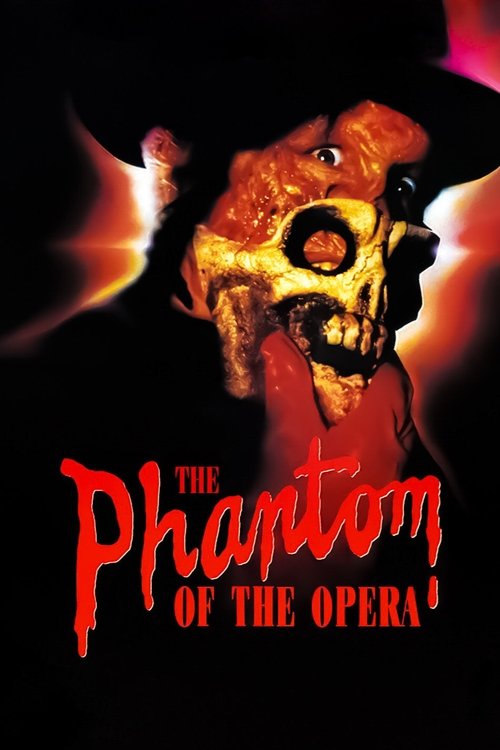
The Phantom of the Opera1989
Lloyd's famous musical adaptation shares Hoffmann's atmosphere of romantic obsession, theatrical magic and a tortured male protagonist undone by his own dark nature. The production design is sumptuous and the central performance riveting.
But It's more pop-operetta than opera; if you value musical complexity and dramatic nuance, the score can feel designed for maximum emotional manipulation rather than artistic depth.
Mulholland Drive2001
Both use the structure of remembering/confessing to explore how romantic fantasy and self-deception can become indistinguishable from reality itself.
Lynch's Hollywood nightmare shares Hoffmann's structure: a man's romantic obsessions told through a fractured narrative that may not be trustworthy, mixing magical realism with very real despair. The film's second half plays like one of Hoffmann's acted-out delusions made manifest.
But It's aggressively non-linear, dreamlike to the point of incoherence for some viewers, and interested in ambiguity rather than resolution—if you want clarity, this will frustrate you deliberately.

People
Cast
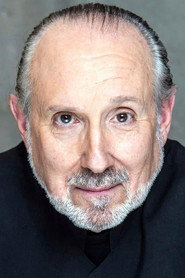 Neil ShicoffHoffmann
- Susan QuittmeyerNicklausse / Muse
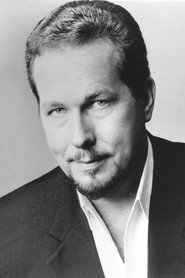 James MorrisLindorf / Coppélius / Dapertutto / Dr. Miracle
- Gwendolyn BradleyOlympia
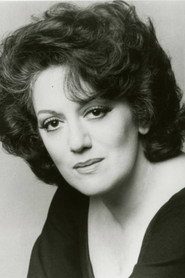 Tatiana TroyanosGiulietta
- Roberta AlexanderAntonia
- Pauline AndreyStella
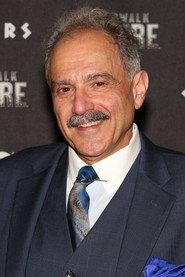 Anthony LaciuraAndrès / Cochenille / Pitichinaccio / Frantz
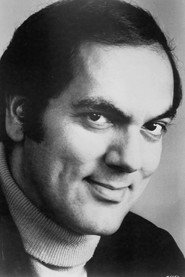 Spiro MalasLuther
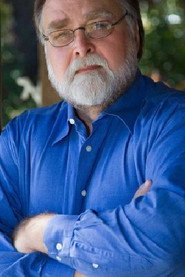 Mark BakerNathanaël
- Andrea VelisSpalanzani
- Morley MeredithSchlemil
Directing
- Brian LargeDirector
- Otto SchenkDirector
Writing
- E. T. A. HoffmannOriginal Story
- Jules BarbierWriter