
Film
Don Giovanni
Other titles called Don Giovanni: the 1979 film, the 1987 film, the 1990 film, the 2000 film.
Peter Brook's staging of Mozart's masterpiece, filmed live in Aix-en-Provence. It strips the opera to essentials: a bare stage, architectural lighting, voices of extraordinary clarity. Brook finds the geometry beneath the chaos—the patterns of seduction, consequence, and judgment. For anyone who thinks opera is stuffy or that they need to understand Italian to feel its power.
If you liked this
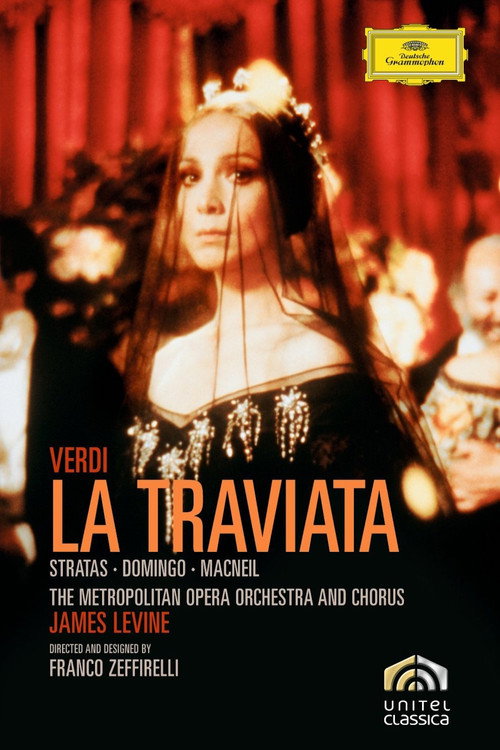
La traviata1982
Zeffirelli's film version brings operatic melodrama into sharp visual focus. Teresa Stratas's voice and face together create something devastating. It moves with the speed of genuine emotion, not ceremony.
But If you find Verdi sentimental or the 19th-century romance exhausting, this won't convert you. It's unashamed about what it is.
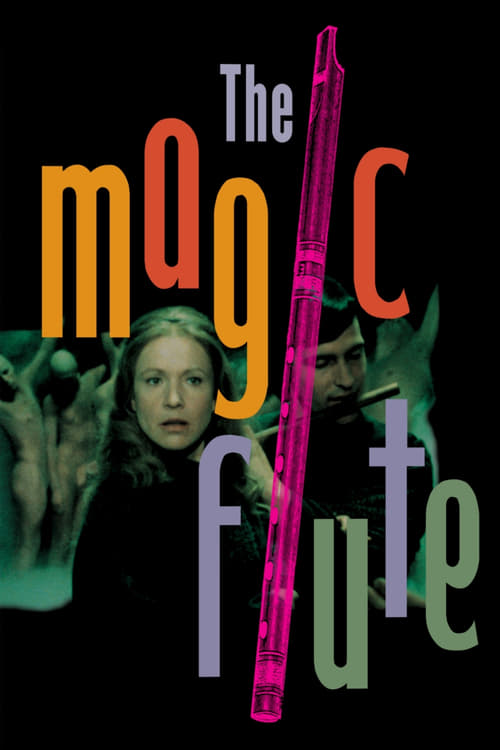
The Magic Flute1975
Bergman's film captures what opera can do on screen: intimacy and grandeur without contradiction. Mozart's music feels like it's happening inside your chest. Pure theatrical invention meeting pure cinema.
But At nearly three and a half hours, it demands patience. Some of the production choices are very 1975. Not everyone clicks with Bergman's deadpan tone.
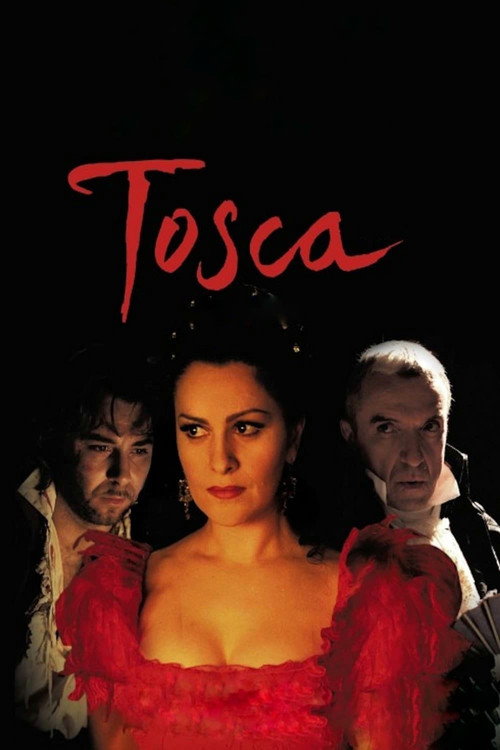
Tosca2001
Filmed live from Rome during the Great Jubilee with stunning soloists and conducting of uncommon clarity. Tosca's jealousy and rage feel like they're unfolding in real time. The production is elegant without fussiness.
But It's a plot about murder and betrayal that hinges on sexual jealousy. If melodrama feels overwrought to you, this won't change your mind.
Not sure tonight? Get a pick in a minute, starting from Don Giovanni
The wildcard
Something you would not have found on your own.
Synecdoche, New York2008
Both are architecturally complex works where the form mirrors the theme. The music in Don Giovanni and the structure in Synecdoche do the same work: make the invisible visible.
Kaufman's film is a fugue on art, mortality, and the impossibility of capturing truth. Like Don Giovanni, it circles obsessively around a central act—creation, seduction, escape—that can never quite be pinned down. Both find profound form in repetition and variation.
But It's aggressively difficult. The narrative collapses; timelines blur. If you need plot clarity and forward motion, you'll feel lost and frustrated.

More like this (7)
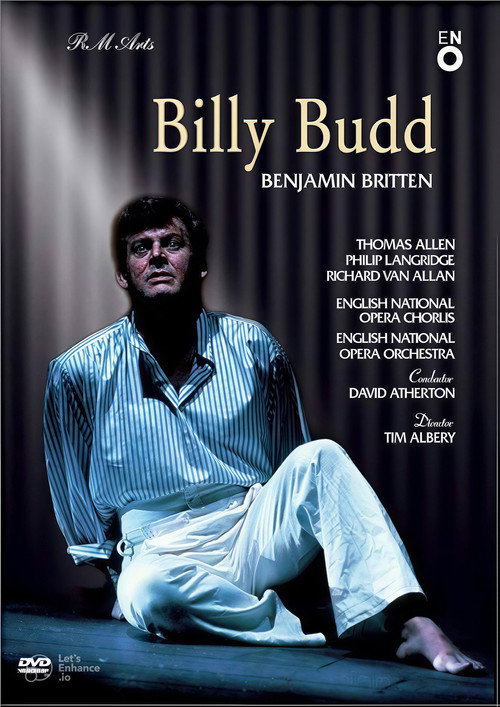
Billy Budd1988
Britten's opera about justice and sacrifice, conducted by the composer. All-male cast, chamber orchestra, chamber intimacy. A profound meditation on innocence and power wrapped in music of devastating beauty.
But It's bleak. The story doesn't resolve into comfort. Long stretches are austere rather than immediately beautiful.
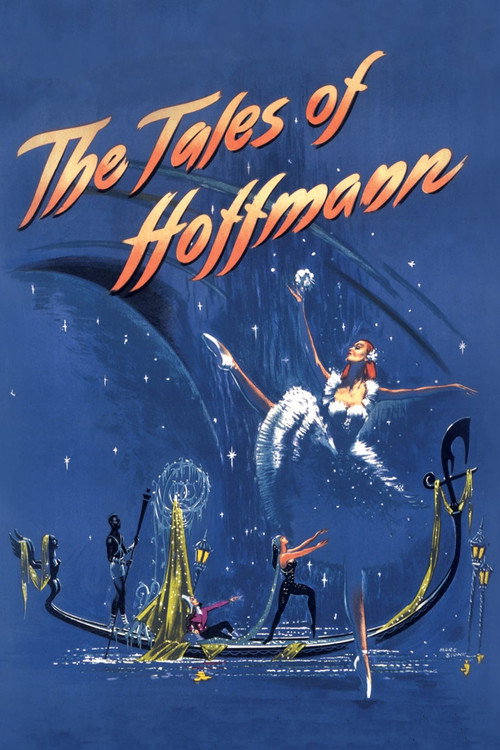
The Tales of Hoffmann1951
Offenbach's fantastical opera about love, loss, and artistic obsession, with jaw-dropping production design and genuine wit. Opulent and strange in equal measure. A total sensory experience.
But The plot threads together three stories that can feel disconnected. Some find Offenbach frivolous compared to Mozart or Wagner. It's visually demanding in a way that can exhaust.
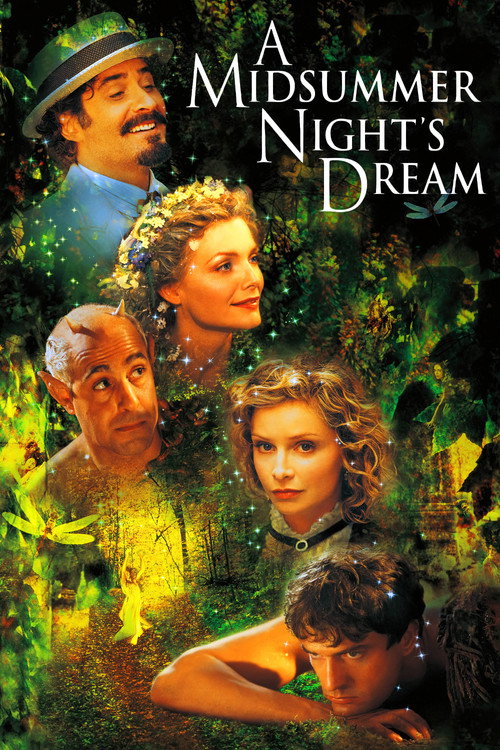
A Midsummer Night's Dream1999
Britten's operatic version of Shakespeare, filmed for television with clarity and whimsy. The fairy magic feels genuinely enchanted. Not a lecture about the play—a new thing entirely, in music.
But You need to accept that the libretto condenses Shakespeare severely. Some contemporary staging choices will feel dated within a decade.
Dialogues des Carmélites1984
Poulenc's opera about faith and political terror during the French Revolution. It's spiritual without being pious. The sound is chamber-like; you hear every note and every doubt.
But Slow-moving for modern tastes. The subject matter—institutional faith, execution, martyrdom—is heavy without catharsis at the end.
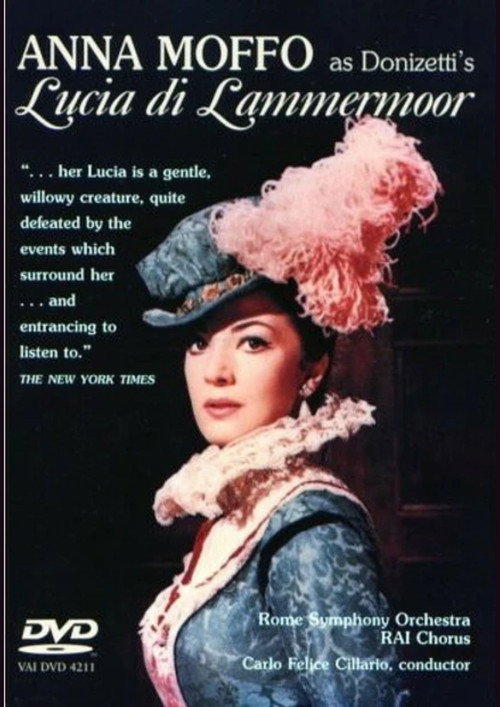
Lucia di Lammermoor1971
Donizetti's tragedy of madness and doomed love, with Joan Sutherland at her incredible peak. The coloratura writing is insanely difficult; watching her navigate it is like watching someone play chess at light speed.
But The plot is almost embarrassingly overwrought. Some staging choices feel dated. The vocal demands mean some modern productions sacrifice acting for technique.
Contempt1963
Both are about the gap between appearance and reality in desire. Both use classical sources to examine modern psychology.
Godard's film about a marriage dying while making a film of Homer's Odyssey. Gorgeously composed, linguistically playful, it watches seduction and betrayal with both heat and distance. Don Giovanni's dance of desire and consequences becomes a modern marriage.
But Slow and talk-heavy by conventional standards. Godard's elliptical style demands active watching. The plot feels like a excuse for something else.

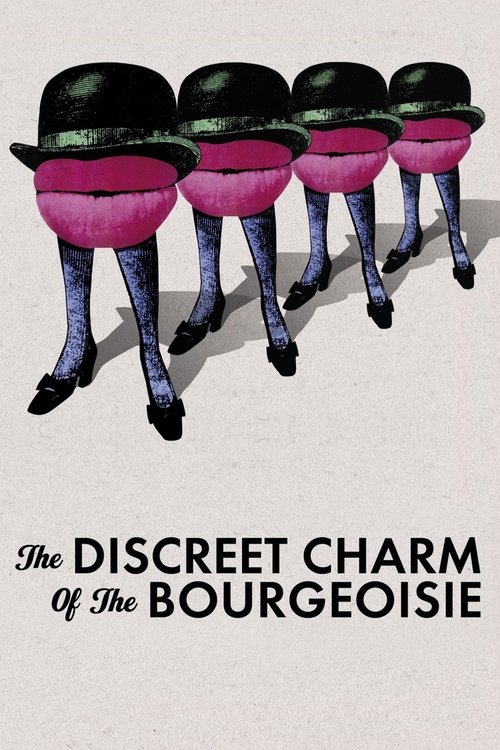
The Discreet Charm of the Bourgeoisie1972
Both use recurring structures and variations to expose the absurdity beneath polite society. Both find comedy and terror in repetition.
Buñuel's film is operatic in its formal perfection: elegant, hypnotic, structurally audacious, yet utterly strange. Like Mozart, Buñuel finds dark comedy in the patterns of society. Nothing is resolved; the guests keep trying to have dinner forever.
But Surrealist logic means plot coherence is deliberately abandoned. The dry tone will feel cold to some. It rewards patience and rewards it again.
People
Cast
 Peter MatteiDon Giovanni
 Gilles CachemailleLeporello
- Alexandra DeshortiesDonna Anna
 Mark PadmoreDon Ottavio
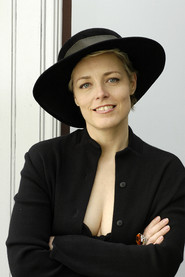 Mireille DelunschDonna Elvira
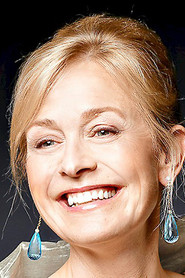 Lisa LarssonZerlina
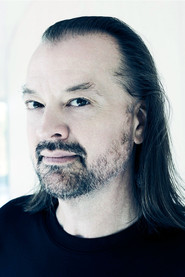 Nathan BergMasetto
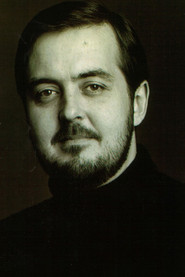 Gudjon OskarssonIl Commendatore
- Daniel HardingConductor
Directing
- Peter BrookDirector
- Vincent BataillonDirector
Writing
- Lorenzo da PonteWriter