
Film
Billy Budd
Other titles called Billy Budd: the 1962 film.
Benjamin Britten's towering opera about innocence destroyed by rigid authority. A young sailor is framed by a vindictive officer, and one moment of desperation condemns him to death. Musically complex and emotionally devastating, it's a work that lingers—the kind of piece that rewires how you think about justice, mercy, and the machinery of institutions.
If you liked this
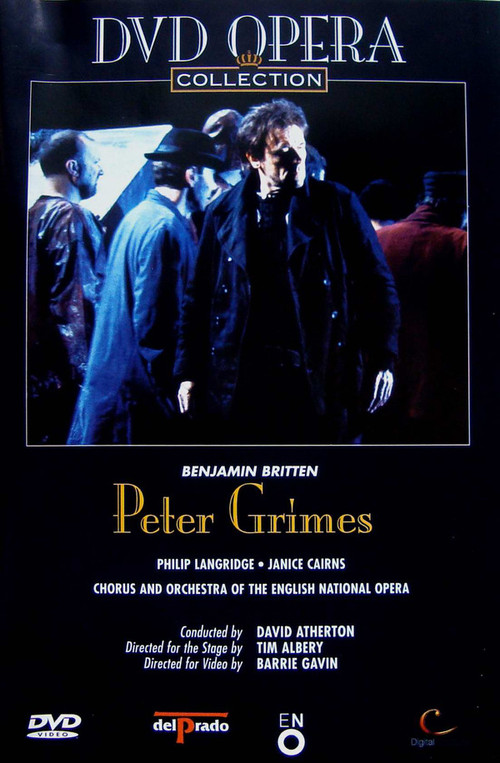
Peter Grimes1994
Britten's operatic masterpiece, also filmed, about a fisherman destroyed by community suspicion. Similar moral urgency, extraordinary music, and the same sense that the world punishes those who don't fit.
But It's slow and austere. If you need plot momentum or conventional drama, this will feel like standing still for two hours.
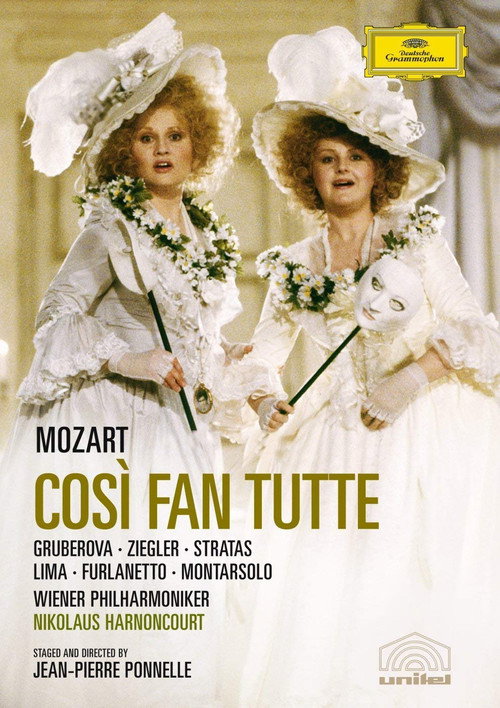
Così fan tutte1989
Mozart's opera about deception, obligation, and the gap between who we are and what we're forced to be. Lighter than Billy Budd but cuts just as deep—a perfect entry to opera if Britten feels too dark.
But The libretto is dated. Some recordings emphasize comedy over the real cruelty underneath, which can soften the impact.
Rise of the Guardians2012
Karlheinz Stockhausen's operatic cycle about good and evil, filmed across multiple days. Equally ambitious and uncompromising, it shares Billy Budd's willingness to sit with moral complexity and musical difficulty.
But It's avant-garde and demands patience. The score is genuinely challenging, and at over seven hours total, it's a commitment.
Not sure tonight? Get a pick in a minute, starting from Billy Budd
The wildcard
Something you would not have found on your own.
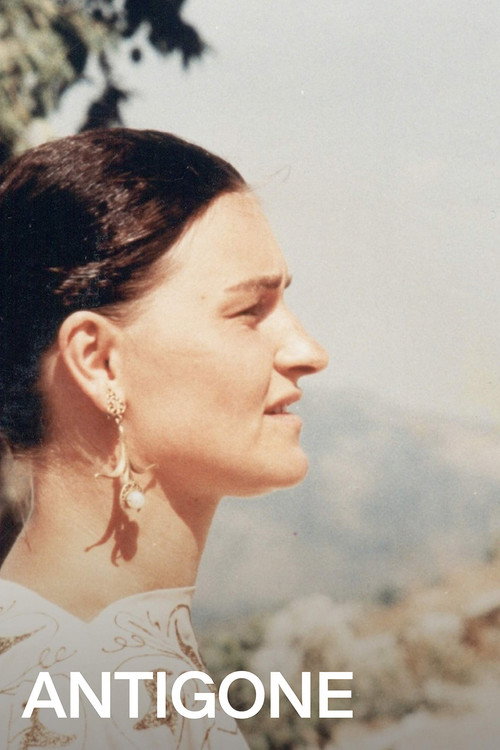
Antigone1992
Both pivot on a single act of defiance against an unjust authority figure, and both end in execution. Both ask whether there was ever another choice.
Sophocles' play filmed by George Tzavellas with Irene Papas: pure moral argument without a note of music. Billy Budd is Britten's answer to the same question Sophocles asked—the collision between individual conscience and state law. Watching them in sequence rewires how you see both.
But It's austere, very deliberately theatrical, and makes no concession to modern film language. It asks you to sit with ideas rather than feelings.
More like this (6)
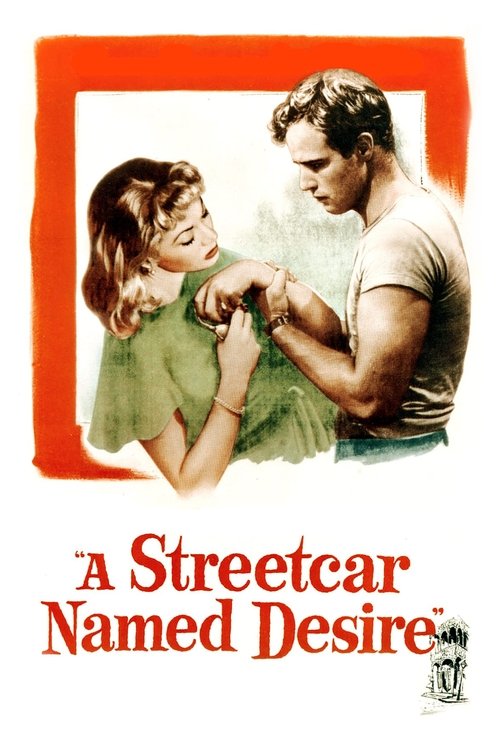
A Streetcar Named Desire1951
The drama of authority, desire, and institutional violence. Brando as the force that destroys Blanche. Not opera, but it moves with the same tragic inevitability.
But The gender politics are embedded in the story itself. It can feel claustrophobic and hostile, which is the point but not for everyone.
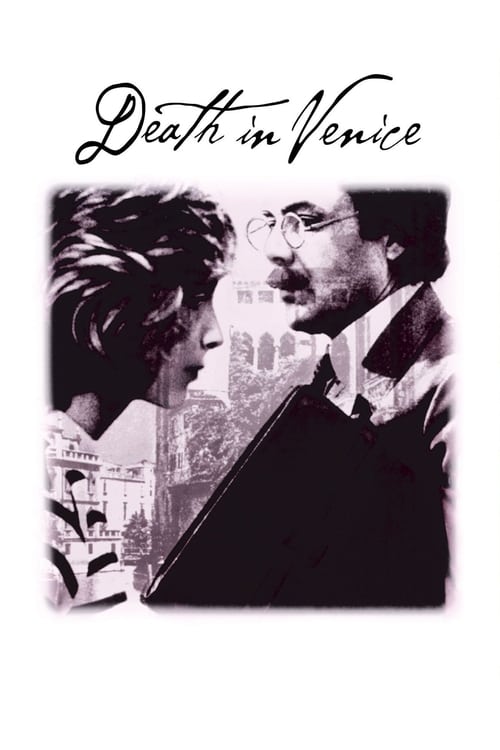
Death in Venice1971
Visconti's film of Thomas Mann, with Britten's music. Decadence, beauty, and the destruction of self. If you want to stay in Britten's world but need narrative cinema, this is it.
But It's glacial and erotically tense in ways that can make viewers deeply uncomfortable—which again is the point.
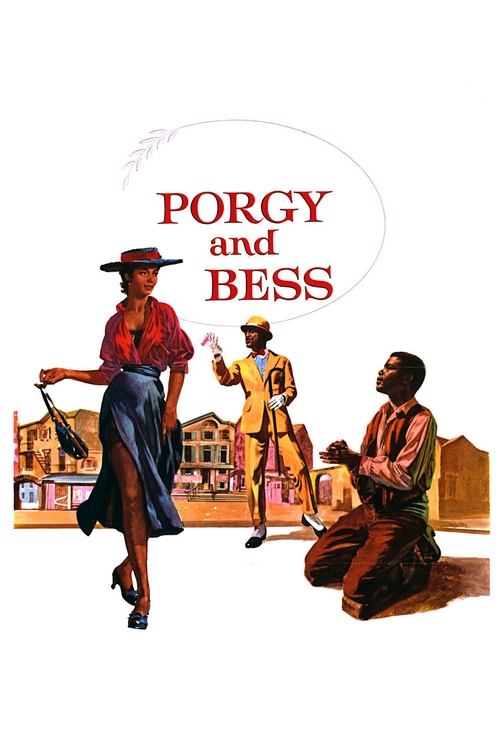
Porgy and Bess1959
Gershwin's opera, filmed with Poitier and Horne. Explores class, power, and the trap of circumstance through music. More accessible musically than Billy Budd but similarly unsparing.
But The film suffers from dubbing decisions and has its own uncomfortable history. The music is glorious but the production is dated.
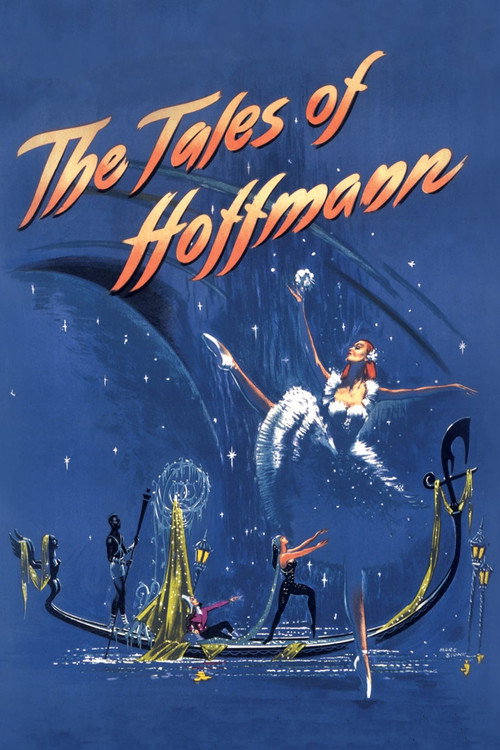
The Tales of Hoffmann1951
Powell and Pressburger's film of Offenbach's opera: visually ravishing, dramatically clever, about a man destroyed by his own romantic illusions. A very different kind of tragedy, but tragedy nonetheless.
But It's very stylized. If you want naturalism or emotional reserve, this will feel theatrical in a way that distances you.
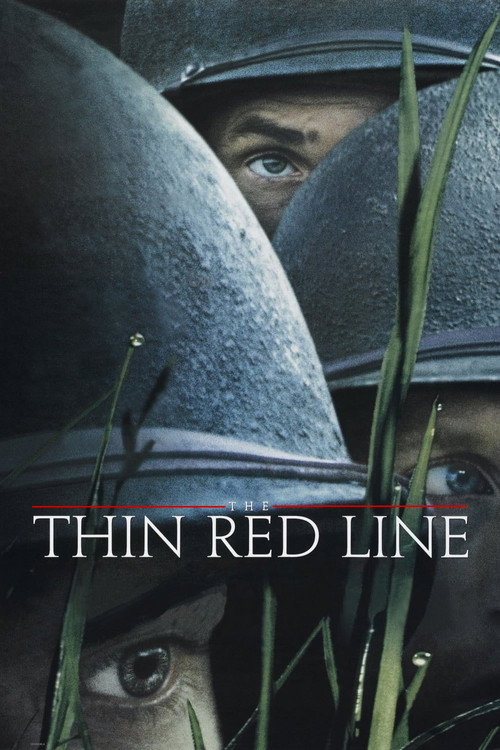
The Thin Red Line1998
Both treat military hierarchy as a force that grinds individuals into compliance or death. Both use beauty—musical or visual—to make that destruction unbearable.
Terrence Malick's war film, structured like a requiem rather than a battle movie. The same exploration of innocence destroyed by institution, but in a different key—natural philosophy rather than opera, images rather than arias. Britten might recognize the moral landscape.
But It's deliberately oblique and philosophical. If you watch war films for action and clarity, this will feel evasive and pretentious.
Medea1969
Both are operatic adaptations of canonical tragic stories, both insist that innocence is no protection, both believe in the necessity of their endings.
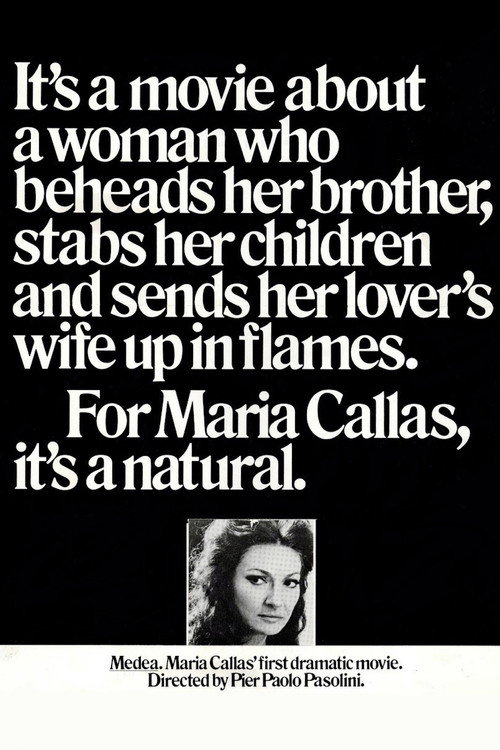
Pier Paolo Pasolini's film of the Euripides play, with Maria Callas. Not sung, but operatic in its intensity and visual language. Like Billy Budd, it's about a person destroyed by forces larger than themselves, but here the destruction is of a different kind entirely. A wildcard because it shows how the same tragic architecture can contain very different stories.
But It's violent, sexually charged, and deeply pessimistic. The pacing is slow and ritualistic. It can feel cold in a way that distances rather than involves.
People
Cast
 Thomas AllenBilly Budd
 Philip LangridgeCaptain Vere
- Richard van AllenClaggart
- Phillip Guy-BromleyMr flint
- Clive BayleyRatCliffe
- Edward BylesRed Whiskers
- Neil HowlettMr Redburn
Directing
- Tim AlberyAssistant Director
- Barrie GavinDirector
Writing
- E.M. ForsterWriter
- Eric CrozierWriter
- Herman MelvilleWriter