
Film
Peter Grimes
Benjamin Britten's operatic masterpiece about a fishing community's suspicion and cruelty toward an outsider. Staged with crystalline clarity by the English National Opera, it's a searing study of mob justice and social exclusion—dark, beautiful, and immediately gripping. For anyone who thinks opera is dusty or remote.
If you liked this
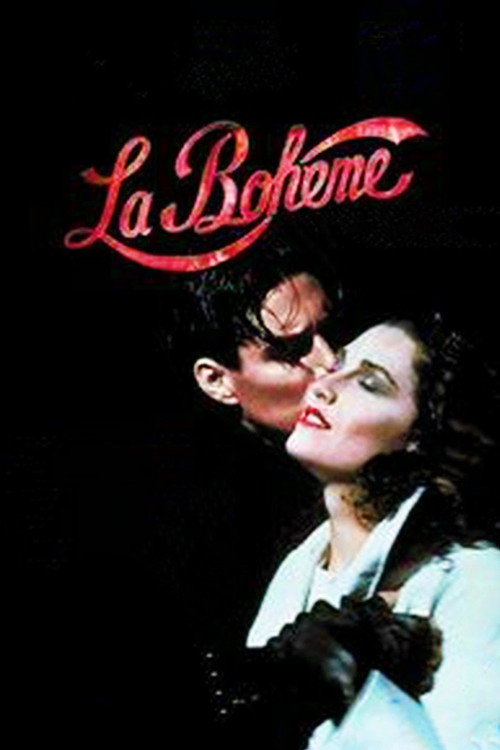
La Bohème1994
Puccini's most beloved opera, performed with warmth and intimacy. A doomed love story that moves with such grace and melody that it feels like watching your own heartbreak made visible.
But If you want plot complexity, this isn't it. It's straightforward romance, and it ends exactly as you suspect. Some find it sentimental.
Don Giovanni1990
Mozart at the absolute peak of musical invention, a opera about seduction, transgression, and consequence that feels urgently modern. Charismatic and darkly funny, then terrifying.
But The pacing demands your attention for nearly three hours. If you drift, the elaborate musical structures can feel cold rather than moving.
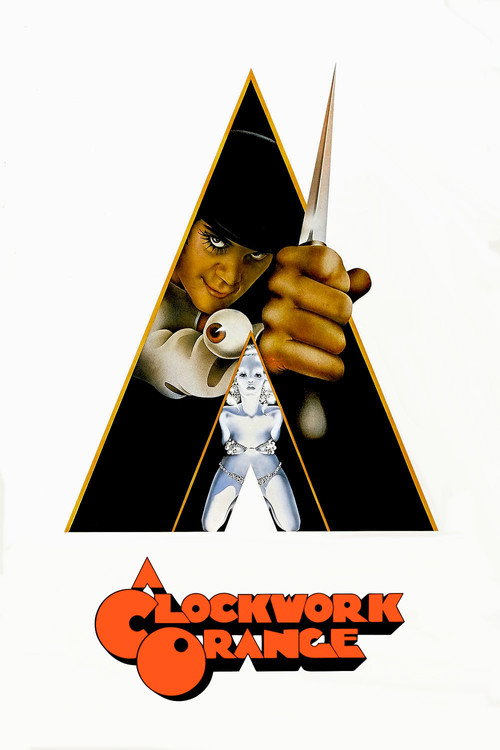
A Clockwork Orange1971
Kubrick's savage examination of violence and free will. Not an opera, but it uses music—specifically classical music—as a moral and philosophical engine in exactly the way Britten does.
But Genuinely brutal and difficult to watch. The violence isn't decorative; it's meant to make you uncomfortable, and it does.
Not sure tonight? Get a pick in a minute, starting from Peter Grimes
The wildcard
Something you would not have found on your own.
Stalker1979
Both trust their audiences to experience something emotionally overwhelming through patience and total commitment to mood over narrative satisfaction.
Tarkovsky's science-fiction meditation on desire, faith, and the impossible. It moves at the speed of thought rather than plot. The spiritual unease mirrors Grimes' isolation perfectly, and the long takes create the same kind of immersion opera demands.
But 163 minutes of deliberate cinema. There is almost no music, no conventional drama, and very little happens. It requires you to sit still and feel rather than be entertained.

More like this (6)
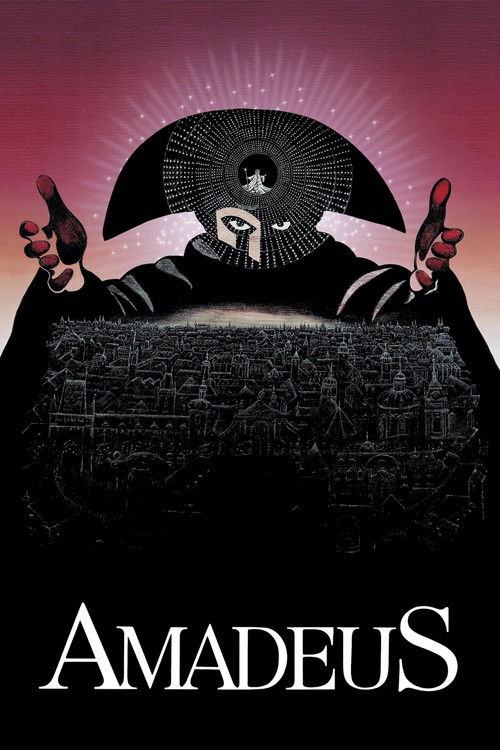
Amadeus1984
A film about music and genius and the cruelty of circumstance. It has operatic grandeur without requiring operatic knowledge. Mozart's music does most of the emotional work.
But Long, structurally elaborate, and Salieri's bitterness can feel repetitive. The film is about resentment as much as artistry.
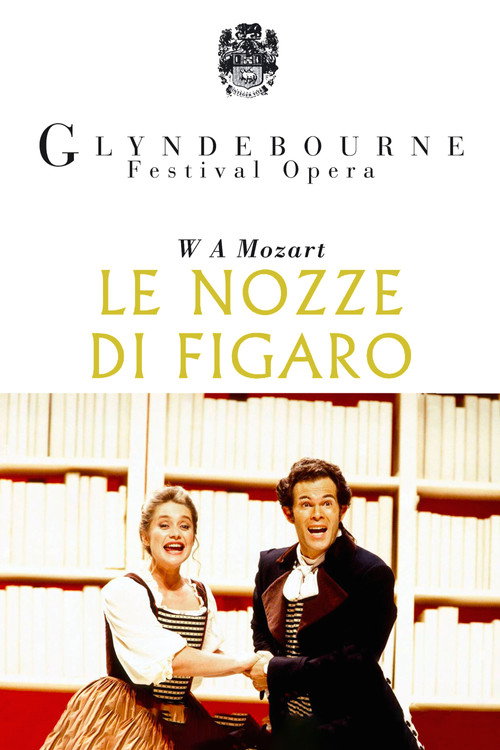
The Marriage of Figaro1994
Mozart again, but here the comic brilliance never masks the real unhappiness underneath. Politically sharp about class and power, emotionally intricate, musically immaculate.
But Four acts, almost three hours, and the plot involves multiple deceptions layered on each other. You have to stay engaged.
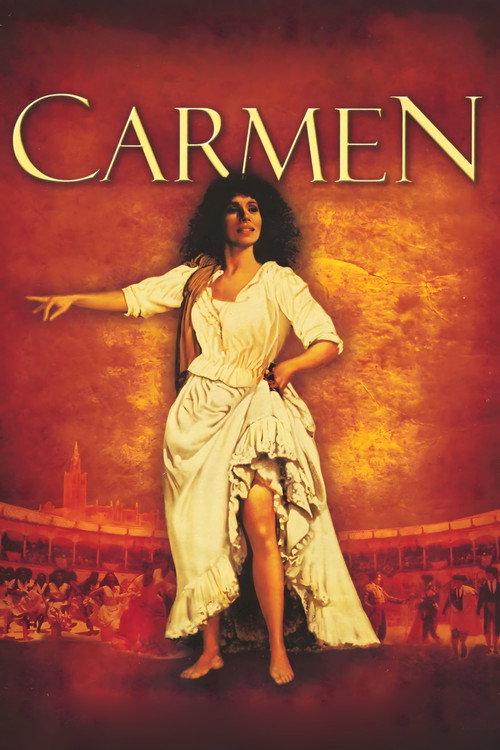
Carmen1984
Bizet's opera about desire, freedom, and doom. It moves with tremendous pace and the music is instantly memorable. A story about a woman you cannot own, told with real sympathy.
But The tragedy is built in from the start. If you need hope or ambiguity, this opera has neither. It's inexorable.
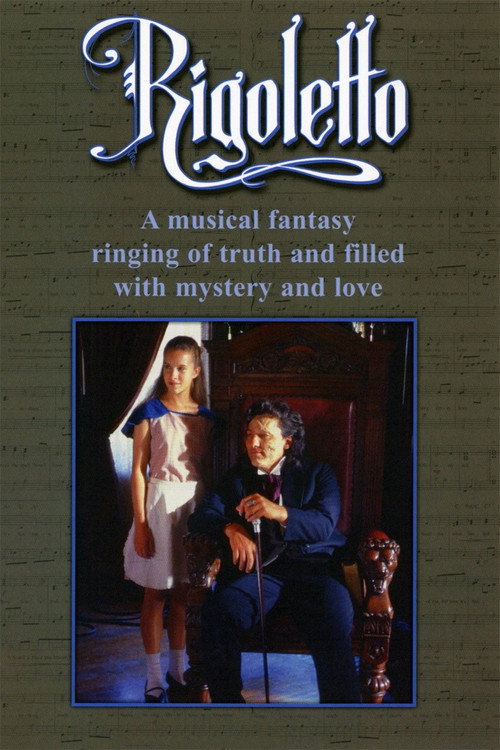
Rigoletto1993
Verdi's opera about fathers, daughters, and corruption. The title role is one of opera's great parts. It's melodramatic but the emotions are real and the music is unstoppable.
But The plot hinges on sexual predation and infanticide. It's operatic in the sense that everything is heightened, which some ears love and others find absurd.
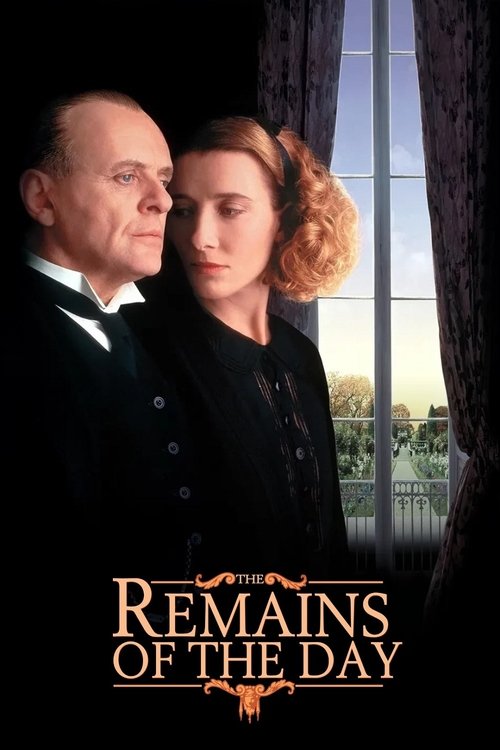
The Remains of the Day1993
Both examine how communities create scapegoats and how silence becomes complicity. Both are about lives crushed under the weight of what people believe.
Merchant-Ivory's film about a man destroyed by decorum and duty. Like Grimes, it's about someone trapped by circumstance and by how a community perceives him. Quiet but devastating, beautiful and deeply sad.
But Glacially paced, emotionally restrained, and the payoff is small. Nothing climactic happens. If you need catharsis, you won't find it here—only recognition.
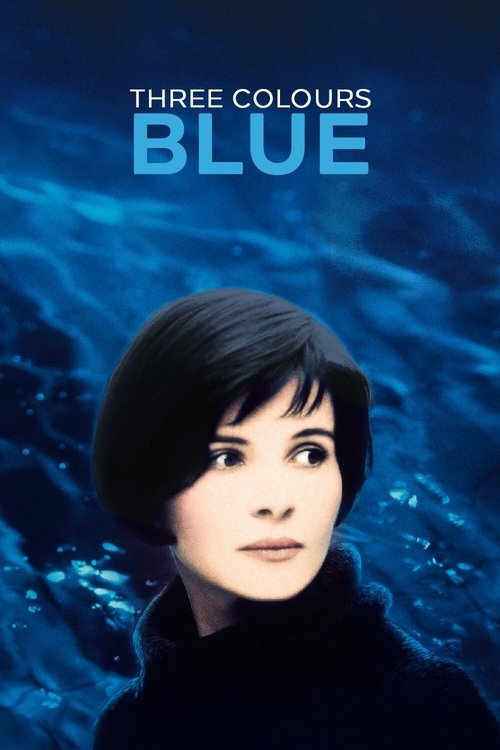
Three Colors: Blue1993
Like an opera, it communicates through recurring visual and thematic motifs rather than plot. It trusts feeling over clarity.
Kieślowski's meditation on grief and isolation following a woman's loss. Visually it mirrors Britten's orchestral work—themes recur and layer, building meaning through repetition and variation. Profoundly moving without ever raising its voice.
But It's elliptical and impressionistic. Nothing is explained. The emotional logic is musical rather than narrative, which some viewers experience as beautiful and others as frustratingly vague.
People
Cast
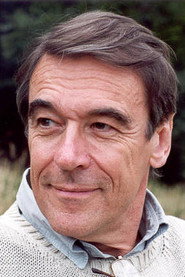 Philip LangridgePeter Grimes
- Janice CairnsEllen Orford
- Alan OpieCaptain Balstrode
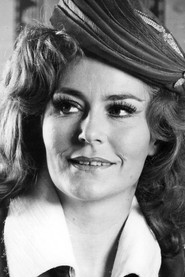 Ann HowardAuntie
- Andrew GreenanSwallow
- Robert PoultonNed Keene
- Alan WoodrowBob Boles
- Susan OrtonMrs Sedley
- Maria BovinoFirst Niece
- Sarah PringSecond Niece
- Mark RichardsonHobson
- Edward BylesRev Horace Adams
Directing
- Barrie GavinDirector
- Tim AlberyStage Director
Writing
- Benjamin BrittenWriter
- George CrabbeWriter
- Montagu SlaterWriter
Production
- Jan YounghusbandProducer