
Film
Billy Budd
Other titles called Billy Budd: the 1988 film.
A slow-burn courtroom tragedy set aboard a British naval vessel in 1797. An innocent young sailor stands accused of murder; the real drama unfolds in the conflict between justice, law, and mercy. Terence Stamp's luminous performance anchors a meditation on morality that builds to devastating inevitability. For viewers who prize moral complexity over action.
Should you watch it?
Watch it if you are drawn to slow, talky sea dramas where moral weight comes from character and courtroom-like tension rather than action, and you enjoy performances that carry long silences.
Skip it if you want momentum from the first scene; the ship's routines and formal naval dialogue unfold deliberately, and the stakes build through talk more than spectacle.
What it asks of you: Just under two hours of patient, stage-like conversation aboard a ship, with a shadowy, claustrophobic mood and little relief, so give it your full attention.
Not sure? Find tonight's pick in a minute.
If you liked this
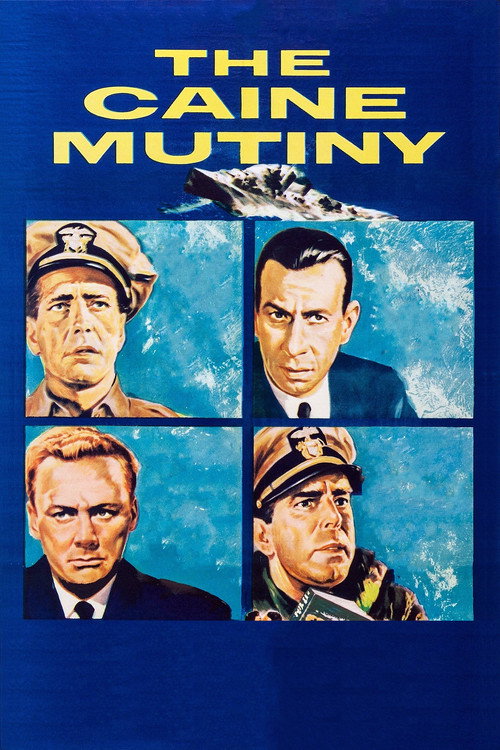
The Caine Mutiny1954
A similarly enclosed military courtroom drama where rival captains and crew loyalties collide. Humphrey Bogart's paranoid captain and the JAG officer's investigation create mounting tension through character and conflict rather than spectacle.
But The pacing is deliberate, almost stately. If you need immediate action or plot twists, the slow accumulation of detail will frustrate.
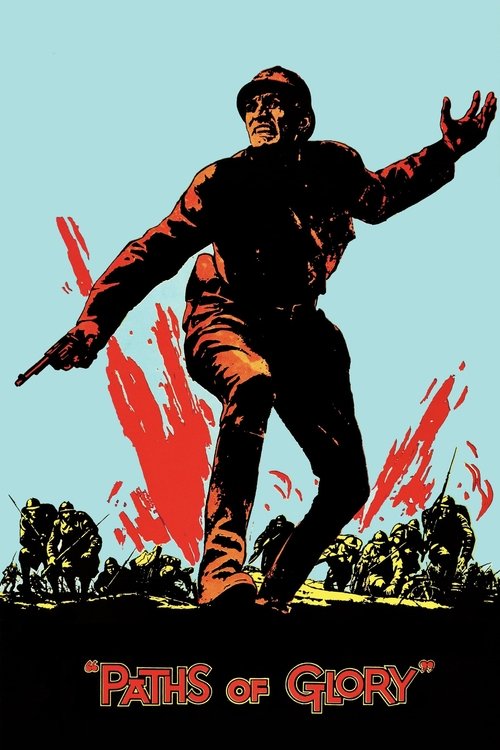
Paths of Glory1957
Kubrick's searing indictment of military hierarchy and the machinery of injustice. Like Billy Budd, it asks whether law serves justice or merely power, with similar moral clarity and tragic inevitability.
But It's angrier and more explicitly political than Billy Budd. Some find Kubrick's cynicism bleak rather than clarifying.
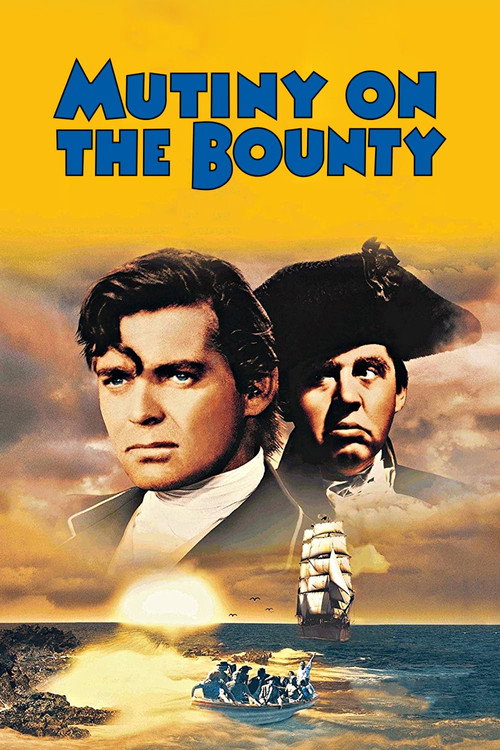
Mutiny on the Bounty1935
An earlier, more romantic take on naval rebellion and the clash between duty and conscience. Charles Laughton's tyrant captain and Clark Gable's idealistic first mate embody the same moral struggle, though with more swashbuckling energy.
But The adventure-film elements can feel dated. It's less psychologically penetrating than Billy Budd, more concerned with action and romance.
Not sure tonight? Get a pick in a minute, starting from Billy Budd
The wildcard
Something you would not have found on your own.
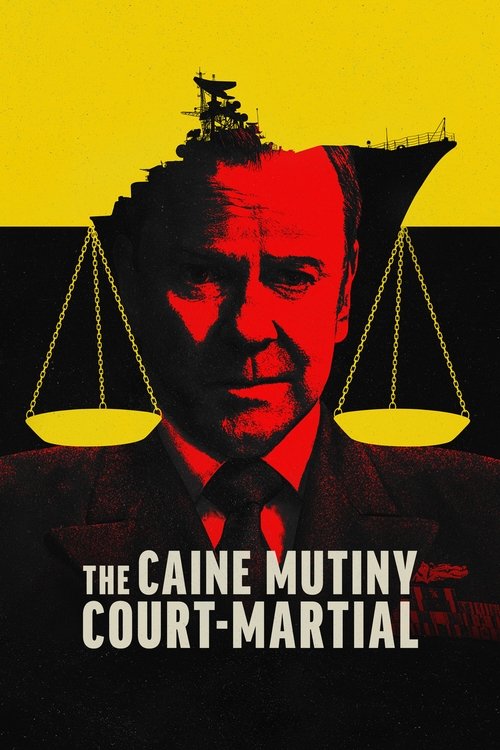
The Caine Mutiny Court-Martial2023
Both are literary adaptations about the failure of justice systems to protect the innocent. Both find their power in the collision between individual morality and institutional law. Same source author, same central question: what does military law owe to human decency?
Herman Wouk adapted his own novel for television with a six-hour limited series. The courtroom drama unfolds with the precision and gravity of a Greek tragedy. Jay O. Sanders and Jason Clarke anchor a performance that restores nuance and moral weight to questions of command and conscience.
But It's very recent and less visually striking than the 1954 film. Some find courtroom procedures tedious when they go uncut.
More like this (8)
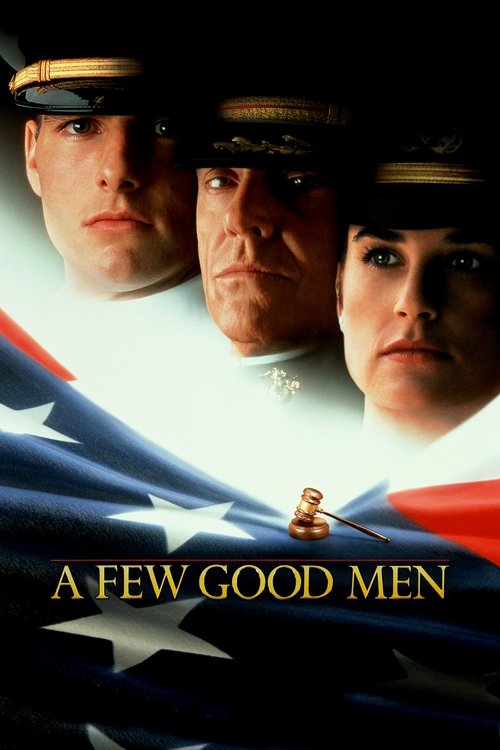
A Few Good Men1992
A modern military courtroom drama with the same skeleton: an accused junior officer, a cover-up reaching higher, and the collision between truth and institutional loyalty. Crackling dialogue and genuine suspense, even if the moral stakes feel less absolute.
But It's slicker and more Hollywood. Some will find it manipulative after the austere integrity of Billy Budd.
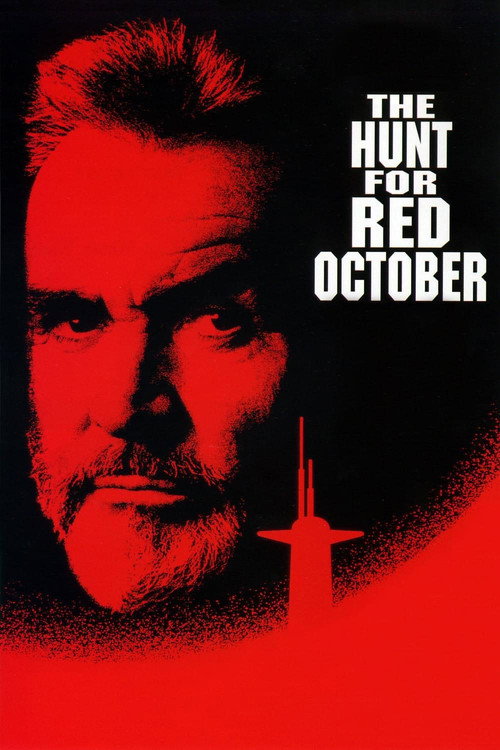
The Hunt for Red October1990
Military hierarchy, loyalty, and the weight of command decisions—but channelled into a submarine thriller. If you want the naval setting and moral ambiguity without the courtroom, this is gripping and intelligently made.
But It's a thriller first and foremost. The philosophical questions take a back seat to plot mechanics and action sequences.
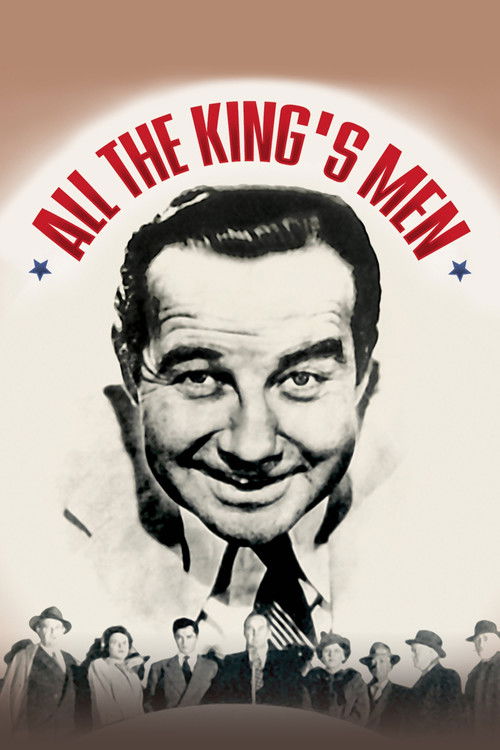
All the King's Men1949
A portrait of idealism corrupted by power and institutions. Like Billy Budd, it examines how systems grind individuals, though here the protagonist is complicit rather than innocent. Robert Penn Warren's adaptation is dense and morally unsparing.
But It's a dense political allegory with a large cast. Keeping track of factions and motivations requires attention.
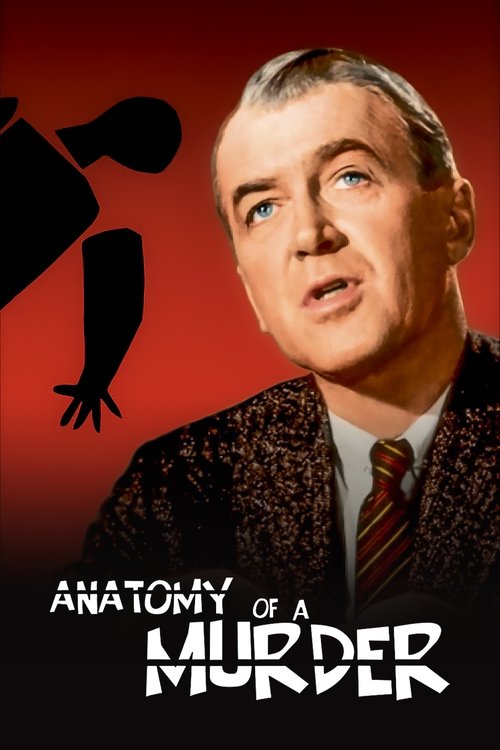
Anatomy of a Murder1959
A meticulous courtroom drama about the gap between legal truth and actual truth. James Stewart and Lee Remick give nuanced performances in a film that trusts the audience to think alongside it, much as Billy Budd does.
But At two hours forty minutes, it's long and procedural. The sexual politics of the 1950s, though addressed seriously, may feel dated or uncomfortable.
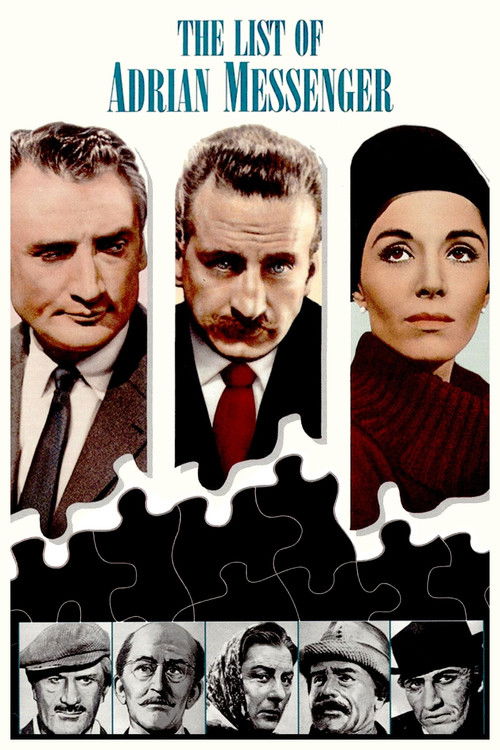
The List of Adrian Messenger1963
An ensemble mystery with similar compositional control and a cast of impressive character actors. Like Billy Budd, it's concerned with secrets, honour, and the masks people wear. Beautifully shot and structured.
But It's a genre exercise—a drawing-room mystery—rather than a tragedy. The tone is lighter and more playful than Billy Budd's moral weight.
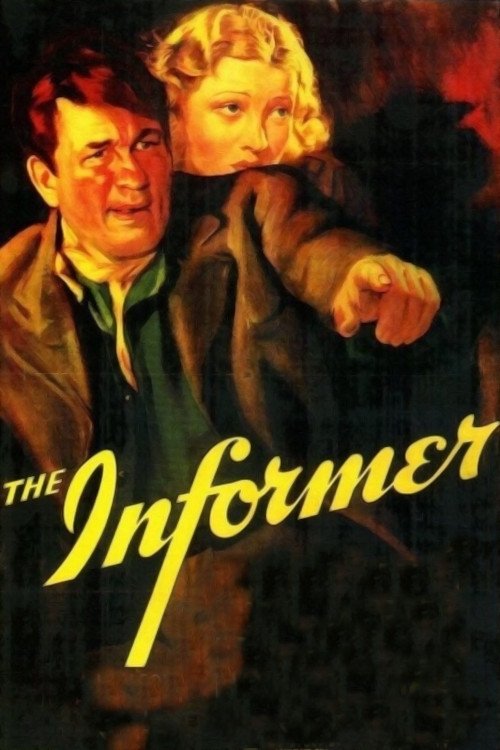
The Informer1935
John Ford's expressionistic tale of betrayal and its consequences. An innocent man trapped by circumstance and institutional power, spiralling toward a tragic end. Victor McLaglen's performance carries the weight of a conscience destroying itself.
But The visual style is heavy-handed by modern standards. The plot moves quickly but sometimes at the cost of character clarity.
La Haine1995
Both examine how systems—whether military law or state violence—fail the innocent. Both end with a sense of foreordained tragedy. Both use formal control and restraint to amplify moral outrage rather than soften it.
Mathieu Kassovitz's searing black-and-white portrait of three young men in a Paris suburb after a police brutality incident. Like Billy Budd, it's a study of innocence colliding with institutional power and prejudice, but told from the ground up rather than from the bench down.
But It's angry and bleak rather than tragic. The French setting and contemporary context are far removed from the period naval world. Some find the stylization gets in the way.

The Servant1963
Both are examinations of how institutional power and social position determine guilt and innocence. Both feature a younger man of lower status and an older authority figure in a morally fraught relationship. Both end with a sense of corruption made absolute and irrevocable.
Joseph Losey's caustic, claustrophobic chamber piece about the slow inversion of power between an aristocratic employer and his servant. Like Billy Budd, it's a study of how hierarchies corrupt morality and how innocence can be weaponised. James Fox and Dirk Bogarde are magnificent.
But It's explicitly sexual and class-conscious in ways that will feel transgressive if that's not your taste. The pacing is glacial and the mood genuinely unsettling. Not a comforting film.

People
Cast
 Terence StampBilly Budd
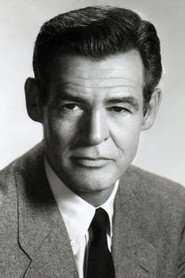 Robert RyanJohn Claggart, Master of Arms
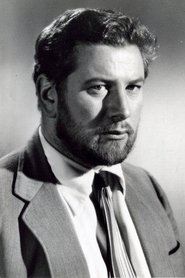 Peter UstinovEdwin Fairfax Vere, Post Captain
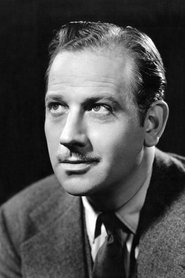 Melvyn DouglasThe Dansker, Sailmaker
 Paul RogersPhilip Seymour, 1st Lieutenant
 John NevilleJulian Ratcliffe, 2nd Lieutenant
 David McCallumSteven Wyatt, Gunnery Officer
 Ronald LewisEnoch Jenkins, Maintopman
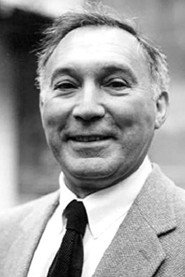 Lee MontagueSqueak, Mr. Claggart's assistant
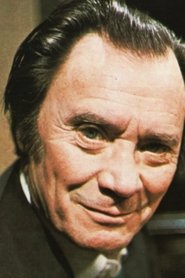 Thomas HeathcoteAlan Payne, Maintopman
 Ray McAnallyWilliam O'Daniel, Maintopman
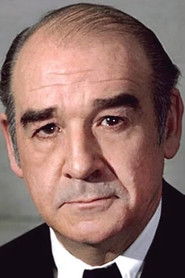 Robert BrownArnold Talbot, Maintopman
Directing
- Peter UstinovDirector
Writing
- Herman MelvilleNovel
- DeWitt BodeenScreenplay
- Peter UstinovScreenplay
- Louis O. CoxeTheatre Play
- Robert H. ChapmanTheatre Play
Production
- Peter UstinovProducer
Recommended by
Beau Travail, Mutiny on the Bounty, Captain Horatio Hornblower R.N.