
Film
The List of Adrian Messenger
A postwar mystery that pivots on a single question: why does a dying man's list matter? Kirk Douglas shape-shifts through disguises while George C. Scott pursues the truth across Europe. It's a puzzle-box thriller that trusts you to piece together clues, built on atmosphere and star power rather than violence. For viewers who like mysteries that take their time and reward attention.
If you liked this
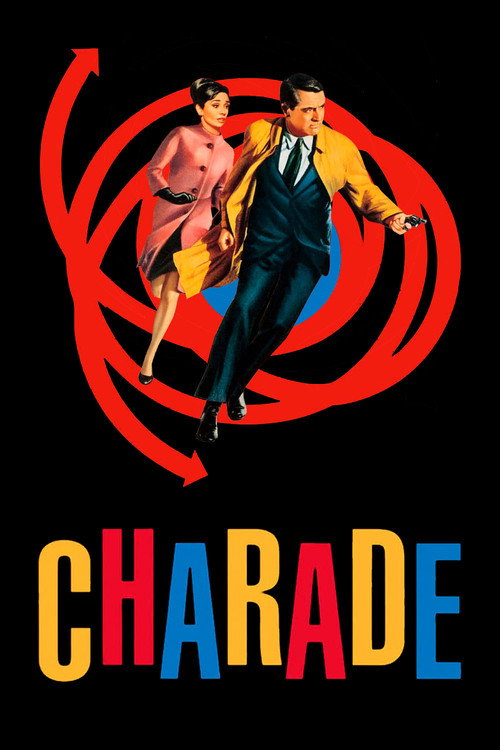
Charade1963
Released the same year, it pairs Cary Grant and Audrey Hepburn in a Paris-set thriller about hidden identities and MacGuffin chasing. Fast, charming, and equally uninterested in realism.
But The plot is engineered clockwork—character motivations matter less than the next twist. It's all surface, which is the point, but not everyone loves that game.
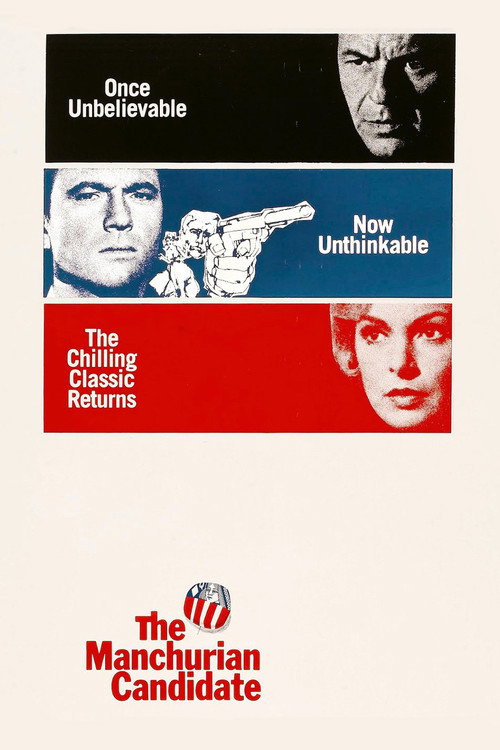
The Manchurian Candidate1962
Cold War paranoia wrapped around a political assassination mystery. Frank Sinatra in a rare serious role, the structure builds dread across generations, and the reveal reshuffles everything you thought you knew.
But It's as bleak as thrillers get. No lightness here, and the politics can feel heavy-handed on a modern watch.
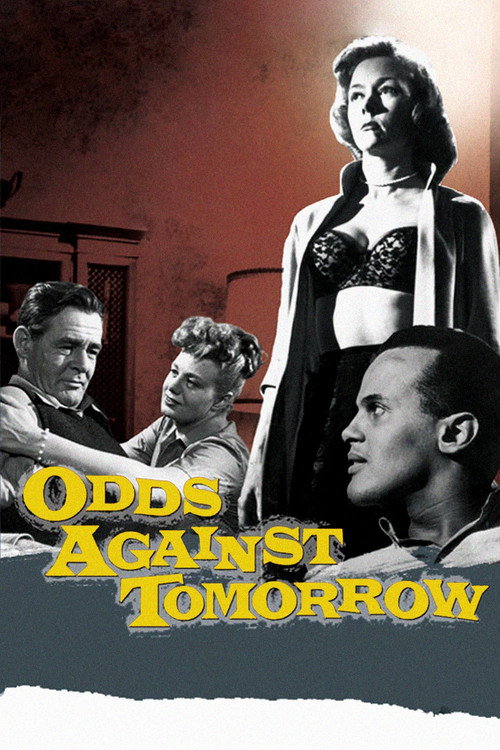
Odds Against Tomorrow1959
Harry Belafonte and Robert Ryan in a heist film that doubles as a race drama. It's lean, tense, and about men who can't escape their own nature. The ending lands harder than you expect.
But It's small and specific to its moment. If you want spectacle or traditional heroism, you won't find either.
Not sure tonight? Get a pick in a minute, starting from The List of Adrian Messenger
The wildcard
Something you would not have found on your own.
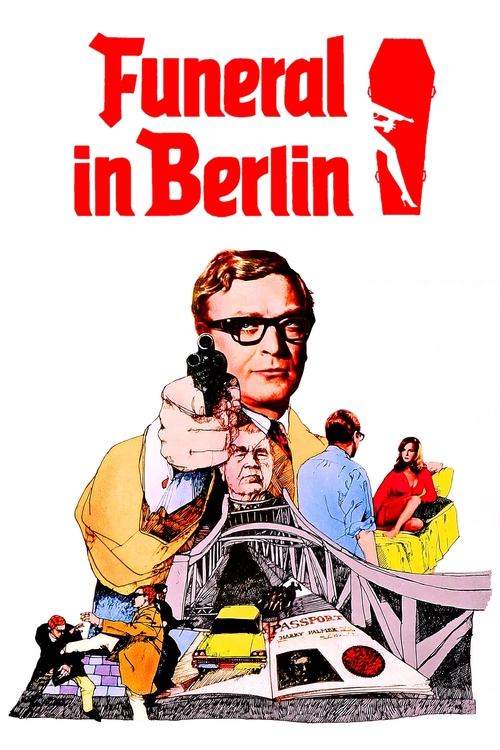
Funeral in Berlin1966
Both pivot on the reliability of information itself—who knows what, why they're withholding it, and what's buried beneath the official story. Scott and Caine both play men trained to distrust everything.
Michael Caine returns as Harry Palmer, this time amid Cold War espionage and Berlin Wall intrigue. It's mordant and plotted like a machine; Caine makes small corruptions feel lived. The ending is genuinely dark.
But It's a sequel that assumes you know the first. Slower than Adrian Messenger and less immediately engaging, but far more intelligent.
More like this (8)
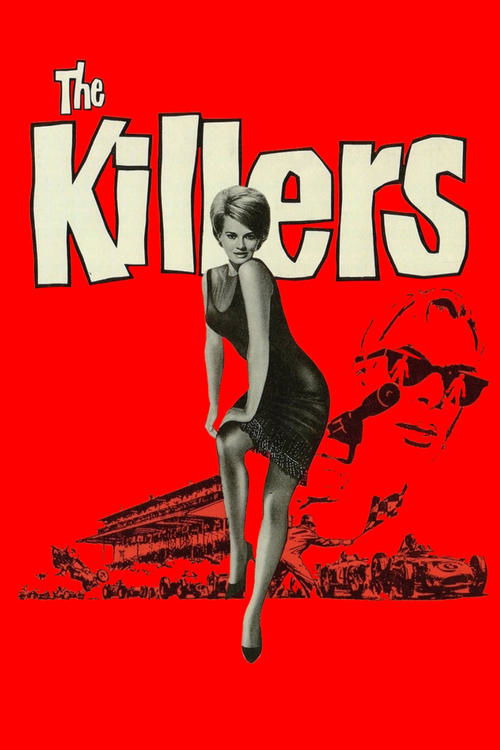
The Killers1964
Burt Lancaster and Lee Marvin. A hit man investigates why his target didn't run. The structure splinters across time, and every scene crackles with controlled violence and betrayal.
But It's cold and unglamorous. The women exist mainly to be betrayed. Not interested in making anyone likeable.
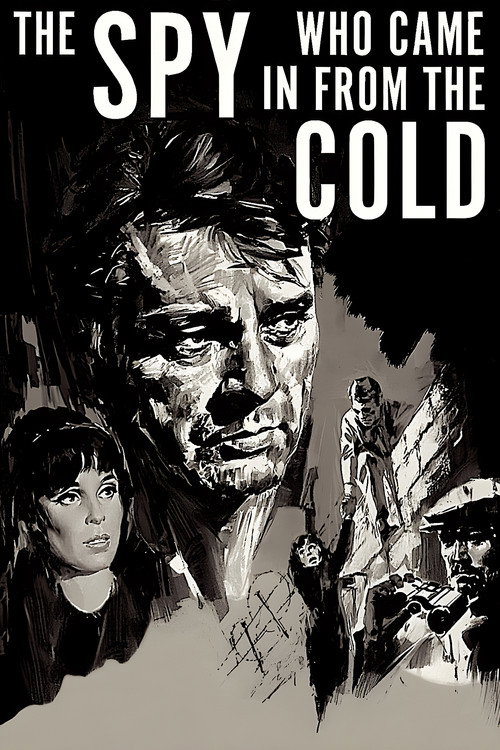
The Spy Who Came In from the Cold1965
Richard Burton as a burned-out intelligence operative. Based on le Carré's novel, it's a spy thriller that treats espionage as unglamorous, exhausting, and morally compromised.
But Glacially paced by modern standards, and the payoff is ambiguous in ways that can feel like no payoff at all.
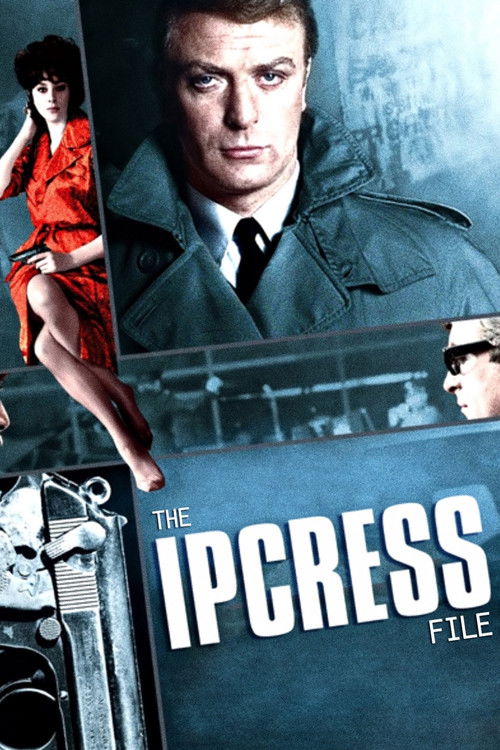
The Ipcress File1965
Michael Caine's debut as Harry Palmer, an anti-James Bond—working class, skeptical, resourceful. The Berlin-set plot is secondary to watching Caine make intelligence work seem lived-in and real.
But The plot is occasionally murky, and some of the '60s production design dates it. Caine carries it, but the story can meander.
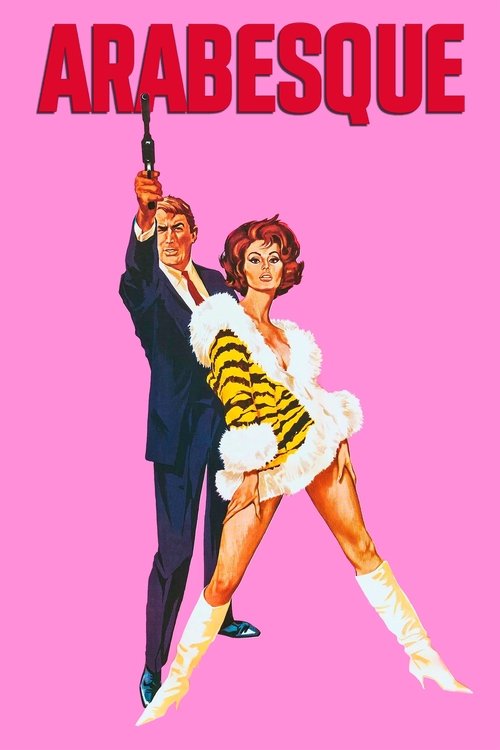
Arabesque1966
Gregory Peck and Sophia Loren in a caper that doesn't quite know if it's comedy or espionage. Set design is gorgeous, the banter is easy, and it moves like it's having fun.
But The plot barely holds together. It's all premise and charm, which can feel insubstantial if you want actual stakes.
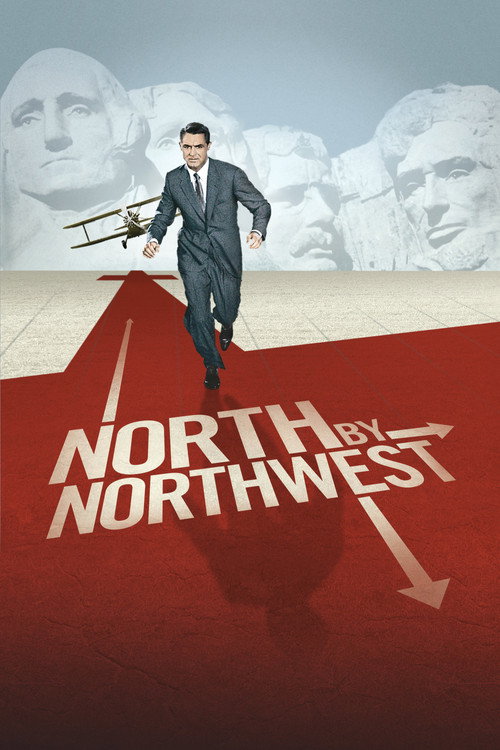
North by Northwest1959
Hitchcock's masterclass in wrongful suspicion. Cary Grant mistaken for a spy, propelled across America by momentum and misunderstanding. If you haven't seen it, this is the template all others follow.
But It's canonical, which means everyone knows the beats. Seeing it for the first time is impossible now; you're seeing a landmark, not a revelation.
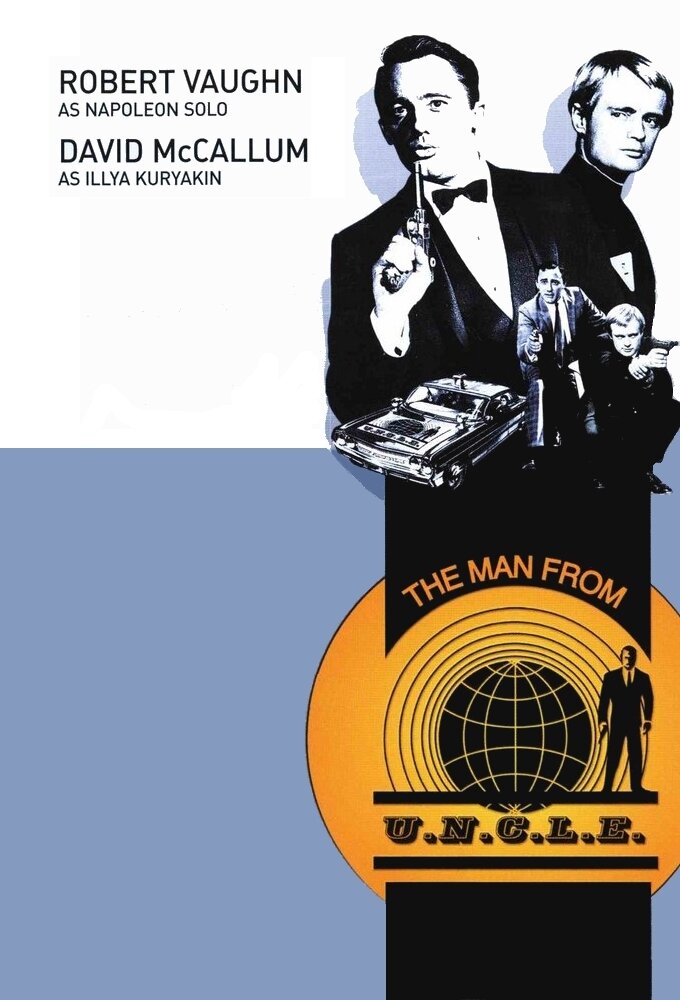
The Man from U.N.C.L.E.1964
Robert Vaughn and David McCallum in stylish spy adventures. Tongue-in-cheek without being camp, it captures the '60s spy craze at its peak. Each episode is a tidy puzzle.
But It hasn't aged as well as the better spy shows. The solutions are often convenient, and the politics are dated in ways that can feel silly now.
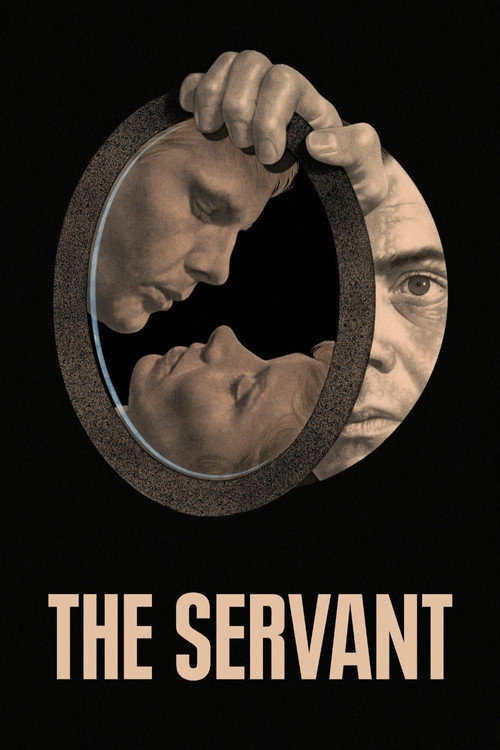
The Servant1963
Both are built on the premise that what you're being shown isn't the truth. Both withhold information as a narrative weapon. Both treat class and deception as interlocking forces.
Joseph Losey's chamber piece about a wealthy man and his valet—a power dynamic that inverts across 115 minutes. Claustrophobic, queasy, morally ambiguous. Shot in black-and-white that feels like a confession.
But It moves very slowly and trades on discomfort rather than plot. Some find it a masterpiece; others find it airless and overwrought.
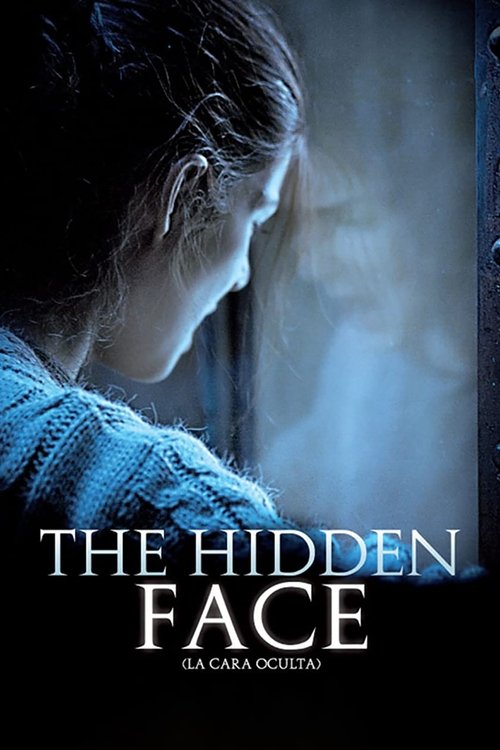
The Hidden Face2011
Like Adrian Messenger, it's fundamentally a game about what you believe and when. Both withhold a crucial identity to force you to reassess. Both are constructed as puzzles, not character studies.
An Argentinian noir about murder, misdirection, and what happens when you think you know the criminal. Astonishing structure—the twist arrives early and recontextualizes everything that follows.
But It's a curio of world cinema from three-quarters of a century ago. Period production values and subtitles will alienate some. The print quality can vary wildly.
People
Cast
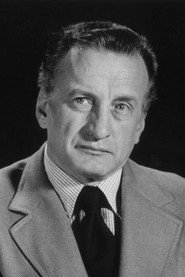 George C. ScottAnthony Gethryn
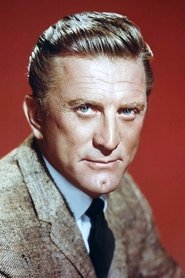 Kirk DouglasGeorge Brougham / Vicar Atlee / Mr. Pythian / Arthur Henderson
 Dana WynterLady Jocelyn Bruttenholm
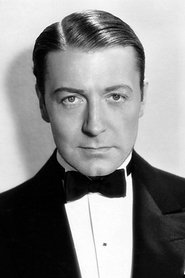 Clive BrookMarquis of Gleneyre
 Gladys CooperMrs. Karoudjian
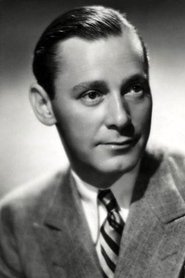 Herbert MarshallSir Wilfrid Lucas
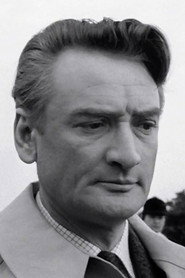 Jacques RouxRaoul Le Borg
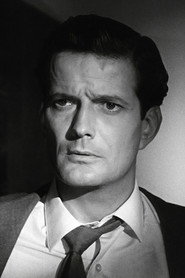 John MerivaleAdrian Messenger
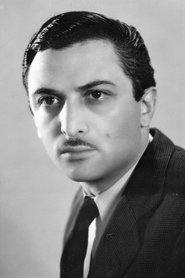 Marcel DalioMax Karoudjian
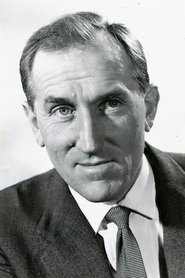 Bernard ArchardPike
- Tony HustonDerek Bruttenholm
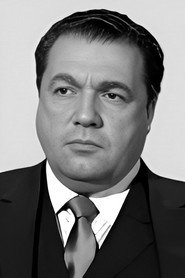 Ronald LongSir Robert Carstairs
Directing
- Tom ShawAssistant Director
- John HustonDirector
Writing
- Anthony VeillerScreenplay
- Philip MacDonaldStory
Production
- Kirk DouglasExecutive Producer
- Edward LewisProducer
- Edward MuhlProduction Manager
- Richard McWhorterUnit Production Manager