
Film
Dialogues des Carmélites
- Period drama
- Very dark
A French film about Carmelite nuns facing execution during the Revolution's terror, refusing to renounce their faith. Spiritually austere and dramatically intense, it moves between convent life and historical catastrophe with unflinching honesty. For viewers drawn to faith tested under extremity, or cinema that finds grace in suffering without sentimentality.
If you liked this
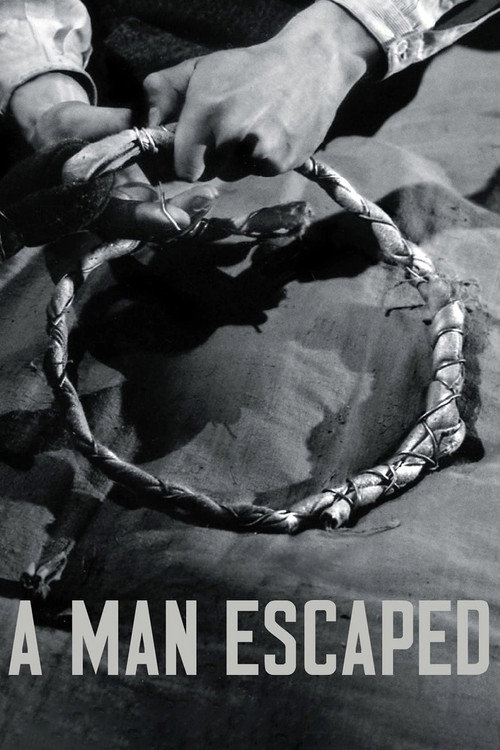
A Man Escaped1956
Bresson's spare masterpiece about a French prisoner planning escape under Nazi occupation. Like Dialogues, it finds transcendence in constraint, asking what faith sustains us when freedom vanishes. Meditative and gripping at once.
But Its pacing is glacial and its theology oblique. If you need plot momentum or emotional catharsis, this will feel like watching paint dry.
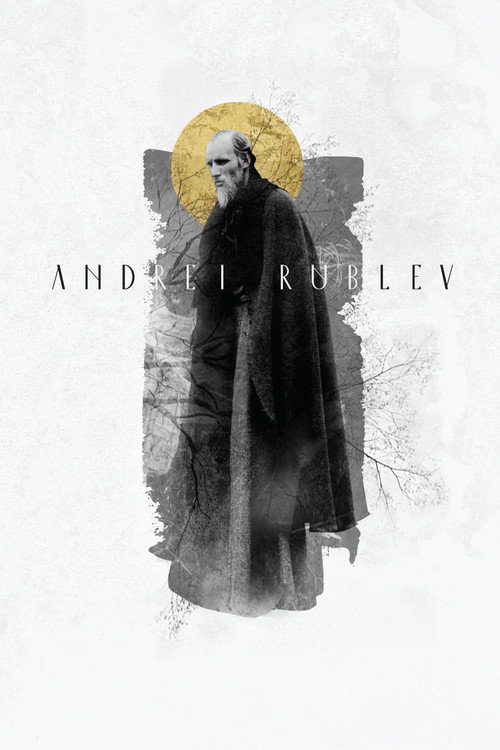
Andrei Rublev1966
Tarkovsky's epic about a medieval icon painter grappling with violence, doubt, and artistic purpose amid suffering. Shares Dialogues' conviction that spiritual life has weight and cost. Visually magnificent and morally serious.
But At three hours and largely wordless, it demands patience. The film moves at its own rhythm, indifferent to whether you're engaged.
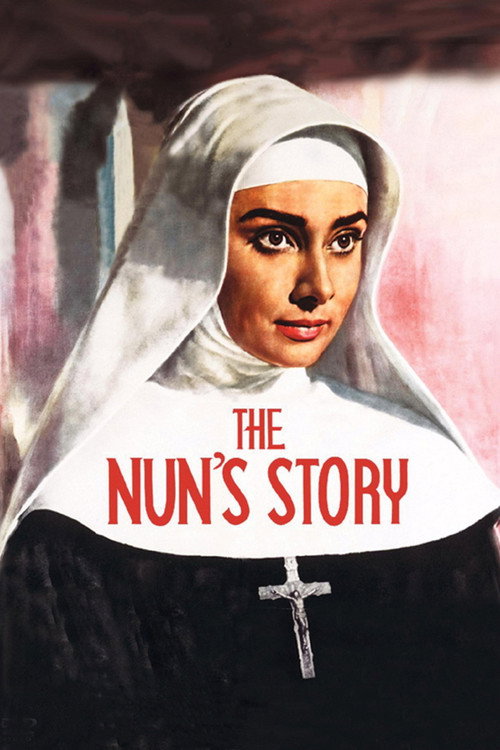
The Nun's Story1959
Audrey Hepburn as a nun confronting the gap between her calling and her conscience. Examines faith with real complexity, never cheapening doubt. A classier Hollywood version of similar moral terrain.
But More intimate drama than historical spectacle. If you came for Revolution, you'll get internal conflict instead.
Not sure tonight? Get a pick in a minute, starting from Dialogues des Carmélites
The wildcard
Something you would not have found on your own.
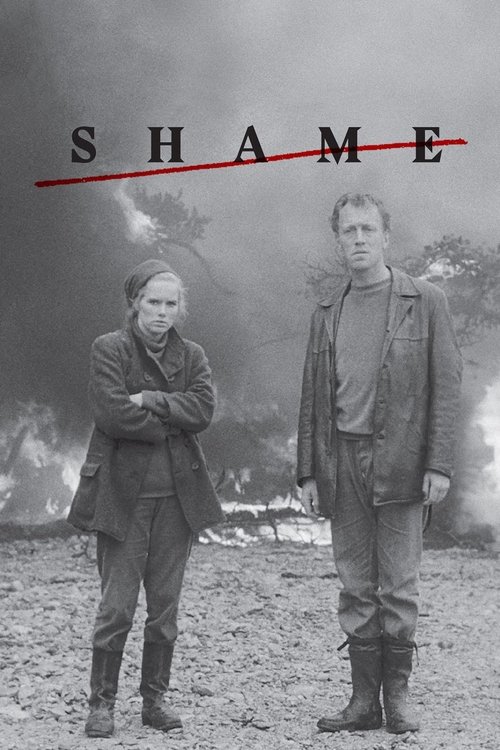
Shame1968
Both are unsparing examinations of spiritual and moral integrity under totalitarian pressure. Neither offers consolation; both offer truth.
Bergman's excoriating Swedish film about a couple caught between warring factions during an unnamed conflict. Like Dialogues, it strips away illusion about the self during extremity, asking what remains when everything is taken. Glacial and merciless.
But Relentlessly bleak and (deliberately) unclear whose side is right. Many Bergman admirers find even this one too punishing.
More like this (8)
Stalker1979
Another Tarkovsky: a guide leads seekers through a mysterious zone toward a room granting wishes. Slow, hypnotic meditation on desire, faith, and what we're really searching for. Architecturally similar to Dialogues in structure and mood.
But Deliberately paced to the point of stillness. Nearly three hours of long shots and philosophical digression will lose most viewers.

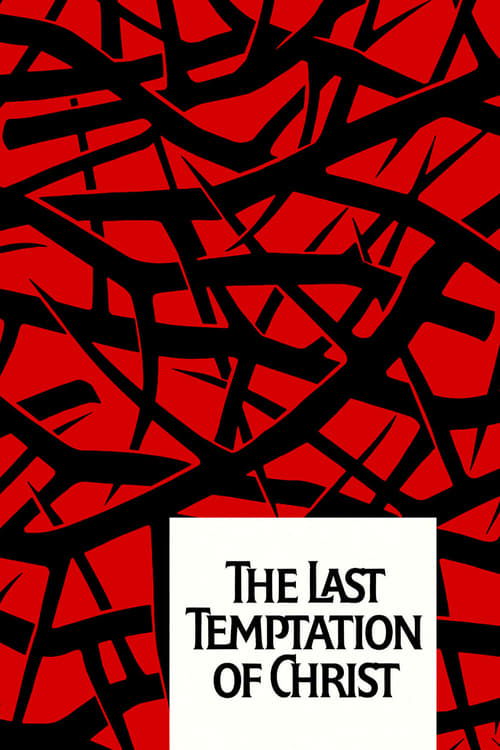
The Last Temptation of Christ1988
Scorsese's theologically ambitious portrait of Christ as fully human, wrestling with doubt and purpose. Shares Dialogues' refusal to simplify faith into comfort. Morally searching and visually powerful.
But Visceral and provocative by design. Many find it blasphemous; others find it confused. Expect discomfort, not uplift.
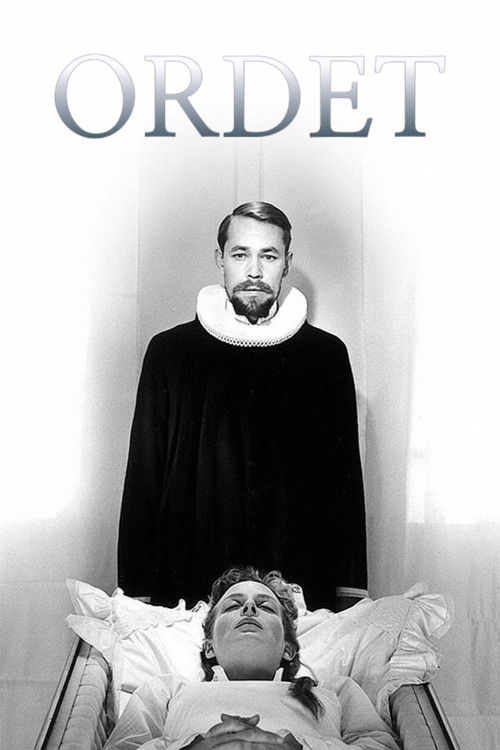
Ordet1955
Dreyer's Danish miracle-play about faith, doubt, and resurrection in a rural community. Austere and devastating, it treats spiritual conviction as real and consequential. A quiet masterpiece about grace.
But Very slow, very quiet, very foreign in sensibility. The ending will either devastate or perplex you.
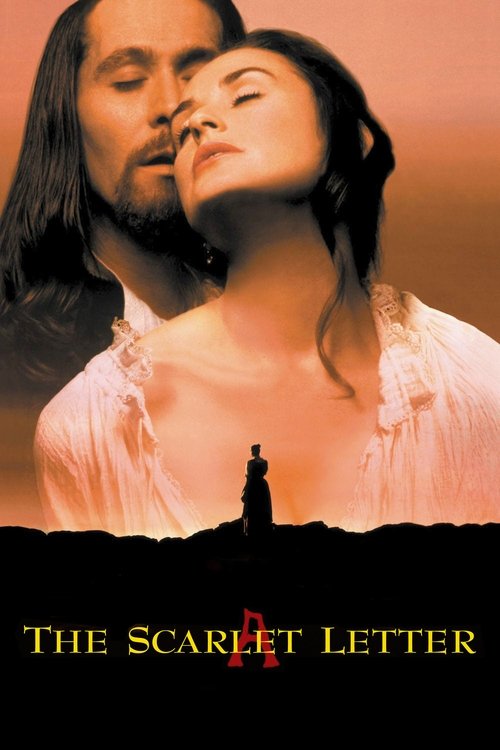
The Scarlet Letter1995
Demi Moore in a lush, strange Puritan drama about punishment, hypocrisy, and the cost of moral rigidity. Explores religious authority and institutional cruelty with real bite. Visually sumptuous.
But It's a misfire: beautiful but incoherent, earnest but unintentionally funny. Ambitious in the wrong ways.
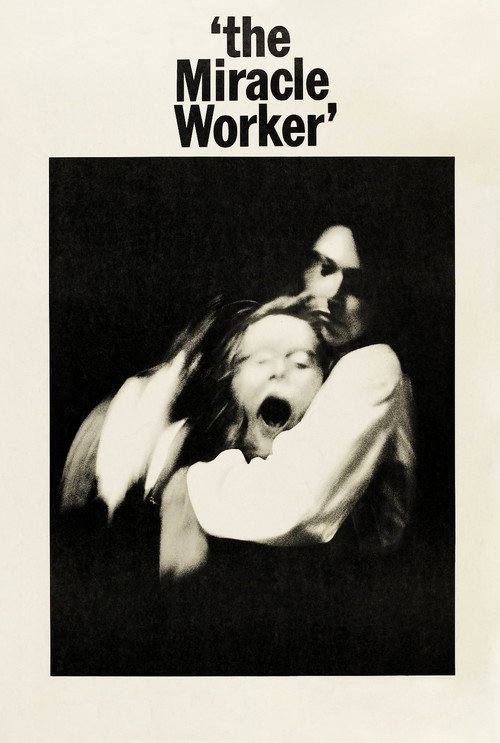
The Miracle Worker1962
William Gibson's drama of Annie Sullivan teaching Helen Keller. Like Dialogues, it's about two strong wills, faith as action, and transformation through stubborn grace. Powerfully acted and deeply moving.
But Can feel stagey and sentimental. The emotional beats are well-worn, and it works by hitting every one squarely.
Three Colors: White1994
Kieślowski's meditation on justice, humiliation, and revenge after the Cold War. Bleaker and funnier than you'd expect, it examines faith in systems and people. A complex morality tale.
But Its tonal shifts between comedy and tragedy can feel jarring. The narrative turns cynical in ways that alienate viewers seeking uplift.

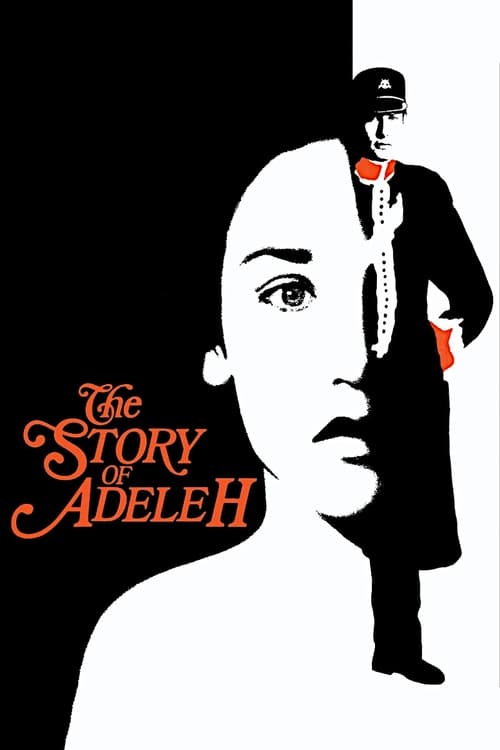
The Story of Adèle H.1975
Both feature women whose inner conviction sustains them through impossible circumstances, asking whether such devotion is grace or delusion.
Truffaut's obsessive, lyrical film about Victor Hugo's daughter pursuing an indifferent man across the world. It shares Dialogues' focus on female will and spiritual yearning, but transposes it to romantic obsession. Haunting and slightly mad.
But It's interior and repetitive by design. Isabelle Adjani's performance is all consuming, which some find brilliant and others exhausting.
Shoah1985
Both are French treatments of state terror and mass death. Both refuse easy narrative and insist we witness without flinching or looking away.
Lanzmann's nine-hour documentary about the Holocaust conducted entirely through interviews, never archival footage. Like Dialogues, it concerns French history's darkest hour and testimony to atrocity. Completely original in form; devastatingly powerful.
But Nine hours long, austere, sometimes repetitive, and emotionally exhausting. You don't watch Shoah; you survive it.

People
Cast
 Nicole CourcelMère Marie de l'incarnation
 Suzanne FlonMme de Croissy (la prieure)
 Madeleine RobinsonMme Lidoine (la nouvelle prieure)
 Anne CaudryBlanche de la Force
 André ThorentJavelinot, le médecin
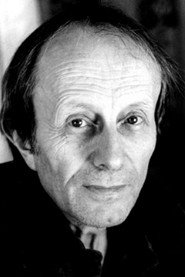 Jean-Pol DuboisLe commissaire n°1
Directing
- Pierre CardinalDirector
Writing
- Philippe AgostiniAdaptation
- Raymond Leopold BruckbergerAdaptation
- Georges BernanosNovel