
Film
Les Indes Galantes
- Stage-musical adaptation
- Romance
- Light-hearted
Rameau's 1735 opéra-ballet, a cascade of four exotic love stories tied together by a celestial prologue. William Christie conducts Les Arts Florissants through ravishing Baroque music while Andrei Șerban stages it with jaw-dropping artifice—all silk, gilt, and controlled excess. It's pure sensory pleasure: a night at the opera that feels like stepping into a jewelled box.
If you liked this
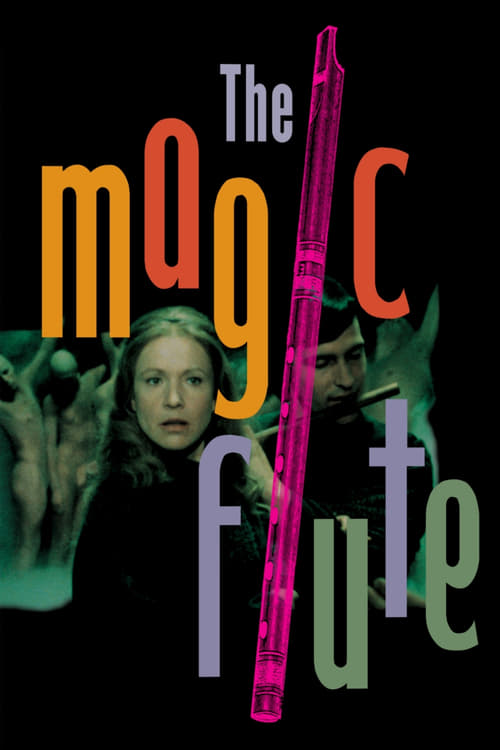
The Magic Flute1975
Ingmar Bergman's film of Mozart's opera. Visually audacious, theatrically alive, it captures that same sense of stepping into a world where music and design are equally real.
But Three and a half hours, and Bergman's black-and-white aesthetic is austere where *Indes Galantes* is ornate. Quite different energy.
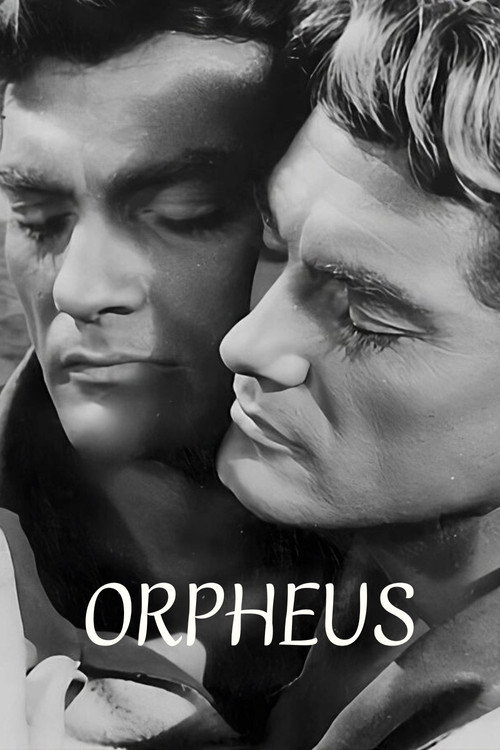
Orpheus1950
Cocteau's Orpheus updated to 1950s Paris. Mythological storytelling meets baroque aesthetics; the artifice is the point. Music and design matter as much as plot.
But It's French cinema, not opera, so the pacing is slower and stranger. The theatricality might read as pretentious rather than joyful.
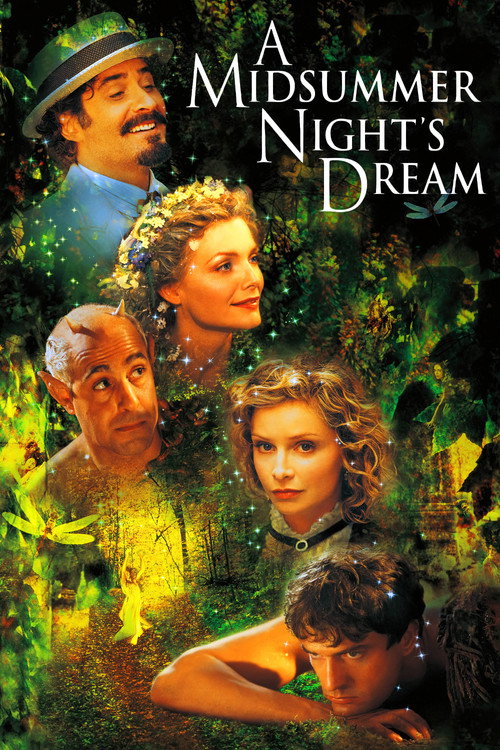
A Midsummer Night's Dream1999
Michael Hoffman's film of Shakespeare has costumes, colour, and orchestral music creating an enchanted world. That same sense of beauty-for-its-own-sake, narrative as an excuse for spectacle.
But It's Hollywood Shakespeare, which some find saccharine. The music is scored, not sung—a fundamentally different experience.
Not sure tonight? Get a pick in a minute, starting from Les Indes Galantes
The wildcard
Something you would not have found on your own.
Singin' in the Rain1952
Both films understand that spectacle and artifice are not the enemy of joy—they're how joy gets made visible.
Peak Hollywood musical: every element—dance, design, music, plot—serves the same ecstatic purpose. It has the same logic as *Indes Galantes*: the story is an excuse, beauty is the point.
But American 1950s musical comedy. Tone-deaf to anything serious; some find the cheerfulness exhausting. Centuries away from Baroque sensibility.

More like this (4)
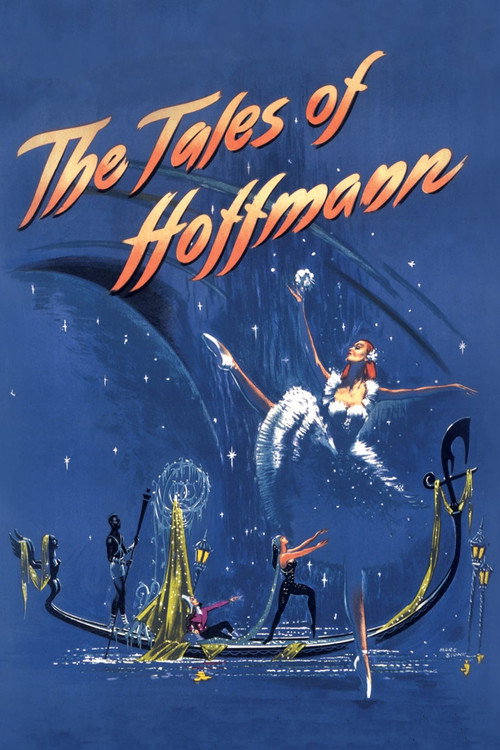
The Tales of Hoffmann1951
Michael Powell's Offenbach opera film: grotesquely colourful, designed like a ballet, full of visual invention. Baroque storytelling meets mid-century Technicolor abandon.
But Structurally it's three separate stories, which can feel disjointed. Some of the staging is campy in ways that don't always land.
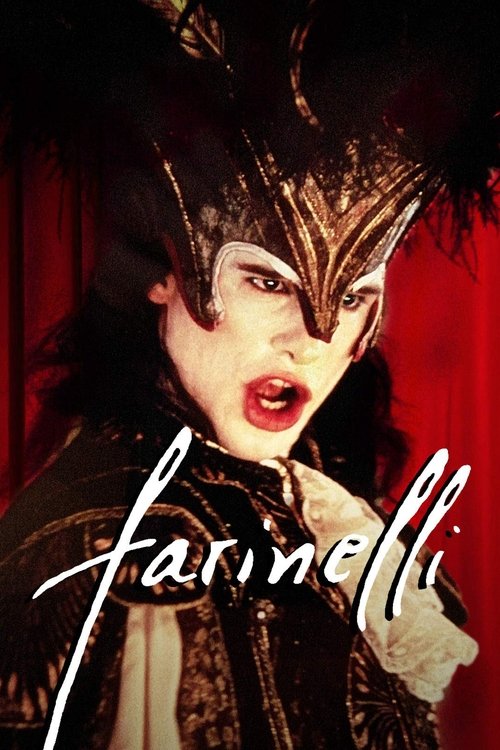
Farinelli1994
Gérard Corbiau's film about the legendary castrato who sang Baroque opera. Explores the world of 18th-century opera seria with lavish production design and period music throughout.
But It's a biographical drama, not pure opera. The music is dubbed and sometimes overwrought; the film is occasionally melodramatic.
Dialogues des Carmélites1984
Poul Henningsen's production of Poulenc's Baroque-inspired opera. Measured, beautiful, deeply theatrical—opera as cinema rather than theatre.
But The subject is French nuns during the Terror. It's profound and somber, the opposite of *Indes Galantes*' exuberant pleasure.
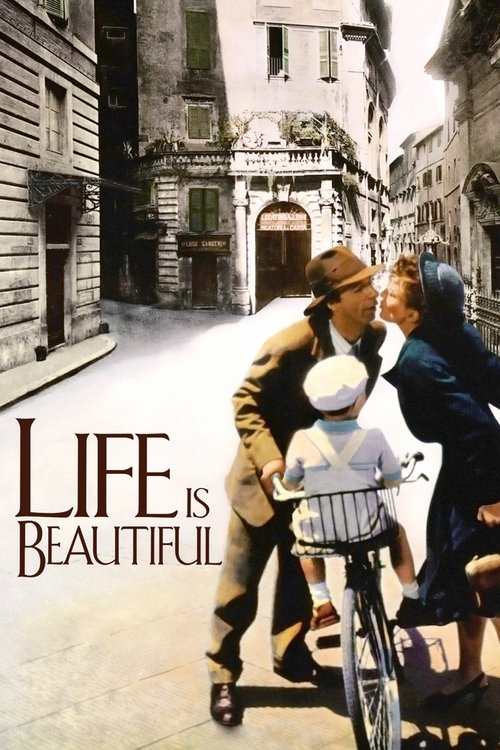
Life Is Beautiful1997
Both use baroque extravagance of form (music, design, gesture) to express emotional truths that realism cannot reach. But where *Indes Galantes* is weightless, this one carries unbearable weight.
Benigni's film uses music, design, and theatrical performance to hold grief and love in the same frame. Opera-like in its willingness to let feeling override realism.
But It's set in a concentration camp and deals with the Holocaust. The tonal mixing—comedy alongside atrocity—deeply troubles many viewers.
People
Cast
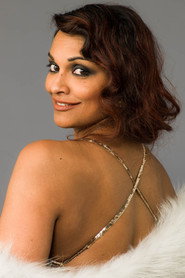 Danielle de NiesePrologue: Hébé
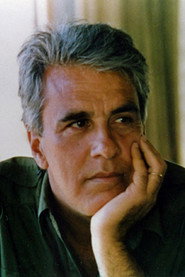 João FernandesPrologue: Bellone
- Valérie GabailPrologue: L'Amour
- Nicolas Cavallier1ère entrée - Le Turc généreux: Osman
- Anna Maria Panzarella1ère entrée - Le Turc généreux: Emilie
- Paul Agnew1ère entrée - Le Turc généreux: Valère
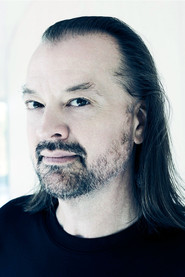 Nathan Berg2ème entrée - Les Incas du Pérou: Huascar / 3ème - Les Fleurs, Fête persane: Ali
- Jaël Azzaretti2ème entrée - Les Incas du Pérou: Phani
- François Piolino2ème entrée - Les Incas du Pérou: Don Carlos
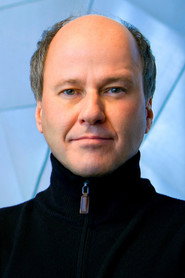 Richard Croft3ème - Les Fleurs, Fête persane: Tacmas
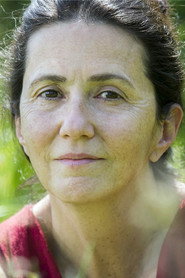 Gaële Le Roi3ème - Les Fleurs, Fête persane: Zaïre
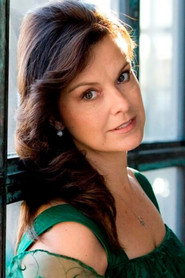 Malin Hartelius3ème - Les Fleurs, Fête persane: Fatime
Directing
- Niky WolczAssistant Director
- Andrei SerbanDirector
- Thomas GrimmDirector
Writing
- Louis FuzelierWriter